
Starting your journey in rhythmic gymnastics is an exciting step that combines dance, athletic coordination, and creative expression. If you are preparing for your first class in Singapore, you might feel overwhelmed by the array of colorful ribbons, hoops, balls, clubs, and ropes. Fortunately, you do not need to purchase a complete set of professional-grade apparatus to get started. Beginners should focus on a few foundational pieces of attire and the specific equipment recommended for their initial training level.
To start safely and effectively, you need form-fitting training wear, specialized footwear to protect your feet during turns, and one or two beginner-friendly hand apparatus. By prioritizing your purchases and selecting durable, correctly sized gear, you can avoid unnecessary expenses while building a solid technical foundation. Here is a comprehensive guide to what you actually need to buy first when starting rhythmic gymnastics.
Base Layer: Choosing the Right Attire and Footwear
Before you even pick up a hoop or a ball, your clothing and footwear must be suited to the rigorous demands of rhythmic gymnastics. The right attire ensures safety, allows for unrestricted movement, and helps your coach observe your technique.
Products mentioned in this guide
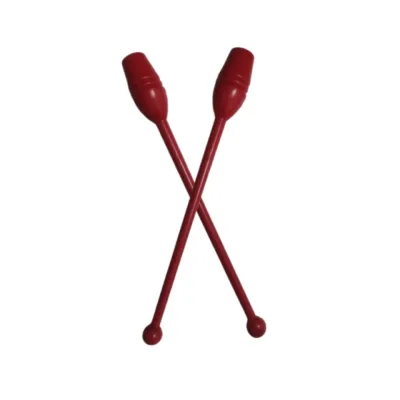
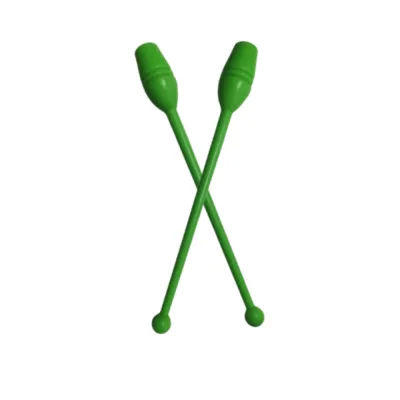
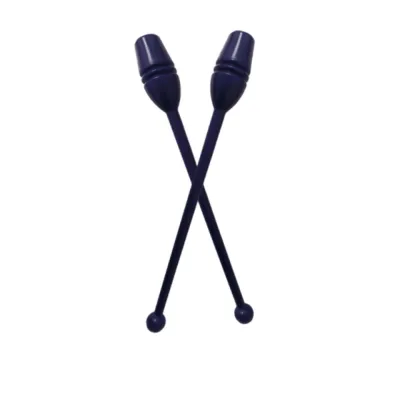
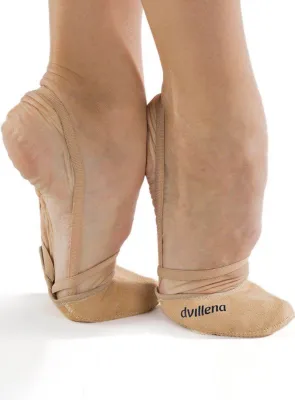
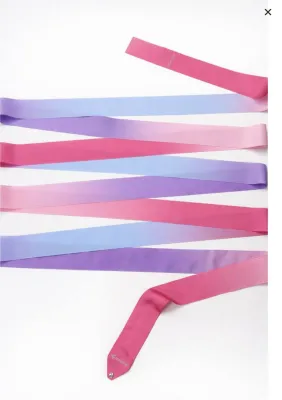
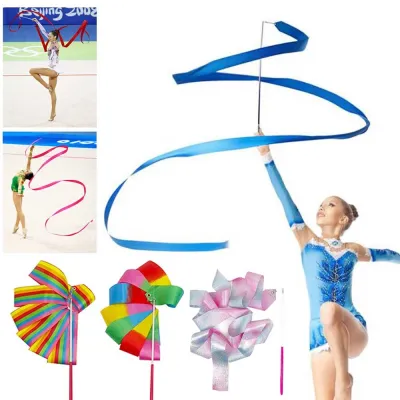
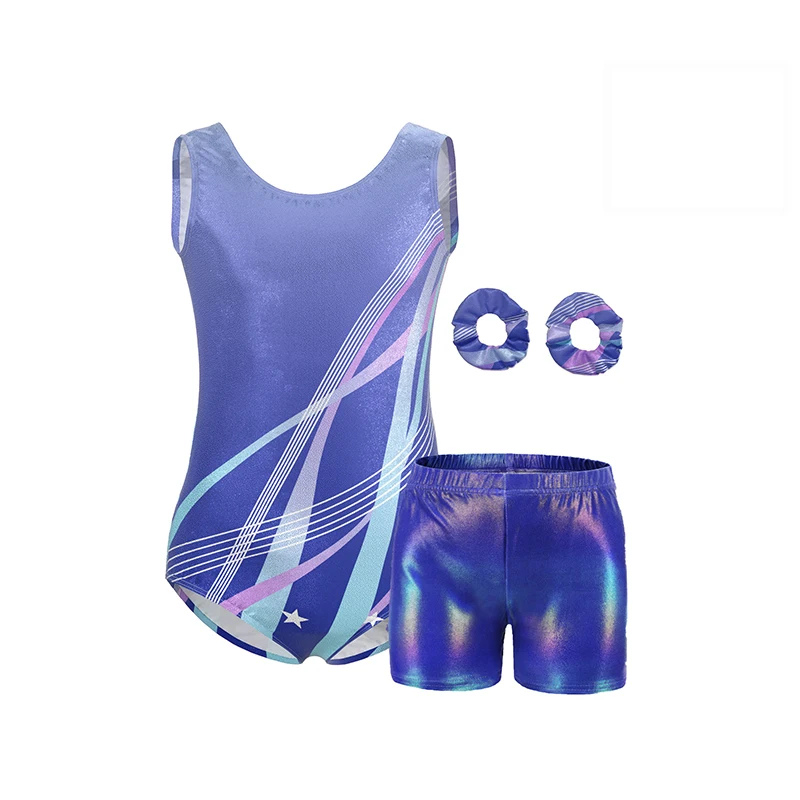
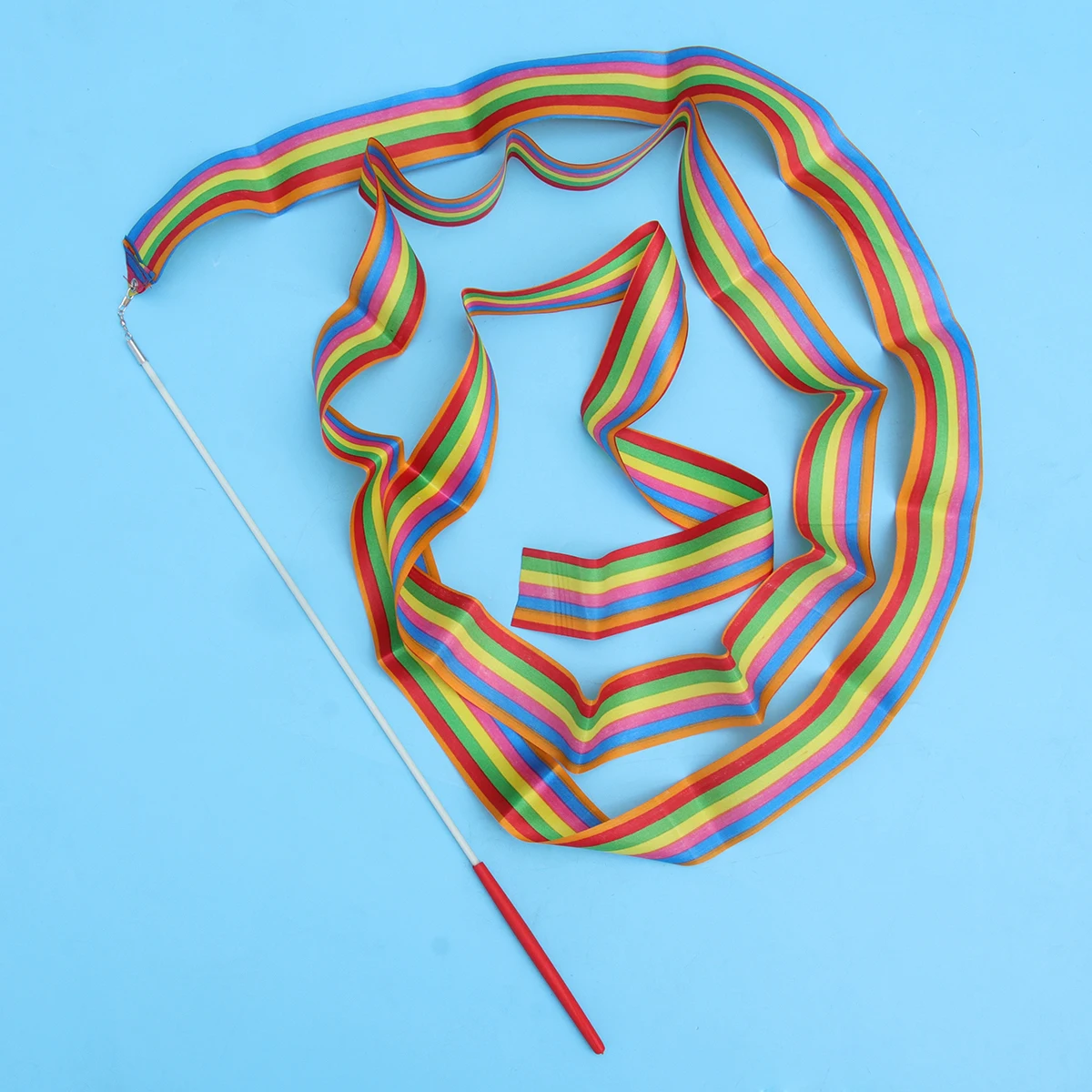
Prices are valid at publication and may change. Please refer to the product page for the latest price.
Training Wear For daily practice, you need form-fitting, highly stretchable training wear, such as a basic sleeveless leotard or a unitard (a one-piece garment with legs). Loose clothing, baggy t-shirts, or shorts with pockets are safety hazards in this sport. Loose fabric can easily snag on a spinning hoop, get tangled in a rope, or catch on a ribbon stick during a toss. Furthermore, form-fitting attire is essential for your coach to clearly observe your body lines, posture, and joint alignment. This visibility allows them to correct your technique in real-time, preventing the development of bad habits that could lead to injury. In Singapore’s warm and humid climate, look for training wear made from high-quality, breathable, and moisture-wicking synthetic blends, such as nylon-spandex or polyester-elastane, which keep you cool and dry during intense sessions in the studio.
Footwear Options While some recreational classes allow beginners to train barefoot, investing in a pair of rhythmic gymnastics half-shoes (often called toe shoes or half-socks) is highly recommended. These specialized shoes cover only the front half of your foot—specifically your toes and the ball of the foot—while leaving your arch and heel entirely bare. They are typically constructed from durable microfiber, canvas, or soft leather, and are held in place by elastic straps around the heel. Half-shoes serve a critical dual purpose: they protect the skin on the ball of your foot from painful friction burns and blisters during repetitive turns, pivots, and slides, while the bare heel allows you to grip the floor securely when standing flat. In Singapore, training surfaces can vary significantly. Some clubs train on specialized, high-pile gymnastics carpets where half-shoes are indispensable for gliding smoothly, while others use multi-purpose wooden parquet or vinyl floors where bare feet might grip too much, making half-shoes a safer option to prevent ankle twisting.
Grooming and Safety Essentials Safety in rhythmic gymnastics extends to how you style your hair and manage personal accessories. Your hair must be pulled back securely into a tight, neat bun at the back of your head, typically secured with hair elastics, bobby pins, and a plain hairnet. A loose ponytail or free-flowing hair can whip into your eyes during rapid spins, obscuring your vision when you need to catch a descending apparatus. It can also easily wrap around a rope or ribbon stick. Additionally, you must strictly remove all jewelry, including earrings, necklaces, rings, bracelets, and smartwatches, before stepping onto the training carpet. Metal and plastic accessories can scratch the delicate surface of a gymnastics ball, snag on a ribbon, or cause painful pinches and cuts to your skin during rapid body rotations and catches.
Choosing Your First Hand Apparatus: What to Prioritize
Rhythmic gymnastics features five official hand apparatus: the rope, hoop, ball, clubs, and ribbon. Each requires a distinct set of physical skills and handling techniques. As a beginner, attempting to learn all five simultaneously can be overwhelming and counterproductive.

The Five Apparatus Overview The five apparatus represent different movement dynamics. The rope emphasizes jumping rhythm, footwork, and wrist speed. The hoop requires precise spatial awareness, plane control, and continuous spinning around the limbs. The ball demands extreme fluidity, body waves, and smooth rolls along the arms and back. The clubs, handled as a pair, require advanced bilateral coordination, asymmetrical movements, and quick wrist manipulation. Finally, the ribbon demands constant, high-energy arm and wrist movements to keep the long fabric flowing in beautiful, unbroken patterns.
What to Buy First If you are a complete beginner, you should generally prioritize purchasing a ball or a hoop first. Most introductory curricula in Singapore focus on these two apparatus because they are highly intuitive and excellent for developing fundamental hand-eye coordination. Working with a ball teaches you how to cushion catches using your whole body and how to guide an object along your limbs without gripping it tightly. A hoop helps you understand “planes of movement” (horizontal, vertical, and diagonal) and basic tossing mechanics. These skills are essential stepping stones. Attempting to start with the ribbon or clubs can be highly frustrating; a ribbon will collapse into a tangled mess on the floor if your wrist movement stops for even a second, and clubs require managing two independent objects, which is often too complex for a novice.
Sizing and Specifications Using incorrectly sized equipment is one of the quickest ways to stall your progress or develop improper technique.
- Hoop: To find the correct hoop size, stand the hoop vertically on the floor against your leg. The top of the hoop should reach your hip bone or your waist. If the hoop is too large, you will struggle to control its path and may strike the floor during swings; if it is too small, you will not be able to pass your body through it comfortably during leaps and rolls.
- Rope: To measure a rope, stand on the center of the rope with both feet. Pull the ends upward; the knots at each end should reach your armpits. Any excess length should be cut and knotted securely, with the ends singed carefully to prevent fraying.
- Ball: Selecting a ball depends heavily on the gymnast's age and hand size. Junior gymnasts (typically under the age of 11 or 12) should use a smaller, lighter ball, usually measuring 15 cm to 16 cm in diameter and weighing around 300g to 350g. Older teenagers and adult beginners should use the standard size approved by the International Gymnastics Federation (FIG), which has a diameter of 18.5 cm and a minimum weight of 400g.
- Sizing Verification: Never guess your size based on age alone. Always cross-reference the manufacturer's specific size charts and consult your coach’s syllabus before purchasing, as different training programs may have specific size requirements.
Material Considerations When shopping for your first apparatus, look for durable, beginner-friendly materials designed for training rather than high-end competition. For hoops, choose sturdy, high-impact polyethylene or specialized plastics that can bend slightly without snapping when dropped. For balls, look for soft, high-grip synthetic rubber or PVC that can withstand repetitive impacts on hard floors. Professional, competition-grade apparatus are often made from delicate, rigid materials (such as thin-walled fiberglass for hoops or highly polished, fragile coatings for balls) that are easily cracked, scratched, or permanently warped during the frequent drops that are a natural part of a beginner’s practice. Training-grade equipment is not only more durable but also significantly more budget-friendly, with beginner balls and hoops typically costing between S$20 and S$45, compared to professional models that can easily exceed S$90 to S$120.
Essential Accessories for Equipment Care and Protection
Once you have invested in your basic gear, keeping it in good working order is essential. Rhythmic gymnastics equipment is surprisingly delicate and sensitive to environmental conditions, meaning proper care accessories are just as important as the apparatus themselves.
Apparatus Bags A dedicated, compartmentalized gymnastics bag or individual protective covers are essential for preserving your gear. A circular hoop cover, typically made of padded, water-resistant fabric, prevents your plastic hoop from getting scratched and protects it from extreme temperature changes. This is particularly important in Singapore, where transitioning from hot outdoor humidity to highly air-conditioned training halls can cause cheap plastics to warp. A padded ball bag protects the soft rubber surface of your ball from being punctured by keys or pens in your main bag, and keeps it clean. For ribbons, a specialized ribbon roller or a flat ribbon board is crucial; leaving a ribbon loose in your bag will cause it to tangle, crease, and collect static electricity, making it impossible to spiral smoothly during your next class.
Maintenance Tools To keep your equipment performing predictably, you need a few basic maintenance tools. For your ball, a specialized dual-action ball pump equipped with a fine, lubricated inflating needle and an integrated pressure gauge is highly recommended. Rhythmic gymnastics balls must be kept at a specific pressure to ensure they bounce correctly and maintain their perfectly spherical shape. Standard bicycle pumps or high-pressure ball pumps can easily rupture the delicate black rubber valve of a gymnastics ball, rendering it useless. Additionally, you will need specialized decorative or protective adhesive tape (often thin, self-adhesive vinyl or cloth tape) to wrap your hoop and clubs. Wrapping your hoop not only adds a layer of protection against scuffs and cracks when it hits the floor but also increases your grip, making it easier to catch and spin.
Protective Gear As a beginner, you will spend a significant amount of time learning floor transitions, rolls, and repetitive kneeling elements. To protect your joints from bruising and strain, consider purchasing a pair of soft, low-profile training knee pads. These pads should feature a flexible foam or gel insert that cushions your knees during floor contact without restricting your range of motion or sliding down your leg. Ankle supports can also be beneficial if you are recovering from a minor strain or require extra stability during jumps. However, it is vital to remember that protective gear is meant to support your body during training sessions; it should never be used as a substitute for learning the proper landing mechanics, core engagement, and joint alignment taught by your coach.
Common Gear Mistakes Beginners Should Avoid
Steering clear of common purchasing and maintenance traps will save you money, protect your physical safety, and ensure your skills develop without unnecessary hurdles.
Buying Competition-Grade Gear Too Early Many beginners make the mistake of purchasing expensive, competition-grade apparatus right away, thinking it will accelerate their learning. In reality, professional gear is designed for advanced gymnasts who already possess precise control. For example, a professional silk ribbon is incredibly light and fluid but will fray instantly if it drags across a rough floor, and high-end fiberglass hoops can crack if dropped repeatedly on hard studio edges. Stick to durable training-grade plastics and rubbers until your coach advises that you are ready for competition-level gear.
Ignoring Coach Specifications Never purchase equipment without checking your coach’s specific guidelines first. Every gymnastics school in Singapore follows a structured curriculum, and using an apparatus that does not match their weight or size specifications can hinder your progress. For instance, if you bring a heavy, non-standard ball to a class designed for light junior training, you will struggle to keep up with the tempo of the drills and may strain your wrists trying to control the extra weight.
Skipping Apparatus Care Failing to care for your gear after class can ruin it surprisingly quickly. Never leave your plastic hoop in the trunk of a car parked under the hot Singapore sun, as the extreme heat will warp the plastic into an oval shape that cannot roll straight. Similarly, always untie any knots in your ribbon and roll it up immediately after practice; leaving a sweaty ribbon crumpled in a bag leads to stiff, sticky fabric that will fail to form clean patterns in the air.
Frequently Asked Questions (FAQ)
Do I need to buy all five apparatus at once?
No, you do not need to buy all five apparatus when you first start. Rhythmic gymnastics is a highly progressive sport, and beginners typically focus on only one or two apparatus—usually the hoop or the ball—for their entire first term or year. Your coach will explicitly tell you when it is time to introduce a new apparatus to your training. Purchasing all five at once is an unnecessary upfront cost and can lead to gear sitting unused and deteriorating over time.
Can I use regular athletic shoes instead of gymnastics half-shoes?
No, regular athletic shoes or sneakers are not suitable for rhythmic gymnastics. Standard sneakers are designed with thick, high-grip rubber soles that prevent sliding, which will lock your foot to the floor and prevent you from performing the turns and pivots fundamental to the sport, potentially causing serious knee or ankle injuries. Furthermore, thick soles restrict your foot’s natural articulation and arching, which are essential for proper technique. If you do not have half-shoes yet, training barefoot is a much safer and more effective option than wearing regular athletic shoes.
Community discussion
Share your experience or ask a question. Comments are reviewed before publication.