
When selecting a baby basketball hoop for your child, safety must be the primary consideration. While these toys offer an excellent way to develop hand-eye coordination, gross motor skills, and physical confidence, they can also present hidden hazards if not carefully evaluated. Tipping risks, chemical exposure from low-grade plastics, pinch points, and choking hazards are real concerns for parents. To ensure a safe play environment, you must look beyond bright colors and engaging marketing claims.
This guide outlines the essential safety features, material standards, and structural designs to verify before making a purchase. By understanding what to look for in product specifications and physical construction, you can choose a toy that provides hours of secure, active play.
Evaluating Base Stability to Prevent Tipping
The most common hazard associated with a freestanding baby basketball hoop is tipping. As toddlers develop their motor skills, they do not simply throw the ball; they often lean on the structure, pull the rim, or accidentally bump into the pole with significant force. To prevent the hoop from falling forward and causing injury, you must critically evaluate the base design and its weight distribution mechanisms.
Products mentioned in this guide
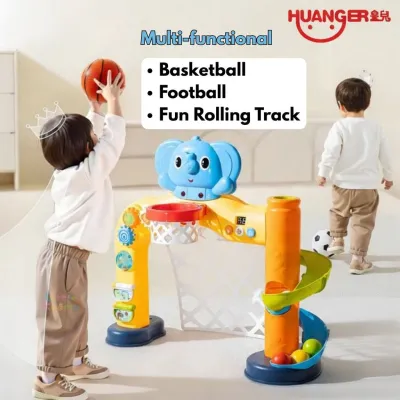
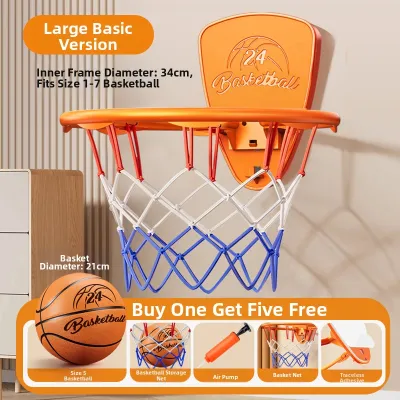
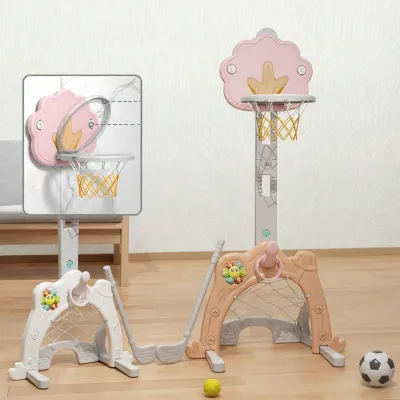
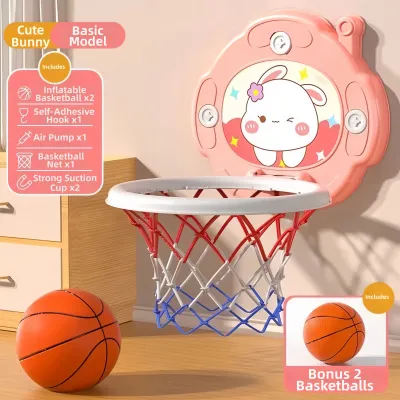
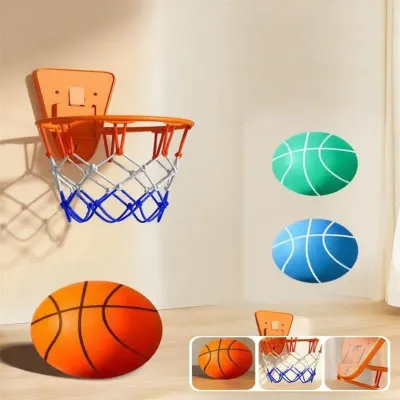
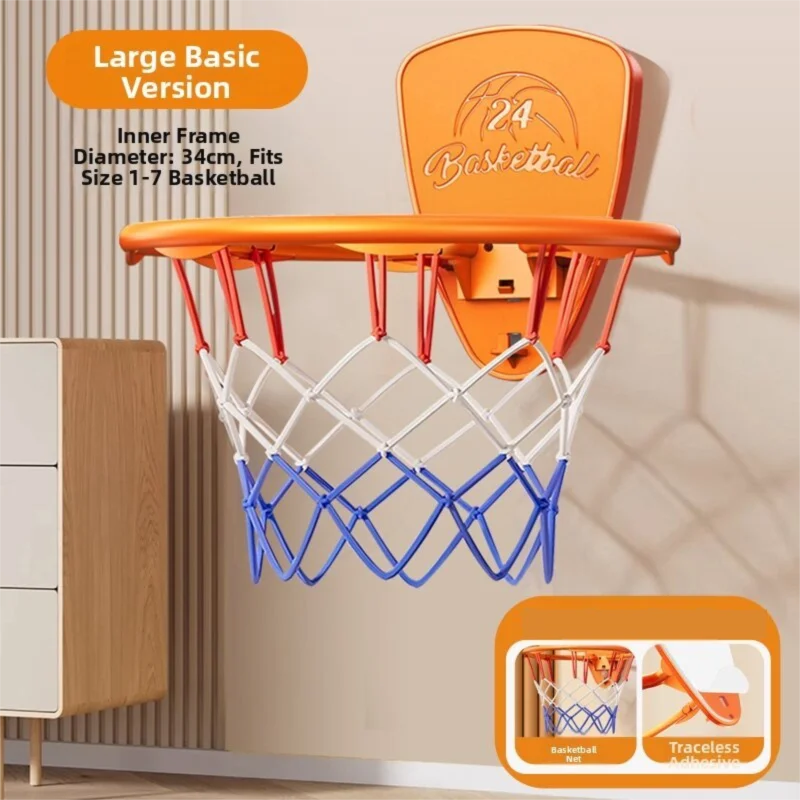
Prices are valid at publication and may change. Please refer to the product page for the latest price.
Most toddler hoops feature a hollow base that must be filled to lower the center of gravity. Never allow a child to play with an empty base, as the top-heavy nature of the backboard and rim makes it highly unstable. When comparing models, check the manufacturer’s specifications for the base’s volumetric capacity. A reliable base should hold at least 5 to 10 liters of ballast. While water is a convenient filling option, sand is significantly denser and provides a much heavier, more stable foundation that resists sloshing and shifting during play.
Beyond weight, the physical footprint of the base determines its resistance to tipping. Evaluate the width and depth of the base relative to the maximum height of the hoop. A wide, low-profile base distributes forces over a larger surface area, reducing the leverage a child can exert when pulling on the rim. Look for designs that incorporate a wide stance, extended rear legs, or a triangular footprint, which naturally resists forward and lateral tipping forces.
To verify stability before buying, look for technical drawings or dimension specifications rather than relying on stylized marketing photos. Check the ratio between the base width and the maximum extended height; a base width that is at least half the maximum height of the rim offers superior stability. Additionally, look for models that feature secure anchoring options or non-slip rubber pads on the underside to prevent the base from sliding on smooth indoor floors, which can cause sudden shifts in balance.
Verifying Material Safety and Non-Toxic Components
Babies and toddlers interact with their toys using all of their senses, which frequently includes chewing on the rim, the net, or the pole. Consequently, the chemical composition of the materials used in a baby basketball hoop is just as important as its structural stability. Parents must verify that all plastics, paints, and textile components are completely non-toxic and free from harmful chemical additives.

First, inspect the product specifications for plastic safety certifications. The hoop should be constructed from high-grade, food-contact-safe plastics such as High-Density Polyethylene (HDPE) or Polypropylene (PP). Ensure the product is explicitly labeled as BPA-free, phthalate-free, and lead-free. Phthalates, often used to make plastics more flexible, are known endocrine disruptors and are strictly regulated in children’s toys. Checking for compliance with international toy safety standards, such as ASTM F963 in the United States or EN71 in Europe, provides verification that the product has undergone rigorous chemical testing.
Second, pay close attention to the paints, coatings, and decals used on the backboard and rim. Brightly colored graphics can sometimes contain heavy metals or lead if low-quality manufacturing processes are used. Look for manufacturer declarations confirming the use of water-based, non-toxic paints. Avoid products that have a strong chemical odor upon unboxing, as this can indicate volatile organic compound (VOC) off-gassing, which is unsuitable for indoor play spaces.
Third, consider the impact of environmental factors on material degradation, especially in tropical climates like Singapore. High humidity, intense UV exposure, and frequent rain can rapidly degrade standard plastics, causing them to become brittle, crack, or leach chemicals over time. If you plan to use the hoop on a balcony, patio, or outdoor play area, verify that the plastic is UV-stabilized. UV-resistant materials maintain their structural integrity and color, preventing the plastic from chalking or splintering into sharp, hazardous fragments.
Finally, always prioritize actual safety labels and manufacturer specifications over brand names or aesthetic appeal. Authentic safety certifications will be clearly printed on the packaging or detailed in the product manual. If a manufacturer cannot provide verifiable proof of compliance with toy safety standards, it is best to avoid the product entirely to protect your child from potential chemical exposure.
Inspecting Physical Design for Edges, Pinch Points, and Choking Hazards
A thorough physical inspection of a baby basketball hoop is essential to identify design flaws that could cause cuts, pinches, or choking incidents. Toddlers have delicate skin and small, inquisitive fingers that can easily find their way into tight gaps or sharp edges.
Begin by evaluating the surface finish of all plastic and metal components. Run your hands along the edges of the backboard, the rim, and the support poles to check for rounded corners and smooth seams. Low-cost manufacturing often leaves sharp plastic burrs, known as flash, along the mold lines. These burrs can easily scratch or cut a child’s hands during active play. High-quality hoops feature fully rounded, radiused edges on every component to minimize the risk of impact injuries.
Next, examine the assembly hardware and small parts. Many adjustable hoops use plastic screws, knobs, or decorative caps to secure the frame. Ensure that these components are large enough to pass a standard choking tube test (typically larger than 3.17 centimeters in diameter) and cannot be easily loosened or detached by a child. Threaded metal screws should be recessed deeply into the plastic frame so that they are completely inaccessible to curious fingers and cannot cause scratches if a child bumps into the pole.
Moving parts and height-adjustment mechanisms represent significant pinch hazards. Evaluate the joints, folding hinges, and telescoping sections of the pole. When the hoop is locked into position, there should be no gaps between 5 and 12 millimeters, as this is the critical range where a toddler’s fingers can become trapped and crushed. Look for adjustment designs that feature fully enclosed locking collars or safety sleeves that cover the adjustment holes, preventing direct access to the interior of the pole.
Lastly, do not overlook the safety of the net. The net must be constructed from durable, thick nylon or polyester cords that resist tearing and fraying. Inspect how the net attaches to the rim; avoid designs that use small, rigid plastic hooks or sharp clips, which can break off and present a choking hazard. Instead, look for integrated molded loops on the rim that allow the net to be threaded securely. Ensure the net’s mesh pattern is small enough that a child’s head cannot fit through it, preventing any risk of strangulation, while also ensuring the loops are not small enough to trap tiny fingers.
Checking Height Adjustment and Structural Integrity
As your child grows, their play style will become more active and forceful. A baby basketball hoop must feature a robust height-adjustment system and high structural integrity to withstand this progression without collapsing or breaking.
First, verify the security of the locking mechanisms. The telescoping pole should lock firmly into place using a mechanical system, such as a spring-loaded push button, a heavy-duty locking pin, or a threaded collar that tightens securely. Avoid models that rely solely on friction tension, as these can slip over time when subjected to repeated impacts from a ball or when a child pulls downward on the rim. The adjustment controls should require adult strength and coordination to operate, ensuring a toddler cannot accidentally unlock the mechanism during play.
Second, assess the thickness and rigidity of the support pole. A thin, flexible pole will wobble excessively when the ball hits the backboard, which not only reduces the quality of play but also creates dynamic forces that can destabilize the base. Check the product specifications for the diameter of the pole; a thicker pole with a wide cross-section provides superior structural rigidity. If the pole is made of multiple interlocking segments, ensure the joints fit tightly together with no noticeable play or wobble when fully assembled.
Third, evaluate the material of the backboard. It should be constructed from high-impact, shatterproof materials such as thick, double-walled polyethylene. Avoid brittle plastics, thin acrylics, or glass-mimicking materials that can crack or shatter upon impact. A durable, shatterproof backboard absorbs the energy of missed shots and accidental bumps, ensuring the toy remains intact and safe over years of use.
Finally, inspect the design of the rim. For young toddlers and babies, a flexible, spring-loaded breakaway rim or a soft, flexible plastic rim is highly recommended. These designs bend downward when downward force is applied, absorbing the impact energy and preventing the entire hoop from tipping forward if a child attempts to hang on the rim. Additionally, a flexible rim is much gentler on a child’s face and hands if they make accidental contact during a jump or fall.
Planning Safe Setup, Placement, and Supervision
Even the safest baby basketball hoop can become hazardous if it is set up incorrectly or placed in an unsafe environment. Creating a secure play zone and establishing clear supervision boundaries are critical steps in preventing accidents.
When planning the placement of the hoop, designate a hazard-free zone around the toy. Ensure there is a clear clearance radius of at least 1.5 meters around the hoop, free from sharp-edged furniture, glass doors, low-hanging light fixtures, or electrical outlets. In Singapore, where high-rise living in HDB flats or condominiums is common, balcony safety is paramount. Never place a baby basketball hoop on an open balcony, near low windows, or close to railings, as active play can easily lead to dangerous climbing behaviors or falling objects.
Surface selection is equally vital for maintaining the structural stability of the hoop. Always set up the toy on a flat, level surface. Placing the hoop on uneven tiles, thick carpet edges, or sloped outdoor ground can compromise the base’s balance, making it prone to tipping even when fully weighted. For indoor setups, placing the hoop on a shock-absorbing EVA foam play mat can provide a non-slip surface for the base while offering a cushioned landing zone for toddlers who may lose their balance while shooting.
It is important to remember that no safety feature or equipment design can replace active adult supervision. Infants and young toddlers are still developing their spatial awareness, balance, and risk assessment skills. They may attempt to climb the support pole, hang from the rim, or place their heads near the net. An adult should always remain within arm’s reach during play to guide correct usage, correct unsafe behaviors immediately, and ensure the child plays with age-appropriate, lightweight balls.
Lastly, establish a routine inspection schedule to identify when the hoop has reached the end of its safe lifespan. Regularly check for signs of wear and tear, such as plastic discoloration or cracking from UV exposure, leaks in the water-filled base, loose hardware, or fraying net fibers. If you notice any structural compromise, remove the toy from the play area immediately. Promptly retire and replace the hoop to ensure your child’s play environment remains completely secure.
Frequently Asked Questions (FAQ)
At what age is it safe to introduce a basketball hoop to a baby?
You can introduce a baby basketball hoop once your child can stand steadily and walk independently, typically around 12 to 18 months of age. At this developmental stage, they have the basic balance required to throw a ball without immediately falling over. To prevent facial injuries and choking hazards, always use soft, lightweight, and oversized foam or inflatable balls specifically designed for toddlers, rather than standard, heavy rubber basketballs.
Should I use sand or water to weigh down the base?
Sand is highly recommended over water for weighing down the base. Sand is denser than water, providing a heavier foundation and a lower center of gravity, which significantly improves the hoop’s stability. Furthermore, in Singapore’s tropical climate, using water in a hollow base poses a biological hazard; if the fill cap is loose, cracked, or lost, the stagnant water inside can quickly become a breeding ground for Aedes mosquitoes, increasing the risk of dengue transmission. Sand eliminates this risk entirely.
Are mini indoor over-the-door hoops safe for toddlers?
Mini over-the-door hoops are generally unsafe for babies and toddlers. These models present significant risks, including fingers getting pinched in door hinges, the potential for the door to slam shut during play, and the hazard of the entire unit falling if the toddler attempts to pull down on the rim. Additionally, doors are often located near high-traffic entryways, increasing the risk of collisions. For young children, freestanding floor models with weighted bases are a much safer and more stable alternative.
Community discussion
Share your experience or ask a question. Comments are reviewed before publication.