
When preparing for your first underwater adventure, deciding which diving snorkeling accessories are truly necessary can be a daunting task. The sheer variety of gear available on online marketplaces and in specialty dive shops often leads beginners to overspend on items they do not yet need. To maximize your comfort and safety without breaking the bank, it is best to focus your initial budget on a few highly critical pieces of equipment while skipping advanced gear until you gain more experience.
The absolute first items a beginner should buy are a high-quality mask, a comfortable snorkel, and a pair of flexible swim fins. These three items form the foundation of your snorkeling experience, directly affecting your ability to see, breathe, and move efficiently in the water. Other items like rash guards, reef-safe sunscreen, and anti-fog drops are excellent secondary purchases, while weight belts and dive computers are unnecessary expenses that can actually compromise safety for a novice.
The Core Trio: Essential Diving Snorkeling Accessories to Buy First
The foundation of a safe and enjoyable underwater experience rests on three fundamental pieces of equipment. While you can rent these at many tropical destinations, owning a personal set ensures a hygienic, reliable, and perfectly tailored fit.
Products mentioned in this guide
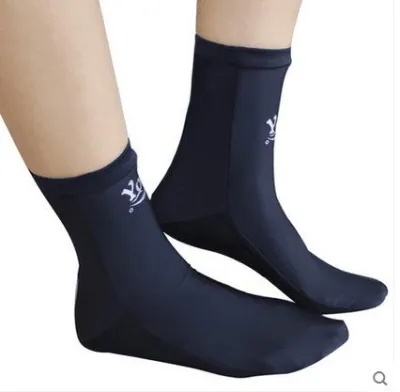
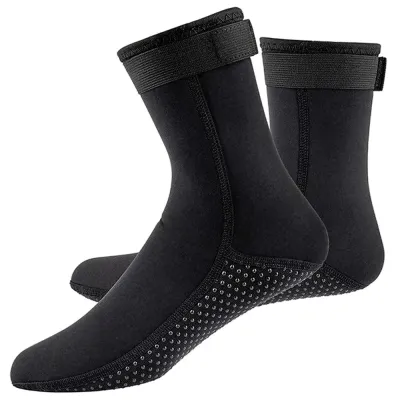
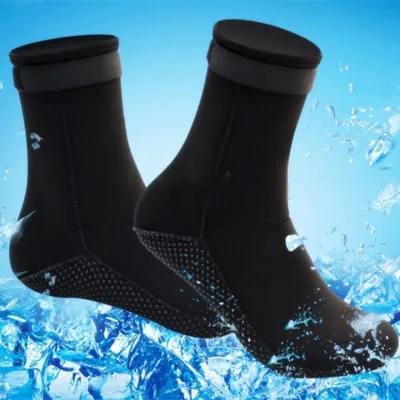
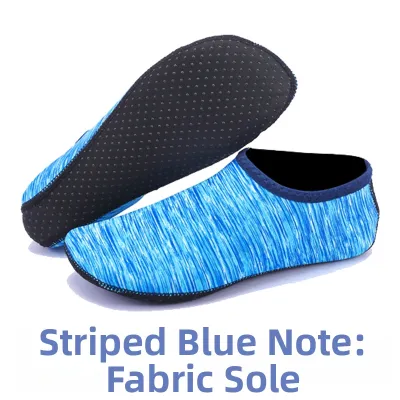
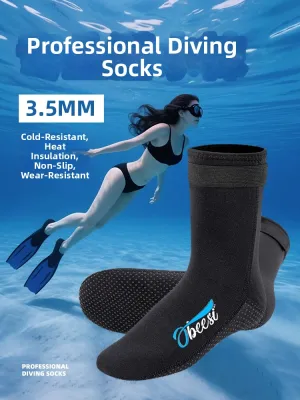
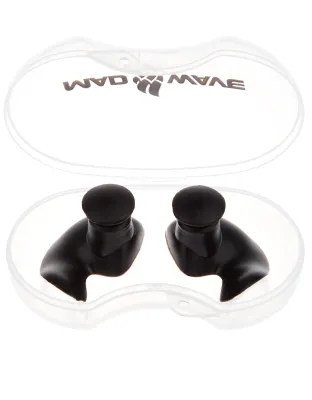
Prices are valid at publication and may change. Please refer to the product page for the latest price.
The Mask: Your Window to the Underwater World
A low-volume mask with a soft, high-grade silicone skirt and tempered glass lenses is the single most critical investment you will make. The volume refers to the amount of air space inside the mask; a lower volume is much easier to clear if water leaks inside. The silicone skirt is what creates the seal against your face; high-quality silicone conforms to your unique facial structure, preventing water from seeping in.
When shopping for a mask, prioritize the physical fit over brand names, colors, or aesthetic designs. A proper facial seal is the only thing standing between you and a frustrating, water-logged swim. Avoid cheap plastic lenses, which scratch easily and fog up instantly, and look for tempered glass, which offers superior clarity and safety. A reliable entry-level mask typically costs between S$40 and S$80, making it a highly accessible first purchase.
The Snorkel: Breathing Comfortably on the Surface
The snorkel allows you to breathe continuously while keeping your face submerged, letting you observe marine life without constantly lifting your head. Snorkels generally fall into three categories: classic J-tubes, semi-dry, and full-dry models.
Classic J-tubes are simple open pipes that allow water to enter freely when splashed by waves or when you submerge. Semi-dry snorkels feature a splash guard at the top to deflect surface spray and a purge valve at the bottom, which allows you to clear any water that does enter with a quick, sharp exhale. This is generally the sweet spot for beginners, balancing simplicity with effective water protection. Full-dry snorkels use a float valve mechanism that seals the tube completely when submerged. While this prevents all water entry, the mechanism can sometimes jam if sand or grit gets trapped inside, causing sudden breathing resistance. Beginners should focus on semi-dry options to avoid over-complicating their gear.
The Fins: Efficient Propulsion and Safety
Fins provide the necessary thrust to navigate currents, conserve your energy, and keep your hands free. Without fins, swimming against even a mild current can quickly exhaust you, creating a serious safety hazard.
You must choose between full-foot fins and open-heel fins. Full-foot fins are lightweight, slip on like shoes, and are ideal for warm water and boat entries. Open-heel fins feature adjustable straps and are designed to be worn with neoprene booties. This setup is highly recommended for shore entries, rocky beaches, or environments where walking to the water requires foot protection. For casual surface swimming, select shorter, more flexible blades. Long, rigid freediving fins require advanced leg strength and specific kicking techniques; using them without training can lead to rapid muscle fatigue and severe cramping.
Comfort and Protection: Highly Recommended Add-Ons
Once you have secured the core trio, a few non-mechanical accessories can dramatically improve your comfort, protect your skin, and extend the lifespan of your gear. These additions are highly cost-effective and address the physical challenges of spending hours in the water.

Rash Guards and UV Swimwear
Physical sun protection is indispensable when spending extended periods floating on the surface. Your back, shoulders, and the back of your legs are constantly exposed to intense tropical sunlight, which can cause severe sunburns before you even realize it. A high-quality rash guard with a certified Ultraviolet Protection Factor (UPF) of 50+ provides a reliable physical barrier against UV rays. This physical protection reduces your reliance on sunscreen and shields your skin from minor stings caused by drifting jellyfish or hydroids.
Reef-Safe Sunscreen
For exposed areas like your face, neck, and the backs of your hands, always choose mineral-based, reef-safe sunscreen. Traditional chemical sunscreens contain compounds like oxybenzone and octinoxate, which have been shown to contribute to coral bleaching and damage delicate marine ecosystems. Look for active ingredients like non-nano zinc oxide or titanium dioxide, which sit on top of the skin to reflect UV light without washing off and harming the reef.
Anti-Fog Solutions
A fogged mask can ruin an entire snorkeling session, forcing you to constantly stop and clear your lenses. While commercial anti-fog drops are highly effective and widely available, simple household alternatives like diluted baby shampoo (mixed with water in a small spray bottle) work exceptionally well. Apply a few drops to the inside of the dry lenses, rub it gently across the glass, rinse it quickly in the water right before putting the mask on, and enjoy clear, uninterrupted vision.
Mesh Gear Bag
Storing wet gear in enclosed plastic bags promotes the rapid growth of mold, mildew, and unpleasant odors, which can degrade silicone and fabric components. A breathable mesh gear bag allows water to drain freely and air to circulate. For those planning trips to local spots like Singapore’s Sisters’ Islands Marine Park or regional reefs, a mesh bag makes it incredibly easy to rinse your entire set of gear with fresh water while it is still inside the bag, then hang it up to dry completely in a shaded, well-ventilated area.
Optional Upgrades: Snorkeling Gear You Can Skip for Now
It is easy to get swept up in the excitement of buying advanced diving snorkeling accessories, but many items marketed to beginners are unnecessary or even counterproductive. Skipping these upgrades initially keeps your gear lightweight and prevents dangerous distractions.
Weight Belts
Weight belts are designed for scuba divers and freedivers to counteract the natural buoyancy of their bodies and wetsuits, allowing them to remain submerged. For a beginner snorkeler, buoyancy is your primary safety net. Staying afloat naturally on the surface allows you to breathe easily and rest when tired. Wearing a weight belt without professional training is highly dangerous, as it can drag you underwater and make swimming back to the surface exhausting.
Dive Computers and Advanced Gauges
These sophisticated electronic devices track depth, nitrogen absorption, and decompression limits for deep scuba diving. For shallow reef viewing and surface snorkeling, they are entirely unnecessary. A simple, reliable waterproof watch is more than sufficient for keeping track of your time in the water and ensuring you do not miss your boat or group departure.
Underwater Cameras and Action Mounts
Capturing high-definition footage of marine life is a tempting goal, but managing a camera requires excellent buoyancy control and situational awareness. Beginners who focus on photography too early often neglect their breathing, lose track of their position relative to the boat or reef, and accidentally kick or step on fragile coral. Focus on mastering your basic swimming and snorkeling skills before adding the distraction of a camera.
Inflatable Snorkel Vests
It is crucial to distinguish between a proper life jacket and an inflatable snorkel vest. A certified life jacket is designed to keep an unconscious person face-up in the water and is mandatory for non-swimmers or rough sea conditions. A snorkel vest, on the other hand, is a minor buoyancy aid that you inflate or deflate manually to adjust your position. Beginners should rely on their natural swimming skills in calm waters, or wear a certified life jacket if they lack water confidence, rather than relying on a manual inflation vest.
How to Fit and Test Your Snorkeling Gear Before Your Trip
Buying the right accessories is only half the battle; ensuring they fit your body correctly is vital for safety and comfort. You should always test your gear at home or in a controlled environment like a swimming pool before heading out to the open ocean.
The Mask Suction Test
To verify that your mask will not leak, perform a simple dry test. Move your hair out of the way, place the mask gently on your face without using the strap, and inhale lightly through your nose. If the mask seals properly, it should stay firmly on your face without sliding off, even when you tilt your head down. If you feel air leaking in around the temples, nose, or mouth, the mask is a poor match for your facial structure.
Snorkel Mouthpiece Check
Place the snorkel mouthpiece in your mouth and bite down gently on the silicone tabs. The mouthpiece should sit comfortably without requiring you to clench your jaw, which can cause severe fatigue and headaches after thirty minutes of swimming. Ensure the snorkel tube aligns naturally with the side of your head when attached to your mask strap, keeping the top of the tube pointed straight up when your face is in the water.
Fin Fit Verification
Your fins should fit snugly without pinching your toes or restricting blood flow. Walk a few steps on a clean surface or sit and kick your legs to check for any friction points. If you plan to wear neoprene socks or booties with open-heel fins, always perform this fit test with the socks on. Any slipping or tight spots will quickly turn into painful blisters once exposed to saltwater and sand.
Stop and Exchange Conditions
If you experience persistent leaking, jaw pain, foot cramps, or restricted circulation during your home tests, do not attempt to “push through” the discomfort in the ocean. These are clear stop conditions. Exchange the ill-fitting item immediately for a different size or model to avoid safety hazards in deep water.
Common Beginner Mistakes and Safety Boundaries
Avoiding common purchasing traps and respecting your physical limits are the final steps to ensuring a successful snorkeling journey. No amount of high-end gear can replace basic water safety and realistic self-assessment.
Avoiding Cheap Plastic Gear
Many department stores sell inexpensive, low-quality snorkeling sets made of rigid plastics instead of high-grade silicone and tempered glass. These masks seal poorly, fog up constantly, and the brittle plastic straps break easily under tension. Investing slightly more in proper, dive-grade materials ensures a reliable seal and a significantly safer experience.
Over-Finning
Beginners often make the mistake of buying long, stiff freediving fins, believing they will swim faster. However, these specialized fins require advanced kicking techniques (such as straight-leg hip kicks) and significant muscle conditioning. For casual snorkeling, long blades will quickly exhaust your legs, leading to painful cramps that can leave you stranded far from shore.
Safety and Ability Boundaries
It is vital to remember that snorkeling accessories are tools to assist you, not safety guarantees. They cannot replace swimming ability, cardiovascular fitness, or water safety judgment. Before entering the water, always assess local conditions, including wave height, wind, and currents. Never snorkel alone, always stay close to your group or shore, and if you are not a confident swimmer, wear a certified life jacket. If conditions look unfavorable or you feel fatigued, stop immediately and return to safety.
Frequently Asked Questions (FAQ)
Can I rent snorkeling gear instead of buying it for my first trip?
Renting gear is a cost-effective option if you are only planning to snorkel once or have extremely limited luggage space. However, rental gear is heavily used, and finding a mask that seals perfectly to your unique face shape can be difficult. Hygiene is also a major concern, as rental snorkels are shared among hundreds of users.
For the best balance of comfort, hygiene, and budget, we recommend purchasing your own personal mask and snorkel before your trip. These items are compact, lightweight, and guarantee a perfect, hygienic fit. You can then rent fins and other bulky items at your destination to save luggage space.

Community discussion
Share your experience or ask a question. Comments are reviewed before publication.