
To explore the underwater world safely and comfortably, a beginner needs three core items: a properly fitted mask, a reliable swim snorkel, and a pair of suitable fins. While the temptation to buy a complete, all-in-one package from an online marketplace is strong, selecting gear based on individual fit and comfort is critical for safety. Equipment cannot replace proper water confidence, swimming ability, or professional instruction. Before entering open water, every snorkeler must understand their personal limits and ensure their gear is thoroughly tested. In tropical waters, such as those around Singapore’s southern islands or regional reefs, having gear that fits perfectly prevents panic and ensures a relaxed, enjoyable experience.
Building Your Core Kit: Mask, Swim Snorkel, and Fins
The core snorkeling kit consists of three non-negotiable pieces of equipment: the mask, the swim snorkel, and the fins. Each component serves a distinct purpose, and they must work together seamlessly to ensure your safety, comfort, and mobility in the water. The mask provides a clear pocket of air in front of your eyes, allowing you to see underwater. The swim snorkel acts as your airway, enabling you to breathe continuously while keeping your face submerged. The fins provide the necessary propulsion, allowing you to navigate mild currents and move through the water with minimal effort.
Understanding how these items interact is essential for a safe dive. A failure in one component can quickly compromise the others. For instance, if your mask does not seal properly and begins to leak, you will be forced to lift your head to clear it, which disrupts your breathing rhythm through the swim snorkel. This disruption can lead to water inhalation and sudden panic. Therefore, achieving a proper, watertight seal for both the mask and the snorkel mouthpiece is your first line of defense against water inhalation.
Products mentioned in this guide
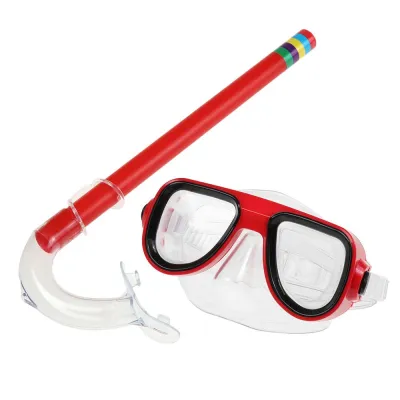
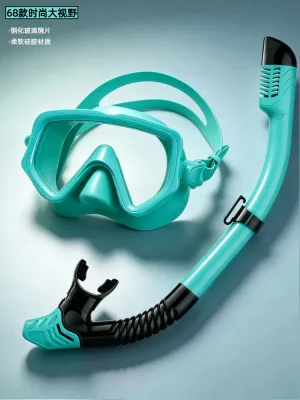
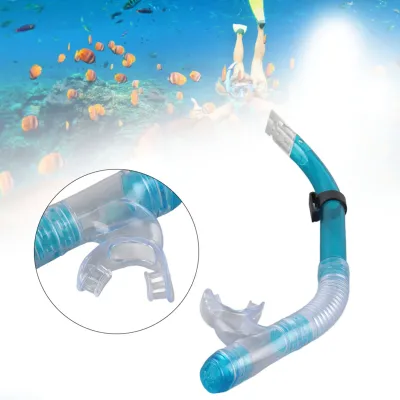
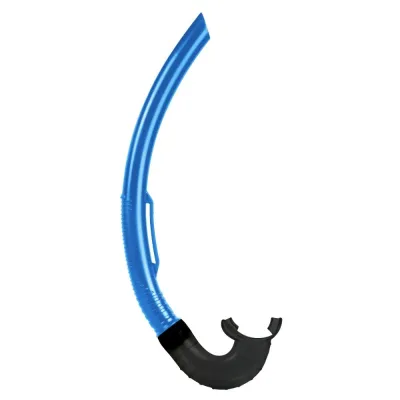
Prices are valid at publication and may change. Please refer to the product page for the latest price.
Similarly, your choice of fins directly impacts your energy conservation and mobility. Fins are not designed for high-speed racing; rather, they are tools to help you conserve energy. The length of the fin blade and the design of the foot pocket must match your physical strength and swimming ability. Choosing fins that are too stiff or too long can quickly exhaust your leg muscles, leading to painful cramps that can leave you stranded in deep water. By selecting a balanced core kit, you ensure that your body remains relaxed and your breathing stays steady throughout your session.
Finding a Leak-Free Mask
Finding a mask that fits your unique face shape is the most critical step in building your snorkeling kit. Do not rely on brand names, aesthetic designs, or marketing claims of a universal fit. Because facial structures vary widely, a mask that works perfectly for one person may leak constantly on another. The key to a dry, comfortable dive is a high-quality silicone skirt that conforms to the contours of your face.
To evaluate a mask’s fit without relying on the strap, perform the inhale test. Clear any hair away from your forehead and cheeks, as even a few strands can break the seal. Place the mask gently against your face without putting the strap over your head. Inhale slightly through your nose and hold your breath. If the mask seals instantly and remains in place when you let go, the silicone skirt matches your facial structure. If you feel air leaking in around your temples, cheeks, or under your nose, the mask will leak water when you are in the sea.
Beyond the seal, you must check your field of vision and accessibility. Look around while wearing the mask to ensure you have a wide, unobstructed view. This is important for maintaining spatial awareness and keeping track of your snorkeling buddy. Additionally, ensure you can easily pinch your nose through the nose pocket. This manual accessibility is vital for equalizing the pressure in your ears as you swim downward, even if you only descend a few feet below the surface. Finally, evaluate the strap adjustments. The buckles should operate smoothly, and the strap should sit flat against the crown of your head, pulling the mask snugly but not tightly against your face.
Picking the Right Swim Snorkel
The swim snorkel is your lifeline to the surface, and choosing the right design can significantly reduce breathing resistance and water entry. Beginners typically choose between three primary designs: classic J-tubes, semi-dry snorkels, and dry-top snorkels. Each design performs differently depending on surface conditions and your comfort level in the water.
A classic J-tube is a simple, open-ended pipe. It offers the least breathing resistance but provides no protection against waves or splashes, meaning any water that washes over the top will enter the tube directly. A semi-dry snorkel features a splash guard at the top, which deflects surface spray and wind-blown water, though it will still fill if you submerge your head. A dry-top swim snorkel utilizes a float valve mechanism at the opening. When a wave washes over the top or you submerge, the valve slides shut, preventing water from entering the tube. This dry-top design is highly recommended for beginners because it minimizes the risk of accidental water inhalation.
When selecting a swim snorkel, pay close attention to the mouthpiece and the purge valve. The mouthpiece should be made of soft, food-grade silicone and fit comfortably in your mouth. If the mouthpiece is too large or requires you to bite down hard to keep it in place, you will quickly experience jaw fatigue and soreness. Additionally, verify that the snorkel has a one-way purge valve at the bottom of the tube. This valve allows you to easily clear any water that does enter the snorkel by exhaling sharply, forcing the water out through the bottom rather than up and out of the top.
Sizing Your Fins for Comfort and Control
Fins are essential for translating your leg movements into efficient forward motion, allowing you to swim against mild currents without exhausting yourself. When choosing fins, you must decide between full-foot and open-heel styles, while also considering blade stiffness and overall fit.
Full-foot fins are designed to be worn bare-foot, slipping onto your feet like a shoe. They are lightweight, compact, and highly efficient, making them excellent for warm tropical waters where you can enter the sea directly from a boat or a sandy beach. Open-heel fins feature an adjustable strap at the back and are designed to be worn with neoprene dive boots. This style is highly beneficial if you must walk over hot sand, sharp rocks, or rough shores to reach your entry point. However, they are bulkier and require the additional purchase of boots.
Blade stiffness is another critical factor for beginners. Stiff blades provide powerful propulsion but require significant leg strength and can quickly cause muscle cramping if you are not accustomed to the kicking motion. Beginners should opt for flexible, medium-length blades that offer a balance of propulsion and ease of movement. Finally, ensure a snug but comfortable fit. The foot pocket should hold your foot securely without pinching your toes or restricting blood circulation. If the fin is too loose, it will rub against your skin, causing painful friction blisters and potentially slipping off in deep water.
Evaluating Optional Add-Ons: Sun Protection and Flotation
While the core trio of mask, swim snorkel, and fins is essential, several optional add-ons can significantly enhance your safety, comfort, and overall experience. These items should be evaluated based on your personal swimming confidence, the local environment, and weather conditions.

Sun protection is a primary concern when snorkeling, as you will spend extended periods floating face-down on the water’s surface. A high-quality rash guard or a thin neoprene wetsuit is highly recommended. In tropical climates, the sun’s rays can cause severe burns on your back, shoulders, and the backs of your legs. A rash guard provides physical UV protection without the need for constant sunscreen reapplication. It also shields your skin from minor stings from jellyfish or sea firs. If you plan to snorkel in cooler waters, a thin wetsuit provides essential thermal insulation while adding a small amount of natural buoyancy.
For beginners or those who are not strong swimmers, flotation aids are indispensable safety tools. A dedicated snorkeling vest or a flotation belt provides adjustable buoyancy, allowing you to float effortlessly at the surface without kicking. This helps conserve your energy, reduces anxiety, and allows you to rest comfortably whenever needed. Finally, managing mask fog is crucial for a clear view. Avoid harsh chemical defoggers that can irritate your eyes or damage marine ecosystems. Instead, use eco-friendly, biodegradable anti-fog drops, or a highly diluted mixture of baby shampoo and fresh water. Applying a small drop to the dry inner lens and rinsing it quickly before entering the water keeps your vision clear.
Buy vs. Rent: What to Own and What to Borrow
For a complete beginner, deciding whether to invest in personal gear or rely on rental equipment is a common dilemma. The decision should be guided by hygiene, fit, travel logistics, and how often you plan to use the equipment.
Owning your own mask and swim snorkel is highly recommended, even for your very first snorkeling trip. A personal mask can be carefully selected and tested to ensure a perfect, leak-free fit on your face, which rental shops rarely guarantee. From a hygiene perspective, having your own swim snorkel means you are the only person breathing through the mouthpiece, avoiding the shared use of rental gear. These two items are also lightweight and compact, making them easy to pack in your personal luggage.
Fins, on the other hand, are bulky and heavy, making them less convenient for travel. If you are traveling by air and only plan to snorkel once or twice during a vacation, renting fins at your destination is often the most practical choice. Rental shops usually have a wide range of fin sizes available, allowing you to borrow them for a low fee without sacrificing valuable luggage space. However, if you have unusually small or large feet, or if you plan to snorkel frequently from local shores, investing in a compact pair of travel-friendly fins is a worthwhile decision.
Pre-Dive Checks: Testing Your Gear in Shallow Water
Before heading out into open water, it is essential to conduct a thorough pre-dive check in a controlled, shallow environment, such as a swimming pool or a calm, waist-deep sandy beach. Equipment cannot replace training, and testing your gear beforehand ensures you can handle common situations calmly.
Begin by practicing mask and snorkel clearing in waist-deep water. Put on your mask, submerge your face, and intentionally let a small amount of water enter. Practice pressing the top frame of the mask against your forehead while exhaling gently through your nose to purge the water out of the bottom of the skirt. Next, submerge your swim snorkel completely, then practice exhaling sharply to clear the water through the purge valve. Getting accustomed to breathing solely through your mouth while your nose is enclosed can feel unusual at first; spend a few minutes floating face-down in the shallows to establish a slow, steady breathing rhythm.
While in the shallows, practice your finning technique. Keep your legs relatively straight and kick slowly from your hips rather than bending your knees excessively, which wastes energy. This is also the time to adjust your buoyancy aid and ensure your straps are secure. Always establish clear stop conditions before you swim into deeper water. If you experience persistent mask leaks, strap slippage, unexpected breathing resistance, or feelings of anxiety, stop immediately. Stand up in the shallow water, adjust your gear, and do not proceed until you feel completely comfortable and secure.
Frequently Asked Questions (FAQ)
How do I prevent my mask from fogging up during a dive?
To prevent fogging, you must first clean a new mask thoroughly to remove the thin layer of manufacturing silicone from the glass lenses. Before each snorkeling session, apply a drop of eco-friendly defogging solution or a highly diluted mixture of baby shampoo and fresh water to the dry inner lenses. Rub the solution gently across the glass, then rinse it briefly in fresh water. Avoid touching the inside of the lenses with your bare fingers after rinsing, as skin oils can attract moisture and cause fog to form during your swim.
Can I use my swimming goggles instead of a snorkeling mask?
No, standard swimming goggles are not suitable or safe for snorkeling. Swimming goggles do not enclose your nose, which means you cannot exhale into them to equalize the pressure as you descend. This can lead to painful eye squeeze even at shallow depths. Additionally, goggles lack a rigid frame to securely attach a snorkel keeper, and they offer a much narrower field of vision compared to a dedicated snorkeling mask, making it harder to stay aware of your surroundings.

Community discussion
Share your experience or ask a question. Comments are reviewed before publication.