
Hiking in Singapore’s lush nature reserves, like Bukit Timah or MacRitchie, offers beautiful tropical scenery but presents unique environmental challenges. To stay safe, your survival first aid kit must be specifically tailored to combat intense heat, high humidity, sudden downpours, and local wildlife. A standard off-the-shelf kit often falls short because typical adhesive bandages peel off in minutes under heavy sweat, and standard packaging can degrade rapidly in tropical moisture. Your kit must prioritize rapid rehydration, robust waterproof wound care, reliable insect protection, and moisture-resistant storage. Remember that while a well-stocked kit is essential, it cannot replace proper trail judgment, physical preparation, and basic first aid training.
Understanding Tropical Trail Hazards and First Aid Needs
Singapore’s equatorial climate means temperatures consistently hover around 30°C or higher, accompanied by relative humidity levels that frequently exceed 80 percent. This combination severely limits the body’s ability to cool itself through sweat evaporation, making hikers highly susceptible to heat-related illnesses. Understanding the progression from mild dehydration to heat exhaustion and life-threatening heatstroke is critical for any trail user. Early signs like heavy sweating, dizziness, headache, and muscle cramps require immediate intervention before they escalate into confusion or loss of consciousness.
High humidity also fundamentally changes how we manage physical injuries on the trail. In a damp environment, minor cuts, scrapes, and insect bites are highly prone to bacterial infections because moisture encourages microbial growth. Furthermore, wet skin is significantly softer and more vulnerable to friction, leading to rapid blister formation on the feet and painful chafing along pack straps or undergarments.
Products mentioned in this guide
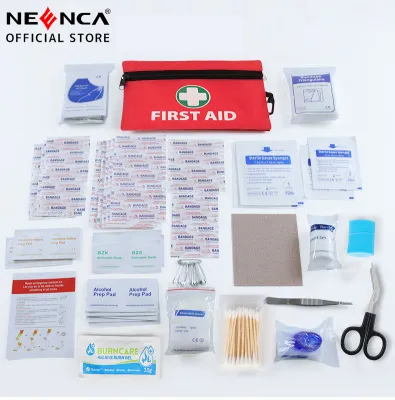
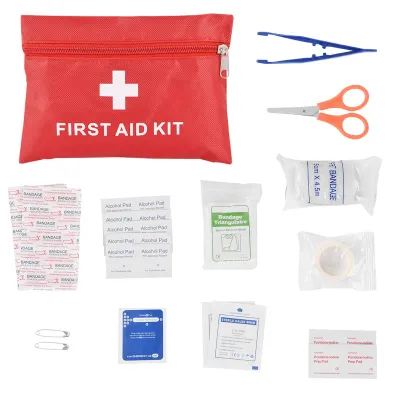
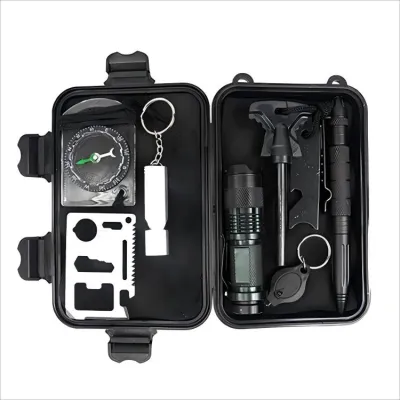
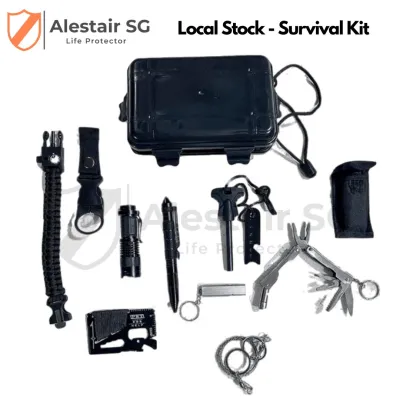
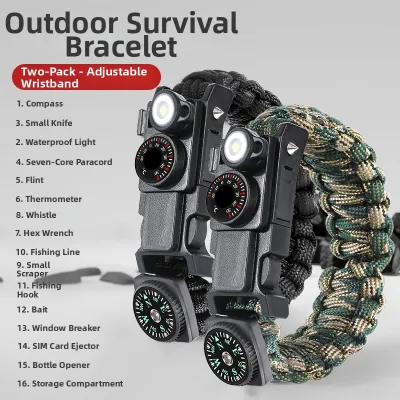
Prices are valid at publication and may change. Please refer to the product page for the latest price.
The local terrain presents specific biological hazards that demand targeted first aid responses. Dense foliage along trails like the Southern Ridges or Chestnut Nature Park is home to biting insects, ants, and, in wetter areas, leeches. While these encounters are rarely life-threatening, the resulting scratches can easily become infected if left untreated in the humid air, making prompt disinfection and protection a priority.
Core Medical Supplies for Heat and High Humidity
To address the constant threat of dehydration and heat-induced cramping, oral rehydration salts (ORS) are the most critical medical supply in your tropical kit. These pre-measured powder packets contain a precise balance of glucose and electrolytes that facilitate rapid fluid absorption in the small intestine. When mixed with clean drinking water, they restore systemic balance far more effectively than plain water alone during acute heat stress.

Wound care in the tropics requires specialized materials that can withstand heavy perspiration and sudden tropical downpours. Standard fabric or plastic adhesive bandages quickly lose their grip when exposed to sweat, so your kit should feature high-adhesion waterproof dressings and cohesive flexible bandages that stick to themselves rather than wet skin. Pair these with individually wrapped antiseptic wipes containing chlorhexidine or povidone-iodine to thoroughly cleanse wounds before sealing them.
Blister management is another essential component of your moisture-resistant medical inventory. Hydrocolloid blister pads are highly effective because they cushion the damaged skin while creating a sealed, sterile environment that promotes healing even in damp conditions. Additionally, carrying a small tube of anti-chafing balm or medical-grade zinc oxide cream helps prevent friction injuries before they start, protecting vulnerable skin barriers during long treks.
Essential Survival Tools for Tropical Conditions
Hydration is your primary line of defense against the tropical elements, meaning your kit must include reliable water purification methods alongside your standard water bottles. While Singapore’s main trails often have accessible water points, remote paths or emergencies require the ability to treat raw water. Compact chemical purification tablets or a lightweight hollow-fiber membrane filter ensure you can safely replenish your water supply from natural streams if you are delayed.
Navigation and signaling tools are vital when dense canopy cover or sudden heavy rain reduces visibility on the trail. A loud, pea-less whistle is an indispensable, lightweight signaling device that functions perfectly even when wet, allowing you to call for help without exhausting yourself. Complement this with a compact, waterproof LED headlamp to navigate safely if your hike extends past dusk, as tropical forests grow dark incredibly quickly once the sun sets.
Protecting yourself from local fauna and the elements requires a few multi-purpose survival items. A high-concentration DEET or picaridin insect repellent is essential for preventing mosquito and tick bites, while a soothing antihistamine cream or calamine lotion provides immediate relief if bites do occur. Finally, pack a lightweight emergency foil blanket or a compact poncho; these take up minimal space but offer crucial shelter from sudden, torrential downpours that can cause rapid cooling if you are forced to remain stationary.
Packing and Maintaining Survival Kits in High Humidity
The method you use to pack your first aid supplies is just as important as the items themselves, as tropical humidity can ruin unprotected medical gear long before you ever need to use it. Store your entire kit in a dedicated waterproof dry bag with a secure roll-top closure, or use a durable, gasket-sealed hard case. This double-layer protection prevents ambient moisture, sweat, and heavy rain from penetrating your sterile supplies and degrading adhesive backings.
Inside your waterproof container, organize your supplies logically using clear, resealable plastic bags to categorize items by emergency type. Group wound care, rehydration supplies, and survival tools separately so you can locate exactly what you need in a high-stress situation without exposing the rest of your kit to the damp air. Labeling these sub-packets clearly ensures that even a hiking companion unfamiliar with your kit can assist you quickly.
Maintaining your kit requires a disciplined inspection routine because the combination of heat and humidity accelerates the degradation of plastics, adhesives, and medications. Set a recurring calendar reminder to inspect your kit, checking for compromised sterile seals, sticky residue on bandages, and expired oral rehydration packets. Replace any suspect items immediately to ensure that your kit remains fully functional when an emergency arises.
Adapting Your First Aid Kit for Different Hiking Scenarios
Your survival first aid kit should never be a static, one-size-fits-all package; instead, scale its contents based on the duration and nature of your hike. For a short, well-traveled day hike along MacRitchie Reservoir, a compact, lightweight kit focusing on hydration salts, basic blister care, and insect relief is usually sufficient. For longer, more demanding treks through areas like the Western Water Catchment, you should expand your inventory to include extra wound dressings, additional water purification tools, and a more comprehensive selection of emergency signaling gear.
If you plan to hike in a group, designate one primary, comprehensive first aid kit while ensuring every individual carries basic personal items like rehydration salts and personal medications. This distribution of weight prevents any single hiker from being overburdened while ensuring that critical survival tools are duplicated across the group. Always balance the comprehensive nature of your kit against your physical carrying capacity, as an excessively heavy pack increases fatigue and elevates the risk of heat exhaustion or physical injury.
Frequently Asked Questions (FAQ)
How often should I inspect my first aid kit for expired items?
In Singapore’s hot and humid climate, you should thoroughly inspect your survival first aid kit at least once every three to six months. The elevated ambient temperature and moisture can cause adhesive backings on bandages to melt, sterile packaging seals to fail, and liquid medications or creams to separate and lose efficacy. During your inspection, carefully examine each item for signs of moisture ingress, discoloration, or compromised packaging, and promptly replace any expired or degraded supplies.
Can I use regular bandages instead of waterproof ones in the tropics?
Regular fabric or plastic bandages are highly prone to peeling off almost immediately due to heavy sweating and high humidity, leaving wounds exposed to dirt and bacteria. In tropical environments, waterproof bandages or cohesive wraps are strongly recommended because they maintain their adhesion even when submerged or covered in sweat. If you must use a standard bandage, ensure the surrounding skin is completely clean and dry before application, and consider reinforcing it with waterproof medical tape to prevent it from slipping off.
Community discussion
Share your experience or ask a question. Comments are reviewed before publication.