
A successful trip to the pool depends on how you transport your gear. A standard backpack often leaves you with damp clothes and scratched goggle lenses by the time you get home. To keep your swimwear, goggles, and silicone caps organized and protected, a dedicated swim bag must offer reliable wet-dry separation, specialized impact protection, and breathable, chlorine-resistant materials. Choosing the right bag requires looking closely at how these features handle the humid, chemical-heavy environment of local pools.
Isolating Damp Gear: Wet and Dry Separation Features
After a swim, your wet swimsuit and cap carry residual pool water that can quickly ruin dry clothes, towels, or electronics in the same bag. Dedicated wet-dry separation is the most critical feature. High-quality swim bags feature built-in waterproof compartments lined with polyurethane (PU) or thermoplastic polyurethane (TPU). These materials act as a barrier, keeping moisture locked inside the designated wet zone.
When evaluating these compartments, check the closure mechanisms and seams. Welded or sealed seams prevent water from seeping through needle holes, unlike standard stitched seams. Roll-top closures and waterproof zippers provide security against leaks. If a bag relies on standard zippers, residual water may slowly drip out when the bag is tilted.
Products mentioned in this guide
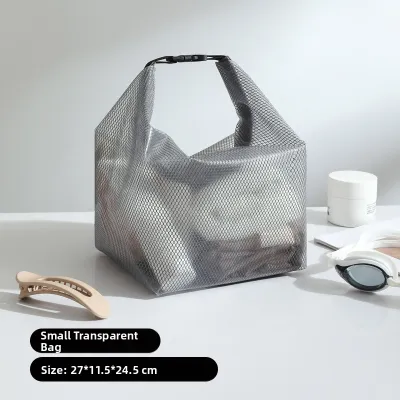
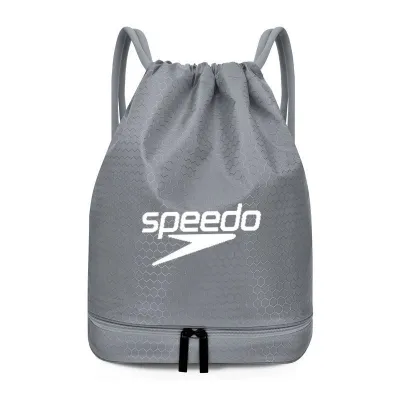

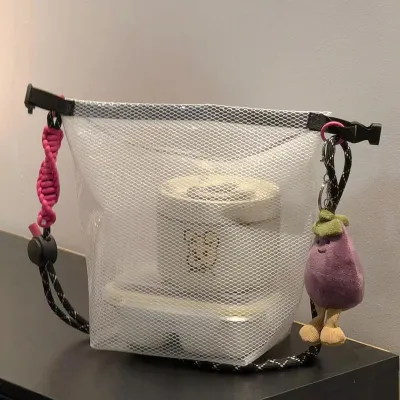

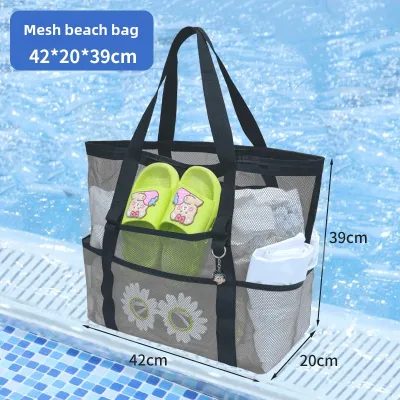

Prices are valid at publication and may change. Please refer to the product page for the latest price.
You can choose between a fully waterproof bag and a water-resistant bag with a removable wet pouch. Fully waterproof bags offer excellent protection but tend to be heavier and less breathable, trapping odors if gear is left inside. Water-resistant bags with removable wet sleeves offer more flexibility. You can take the wet pouch out to dry separately, keeping the main bag lightweight for daily use.
Preventing Scratches and Crushing: Goggle Protection Features
Swim goggles are vulnerable to physical damage, particularly scratches on the outer lenses and degradation of the inner anti-fog coating. Placing them loose in a main compartment alongside keys or water bottles leads to premature wear. To prevent this, look for a swim bag with a dedicated, protective pocket for eyewear.

The goggle compartment should offer structural rigidity or soft cushioning. Some bags incorporate a molded, hard-shell outer pocket that resists crushing when the bag is packed tightly or placed on a hard poolside bench. Inside, a soft fleece or microfiber lining prevents abrasive contact with the lenses. If a hard pocket is not available, look for suspended interior sleeves that keep your goggles near the top of the bag, away from heavy items.
Verify that the protective pocket is spacious enough for your specific eyewear style. Low-profile racing goggles fit into almost any small compartment, but larger recreational swim masks require wider, deeper pockets. A compartment with a secure zipper ensures your goggles remain stationary during transit, preventing them from rubbing against other accessories.
Choosing Materials and Ventilation for Poolside Durability
The humid environment of pools, combined with exposure to chlorine and saltwater, can degrade standard fabrics. To ensure your swim bag lasts through regular use, prioritize durable synthetic materials. Heavy-duty polyester and nylon, particularly those with a high denier rating, resist tearing and abrasion on rough poolside surfaces. These fabrics should be treated with a water-resistant coating to prevent external splashes from soaking through.
Ventilation is as important as water resistance for hygiene. A completely sealed bag holding damp gear quickly becomes a breeding ground for mold, mildew, and odors. Look for bags with mesh panels, metal grommets, or ventilated bases. These features facilitate airflow, allowing moisture to evaporate during your commute. This is crucial for preserving silicone swim caps, which can stick together and degrade if packed away wet without airflow.
Inspect the hardware and construction details of the bag. Chlorine and moisture corrode standard metals, so prioritize rust-resistant plastic zippers or coated metal pulls. Reinforced stitching at high-stress areas, such as where the shoulder straps meet the main body, is vital for carrying heavy loads. A reinforced, waterproof base made of rubberized material or tarpaulin also prevents water on the wet pool deck from seeping upward.
Matching Capacity and Organization to Your Swim Routine
The ideal size and layout of your swim bag depend on your routine and what you need to carry beyond the basic gear. If you only transport core essentials, a compact backpack or drawstring bag of 15 to 25 liters is sufficient. If your routine includes carrying a large towel, a change of clothes, toiletries, and training aids like kickboards, you will need a larger bag of 30 to 45 liters.
Effective organization relies on a smart distribution of pockets. Look for external mesh pockets for water bottles, alongside secure zippered compartments for keys, phones, and wallets. Specialized internal slots or small mesh pouches are useful for keeping track of tiny accessories like earplugs, nose clips, and anti-fog sprays.
Carrying comfort is crucial when the bag is fully loaded with wet gear. Look for wide, padded shoulder straps that distribute weight evenly across your shoulders. Backpack-style designs are more comfortable for longer commutes than single-strap duffel bags. Additionally, a chest strap or padded back panel reduces strain, while a sturdy top grab handle makes it easy to lift the bag off wet floors.
Frequently Asked Questions (FAQ)
How do I clean and maintain a swim bag to prevent chlorine damage?
To extend the lifespan of your swim bag, rinse it with clean, fresh water after use. This removes accumulated chlorine, salt, and pool chemicals that degrade fabric coatings and corrode zippers. Pay special attention to the wet compartment and mesh areas where damp gear has rested.
After rinsing, open all compartments and hang the bag to air-dry inside out in a well-ventilated, shaded area. Avoid direct sunlight, as ultraviolet exposure can weaken synthetic fibers and fade colors. Avoid harsh chemical detergents, bleach, machine drying, or direct heat, which can melt waterproof linings and damage structural components.
Can I use a regular gym bag instead of a dedicated swim bag?
While a standard gym bag can hold your gear, it lacks the specialized features required for wet environments. Regular gym bags are typically made of absorbent fabrics without waterproof linings, meaning wet swimwear will soak through, dampening other items and creating musty odors.
Furthermore, standard bags rarely feature ventilated compartments or protective pockets for delicate items. Without a rigid or padded sleeve, your swim goggles are vulnerable to being scratched or crushed by heavier items like water bottles or shoes. Investing in a dedicated swim bag ensures your gear remains protected, dry, and hygienic.

Community discussion
Share your experience or ask a question. Comments are reviewed before publication.