
Investing in high-end swim gear like mirrored racing goggles and elastane-rich tech suits requires an equally protective transport system. To shield these investments from scratches, structural damage, and fabric rot, a dedicated swimming bag must offer three non-negotiable features: a rigid or heavily padded goggle compartment with a scratch-free lining, reliable wet/dry separation through waterproof TPU compartments, and high-airflow ventilation to prevent mildew in humid climates. Transporting gear in a standard gym duffel or a plastic bag exposes delicate lens coatings to abrasive friction and traps destructive chlorine moisture, rapidly accelerating the breakdown of premium fabrics. Choosing the right swimming bag is not just about carrying convenience; it is a critical step in preserving the lifespan, fit, and optical clarity of your performance gear.
Quick Guide: Essential Features for Swim Gear Protection
High-performance swim gear requires specialized care during transit. Unlike basic recreational swimwear, premium gear—such as mirrored racing goggles with delicate anti-fog coatings and elastane-rich tech suits—is highly susceptible to physical and chemical degradation. A standard gym duffel or a simple plastic bag lacks the structural and material safeguards needed to protect these costly investments.
To ensure your premium equipment remains in peak condition, look for a swimming bag that incorporates three non-negotiable protective features:
Products mentioned in this guide

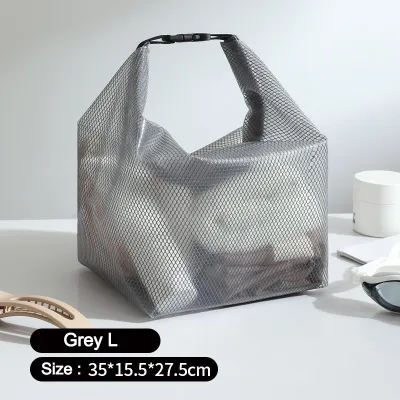
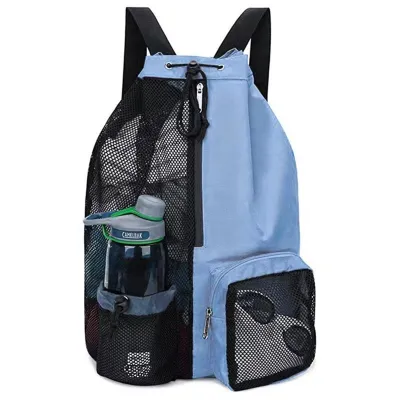


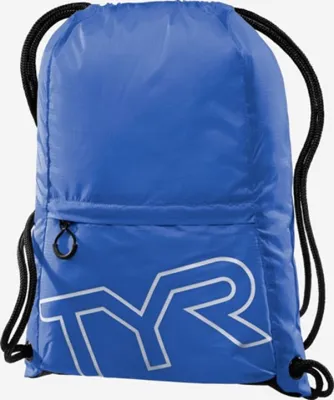
![[SG SELLER] VOZUKO Dry Bag Sports Waterproof Floating Shoulder Bag Backpack Lightweight Kayaking Swimming Camping Surf](https://img.lazcdn.com/g/p/59f4149ddf8cd839e0c3942ec0ce6810.jpg_400x400q80.jpg_.webp)
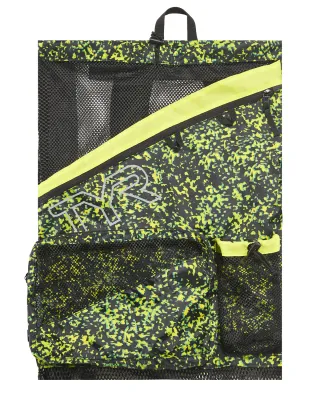
Prices are valid at publication and may change. Please refer to the product page for the latest price.
- Structured Goggle Protection: A dedicated, rigid hard-shell or heavily padded compartment that prevents crushing and features a soft, scratch-free lining.
- Advanced Wet/Dry Separation: Heat-sealed, waterproof TPU compartments or integrated dry sacks that isolate wet gear and prevent chlorine-laden moisture from transferring to dry items.
- High-Airflow Ventilation: Strategically placed mesh panels, breathable grommets, or detachable ventilated compartments that facilitate continuous air circulation, which is critical for preventing mildew and fabric rot in humid environments.
Investing in a purpose-built swimming bag is a direct extension of your gear maintenance routine, helping to preserve the elasticity, optical clarity, and overall lifespan of your equipment.
Bag Features That Protect Branded Goggles from Damage
Premium swim goggles, especially those designed for racing or open-water swimming, feature highly sensitive components. Mirrored exterior coatings can be easily scratched by contact with keys or rough fabrics, while internal anti-fog treatments can degrade if exposed to excessive friction or trapped moisture. Furthermore, the structural frame, nose bridge, and silicone gaskets of high-end goggles can warp or snap if subjected to external pressure inside a packed bag.

Hard-Shell or Padded Goggle Compartments
Flimsy, unpadded pockets offer virtually no protection against the accidental impacts common in crowded locker rooms, public transport commutes, or poolside environments. When selecting a swimming bag, prioritize designs that feature a built-in, semi-rigid hard-shell compartment or a heavily padded internal sleeve. These structured zones act as a protective vault, absorbing external pressure and preventing your goggles from being crushed under the weight of heavy towels, training fins, or water bottles.
Before purchasing, verify the internal dimensions of the goggle compartment. Oversized training goggles or low-profile, hydrodynamic racing goggles with extended side arms require different spatial configurations. Ensure the compartment allows your goggles to rest naturally without bending the frame, nose bridge, or silicone straps, as prolonged tension can cause permanent warping and compromise the watertight seal. Additionally, look for a secure closure mechanism, such as a heavy-duty, corrosion-resistant zipper or a robust snap fastener, to prevent the goggles from slipping out into the main body of the bag.
Scratch-Free Linings and Dedicated Storage
Even within a dedicated compartment, the interior lining material is critical to preventing micro-abrasions on delicate lens coatings. Look for compartments lined with ultra-soft materials such as microfiber, high-pile fleece, or smooth, high-density synthetic fabrics. These materials minimize friction and absorb residual moisture, protecting both the external mirrored finish and the internal anti-fog layer from wear during transit.
Never store your goggles in a general, unlined compartment alongside abrasive items like keys, metal zippers, hair clips, or plastic toiletry bottles. A single sharp edge can permanently gouge a polycarbonate lens, ruining your visibility in the water. Opt for a swimming bag that positions its dedicated goggle pocket near the top or outer perimeter of the bag, allowing for quick, hands-free access without requiring you to rummage through the rest of your gear.
Bag Features That Preserve Premium Swimwear
High-end swimwear, particularly competitive tech suits and daily training suits made from advanced elastane, spandex, or polyester blends, requires careful environmental control. Prolonged exposure to residual chlorine, trapped moisture, and high heat can rapidly break down elastic fibers, leading to a loss of compression, fabric thinning, and color bleeding.
Wet/Dry Separation and Waterproof Linings
Effective wet/dry separation is essential for isolating damp, chlorine-soaked, or saltwater-drenched gear from the rest of your dry clothing and electronics. Look for swimming bags equipped with dedicated wet compartments lined with Thermoplastic Polyurethane (TPU) or heavy-duty, PVC-free waterproof materials. The seams of these compartments should be heat-sealed or radio-frequency welded rather than stitched, ensuring a completely watertight barrier that prevents moisture from seeping into adjacent pockets.
Isolating your wet gear prevents the transfer of residual pool chemicals to dry activewear or towels stored in the main compartment. Chlorine is highly corrosive to elastane fibers; if a wet suit is compressed against dry fabrics, the chemical transfer can accelerate the degradation of both items. Ensure the wet compartment is spacious enough to accommodate a soaked tech suit, swim cap, and microfibre towel without requiring forceful compression, which can stretch seams and damage delicate bonded tape on competitive suits.
Ventilation and Mesh Panels for Humid Climates
In tropical, high-humidity environments like Singapore, trapping wet gear in a completely sealed, non-breathable plastic or nylon compartment is a recipe for rapid bacterial growth, mildew, and stubborn odors. Within just a few hours, a dark, damp, and warm environment can permanently damage the fabric fibers of your swimwear and leave an unpleasant scent that is incredibly difficult to wash out.
To combat this, look for bags that feature integrated ventilation systems, such as breathable mesh side panels, ventilated bottom grommets, or dedicated mesh wet pockets. These features promote continuous airflow, allowing moisture to evaporate naturally even while you are commuting. Some premium bags offer detachable mesh compartments that can be unclipped from the main bag and hung up to dry immediately upon arrival at your destination, providing a highly practical solution for busy swimmers.
Practical Organization Features for Swim Commuters
For swimmers who commute regularly between home, work, and the pool, a swimming bag must serve as a highly organized, durable mobile locker. Secondary organizational features play a critical role in preventing accidental damage to your premium gear while ensuring a comfortable, hassle-free commute.
- Toiletry and Chemical Isolation: Look for a bag with dedicated, leak-proof compartments for toiletries, shampoos, body washes, and anti-fog sprays. A single leaking bottle of shampoo or chemical spray can ruin the delicate fabric of a tech suit or dissolve the anti-fog coating on your goggles. Keeping these liquids completely isolated in a secure, wipe-clean pocket is essential.
- Exterior Durability and Weather Resistance: The exterior of your swim bag must withstand harsh poolside environments, wet benches, and sudden tropical downpours. Seek out bags constructed from high-denier polyester (such as 600D or 900D), heavy-duty nylon, or water-resistant tarpaulin. These materials prevent external water from soaking through to your dry gear and protect the bag from abrasive concrete pool decks.
- Ergonomic Carry Options: Carrying wet, heavy gear over long distances can place significant strain on your shoulders and back. Look for bags featuring wide, padded shoulder straps, breathable mesh back panels to reduce sweat, and adjustable chest or waist straps to distribute weight evenly. Backpack-style swim bags are highly recommended for public transport commuters, as they keep your hands free and reduce the risk of dropping the bag on hard surfaces.
- Reinforced Base Structure: A high-quality swimming bag should feature a structured, water-resistant, or rubberized bottom panel (often made of tarpaulin or molded plastic). This reinforced base allows the bag to stand upright on wet locker room floors without absorbing standing water, keeping the interior contents dry and preventing the bag from tipping over into puddles.
Recommended Swimming Bag Styles for Gear Protection
Depending on your swimming frequency, skill level, and daily commute, different bag styles offer distinct protective advantages and trade-offs. Matching the bag style to your specific routine is key to maximizing gear protection.
Structured Deck Bags for Competitors
Structured deck bags are large-capacity, highly rigid backpacks designed specifically for competitive swimmers and athletes who train with a wide array of equipment. These bags typically feature a reinforced, flat bottom that keeps the bag upright on pool decks, along with integrated fence-hanging hooks that allow you to suspend the bag off wet surfaces entirely. They often include multiple pre-formed, padded compartments designed specifically for multiple pairs of goggles, electronics, and spare swim caps.
- Suitability: Ideal for competitive swimmers, club athletes, and those who carry bulky training gear like kickboards, pull buoys, and fins.
- Limitation: Due to their rigid structure and high volume (often 40 to 45 liters), deck bags can be incredibly bulky, heavy, and cumbersome to carry on crowded buses or trains during peak commute times.
Premium Swim Backpacks for Daily Commuters
Premium swim backpacks offer a versatile compromise, combining the technical wet/dry organization of a sports bag with the sleek, ergonomic design of a daily commuter pack. These bags typically range from 25 to 35 liters and feature a balanced layout, including a ventilated wet compartment, a padded laptop or tablet sleeve, and a soft-lined top pocket for quick goggle access.
- Suitability: Perfect for lap swimmers, fitness enthusiasts, and professionals who commute directly from the office to the pool and need to carry both work essentials and swim gear.
- Limitation: While highly versatile, they may lack the rigid, hard-shell crush protection found in specialized deck bags. Swimmers using these bags are advised to supplement the soft goggle pocket with a separate, standalone hard goggle case for maximum safety.
Compact Mesh and Drawstring Bags for Minimalists
For casual swimmers or those who only carry a single swimsuit, cap, and pair of goggles, a lightweight mesh or drawstring bag offers maximum breathability and portability. These bags are constructed almost entirely of open-weave mesh, allowing for unmatched airflow and rapid drying times.
- Suitability: Excellent for casual lap swimmers, beachgoers, or as a secondary "wet bag" to hold damp gear inside a larger, dry backpack.
- Limitation: These bags offer absolutely zero crush protection, impact resistance, or waterproof isolation. If you choose a minimalist mesh bag, you must pack your goggles in a dedicated hard-shell case and keep any dry items completely separate to prevent them from getting soaked.
How to Pack and Maintain Your Swim Bag and Gear
Even the most advanced swimming bag requires proper packing habits and regular maintenance to function effectively and protect your premium gear over the long term. Adhering to a disciplined routine will prevent mold, fabric rot, and mechanical failures like stuck zippers. Remember that while premium gear and protective bags optimize your experience, safety in the water always depends on individual ability, training, and judgment.
First, always perform a pre-packing rinse. Before placing your swimwear, swim cap, and goggles into your bag, rinse them thoroughly in clean, cool, fresh water at the poolside shower. This simple step removes the bulk of the chlorine, salt, sand, and organic matter, preventing these corrosive elements from transferring to your bag’s interior linings, seams, and zippers.
Second, establish strict drying protocols. Never leave wet gear sitting in your bag overnight, even in a highly ventilated compartment. Immediately upon returning home, empty the bag completely. Hang your swimwear and goggles to dry in a shaded, well-ventilated indoor area away from direct sunlight, which can fade fabrics and degrade silicone seals. Open all the compartments of your swim bag, turn the wet pockets inside out if possible, and allow the bag to air-dry completely before your next swim.
Third, utilize supplemental protection when necessary. If your chosen bag does not feature a sufficiently rigid built-in goggle compartment, do not risk damage. Wrap your goggles in a soft microfiber cloth and store them inside a standalone, hard-shell EVA goggle case before placing them in your bag. This extra layer of defense is highly recommended for expensive mirrored or prescription lenses.
Finally, maintain your bag’s hardware. Pool chemicals and saltwater can quickly corrode metal zipper sliders and teeth, leading to stuck or broken zippers. Periodically rinse your bag’s zippers with fresh water to remove salt and chlorine residue, and apply a small amount of silicone-based zipper lubricant to ensure smooth operation. Always check the manufacturer’s care instructions for both your bag and your premium swim gear to ensure you do not void any warranties or damage specialized materials.
Frequently Asked Questions (FAQ)
Can I put my wet swimsuit in a plastic bag inside my swim bag?
No, you should avoid using standard plastic grocery bags for damp swimwear. Plastic bags trap moisture, heat, and residual chlorine in an airtight environment, creating a breeding ground for bacteria, mold, and mildew. This can lead to permanent, unpleasant odors and accelerate the breakdown of the delicate elastane and spandex fibers in premium swimwear. Instead, use a breathable, waterproof TPU pouch, a specialized mesh wet bag, or utilize your swimming bag’s built-in ventilated wet compartment to allow moisture to escape.
How do I clean a smelly swimming bag?
To clean a swim bag that has developed odors, hand-wash it in lukewarm water using a mild, non-detergent soap or a specialized sports gear cleaner. Gently scrub the interior and exterior fabric with a soft sponge or cloth, paying close attention to the wet compartments and mesh panels. Avoid using harsh bleach, fabric softeners, or machine washing, as these can strip away waterproof polyurethane coatings, damage seam tape, and tear delicate mesh. After washing, hang the bag fully open to air-dry in a breezy, shaded outdoor area, keeping it out of direct sunlight to prevent fabric degradation and fading.
Community discussion
Share your experience or ask a question. Comments are reviewed before publication.