
Selecting your first set of snorkeling gear is a critical step toward exploring the underwater world safely and comfortably. While the market is flooded with cheap, mass-produced plastic sets, investing in high-quality gear from the outset transforms your experience from a frustrating struggle with leaks and fog into a seamless, relaxing adventure. XDeep, a brand globally revered for its high-end, technical scuba diving equipment, might not be the first name that comes to mind for casual beachgoers, but their premium masks and accessories offer exceptional crossover benefits for recreational snorkelers. For beginners looking to build a reliable, long-lasting gear setup, prioritizing a premium mask for a leak-free seal is the absolute first step, followed by an ergonomic, reliable semi-dry snorkel, and a pair of flexible, moderate-length fins. By starting with these essential components, you ensure that your early experiences in the water are defined by clear vision, effortless breathing, and efficient movement rather than equipment malfunction.
Setting Expectations: XDeep's Professional Heritage in Snorkeling
XDeep has earned a stellar reputation among technical, wreck, and cave divers for producing incredibly robust, highly engineered buoyancy compensators, harnesses, and accessories. This professional heritage means that every product they design is built to withstand extreme underwater environments, utilizing surgical-grade silicone, impact-resistant tempered glass, and heavy-duty buckle systems. For a beginner snorkeler, choosing a professional dive brand like XDeep offers immense crossover appeal: you are investing in gear designed for longevity, exceptional comfort, and a highly reliable seal that cheap recreational brands simply cannot match. A single high-quality mask can easily last for years of coastal exploration without degrading, yellowing, or losing its flexibility under the intense tropical sun.
However, it is equally important to understand the primary limitations of technical dive gear when applied to casual surface snorkeling. Technical equipment is often engineered for durability and stability under significant pressure, which can make certain items heavier or more complex than dedicated, ultra-lightweight travel snorkeling gear. For instance, heavy rubber fins designed for deep currents and heavy scuba loads can quickly cause muscle fatigue and cramping during relaxed surface flutter kicking. Therefore, beginners must select carefully from XDeep’s lineup, focusing on their streamlined, lightweight, and user-friendly designs to enjoy the benefits of professional-grade construction without the physical strain of over-engineered gear.
Products mentioned in this guide
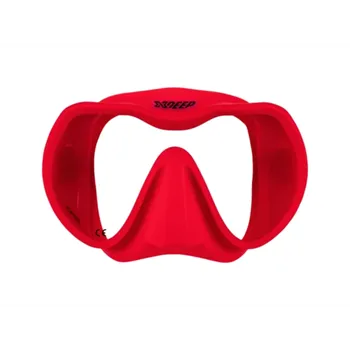
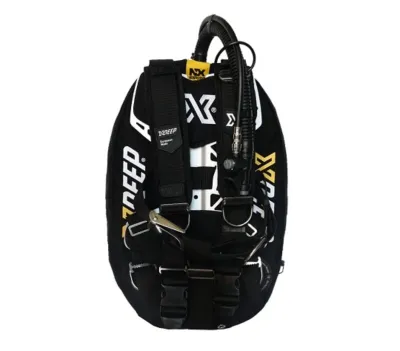
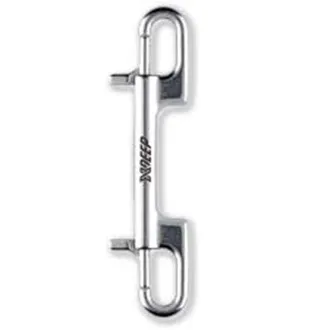
Prices are valid at publication and may change. Please refer to the product page for the latest price.
First Purchase: Choosing an XDeep Mask for a Leak-Free Seal
The mask is the single most critical piece of snorkeling gear you will ever purchase. A poorly fitting mask that constantly leaks water into your eyes and nose not only ruins your view of the marine life but can also trigger anxiety and panic, especially for beginners. When selecting an XDeep mask, your primary focus must be on achieving an absolute, leak-free seal rather than focusing on aesthetic features or lens colors.

To verify if a mask fits your unique facial structure before you ever enter the water, you should perform the classic ‘inhale and hold’ test. Begin by clearing any hair away from your forehead and cheeks, as even a few strands can break the seal. Place the mask gently against your face without pulling the strap over your head. Inhale lightly through your nose and hold your breath while tilting your head slightly downward. If the mask remains firmly suctioned to your face without sliding or falling off, the silicone skirt is a good match for your facial contours.
The quality of the skirt material plays a monumental role in both comfort and sealing capability. XDeep utilizes premium, liquid-injected silicone that is exceptionally soft and hypoallergenic. Unlike cheap PVC masks commonly found in budget tourist shops—which stiffen in cooler water and create painful pressure points—high-grade silicone remains highly flexible and supple. This allows the skirt to conform dynamically to your face as you move, smile, or clear your ears, preventing water intrusion while eliminating the red, irritated marks often left behind by inferior materials.
Another key consideration is the internal volume of the mask, which refers to the amount of air space inside the frame. Low-volume masks, such as frameless designs, position the tempered glass lenses much closer to your eyes. This close proximity dramatically expands your peripheral field of vision, helping you spot marine life more easily. Furthermore, low-volume masks are incredibly easy to clear if water does happen to seep inside; a gentle exhale through your nose is usually all it takes to purge the water completely. In contrast, standard-volume masks hold more air, which can create an upward buoyant pull against your face and require more effort to clear. While single-lens designs offer an unobstructed, open view that helps beginners feel less enclosed, dual-lens masks are highly beneficial if you require prescription inserts, as they allow for customized corrective lenses.
Finally, pay close attention to the strap and buckle mechanism. XDeep masks typically feature quick-adjust buckles mounted directly to the flexible silicone skirt rather than a rigid plastic frame. This design allows the strap to angle naturally around the back of your head, reducing tension on your face and preventing the skirt from warping. A wide, split-silicone strap distributes pressure evenly across the skull, ensuring the mask remains secure without the need to overtighten it, which is a common cause of headaches and leaks.
Second Purchase: Selecting an XDeep Snorkel for Comfortable Breathing
Once you have secured a perfectly fitting mask, your next priority is selecting a snorkel that allows for comfortable, relaxed breathing at the surface. A good snorkel should feel like a natural extension of your airway, minimizing the physical effort required to breathe and clear water.
The most critical comfort factor is mouthpiece ergonomics. Because you will be holding the snorkel in your mouth for extended periods, a stiff, poorly designed mouthpiece can quickly lead to painful jaw fatigue and dental strain. Look for a snorkel equipped with a soft, flexible, orthodontic-grade silicone mouthpiece. The bite tabs should be sized appropriately so that you can hold the snorkel securely in place with a very light, relaxed bite, rather than clenching your teeth.
The physical design of the tube also affects your breathing comfort. A wider tube diameter reduces resistance, making it easier to take deep, relaxed breaths, but it also increases the volume of ‘dead air’ (exhaled air rich in carbon dioxide) that remains inside the tube. If the tube is too wide, you end up re-inhaling a portion of your exhaled breath, which can lead to mild shortness of breath over time. Conversely, a tube that is too narrow increases breathing resistance, making you feel as though you are breathing through a straw. A standard, moderately contoured tube that wraps closely around the side of your head strikes the perfect balance, minimizing both breathing resistance and hydrodynamic drag as you swim.
When evaluating snorkel tops, you will generally choose between simple J-style tubes, semi-dry models, and dry snorkels. Simple J-style snorkels are lightweight and streamlined but offer no protection against waves, flooding instantly if a splash passes over the top. Semi-dry snorkels feature a splash guard—a series of angled vents at the top—that redirects surface chop and spray away from the opening, keeping the airway remarkably dry in normal conditions. Dry snorkels utilize a mechanical float valve that seals the tube completely the moment you submerge. While dry snorkels sound ideal for beginners, the mechanical valves can sometimes stick due to salt crust, sand, or small debris, suddenly blocking your airflow when you surface. For this reason, semi-dry or simple designs are highly recommended for beginners; they are incredibly reliable, have no moving parts to fail, and are easily cleared of any water using a quick, sharp exhale through the bottom purge valve.
To ensure a comfortable fit, the snorkel must be securely attached to the left side of your mask strap. Use an adjustable snorkel keeper or clip that allows you to slide the snorkel up or down. The mouthpiece should align perfectly with your mouth when your head is positioned face-down in the water, preventing any twisting forces that could pull on the mask skirt and break the seal.
Third Purchase: Picking XDeep Fins for Efficient Surface Propulsion
Fins are essential for providing the propulsion needed to move through the water efficiently, allowing you to cover distance, swim against mild currents, and maintain a stable horizontal body position without exhausting yourself. However, selecting the right fins requires balancing your physical strength with the specific demands of surface swimming.
Beginners must be cautious not to choose overly stiff or excessively long technical diving fins. While these heavy fins are excellent for scuba divers carrying heavy steel tanks and performing specialized propulsion kicks (such as the frog kick), they require immense leg strength and highly conditioned muscles. Using them with a standard, continuous surface flutter kick will quickly lead to severe calf cramps, ankle strain, and rapid exhaustion. For relaxed snorkeling, look for fins with soft to medium-stiff blades and moderate lengths.
The material of the blade also dictates its performance. Modern composite and high-grade thermoplastic blades offer an excellent balance of weight and flexibility. These materials are designed to flex during your kick and then quickly snap back to their original shape, creating a spring-like effect that channels water backward to generate efficient forward thrust with minimal physical effort. This allows you to glide effortlessly over the reef without overworking your legs.
Open-Heel Fins with Dive Boots (Best for Rocky Shores)
Open-heel fins feature a foot pocket that is open at the back, secured around your heel by an adjustable strap, which is often a spring steel coil or a stretchy rubber bungee. Because the pocket is made of rigid plastic and lacks a soft lining, open-heel fins must be worn with neoprene dive boots, typically ranging from 3mm to 5mm in thickness.
This configuration is highly advantageous for shore entries, particularly in regional snorkeling destinations around Singapore, such as the rocky tidal flats of Pulau Hantu, the coral-rubble beaches of Sisters’ Islands, or the uneven coastlines of nearby Malaysian islands like Tioman and Batam. Walking barefoot across these environments is highly hazardous due to sharp volcanic rock, coral fragments, sea urchins, and barnacles. Sturdy, rubber-soled dive boots provide critical traction and foot protection as you walk into the water. Once you reach waist-deep water, you simply slide your booted feet into the open-heel fins and pull the spring strap over your heel.
The adjustable spring or bungee straps make the process of donning and doffing incredibly fast and simple, even when you are bobbing in gentle waves or trying to maintain your balance on an uneven seabed.
Full-Foot Fins (Best for Boat Entries and Warm Water)
Full-foot fins feature a soft, flexible, enclosed rubber pocket that wraps completely around your bare foot or a thin, protective neoprene sock. Because they do not require heavy, thick-soled dive boots, full-foot fins are significantly lighter, more compact, and highly streamlined.
This lightweight design makes them the ideal choice for boat-based snorkeling excursions in warm tropical waters, where you can step directly from the boat’s dive platform into deep water over sandy reefs. Without the added bulk of boots, full-foot fins offer a highly efficient transfer of energy from your legs to the blade, allowing for a very natural, fluid flutter kick that minimizes drag.
However, achieving a perfect fit is absolutely critical when buying full-foot fins. Because there are no adjustable straps to tighten or loosen, the foot pocket must fit your foot snugly but comfortably. If the fins are even slightly too loose, they can easily slip off your feet during a kick or in a mild current. Conversely, if they are too tight, they will pinch your toes, restrict circulation, and cause painful friction blisters on your heels and arches after only a few minutes in the water.
Matching Your XDeep Setup to Specific Snorkeling Environments
To help you select the most appropriate gear combination, it is helpful to map specific equipment traits to the environments you plan to explore. Below is a decision matrix designed to align your gear choices with common snorkeling scenarios and entry methods.
| Snorkeling Condition | Recommended Mask Type | Recommended Snorkel Type | Recommended Fin Style |
|---|---|---|---|
| Calm Boat Entry (e.g., tropical coral reefs, clear lagoons) | Low-volume, single-lens mask for wide, unobstructed views | Simple J-style or semi-dry snorkel with splash guard | Lightweight full-foot fins worn barefoot |
| Rocky Shore Entry (e.g., coastal tidal pools, coral rubble shores) | Low-volume mask for quick clearing and close field of vision | Semi-dry snorkel with splash guard to block surface spray | Open-heel fins worn with sturdy, thick-soled neoprene dive boots |
| Choppy Water or Currents (e.g., open sea channels, windy coastal bays) | Low-volume, frameless mask (easy to clear if water enters) | Semi-dry snorkel with purge valve or dry snorkel | Slightly stiffer open-heel fins with spring straps for maximum thrust |
When applying this matrix, you must also consider your personal swimming proficiency and physical leg strength. If you are a strong swimmer with well-conditioned legs, you may comfortably handle slightly stiffer open-heel fins that provide maximum thrust in choppy conditions. However, if you prefer a relaxed, low-effort float where you spend hours gently drifting over shallow reefs, prioritizing lightweight, highly flexible full-foot fins will prevent fatigue. Always prioritize safety: if your entry point involves walking over any surface other than soft, clear sand, dive boots and open-heel fins are a mandatory safety precaution to prevent severe cuts and falls.
Pre-Purchase Checklist: Verifying Fit and Gear Compatibility
Before finalizing your purchase, it is vital to perform a series of final verification checks to ensure your new gear will perform safely, comfortably, and reliably in the water.
- Sizing Verification: Never rely solely on your standard street shoe size when purchasing fins or dive boots, as foot pocket dimensions vary significantly between manufacturers. Always measure the length of your foot in centimeters and compare it carefully against the manufacturer's specific sizing chart. If you are purchasing open-heel fins, make sure to measure your foot while wearing the neoprene dive boots you plan to use, as the added thickness of the boot will often require you to size up in the fin.
- Compatibility Check: Ensure that your snorkel's attachment clip or keeper is fully compatible with your mask strap. If you plan to use a neoprene mask strap cover—which is highly recommended to prevent the silicone strap from pulling and tangling your hair—verify that the snorkel keeper can still slide over the cover and hold the snorkel securely in place without slipping.
- Inspection for Defects: Carefully inspect the silicone skirt of your mask under a bright light before your first use. Check the edges for any manufacturing molding seams, uneven thickness, or tiny micro-tears that could compromise the airtight seal or split under the pressure of water.
- Return and Exchange Policies: Because masks and snorkels come into direct contact with the face and mouth, they are considered personal hygiene items. Many retail shops in Singapore and online marketplaces enforce strict non-return policies once the packaging has been opened. Whenever possible, visit a local dive center to physically try on the mask and test the fit before buying. If purchasing online, ensure the retailer has a clear, flexible exchange policy for unused items in their original packaging.
- Safety Reminder: While high-quality, professional-grade gear significantly enhances your comfort, visibility, and confidence, it can never replace fundamental water safety skills. Equipment cannot compensate for a lack of swimming competence or poor judgment. Always assess local weather, tides, and currents before entering the water, never exceed your physical limits, and always adhere to the buddy system—never snorkel alone.
Frequently Asked Questions (FAQ)
Can I use XDeep technical scuba fins for casual snorkeling?
While it is technically possible to use them, most technical scuba fins (especially heavy rubber jet-style fins or long, rigid blades) are not suitable for casual snorkeling. These fins are engineered to propel divers carrying heavy steel tanks and multiple gear pieces, often utilizing specialized kicking techniques like the frog kick. For a surface snorkeler performing a continuous flutter kick, these heavy, rigid fins require excessive leg strength and will quickly lead to painful muscle cramps, ankle fatigue, and rapid exhaustion. It is highly recommended to stick to lighter, more flexible fins designed for recreational use.
Do I need to buy dive boots separately for open-heel XDeep fins?
Yes. Open-heel fins feature a rigid plastic foot pocket and a firm heel strap that are not designed to come into direct contact with bare skin. Attempting to wear open-heel fins barefoot will result in severe friction, painful blisters, and skin chafing within minutes. You must purchase a pair of neoprene dive boots separately. It is best to purchase your dive boots first, and then try on the open-heel fins while wearing the boots to ensure a snug, comfortable fit without any pinching or loose movement.
How do I prevent my new XDeep mask from fogging during my first trip?
During the manufacturing process, a thin, invisible layer of silicone residue deposits onto the tempered glass lenses of new masks. If this film is not removed, it will cause the mask to fog up instantly in the water, regardless of how much defogger you use. To prevent this, you must prep the mask before your first trip. Apply a small dab of non-gel, plain white toothpaste (avoiding abrasive or whitening formulas) to the inside of the dry lenses. Scrub the glass gently but thoroughly with your clean fingertip for a few minutes, then rinse it completely with fresh water. Repeat this process two or three times. Before each snorkeling session, apply a standard commercial defogging solution or a few drops of diluted baby shampoo, rub it over the dry glass, and rinse it quickly in the water just before putting the mask on.
Community discussion
Share your experience or ask a question. Comments are reviewed before publication.