
When dealing with localized knee discomfort during high-impact activities, finding a reliable patellar tendon strap is a priority for maintaining an active lifestyle. The market is flooded with various brands, including Buzesty, which frequently appears on popular ecommerce platforms. Deciding whether Buzesty is the right choice for your knees requires a systematic evaluation of its design, material specifications, and user feedback. Rather than relying on marketing claims, smart consumers look at physical indicators of quality, such as stitching integrity, fastener durability, and the structural design of the pressure pad. This guide provides a comprehensive framework to help you assess Buzesty patellar straps, understand your specific knee support needs, and make an informed purchasing decision.
Defining Your Patellar Support Needs
Before evaluating any specific brand like Buzesty, you must first establish your baseline requirements for a patellar tendon strap. The primary function of a patellar strap is to apply targeted pressure to the tendon below the kneecap, which helps distribute force more evenly and reduce strain during repetitive movements. Your choice of strap should align closely with your primary activity. For instance, high-impact sports involving frequent jumping and sudden directional changes, such as basketball or badminton, place intense stress on the patellar tendon. These activities require a strap with high elasticity, robust fastening, and a secure grip to prevent slippage during rapid lateral movements. Conversely, steady-state activities like running or cycling demand a lightweight, highly breathable strap that minimizes chafing over long distances.
The level of support you need also dictates the necessary features of the strap. Look for adjustable tension mechanisms that allow you to customize the pressure based on your current comfort level and the intensity of your workout. Padding thickness is another critical factor; a pad that is too thin may not provide sufficient pressure, while one that is excessively bulky can restrict your natural range of motion. Additionally, skin-friendly materials are essential, especially if you plan to wear the strap directly against your skin for extended periods.
Products mentioned in this guide
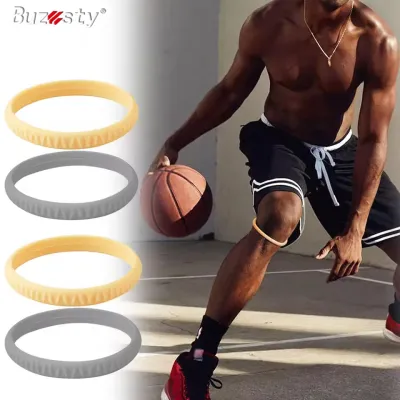
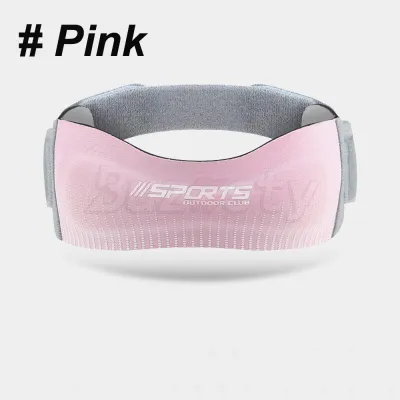
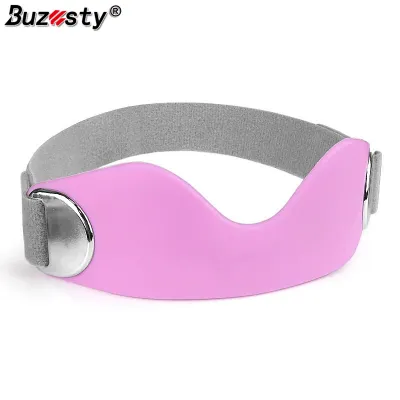
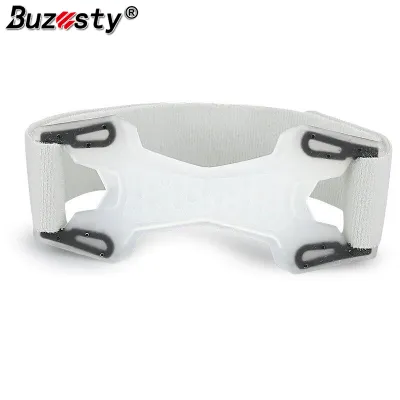
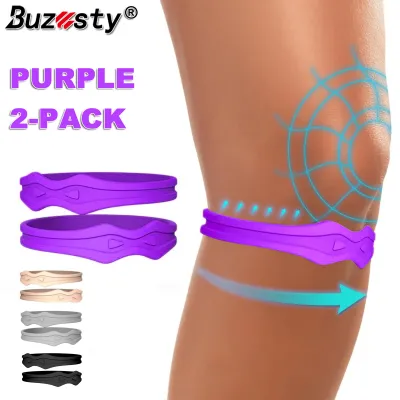
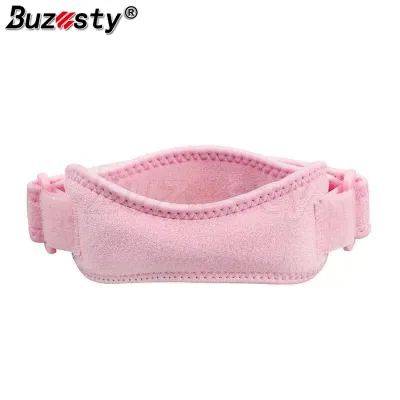
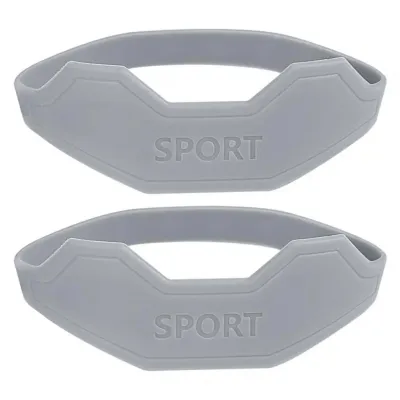
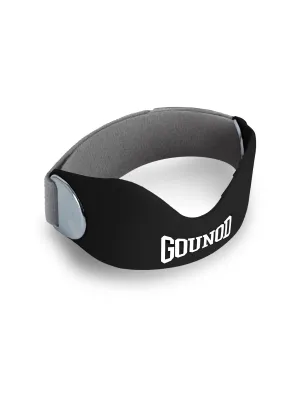
Prices are valid at publication and may change. Please refer to the product page for the latest price.
It is equally important to recognize the functional difference between general sports supports and medical-grade braces. General sports straps, such as those typically offered by brands like Buzesty, are designed to manage mild, temporary discomfort and provide light compression during physical exertion. They are not intended to stabilize structural joint instability or replace medical-grade orthotics. If you are recovering from a severe ligament tear, meniscus injury, or chronic joint misalignment, a simple patellar strap will not offer the comprehensive structural support required. Understanding these distinctions ensures you do not expect a basic sports accessory to perform the duty of a specialized medical device.
Key Specifications to Check on Buzesty Patellar Straps
When assessing the reliability of Buzesty patellar straps, you must carefully inspect the product specifications and material claims detailed in their listings. The material composition is the foundation of any sports support. High-quality straps typically utilize neoprene or a similar synthetic rubber blend because of its excellent elasticity, durability, and ability to retain shape under tension. However, in warm and humid climates like Singapore, heat retention can lead to excessive sweating and skin irritation. Therefore, you should verify whether the strap incorporates breathable mesh panels or moisture-wicking linings. These features facilitate airflow and help keep the skin dry, which is vital for preventing chafing during long training sessions.

The closure mechanism is another critical component that determines the strap’s longevity and usability. Most patellar straps rely on hook-and-loop fasteners to secure the band around the leg. When evaluating a Buzesty strap, look for close-up product images or specifications that describe the quality of these fasteners. High-density hook-and-loop systems resist fraying and maintain their gripping power even after hundreds of attachment cycles. If the fasteners appear thin, loosely stitched, or prone to collecting lint, the strap may lose its ability to stay secure during vigorous movement, rendering it ineffective.
Furthermore, pay close attention to the design of the pressure pad or internal tube. The primary mechanism of a patellar strap relies on this pad pressing directly against the patellar tendon. Reliable straps feature a contoured silicone insert, a firm EVA foam pad, or a resilient rubber tube that maintains its shape under pressure. If the internal pad is made of cheap, soft foam, it will quickly compress and fail to deliver the necessary targeted pressure. Check the product descriptions to confirm that the pressure element is structurally sound and anatomically shaped to fit the groove below your kneecap.
Verifying Brand Reputation and Authentic User Feedback
Evaluating a brand like Buzesty, which may not have a long-standing physical retail presence, requires a systematic approach to analyzing online customer feedback. When browsing ecommerce platforms, do not rely solely on the overall star rating, as these can sometimes be skewed by initial impressions or promotional campaigns. Instead, filter the reviews to focus on verified purchases and read the detailed, multi-sentence feedback left by users who have tested the product over several weeks or months, especially when evaluating budget-friendly options that typically retail under S$20.
Look specifically for comments addressing long-term durability, strap slippage, and edge fraying. A common issue with budget-friendly patellar straps is that they may perform well during the first few uses but quickly degrade. Pay attention to whether users report that the strap slides down the calf during active running or if the edges begin to unravel after a few washes. Consistent feedback regarding these issues is a strong indicator of substandard manufacturing or low-grade materials.
Be on the lookout for red flags in user reviews, particularly those concerning skin health and safety. If multiple buyers report experiencing skin irritation, redness, allergic reactions, or chemical odors upon opening the package, it suggests that the materials used may contain harsh dyes or adhesives. Fastener failure is another critical red flag; if users consistently note that the hook-and-loop closure loses its grip within a month of regular use, the product’s value drops significantly, even if the initial price was low.
To verify the authenticity of the product, cross-reference the images uploaded by actual buyers in the review section with the official listing photos. Look for consistency in the stitching patterns, logo placement, and overall build quality. Sometimes, budget brands update their designs or source from different manufacturers without updating their main product listings. Comparing buyer photos ensures that the item you receive matches the specifications and quality standards you expect.
Usage Conditions, Limitations, and When to Seek Alternatives
While a patellar strap can be a valuable tool for managing minor knee discomfort, it is crucial to understand its limitations and know when to seek alternative solutions. Sports straps are designed to provide temporary relief from mild conditions like patellar tendonitis (often called jumper’s knee) or general patellofemoral pain. They work by altering the angle at which the tendon inserts into the kneecap, thereby reducing the mechanical strain. However, they do not cure the underlying cause of the pain, nor do they repair damaged tissue. Relying on a strap to mask pain while continuing to overload an injured joint can lead to chronic, long-term damage.
You must establish clear stop conditions for using any patellar strap. If you experience worsening pain, numbness, tingling, or increased swelling during or after your activity, stop using the strap immediately. These symptoms can indicate that the strap is compressing nerves or blood vessels, or that the underlying injury is too severe for a simple compression band. In such cases, continuing to wear the strap can exacerbate the issue.
If a patellar strap does not provide adequate relief or stability, you should consider alternative types of knee support. For instance, a full knee sleeve offers broader compression and warmth, which can be more beneficial for general joint soreness or mild arthritis. If you experience lateral instability or feel your knee “giving way,” a hinged knee brace or a structured support with medial and lateral stabilizers is far more appropriate. These devices provide physical resistance against abnormal joint movement, which a simple strap cannot do.
Ultimately, equipment should never replace professional medical judgment. If your knee pain persists for more than a few weeks, limits your daily mobility, or is accompanied by a popping sound or sudden locking of the joint, consult a qualified healthcare professional, such as a physiotherapist or an orthopedic specialist. They can provide an accurate diagnosis and design a comprehensive rehabilitation plan that addresses muscle imbalances, flexibility issues, and movement mechanics.
Frequently Asked Questions (FAQ)
How tight should a patellar tendon strap be worn?
To ensure the patellar tendon strap is effective without restricting your circulation, you must achieve the correct balance of tension. A standard fit check is to slide two fingers comfortably under the strap once it is fastened. The strap should feel snug and secure against your skin or clothing, applying direct, noticeable pressure to the tendon just below your kneecap, but it should not pinch or dig in painfully.
If the strap is too tight, you may experience signs of restricted blood flow or nerve compression. Watch out for warning signs such as tingling, numbness, coldness in your foot, calf cramping, or visible skin discoloration around or below the band. If any of these symptoms occur, loosen the strap immediately. It is better to wear the strap slightly looser and adjust it gradually than to risk cutting off circulation during exercise.
Can Buzesty patellar straps be washed in a machine?
Before cleaning your patellar strap, always check the manufacturer’s care label or product insert for specific washing instructions. Because sports gear accumulates sweat, dirt, and bacteria, regular cleaning is necessary to maintain hygiene and prevent skin irritation. However, machine washing can be highly destructive to the delicate components of a patellar strap.
To prolong the lifespan of the materials, the recommended best practice is to hand wash the strap in cold water using a mild, non-abrasive detergent. Avoid using bleach or fabric softeners, as these chemicals can break down the elastic fibers and degrade the hook-and-loop fasteners. After washing, gently squeeze out the excess water without wringing or twisting the strap, and lay it flat to air dry in a well-ventilated area away from direct sunlight or heat sources. Never put the strap in a tumble dryer, as the high heat will warp the internal pressure pad and ruin the elasticity of the band.
Community discussion
Share your experience or ask a question. Comments are reviewed before publication.