
Finding the right elbow guard support in Singapore depends on matching the structural design of the guard to your specific sport and the local tropical climate. Rather than looking for a single universal brand, athletes should evaluate options based on their product categories—ranging from medical-grade rehabilitative braces to mainstream sports performance sleeves and budget fitness wraps. The ideal choice must balance joint stabilization with heat dissipation to remain comfortable during intense activities in high humidity.
Core Criteria for Evaluating Elbow Guard Support
To evaluate elbow guard support effectively, you must understand the mechanical differences between compression sleeves and hinged braces. Compression sleeves are designed to provide circumferential pressure around the elbow joint. This pressure enhances proprioception—the body’s ability to sense joint position and movement—which helps athletes maintain proper form and alignment during repetitive motions. Compression also promotes local blood circulation, keeping the muscles warm and reducing minor muscle vibrations that contribute to fatigue. These sleeves are typically made from knitted fabrics or thin neoprene, offering high flexibility and minimal restriction, making them ideal for dynamic sports where a full range of motion is required.
In contrast, hinged elbow supports incorporate rigid or semi-rigid lateral stays, often made of lightweight metals or hard plastics, along the sides of the joint. These hinges physically limit lateral movement and prevent hyperextension of the elbow. Hinged braces are essential for athletes recovering from ligament sprains, joint instability, or surgical procedures, where uncontrolled joint deviation could lead to re-injury. Because they restrict movement, they are less suited for sports requiring maximum agility of the arm, but they provide the highest level of structural protection.
Products mentioned in this guide
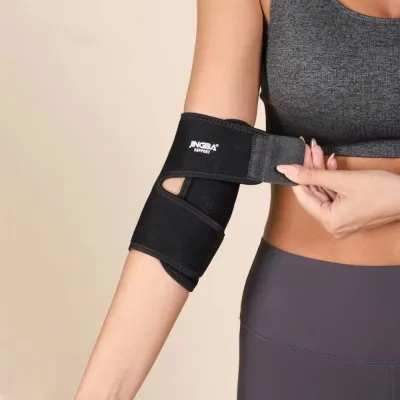
![[BUNDLE OF 2] TAKAMIZU - Orthocare Elbow Support](https://img.lazcdn.com/g/p/f9f1cdb0229942b34e5aeddf5f102a4e.jpg_400x400q80.jpg_.webp)
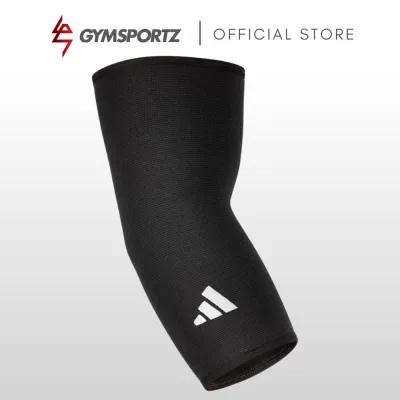
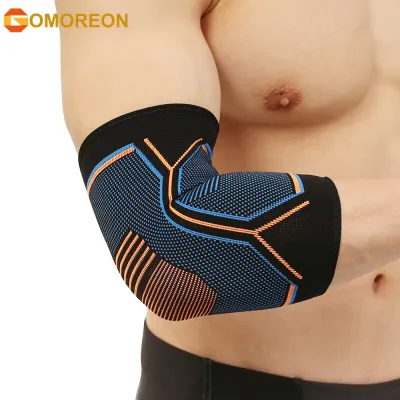
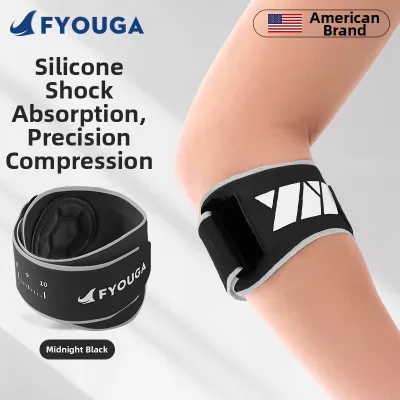
Prices are valid at publication and may change. Please refer to the product page for the latest price.
The tropical climate of Singapore introduces unique challenges for sports gear, making material selection a primary consideration for elbow guard support. High humidity and temperature mean that athletes sweat heavily, and standard materials can quickly become saturated. When an elbow guard traps moisture, it not only becomes heavy and uncomfortable but also loses its grip, sliding down the arm and failing to provide consistent compression. Furthermore, trapped sweat against the skin in a warm environment creates a breeding ground for bacteria, leading to skin irritation, chafing, or heat rashes.
To combat these climate-related issues, look for elbow guards engineered with advanced moisture-wicking fabrics. Perforated neoprene is a popular choice, as it retains the structural resilience and heat-retaining benefits of traditional neoprene while allowing air to circulate through tiny ventilation holes. Alternatively, high-performance knitted fabrics made from nylon, polyester, and elastane blends offer superior breathability and rapid drying times. These materials pull sweat away from the skin to the outer layer of the fabric, where it can evaporate quickly in Singapore’s humid air, ensuring the guard remains secure and comfortable throughout a workout.
Another critical factor in support quality is the integration of strap systems and adjustable tension. While a simple slip-on sleeve provides uniform compression, it cannot adapt to the unique contours of an individual’s musculature or target specific pain points. Elbow guards featuring adjustable straps allow users to customize the level of compression over particular areas, such as the forearm extensors or the bicep. This is highly beneficial for managing localized strain, as the user can tighten the strap during high-intensity movements and loosen it during rest periods to maintain healthy circulation.
When evaluating strap systems, look for wide, high-quality hook-and-loop fasteners that distribute pressure evenly across the arm. Narrow straps can dig into the skin, causing localized discomfort and restricting blood flow. The straps should be strategically positioned to anchor the guard in place, preventing it from shifting during explosive movements. Some advanced designs utilize dual-strap configurations that pull from opposite directions, creating a balanced, secure fit that stabilizes the joint without requiring excessive, uncomfortable tightness.
Matching Support Levels to Specific Sports
Different sports place distinct physical demands on the elbow joint, meaning a guard that excels in one activity may be entirely unsuitable for another. For high-impact and contact sports, such as basketball, martial arts, rugby, or floorball, the primary risk to the elbow is external trauma from collisions, falls, or contact with opponents. In these scenarios, elbow guards must prioritize impact absorption alongside basic joint compression. These guards typically feature integrated padding made from high-density EVA foam, polyurethane, or specialized shock-absorbing gels positioned directly over the olecranon.

The padding must be flexible enough to contour around the joint as it bends, ensuring continuous protection without creating gaps. Additionally, the outer fabric covering the padded area should be highly abrasion-resistant to withstand friction against hard court surfaces or mats. For martial arts or sports involving close physical contact, low-profile padding is preferred to avoid interfering with movement or posing a hazard to other players. The goal is to cushion the joint against sudden impacts while maintaining a secure, non-slip fit during rapid directional changes.
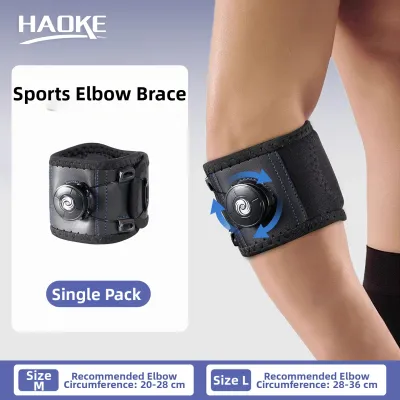
Repetitive strain sports, such as tennis, golf, badminton, and squash, present a different set of challenges. These activities involve repetitive gripping, wrist extension, and forearm rotation, which can lead to overuse injuries like lateral epicondylitis (tennis elbow) or medial epicondylitis (golfer’s elbow). For these sports, heavy padding is unnecessary and bulky; instead, athletes require targeted tendon compression. An elbow guard designed for repetitive strain typically takes the form of a specialized strap or a lightweight sleeve with an integrated silicone or gel pressure pad, often referred to as an epicondylitis clasp.
This pressure pad is positioned over the affected muscle tendon, just below the elbow joint. When the strap is tightened, the pad applies localized pressure that dampens the vibrations transmitted up the forearm during racket strikes or ball impacts. This mechanical dampening reduces the workload on the inflamed tendon insertion points, allowing athletes to play with reduced discomfort and preventing further micro-tears. Breathability is also paramount in these sports, as players engage in continuous, high-intensity movement under the sun or in humid indoor halls, making lightweight, moisture-wicking knit sleeves with integrated straps the preferred choice.
For heavy load-bearing activities, such as weightlifting, powerlifting, bodybuilding, or functional fitness training, the elbow joint is subjected to extreme axial loads during pressing and pulling movements. In these disciplines, the primary requirements are joint warmth, maximum compression, and rigid stabilization to assist with force transmission and maintain proper joint tracking. Heavy lifters generally prefer thick neoprene elbow sleeves, typically ranging from 5mm to 7mm in thickness, or heavy-duty elastic wraps.
The thickness of the material provides a high level of mechanical support, physically resisting joint deviation under heavy loads. Furthermore, thick neoprene retains body heat, which increases joint lubrication and keeps the surrounding tendons and ligaments pliable, reducing the risk of acute strains. Because weightlifting involves short, intense sets followed by rest periods, the lower breathability of thick neoprene is an acceptable trade-off for the substantial physical support and warmth it provides. However, lifters should remove these heavy sleeves between exercises to allow the skin to breathe and prevent excessive sweat buildup.
Common Elbow Guard Brand Categories and Positioning
When navigating the market for elbow guards in Singapore, consumers will encounter three primary brand categories, each catering to different needs, budgets, and activity levels. Understanding these categories helps narrow down the choices without relying on unverified marketing claims of a single “best” brand. The first category consists of medical and rehabilitative brands. These companies design their products in close collaboration with orthopedic specialists, physiotherapists, and sports medicine professionals. Their offerings are characterized by medical-grade compression, precise anatomical shaping, and high-quality materials certified for therapeutic use.
Medical-grade elbow guards often feature adjustable hinged mechanisms, medical-grade silicone inserts, and highly engineered flat-knit fabrics that provide targeted compression zones. These products are typically sold in pharmacies, specialized medical supply stores, or directly through physiotherapy clinics in Singapore. They are the ideal choice for individuals recovering from significant joint injuries, managing chronic conditions like arthritis, or seeking post-operative support. While they generally carry a higher price point, their structural integrity and therapeutic efficacy are backed by rigorous manufacturing standards.
The second category comprises mainstream sports performance brands, which are widely available in major sporting goods retailers and department stores across Singapore. These brands focus on the needs of active athletes, balancing moderate joint support with high comfort, durability, and modern aesthetic designs. Their product lines include a wide variety of compression sleeves, padded guards, and adjustable wraps tailored to specific sports like basketball, tennis, or running.
Mainstream sports brands invest heavily in material technology, utilizing proprietary moisture-wicking fabrics, lightweight construction, and ergonomic seam placements to minimize chafing. These guards are designed to withstand the rigors of daily training and frequent washing. They are highly suitable for recreational and competitive athletes who require reliable support to prevent injuries, manage minor aches, or enhance performance during active play.
The third category includes budget and general fitness brands, which are commonly found in general supermarkets, discount stores, and various online marketplaces. These brands typically offer basic elasticated or knitted compression sleeves at highly accessible price points. While they lack the advanced structural engineering, targeted strap systems, or specialized padding of medical and premium sports brands, they provide a basic level of compression and joint warmth.
Budget guards are suitable for individuals engaging in low-impact exercises, light gym workouts, or those who simply want a basic layer of joint comfort during daily activities. However, users should be aware that these budget options may lose their elasticity more quickly and may not offer sufficient stabilization for high-impact sports or serious injury recovery.
Regardless of the brand category you choose, performing key verification steps before purchasing is essential to ensure you receive a genuine, high-quality product. Always check the manufacturer’s specifications regarding material composition, sizing guidelines, and intended use. Purchase from authorized retail channels, official brand stores, or reputable local distributors in Singapore to avoid counterfeit products, which often use inferior elastics that degrade rapidly and fail to provide consistent compression. Additionally, review the warranty terms and return policies, particularly for high-end hinged braces, to protect your investment against manufacturing defects.
Sizing, Fit, and Pre-Purchase Checks
Selecting the correct size is arguably the most critical step in purchasing an elbow guard, as even the most advanced structural design will fail to provide support if the fit is incorrect. An elbow guard that is too loose will slide down the arm during movement, bunch up in the elbow crease, and fail to deliver the necessary compression. Conversely, a guard that is too tight can restrict blood circulation, pinch the skin, and cause muscle fatigue or numbness, which can impair athletic performance and increase the risk of injury.
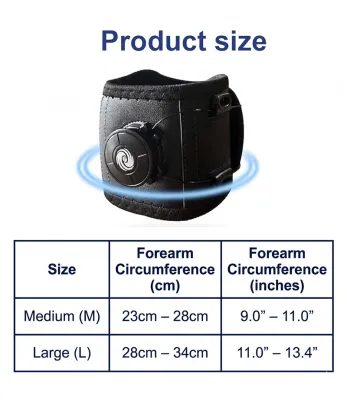
To determine your correct size, use a flexible measuring tape to take accurate measurements of your arm. Most manufacturers require three primary measurements: the circumference of the elbow joint itself (with the arm slightly bent at approximately a 30-degree angle), the circumference of the forearm (about 5 to 10 centimeters below the elbow), and the circumference of the bicep (about 5 to 10 centimeters above the elbow). Compare these measurements carefully against the specific brand’s sizing chart, as sizing standards can vary significantly between brands and regions. Do not assume your size in one brand will match your size in another.
When trying on an elbow guard, look for specific signs of a proper fit. The guard should feel snug and secure, applying even compression around the entire joint without causing pain or localized pinching. You should be able to bend and extend your elbow through its full range of motion without the fabric bunching excessively or cutting off circulation. Check for signs of improper fit, such as numbness, tingling in the fingers, coldness in the hand, or deep, painful indentations on your skin after a few minutes of wear. If you experience any of these symptoms, the guard is too tight and you should size up.
Consider the trade-offs between in-store and online purchasing. Buying in-store at a local Singapore retailer allows you to physically try on different sizes and styles, assess the material’s breathability, and feel the level of support firsthand. This is highly recommended if you are purchasing a complex hinged brace or are between sizes. If you choose to purchase online for convenience or a wider selection, ensure the e-commerce platform or seller offers a clear, hassle-free return and exchange policy. Keep all original packaging, tags, and receipts intact until you have verified the fit with a dry run at home.
Maintenance and Signs for Replacement
Proper maintenance is essential to preserve the elastic properties, structural integrity, and hygiene of your elbow guards, especially given Singapore’s hot and humid climate. Sweat, body oils, and dead skin cells can accumulate quickly in the fabric, breaking down the elastic fibers and weakening hook-and-loop fasteners over time. To maximize the lifespan of your guard, hand wash it in cool water using a mild, liquid detergent. Avoid using fabric softeners, bleach, or harsh chemicals, as these can clog the pores of breathable fabrics and degrade the synthetic elastics.
After washing, gently squeeze out excess water without wringing or twisting the fabric, which can stretch out the fibers. Air dry the guard flat in a shaded, well-ventilated indoor area or balcony. Never place your elbow guards in a clothes dryer or expose them to direct, intense tropical sunlight, as high heat will cause neoprene to crack, elastics to lose their rebound, and plastic components to warp. Ensure the guard is completely dry before storing it in a cool, dry place to prevent the growth of mold or mildew.
Regularly perform visual and tactile checks to determine when your elbow guard has reached the end of its functional life and needs replacement. Look for frayed stitching, loose threads, stretched-out fabric that no longer snaps back into shape, or weakened Velcro straps that slip under tension. For padded or hinged guards, check that the foam or gel inserts have not bottomed out or shifted, and ensure that metal or plastic hinges are not bent, cracked, or protruding through the fabric casing. A guard that has lost its elasticity or structural integrity will no longer provide effective support and should be replaced immediately.
Finally, understand the safety boundaries of using sports support gear. An elbow guard is a valuable tool for joint stabilization, injury prevention, and recovery support, but it is not a cure-all and cannot replace proper athletic training, correct technique, or professional medical care. If you experience persistent, sharp, or worsening joint pain during or after sports activities, stop using the guard and do not attempt to push through the discomfort. Consult a qualified healthcare professional, sports physician, or physiotherapist in Singapore to obtain an accurate diagnosis and a comprehensive treatment plan.
Frequently Asked Questions (FAQ)
Can I wear an elbow guard all day for continuous support?
Wearing an elbow guard continuously throughout the day is generally not recommended unless specifically prescribed by a medical professional or physiotherapist. Prolonged use of high-compression sleeves or rigid braces can restrict local blood circulation and lead to muscle weakness or atrophy over time, as the surrounding muscles rely on the external support of the guard rather than actively engaging to stabilize the joint. For general sports support, limit wear to the duration of your physical activity and recovery periods, allowing the joint to move naturally during daily tasks to maintain muscle strength and joint mobility.
Do copper-infused elbow sleeves provide better support than standard materials?
Copper-infused elbow sleeves do not provide superior structural support compared to standard compression sleeves. The level of support is determined entirely by the fabric’s thickness, elasticity, weave density, and the presence of physical stabilizers like straps or hinges. While copper is often marketed for its antimicrobial properties to reduce odor, it does not alter the mechanical stabilization of the elbow joint. Focus on the guard’s structural design, material breathability, and fit rather than material additives when seeking reliable joint support.
Community discussion
Share your experience or ask a question. Comments are reviewed before publication.