
Selecting the right electric pump brand for your bicycle tires is a decision that directly impacts your riding safety, convenience, and overall cycling experience. With the market expanding rapidly, riders are no longer limited to manual floor pumps. Modern electric pumps offer automated inflation, precise digital pressure readings, and compact designs that fit easily into a jersey pocket or frame bag. However, because bicycle tires vary wildly in volume and pressure requirements—ranging from high-volume mountain bike tires to high-pressure road tires—no single brand serves as a universal solution.
To find the ideal brand, you must look beyond flashy marketing claims and focus on how different manufacturers engineer their products to handle the specific demands of cycling. A road cyclist riding on narrow tires needs a pump capable of reaching high pressures quickly and accurately, while a gravel or mountain bike rider requires a pump that can handle high volumes of air without overheating. By understanding the core engineering differences between brand categories, evaluating key performance metrics, and verifying manufacturer specifications against real-world conditions, you can confidently select an electric pump that keeps you rolling safely.
Key Evaluation Criteria for Electric Bicycle Pump Brands
When evaluating electric pump brands, the first metric to analyze is pressure accuracy and gauge calibration. Bicycle tires are highly sensitive to pressure changes; even a variance of 2 to 3 PSI can dramatically alter your bike’s handling, rolling resistance, and flat resistance. Reputable brands invest in high-quality digital pressure sensors that provide real-world accuracy within a tight tolerance, typically +/- 1.5 PSI or better. Look for brands that clearly state their sensor calibration standards and offer digital displays with high-resolution readouts, allowing you to monitor pressure in real-time as the pump operates. This precision is especially critical for tubeless tire setups, where maintaining the correct pressure is vital to keep the tire bead securely seated on the rim.
Products mentioned in this guide
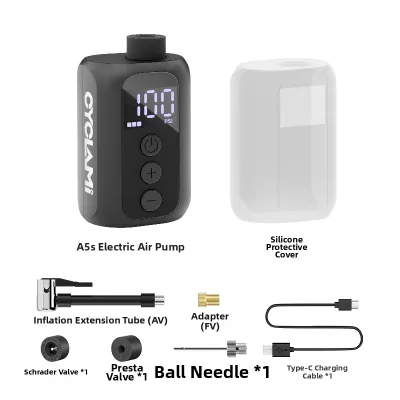
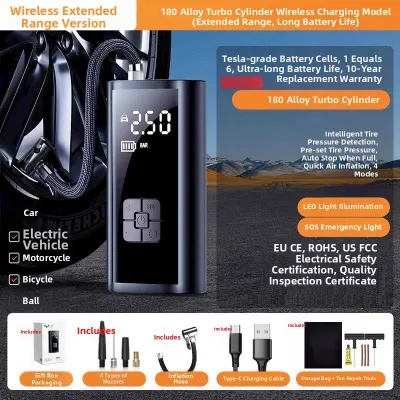
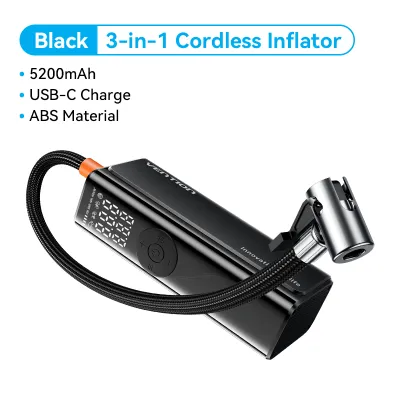
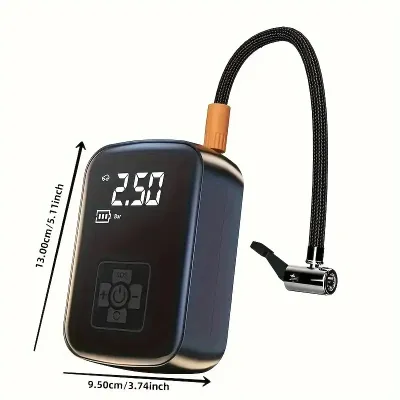
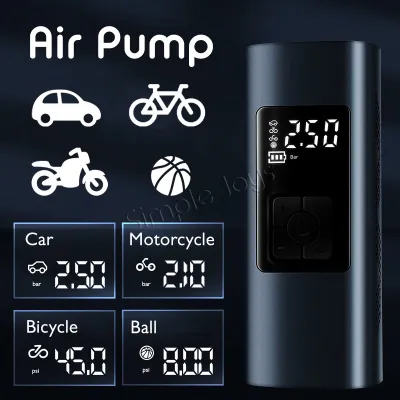
![[SG Stock] Air Pump Car Inflator Compressor Portable Ball Bike Bicycle Rechargeable Basketball Soccer Volleyball Tyre Wheel Tire 12V LED Fast Auto Shut-off Emergency](https://img.lazcdn.com/g/p/cc7d92c566c3860fbbfa1d535cc6f3bb.jpg_400x400q80.jpg_.webp)
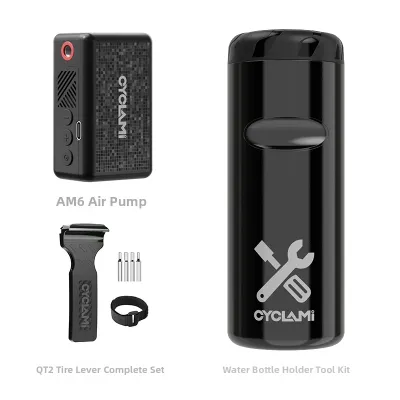
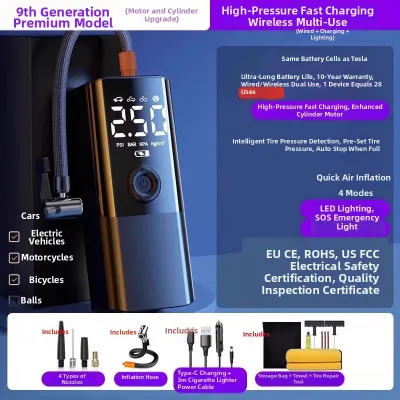
Prices are valid at publication and may change. Please refer to the product page for the latest price.
Battery capacity and discharge rates represent another crucial pillar of brand reliability. An electric pump’s battery must not only store enough energy to inflate multiple tires but also deliver that energy consistently under high load. High-quality brands utilize premium lithium-ion cells engineered for high discharge rates, ensuring the motor does not bog down or lose power as the tire pressure climbs. When comparing brands, look at the battery capacity expressed in watt-hours (Wh) or milliampere-hours (mAh), and cross-reference this with the manufacturer’s stated inflation cycles. A dependable brand should be able to inflate several high-pressure road tires or multiple high-volume mountain bike tires on a single charge without experiencing a significant drop in performance.
Portability, weight distribution, and ergonomic design are equally important, particularly for riders who plan to carry the pump on their bikes. A poorly designed pump with uneven weight distribution can feel awkward in a jersey pocket or rattle excessively when mounted to a frame bracket. Leading brands pay close attention to the physical layout of the internal components, placing the heavy motor and battery cells in a way that balances the device. Additionally, look for ergonomic features such as textured grips, intuitive button layouts, and integrated hose storage that prevents the air hose from dangling or getting damaged during transport.
Finally, robust thermal management and auto-shutoff reliability are essential safety features that separate premium brands from budget alternatives. Compressing air naturally generates a substantial amount of heat, which can quickly damage the pump’s internal motor, degrade the battery, or even melt the air hose if left unchecked. Reliable brands design their pumps with efficient heat sinks, cooling vents, and smart thermal sensors that automatically shut down the device if it exceeds safe operating temperatures. This auto-shutoff feature not only protects your investment but also ensures the pump remains safe to handle immediately after a rapid inflation cycle.
Matching Brand Categories to Your Cycling Discipline
The electric pump market is populated by brands from three distinct backgrounds, each offering unique advantages tailored to different types of riders. Dedicated cycling accessory brands focus entirely on the needs of cyclists. These manufacturers design their pumps with a primary focus on lightweight construction, compact form factors, and seamless valve compatibility. They typically feature native Presta valve connectors or high-quality dual-head chucks that eliminate the need for clumsy, leak-prone adapters. If you are a road cyclist, gravel rider, or weight-conscious commuter, a dedicated cycling brand is often the best fit, as their products are optimized for high-pressure precision and easy on-bike storage.

In contrast, power tool and outdoor brands approach electric pumps from a perspective of rugged durability and high-volume performance. These brands often integrate their pumps into existing cordless tool ecosystems, utilizing the same interchangeable slide-on battery packs that power drills and saws. Because they are designed for demanding workshop environments, these pumps feature heavy-duty motors, robust housings, and exceptionally high airflow rates. They excel at rapidly inflating large-volume tires, such as those found on cargo bikes, fat bikes, and mountain bikes, and are powerful enough to seat tubeless tire beads. However, their bulky size and heavy weight make them impractical for carrying on a ride, making them ideal instead for home workshops or vehicle-supported trailheads.
Consumer electronics and tech brands represent the third category, prioritizing sleek aesthetics, digital integration, and multi-functional utility. These brands excel at creating highly compact, pocket-sized pumps that feature bright, user-friendly LED screens, intuitive digital interfaces, and modern USB-C charging ports. Many of these devices also double as portable power banks, allowing you to charge your phone or cycling computer in an emergency. While these tech-focused pumps are incredibly convenient for daily urban commuters, they may have longer inflation times and lower thermal thresholds than dedicated cycling or power tool brands. If you choose a tech brand, it is vital to verify that the pump’s maximum pressure rating and heat dissipation capabilities align with your specific tire requirements.
Building and Verifying Your Brand Shortlist
To build a reliable shortlist of electric pump brands, you must look beyond manufacturer specifications and verify how these devices perform in real-world conditions. Start by cross-referencing official product claims with independent user feedback, cycling forum discussions, and long-term reviews. Pay close attention to reports regarding inflation times, gauge drift over months of use, and battery performance in real-world scenarios. A brand may claim its pump can reach 120 PSI, but user feedback might reveal that the motor struggles significantly or overheats when pushing past 80 PSI. Look for consistent patterns in user reviews to identify potential weak points, such as fragile hose connections or premature battery degradation.
For riders in Singapore, verifying local warranty support and the availability of replacement parts is a critical step in the decision-making process. The tropical climate, high humidity, and frequent rain can place extra stress on electronic devices and rubber seals. If a pump’s internal gasket fails or the charging port corrodes, having access to a local distributor or service center makes a massive difference. Check if the brand has authorized retailers in Singapore that can honor the warranty, provide quick replacements, or supply spare parts like air hoses, valve chucks, and O-rings. Purchasing a pump from a brand with no local support means you risk having to discard the entire unit over a minor, easily repairable component failure.
Additionally, carefully inspect the quality of the included accessories and the overall build of the pump’s connection points. The air hose is often the most vulnerable part of an electric pump, as it is subjected to high pressure, bending, and extreme heat during operation. Look for brands that supply durable, braided nylon hoses rather than cheap, unreinforced rubber ones. The connection between the hose and the pump body should be secure and threaded, preventing air leaks that can compromise pressure accuracy. Furthermore, verify that the pump comes with high-quality, metal valve adapters for both Presta and Schrader valves, as plastic adapters are prone to stripping and leaking under high pressure.
Practical Pre-Purchase Checks and Usage Boundaries
Before finalizing your purchase, there are several practical checks and usage boundaries you must consider to ensure the pump fits your lifestyle and riding environment. First, assess the physical heat dissipation design of the pump. Look for visible cooling vents and metal heat sinks around the pump head, where the compression cylinder is located. If you frequently ride in warm climates, a pump with poor ventilation will overheat much faster, triggering its thermal protection shutdown and leaving you stranded on the roadside while you wait for the unit to cool down. Checking the manufacturer’s specified duty cycle—such as a recommendation to let the pump rest for 10 minutes after every 5 to 10 minutes of continuous use—will give you a clear idea of its thermal limits.
Noise level is another practical factor that is often overlooked until the first use. Electric air pumps utilize small, high-speed reciprocating pistons to compress air, which can generate a significant amount of noise, often ranging from 75 to over 85 decibels. If you live in a high-density residential estate in Singapore, using a loud pump in a quiet apartment corridor or shared HDB void deck early in the morning can easily disturb your neighbors. When researching brands, look for those that explicitly mention noise-reduction technology, rubberized vibration-dampening feet, or lower decibel ratings to ensure your pre-ride prep remains peaceful and neighbor-friendly.
Finally, understanding battery degradation and proper storage requirements is vital for maintaining the long-term reliability of your electric pump. Lithium-ion batteries do not tolerate extreme temperatures or prolonged periods of complete discharge. If you store your pump in a hot car trunk, a sunny balcony, or a humid utility closet, the battery capacity will degrade rapidly, leading to shorter runtimes and reduced power. To maximize the lifespan of your pump, choose a brand that provides clear battery maintenance guidelines. A good practice is to store the pump in a cool, dry place inside your home, keeping the battery charged between 50% and 70% when storing it for extended periods, and performing a top-up charge every few months to prevent the cells from dropping into a deep discharge state.
Frequently Asked Questions (FAQ)
Can I use a standard automotive electric pump for high-pressure bicycle tires?
While it is technically possible to use an automotive electric pump with the correct valve adapter, it is generally not recommended for high-pressure bicycle tires. Car pumps are engineered to move a high volume of air at relatively low pressures, typically topping out around 40 to 50 PSI. In contrast, many road and gravel bicycle tires require pressures ranging from 60 to over 100 PSI. Attempting to use a standard car pump on these tires can cause the pump’s motor to strain, overheat, or fail completely. Furthermore, automotive pumps often feature large, heavy-duty chucks designed exclusively for Schrader valves, and their built-in pressure gauges may lack the fine resolution and accuracy required to safely monitor the precise, high-pressure levels needed for bicycle tires.
How does temperature affect the battery life of portable electric pumps?
Temperature plays a significant role in both the immediate performance and the long-term health of portable electric pump batteries. In hot environments, such as direct tropical sunlight or inside a parked vehicle, the internal temperature of the lithium-ion cells can rise rapidly, accelerating chemical degradation and increasing the risk of thermal runaway or permanent capacity loss. To protect the battery, many high-quality pumps will trigger a safety shutdown if they get too hot. Conversely, extremely cold temperatures increase the battery’s internal resistance, which temporarily reduces its capacity and discharge rate. This means the pump may run slower and inflate fewer tires on a single charge when used in cold weather, making proper storage in a temperature-controlled environment essential.
Is it better to choose a brand with a built-in battery or one that uses external power banks?
The choice between a built-in battery and an externally powered pump depends on your riding style and carrying preferences. Pumps with built-in batteries offer a highly convenient, self-contained, and compact design that is easy to pack into a saddlebag or jersey pocket without dealing with messy cords. However, if the internal battery degrades or dies mid-ride, the pump becomes unusable. On the other hand, pumps that run off external power banks or feature swappable tool batteries offer excellent long-term durability, as you can easily replace the power source without discarding the pump itself. This modular setup is highly advantageous for long-distance touring or multi-day bikepacking trips, though it does require carrying extra cables or heavier battery packs.
Community discussion
Share your experience or ask a question. Comments are reviewed before publication.