
Selecting a foam roller or foam tube in Singapore requires a clear understanding of your body’s recovery needs, your training volume, and the physical properties of the equipment. With Singapore’s active running community tackling everything from humid evening park connector runs to structured marathon training, post-run muscle recovery is essential for maintaining performance and preventing overuse injuries. Rather than relying on generic brand popularity or unverified marketing claims, finding the right recovery tool involves evaluating density, material composition, and structural integrity.
A high-quality foam tube serves as a practical, self-administered myofascial release tool. It works by applying localized pressure to tight muscle groups, helping to improve local blood circulation, alleviate muscle soreness, and restore range of motion. However, because every runner’s muscle density, pain tolerance, and recovery goals differ, a roller that works well for a seasoned marathoner might cause discomfort or bruising for a recreational jogger. By focusing on objective selection criteria, you can choose a tool that safely and effectively supports your weekly training routine.
Core Selection Criteria for Post-Run Muscle Recovery
To select the most effective foam tube for your recovery routine, you must first evaluate three primary physical dimensions: density, surface texture, and overall size. These factors directly influence how much pressure is applied to your muscle tissue and how easily you can target specific tight spots after a demanding run.
Products mentioned in this guide
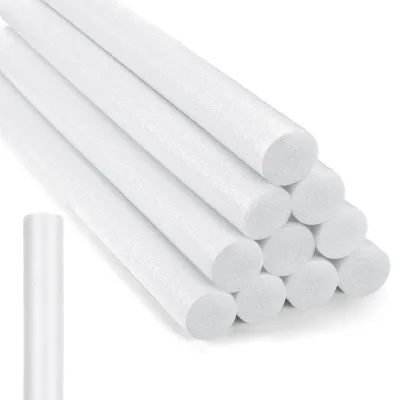
Prices are valid at publication and may change. Please refer to the product page for the latest price.
Density is the most critical factor determining the intensity of your recovery session. Foam rollers generally fall into three categories: soft, medium, and firm. Soft rollers provide gentle compression, making them ideal for beginners, highly sensitive muscle groups, or active recovery days when your muscles are exceptionally tender. Medium-density rollers offer a balanced level of pressure that suits most recreational runners, providing enough resistance to work through moderate tension without causing excessive discomfort. Firm rollers are designed for deep tissue targeting; they do not compress easily under body weight, making them suitable for experienced athletes or denser muscle groups like the glutes and quadriceps.
Surface texture is another key variable that alters the sensation and effectiveness of myofascial release. Smooth rollers distribute your body weight evenly across a wide surface area, offering a more uniform and less intense rolling experience. This is highly beneficial for broad muscle groups or for runners who prefer a gentler introduction to recovery work. In contrast, textured or grid-patterned rollers feature raised ridges, bumps, or channels. These designs are engineered to mimic the hands, fingers, or palms of a massage therapist, allowing you to apply targeted, high-pressure stimulation to localized trigger points and knots.
The length and diameter of the foam tube also dictate its stability, portability, and suitability for different body parts. Standard long rollers, typically measuring around 90 centimeters, offer maximum stability and are long enough to support your entire spine or both legs simultaneously, making them excellent for home use. However, their bulk can make them difficult to store in compact Singapore apartments or transport to outdoor training sessions. Shorter rollers, ranging from 30 to 45 centimeters, are highly portable, fitting easily into gym bags or lockers. While they require more balance and focus to use on larger muscle groups, they are highly efficient for targeting single limbs, such as individual calves, hamstrings, or IT bands.
Decoding Material and Construction Specifications
Understanding the materials and construction methods used in foam tubes allows you to assess their durability, hygiene, and long-term performance. Manufacturers use several types of synthetic foam, each offering distinct physical properties that affect how the roller behaves under load and how well it withstands Singapore’s warm, humid climate.

Ethylene-Vinyl Acetate (EVA) is one of the most common materials used in high-quality foam rollers. It is known for its excellent shock absorption, resilience, and slight elasticity, which gives it a comfortable, rubbery feel. EVA rollers tend to retain their shape well over years of repeated use, making them a reliable investment for daily recovery. Expanded Polypropylene (EPP) is another popular option, particularly for firm rollers. EPP is a lightweight, high-density plastic foam that feels very rigid and bead-like to the touch. While EPP rollers are highly affordable and offer firm pressure, they may degrade or compress permanently faster than premium EVA models if subjected to extreme loads over extended periods. Some rollers also feature polyurethane coatings, which provide a non-slip grip and a water-resistant barrier that prevents sweat from soaking into the foam core.
When examining construction, you will generally choose between hollow-core tubes and solid foam structures. Hollow-core rollers feature a rigid inner pipe, usually made of heavy-duty PVC or ABS plastic, wrapped in a layer of EVA foam. This design is exceptionally durable, as the rigid core prevents the roller from warping, bending, or flattening over time, even under heavy body weights. Additionally, the hollow center can double as a storage space for towels or smaller recovery tools when traveling. Solid foam rollers, on the other hand, consist entirely of compressed foam without an inner support tube. While they offer a more consistent, cushioned feel across the entire roller, low-quality solid foam models are prone to bowing, cracking, or losing their round shape after several months of consistent use.
To ensure you are purchasing a durable product, always check the manufacturer’s official specifications rather than relying on vague marketing claims. Look for explicit weight capacity ratings, which typically range from 100kg to over 220kg for premium hollow-core models. Furthermore, verify the material’s environmental resistance; in Singapore’s humid environment, open-cell foams can absorb moisture and sweat, leading to bacterial growth and unpleasant odors. Opting for closed-cell foam materials, which do not absorb liquids, ensures your roller remains hygienic and easy to sanitize with a simple damp cloth and mild soap.
Verifying Brand Reliability and Retail Channels in Singapore
With numerous recovery products available on the market, verifying brand authenticity and purchasing through reliable retail channels is essential to avoid low-quality counterfeits. Authentic brands invest in structural testing and high-grade materials, whereas imitation products often use cheap, low-density plastics that can collapse under pressure or emit strong chemical odors.
To secure a genuine product, always identify authorized distributors or official brand storefronts when shopping on local e-commerce platforms or visiting physical sports retail outlets in Singapore. Many reputable international recovery brands partner with established local sports distributors, specialty running shops, or major department stores. When browsing online marketplaces, look for verified seller badges, official brand malls, or direct listings from authorized local dealers. Purchasing from these verified sources ensures you receive a product made from non-toxic, durable materials that meet international safety standards.
Evaluating warranty terms and return policies is another practical way to gauge brand reliability. Reputable manufacturers often provide a limited warranty—ranging from six months to one year or more—covering structural defects, abnormal deformation, or cracking under normal use. Before finalizing your purchase, check how local customer service handles warranty claims. A brand with an active local distributor in Singapore will typically offer a straightforward replacement process, saving you the hassle and high shipping costs of sending a defective item back to an overseas warehouse.
Be vigilant against common red flags when comparing different foam tube options. Suspiciously low pricing—such as rollers priced significantly below the average market rate of S$30 to S$80 for premium models—often indicates counterfeit goods or low-grade materials that will flatten within a few weeks of use. Additionally, avoid products that make unverified health or performance claims, such as promising to permanently cure chronic medical conditions or guarantee instant athletic improvements. Reliable brands focus on physical specifications, material durability, and clear instructional guidance rather than sensational marketing.
Matching Foam Tube Dimensions and Density to Your Routine
Integrating a foam tube into your post-run routine requires a personalized approach that matches the tool’s physical properties to your specific muscle groups, running volume, and experience level. Using the wrong density or technique can lead to unnecessary pain or even minor tissue damage, so it is important to establish a safe, progressive recovery plan.
Different muscle groups require different levels of firmness and targeted pressure. For example, the calves and hamstrings often respond well to medium-density rollers with a smooth or lightly textured surface, which helps stimulate blood flow without putting excessive pressure on sensitive tendons. When addressing the iliotibial (IT) band, many runners make the mistake of rolling directly over the tight lateral band itself. Because the IT band is a thick, fibrous sheet of connective tissue rather than a muscle, rolling directly on it can cause severe inflammation. Instead, use a medium-density roller to target the surrounding muscles, such as the tensor fasciae latae at the hip and the quadriceps, to relieve tension indirectly. For larger, denser muscle groups like the glutes, a firm, textured roller can help penetrate deeper tissue layers to relieve deep-seated tightness.
If you are new to self-myofascial release, a gradual transition strategy is highly recommended. Begin with a soft or medium-density smooth foam roller to allow your nervous system and muscle tissue to adapt to the sensation of compression. As your tissue tolerance improves and you master proper rolling techniques, you can gradually transition to firmer materials or textured grid patterns to address deeper, more stubborn knots. This progressive approach minimizes the risk of bruising and ensures that your recovery sessions remain a positive, therapeutic experience rather than a source of dread.
Safety boundaries and proper alignment are paramount during any recovery session. Always maintain a stable, supported body position, using your hands and non-targeted leg to control the amount of weight you place on the roller. Never roll directly over bones, joints, or highly sensitive areas like the lower back, neck, or the back of the knees, as this can compress nerves and strain delicate skeletal structures. Keep your rolling movements slow and controlled, aiming for a pace of about two to three centimeters per second.
Most importantly, establish clear stop conditions for your sessions. While mild discomfort or a “deep release” sensation is normal, you should stop immediately if you experience sharp, stabbing pain, joint instability, numbness, tingling, or visible bruising. These symptoms indicate that you are applying too much pressure, using an incorrect angle, or compressing a nerve. Remember that foam rolling is a supportive tool designed to aid recovery; it should never replace proper rest, hydration, and professional medical guidance when dealing with persistent pain.
Frequently Asked Questions (FAQ)
Can a standard foam tube replace professional sports massage?
No, a standard foam tube cannot fully replace the targeted assessment and hands-on care provided by a professional sports massage therapist or physiotherapist. Foam rolling is an excellent tool for daily maintenance, general muscle relaxation, and temporary relief from post-run tightness. However, a foam roller cannot perform specific diagnostic checks, adjust its pressure dynamically based on subtle tissue feedback, or safely treat acute injuries. If you are experiencing chronic pain, localized swelling, joint instability, or a suspected muscle tear, you should stop using self-recovery tools and consult a qualified healthcare professional for a proper diagnosis and treatment plan.
How should runners integrate foam rolling into their weekly schedule?
Runners can integrate foam rolling into both pre-run preparation and post-run recovery, using different techniques for each phase. Before a run, use a medium-density roller for brief, dynamic rolling—about 10 to 15 seconds per muscle group—to stimulate blood flow and improve joint mobility without fatiguing the muscles. After a run, focus on slow, deliberate rolling for 30 to 60 seconds per muscle group to help relax tight tissues and support circulation. You can adjust the frequency based on your training volume; light joggers may only need to roll two to three times a week, while high-mileage runners training for local events in Singapore may benefit from daily sessions to manage muscle fatigue.
Community discussion
Share your experience or ask a question. Comments are reviewed before publication.