
Quick Answer: Matching Yoga Block Brands to Your Practice
Finding the right exercise blocks is not about finding a single “perfect” product, but rather matching the block’s material properties to your specific style of practice, body needs, and training venue. For practitioners navigating the warm, humid climate of Singapore, the choice often comes down to how a block manages moisture and stability. High-density cork blocks from premium brands offer a solid, unyielding foundation and a natural grip that actually improves when wet, making them the preferred choice for sweaty, high-intensity vinyasa or hot yoga sessions. Conversely, budget-friendly EVA foam blocks are highly accessible, lightweight, and cushioned, making them ideal for restorative poses, gentle yin yoga, or carrying in a tote bag to a local studio.
The trade-offs are straightforward: premium brands invest in fine-grain cork with precision-beveled edges that prevent painful pressure points under your hands or back, while entry-level brands focus on affordable, mass-produced foam that is easy on the wallet but prone to permanent compression and slipping under heavy sweat. By identifying whether your priority is rock-solid stability, portable cushioning, or long-term durability, you can easily narrow down which brand tier and material will best support your wellness journey.
Decoding Performance: How to Evaluate Grip, Density, and Durability
To make an informed decision when comparing exercise blocks, you must look past marketing buzzwords and understand the physical attributes that dictate performance: grip, density, and durability. Each of these factors directly influences your safety, alignment, and comfort during a workout.
Products mentioned in this guide
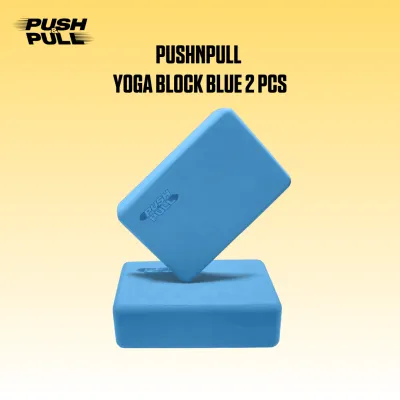
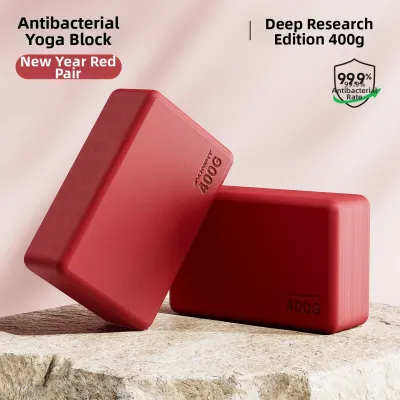
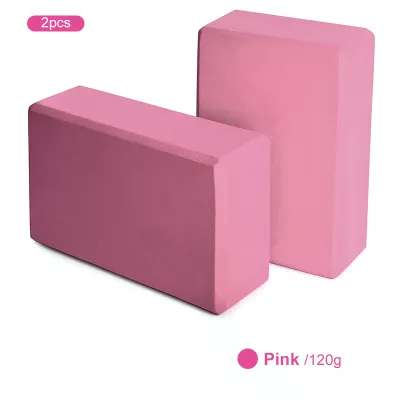
![[✅Sg Ready Stock] Yoga Block Brick RectangularHigh Density 200gram](https://img.lazcdn.com/g/p/c37c451a612d50ff7a0349e72a1d8116.jpg_400x400q80.jpg_.webp)
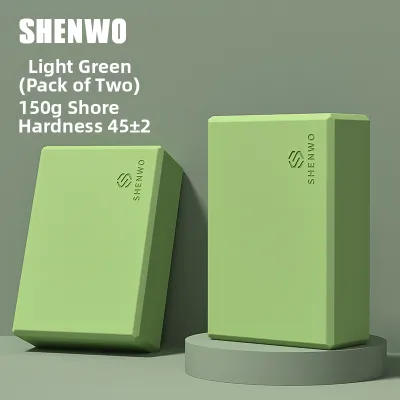
Prices are valid at publication and may change. Please refer to the product page for the latest price.

Grip and Moisture Management
Grip is your primary defense against slips and joint strain. When evaluating a block’s grip, consider its surface texture and material porosity. Standard EVA (ethylene-vinyl acetate) foam blocks feature a closed-cell structure. While this prevents moisture from absorbing into the block—making it easy to wipe clean—it also means sweat pools on the surface. In a humid environment or during a vigorous session, this surface moisture can turn the block slick, requiring you to drape a yoga towel over it to maintain traction. In contrast, cork is naturally porous and open-cell. It absorbs tiny amounts of moisture, which increases the coefficient of friction, providing a reliable, slip-resistant surface even when your hands are sweaty.
Density and Stability
Density determines how much a block compresses under your body weight. A block that is too soft will deform during standing balances like Half Moon Pose (Ardha Chandrasana), shifting your center of gravity and placing uneven strain on your wrists and ankles. High-density blocks provide a firm, unyielding surface that mimics the floor, allowing you to transfer weight safely. When shopping, do not rely on vague terms like “super firm.” Instead, check the manufacturer’s specifications for terms like “high-density EVA” or look for weight specifications; a heavier foam block generally indicates a denser, more supportive cell structure.
Durability and Structural Integrity
Durability is about how well a block resists chipping, flaking, and permanent indentation over time. Low-quality foam blocks often suffer from edge degradation, where the corners crumble after repeated contact with hard floors. Cork blocks, while highly resistant to compression, can chip or flake if dropped frequently or stored in damp, unventilated spaces. To verify structural quality, inspect the edge finishing. High-quality blocks feature generous, smooth bevels rather than sharp, raw cuts. For cork, look for fine-grain binding; blocks made from tightly packed, small cork granules are far less likely to flake than those made from large, loosely bound chunks.
Material Showdown: How Foam, Cork, and Wood Dictate Brand Quality
The differences between popular exercise block brands are fundamentally rooted in their choice of raw materials and manufacturing processes. Understanding these materials helps you predict how a block will perform in your home or studio.
EVA Foam Blocks
EVA foam is the most common material used for exercise blocks, valued for its lightweight nature and soft texture. High-quality foam blocks utilize high-density, closed-cell foam that offers a surprising amount of support while remaining comfortable against sensitive bones, such as the sacrum or spine in restorative poses. They are exceptionally easy to transport, making them the default choice if you regularly commute to fitness classes.
However, foam blocks have clear performance limits. Under heavy loads, even high-density foam will flex slightly, which can compromise stability during advanced arm balances. Furthermore, their closed-cell surface does not absorb sweat, meaning they can become slippery without a towel. In lower-tier brands, budget foam is highly susceptible to superficial damage; fingernails can leave permanent gouges, and the edges can peel or warp if exposed to direct sunlight or left in a hot car.
Cork Yoga Blocks
Cork blocks represent the premium tier of the yoga market, favored by dedicated practitioners for their weight and natural texture. Harvested from the bark of cork oak trees, this material is naturally dense, yielding very little under pressure. This firmness provides exceptional stability, giving you the confidence to transfer your full weight onto the block during deep lunges or inversions.
The standout feature of cork is its moisture-activated grip. The natural waxy substance in cork, suberin, provides excellent traction that actually improves as moisture increases. The main trade-off is weight; cork blocks are significantly heavier than foam, making them less convenient to pack in a daily gear bag. Additionally, while they do not lose their shape under compression, they are more brittle than foam. Dropping a cork block on a hard tiled floor can cause the corners to chip, and they require proper air-drying to prevent mildew in humid climates.
Wood and Bamboo Blocks
Wood and bamboo blocks are the traditional tools of alignment-focused practices, such as Iyengar yoga. These blocks offer absolute rigidity and maximum density, ensuring zero compression regardless of the force applied. They are virtually indestructible, often lasting a lifetime without any loss of structural integrity.
Because wood blocks are completely non-porous, they offer no natural grip when wet. They can feel slick under sweaty hands, meaning they must be paired with a high-traction mat or a grip towel. Their extreme hardness also means they are not suited for restorative poses where you must rest your weight on the block for extended periods, as they can bruise sensitive tissues. They are best reserved for precise alignment checks and home practices where portability is not a concern.
Brand Tiers: What to Expect from Premium vs. Budget Exercise Blocks
When browsing online marketplaces or specialty sports stores in Singapore, you will encounter a wide price spectrum for exercise blocks. Understanding what distinguishes a S$15 budget block from a S$50 premium block will help you invest your money wisely.
Premium Brand Attributes
Premium brands justify their higher price points through superior material sourcing and precision manufacturing. In the foam category, premium brands use ultra-high-density EVA that feels solid to the touch and resists fingernail punctures. Their cork blocks utilize fine-grain, sustainably harvested cork that is tightly bound with non-toxic adhesives, resulting in a smooth, non-flaking surface. You will also notice structural refinements, such as deep, rounded bevels that fit comfortably in the palm of your hand and reduce pressure on your wrists.
Budget Brand Characteristics
Budget-friendly blocks, typically priced under S$20, are almost exclusively made of standard-density EVA foam. While perfectly functional for beginners, these blocks often have sharp, poorly finished edges and a squishy texture that compromises stability. Under heavy use, they can develop a permanent curve or a “memory” of compression that skews your alignment.
How to Verify Quality Claims
To avoid greenwashing and misleading marketing, look for specific, verifiable specifications on product listings. Rather than relying on vague terms like “eco-friendly,” look for certifications such as OEKO-TEX or FSC-certified cork. Check the product weight in the specifications: a standard 4-inch foam block should ideally weigh at least 250 to 300 grams to ensure adequate density, while a quality cork block of the same size typically weighs between 700 and 1000 grams. If a listing fails to provide weight or density details, it is highly likely a lower-density, budget-tier product.
Decision Framework: Choose the Right Block for Your Needs
To finalize your purchase, match your specific practice habits, physical needs, and budget to the correct block category.
Choose premium cork brands if:
- You practice high-intensity, sweaty disciplines like Power Vinyasa or Hot Yoga, where moisture-activated grip is essential for safety.
- You require maximum stability for advanced balancing poses, inversions, or arm balances where a compressing block could cause wrist strain.
- You are establishing a permanent home practice space and prefer natural, highly durable materials that do not need frequent replacement.
Choose high-density foam brands if:
- You frequently commute to studios or travel, and need a lightweight block that will not weigh down your bag.
- Your practice focuses on restorative, yin, or therapeutic yoga, where you need a cushioned surface to support your spine, head, or pelvis.
- You have sensitive joints or bony prominences that find hard cork or wood surfaces painful during prolonged contact.
Choose budget foam blocks if:
- You are a complete beginner testing out yoga and want a low-cost entry point before committing to premium gear.
- You need to purchase multiple blocks (such as a set of four or more) for a home gym setup or gentle stretching routines.
Verify first if:
- You require non-standard dimensions. Standard blocks are typically 9" x 6" x 4", but if you have smaller hands, a 3-inch slim block may offer a more secure grip. Conversely, if you have limited flexibility, a larger 5-inch block can bring the floor closer to you, preventing over-straining. Always verify the physical dimensions on the product page before purchasing.
Frequently Asked Questions (FAQ)
How do I clean and maintain my cork yoga block to preserve its grip?
To maintain the natural grip and hygiene of a cork block, wipe it down after every practice with a damp cloth and a drop of mild, diluted soap. Avoid soaking the block in water or placing it under a running tap, as excessive moisture can degrade the natural binders holding the cork granules together. Never use harsh chemical cleaners, bleach, or abrasive scrubs, which can strip the cork’s natural slip-resistant oils. Because Singapore’s tropical climate is highly humid, always allow your cork block to air-dry completely in a well-ventilated, shaded area before storing it in a closed cupboard or bag to prevent mold growth.
Can I use standard exercise blocks for Pilates and floor workouts?
Standard yoga blocks can easily double as support tools for basic Pilates alignment, core exercises, and general floor mobility work. They are excellent for elevating your hips during seated postures or squeezing between your thighs to activate the adductor muscles. However, they are not a direct substitute for specialized Pilates equipment. Advanced Pilates routines often require specific apparatus like rollers, weighted balls, or blocks with integrated straps and sliding surfaces. Always verify the specific movement requirements of your workout program before substituting a standard yoga block, ensuring you do not compromise your form or safety.
Community discussion
Share your experience or ask a question. Comments are reviewed before publication.