
Quick Answer: Navigating Brand Claims Through Material Specs
When evaluating an exercise block, the brand name stamped on the surface is far less important than the material from which it is made. A brand’s performance in density, grip, and durability is fundamentally dictated by its base material—typically EVA foam, cork, or wood—rather than proprietary marketing claims. To make an informed choice, you must weigh the inherent physical trade-offs of these materials against your personal practice style and environment.
Ethylene-vinyl acetate (EVA) foam blocks are highly affordable, lightweight, and cushioned, but they offer lower density and can compress under heavy loads. Natural cork blocks provide a middle ground, offering firm support and excellent traction that actually improves when wet, though they are heavier and can chip over time. Wood and bamboo blocks deliver maximum density and near-infinite durability, but they lack any cushioning and can be slippery when coated in sweat.
To navigate brand claims successfully, look past vague buzzwords like “ultra-grip” or “premium support.” Instead, verify the exact material composition, weight, and surface texturing listed in the manufacturer’s technical specifications.
Products mentioned in this guide
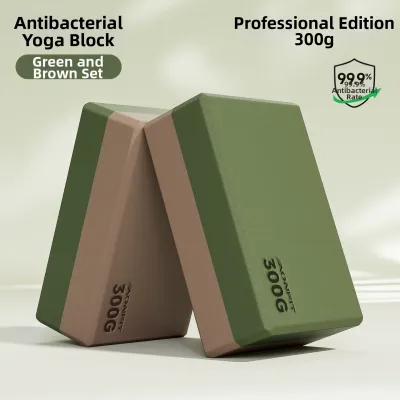

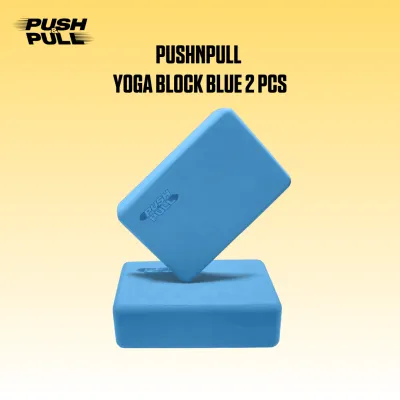
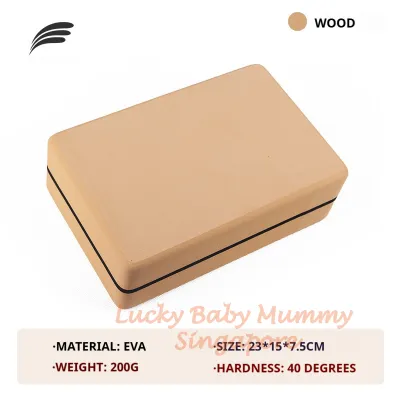
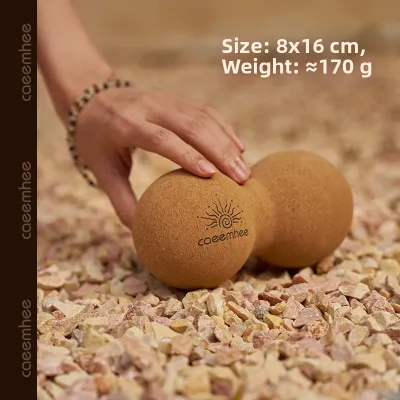
Prices are valid at publication and may change. Please refer to the product page for the latest price.
Decoding the Core Performance of an Exercise Block
Understanding the core performance attributes of an exercise block allows you to select a tool that matches your physical needs and practice environment. Whether you are holding a deep restorative pose or balancing your entire weight in an arm transit, three key performance attributes determine how the block behaves under pressure.

Density: Finding the Right Balance of Support and Comfort
Density refers to the material’s mass per unit volume, which directly translates to its compression resistance. A high-density block remains rigid under load, providing a stable foundation for balancing poses like Half Moon (Ardha Chandrasana), where your hand must rest on a solid surface. Conversely, a low-density block compresses easily, offering comfortable cushioning for sensitive joints but sacrificing stability.
To verify density before purchasing, look at the block’s weight and material specifications on the packaging or product page. High-density EVA foam blocks typically weigh more than standard foam blocks of the same size. If you are shopping in person, perform a simple physical press test: press your thumb firmly into the center of the block. If it leaves a deep, slow-to-recover indentation, the density is low; if the material resists your pressure and springs back immediately, it offers the structural integrity needed for active support.
Keep in mind that higher density almost always correlates with increased weight. While a heavy, dense block provides superior stability on your studio floor, it will add noticeable weight to your gear bag if you commute regularly.
Grip: Managing Sweat and Surface Texture
Traction is a multi-faceted attribute that changes depending on whether your hands are dry or wet. Dry traction refers to the initial slip resistance of the block against your skin and the floor. Wet grip becomes critical during dynamic or heated practices where sweat coats the surface, threatening to turn a stable support into a hazardous sliding hazard.
To compensate for naturally non-porous materials like closed-cell EVA foam, manufacturers often apply surface textures. Look for embossed geometric patterns, cross-hatching, or brushed finishes that create physical friction. Natural materials like cork have inherent microscopic pores that absorb moisture, actually improving your grip as your hands sweat.
In humid environments or during intense hot yoga sessions, managing moisture is paramount. A block that lacks adequate texture or moisture-wicking properties will become slippery, forcing your muscles to overcompensate to maintain alignment. When evaluating a block, check the product specifications for terms like “closed-cell” (which repels sweat but requires deep surface texturing) or “open-cell/porous” (which absorbs moisture to maintain grip but requires more frequent sanitization).
Durability: Assessing Long-Term Wear and Tear
The durability of an exercise block determines how well it retains its shape, texture, and structural integrity over years of regular use. The most common failure points include compression set—where the block permanently loses its shape and develops flat spots—as well as edge chipping, corner crumbling, and surface peeling.
High-quality construction is often visible in the finishing details. Inspect the edges of the block; beveled edges are not just more comfortable to grip, but they also distribute impact forces better than sharp 90-degree corners, reducing the risk of chipping if the block is dropped. If you are considering a multi-layer or wrapped design, check how the layers are bonded. Poorly laminated foam blocks tend to split along the seams under repeated shear stress.
For natural materials like cork or wood, durability is tied to the quality of the raw material and the sealing process. Low-grade cork blocks made from coarsely ground composite particles without strong binders are highly prone to crumbling along the edges. Solid wood blocks, while virtually indestructible, must have a high-quality, sweat-resistant finish to prevent the grain from swelling or splintering over time.
Material Profiles: The True Driver of Brand Performance
Because material properties dictate how an exercise block performs, understanding the strengths and limitations of EVA foam, cork, and wood is the most reliable way to evaluate any brand’s offerings.
EVA Foam Blocks: Lightweight and Cushioned
Ethylene-vinyl acetate (EVA) foam is the most common material used for exercise blocks due to its versatility and cost-effectiveness. These blocks are highly affordable, exceptionally lightweight, and provide excellent shock absorption. This cushioning makes them highly comfortable when placed under the sacrum, knees, or head during restorative and Yin yoga practices.
However, EVA foam has inherent structural limitations. Under high-weight loads, such as arm balances or deep standing splits, even high-density foam blocks will compress slightly, which can compromise your balance. Additionally, smooth-finished EVA foam becomes notoriously slippery when coated in sweat, making deep surface textures or the use of a yoga towel essential for active practices.
The durability of an EVA block varies significantly based on its expansion ratio during the manufacturing process. Cheap, low-density foam blocks degrade rapidly, showing deep permanent indentations and edge warping within a few months of use. High-density, closed-cell EVA blocks resist water absorption and retain their shape much longer, making them a more reliable investment.
Cork Blocks: Firm Support and Natural Traction
Natural cork blocks are favored by intermediate and advanced practitioners for their unique combination of structural rigidity and tactile feedback. Cork is naturally dense, providing a solid, unyielding feel that closely rivals wood but with a slightly softer surface texture. This makes them highly stable for challenging standing poses and deep backbends.
One of cork’s greatest advantages is its performance under wet conditions. The natural cellular structure of cork acts like tiny suction cups, and the material actually becomes grippier as it absorbs slight amounts of moisture from your hands. However, this porosity means cork blocks require careful maintenance. In humid climates, a wet cork block that is thrown directly into a dark gym bag can trap moisture, leading to unpleasant odors or mold growth.
Furthermore, cork is heavier than foam, making it less convenient for daily commuting. The edges are also susceptible to minor chipping if dropped repeatedly on hard surfaces. To ensure longevity, check manufacturer descriptions for high-density, fine-grain cork compositions and non-toxic binders that resist crumbling.
Wood and Bamboo Blocks: Unyielding Density and Longevity
Wood and bamboo blocks represent the premium, traditional end of the exercise block spectrum. Typically crafted from hollow or solid hardwoods like maple, birch, or sustainable bamboo, these blocks offer absolute structural rigidity. They will never compress, warp, or lose their shape, regardless of the weight applied to them.
This unyielding nature makes them the gold standard for precise alignment work, Iyengar yoga, and therapeutic practices where absolute stability is required. Their lifespan is virtually unmatched; a well-made wood block can easily last a lifetime. On the downside, wood blocks offer zero cushioning, which can feel uncomfortably hard against bony areas like the spine or pelvis.
They are also the heaviest option, making them impractical for mobile yogis. In terms of grip, a smooth, varnished wood surface can become highly slippery when wet. If you choose a wood or bamboo block, verify that it features a fine-sanded, non-slip matte finish and a non-toxic sealant that protects the wood from sweat absorption without creating a slick surface.
Decision Framework: Which Block Fits Your Practice?
To choose the right exercise block, you must align the material’s physical properties with your specific style of practice, physical needs, and lifestyle. Use the following guidelines to select the ideal option:
Choose EVA Foam if:
- Your practice consists primarily of Yin, restorative, or gentle hatha yoga where comfort and joint cushioning are priorities.
- You frequently travel or commute to studios and require a lightweight block that will not weigh down your bag.
- You are a beginner exploring yoga and want an affordable, low-risk entry point.
Choose Cork if:
- Your practice consists of active, flowing styles like Vinyasa, Ashtanga, or Power yoga where you need absolute stability during standing balances.
- Your hands sweat during practice, and you require a surface that maintains traction when wet.
- You prefer sustainable, natural materials and do not mind carrying a slightly heavier block in your gear bag.
Choose Wood/Bamboo if:
- You focus on Iyengar yoga, alignment-based practices, or deep therapeutic work where a completely rigid, unyielding support is necessary.
- You practice primarily at home and do not need to transport your blocks.
- You want a highly durable, heirloom-quality product and are comfortable using towels or blankets to pad sensitive joints when needed.
Verify first if:
- Before finalizing your purchase, always check the block's physical dimensions. The standard industry size is 4 x 6 x 9 inches (approximately 10 x 15 x 23 cm), which offers three distinct heights depending on how the block is oriented. If you have smaller hands or limited flexibility, a slightly narrower 3-inch block may be easier to grip and position. Conversely, verify that the weight of the block fits comfortably within your daily carrying capacity.
Maintenance and Care for Long-Term Durability
Proper maintenance preserves both the grip and the structural integrity of your exercise block, maximizing your investment. Because these tools come into direct contact with sweat and skin oils, regular, gentle cleaning is essential.
For all materials, start with the most conservative, reversible cleaning method. Wipe the surface down with a soft microfiber cloth slightly dampened with water and a drop of mild, pH-neutral dish soap. Avoid harsh chemical cleaners, bleach, or abrasive scrubbing pads, which can degrade the surface of EVA foam, strip the natural protective oils from cork, or ruin the finish on wood.
Drying is the most critical step in preserving your block, especially in humid environments. After cleaning, or after an intense, sweaty practice, allow your block to air-dry completely in a well-ventilated space. Keep them out of direct sunlight, as intense UV rays can cause EVA foam to warp and discolor, cork to dry out and crack, and wood to split.
Never submerge cork or wood blocks in water, as excessive moisture will penetrate the material, causing swelling, warping, and internal mold growth. Always consult the specific care instructions provided by the manufacturer on the product label before applying any cleaning solutions or sanitizing sprays.
Frequently Asked Questions (FAQ)
What size exercise block should a beginner choose?
Beginners should generally opt for a standard 4 x 6 x 9-inch block. This size is the industry standard because its three distinct dimensions allow you to adjust the height of the support as your flexibility improves. If you have smaller hands or find the standard size difficult to grasp firmly, a 3 x 6 x 9-inch block offers a more manageable grip while still providing sufficient height options.
How do I clean a cork yoga block without damaging it?
To clean a cork block safely, wipe it down with a damp cloth and a very dilute solution of water and mild dish soap or white vinegar. Never submerge the block or place it under running water, as cork is porous and will trap moisture inside. After wiping, dry the surface immediately with a clean towel and leave the block in a well-ventilated, shaded area to air-dry completely before storing it.
Are heavier blocks necessary for restorative yoga?
No, heavier blocks are not necessary for restorative practices. Restorative yoga focuses on comfort, passive stretching, and long-held poses where the block is placed under the body for gentle support. Lighter, high-quality EVA foam blocks are actually preferred for this style because they offer cushioned comfort against the body, whereas heavy, rigid cork or wood blocks can feel too hard and cause discomfort over extended periods.
Community discussion
Share your experience or ask a question. Comments are reviewed before publication.