
Selecting the right exercise mat in Singapore requires balancing thickness, material density, and your specific workout environment. Premium brands focus on high-density materials in standard thicknesses (4mm to 5mm) to deliver stability and grip, while budget brands often offer thicker mats (6mm to 15mm) made of low-density foam for basic cushioning. The ideal choice depends on whether you prioritize joint protection, portability, or high-intensity traction.
In Singapore’s warm, humid climate, moisture management and material durability are critical factors. A mat that performs well in an air-conditioned studio may become slippery or degrade quickly if used for outdoor workouts in tropical heat. Understanding how different brands design their mats across various thickness ranges and materials will help you make an informed investment that supports your fitness routine and lasts for years.
Quick Guide: Matching Mat Thickness and Brand Tiers to Your Workout
Finding the right match between mat thickness and brand tier depends on your primary exercise discipline, joint health, and where you plan to train.
Products mentioned in this guide
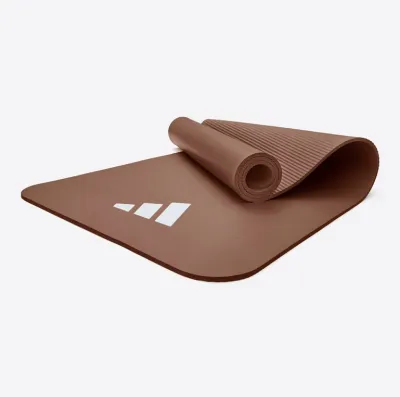
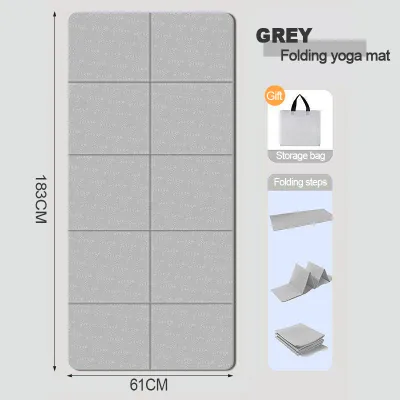
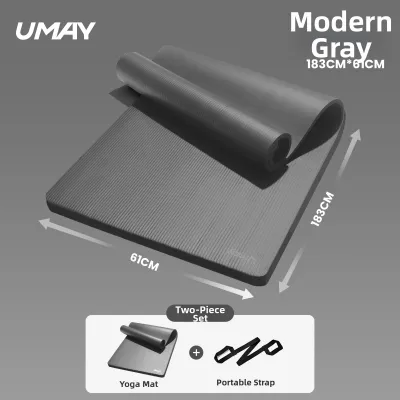
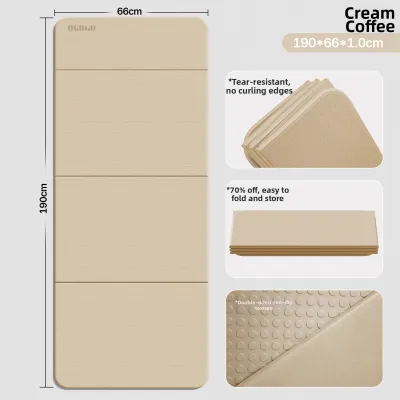
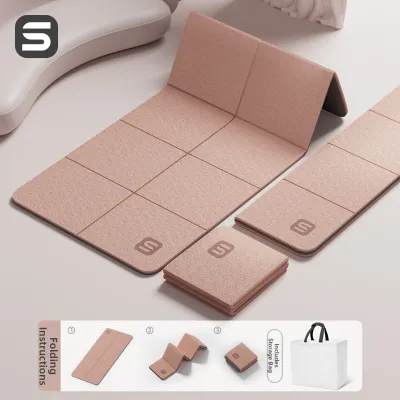
![[BEST SELLER]Balance Foam Pad Yoga Mat Exercise Non-slip Waterproof Soft for Fitness Training](https://img.lazcdn.com/g/p/ecdbe1ded9c6362a36a977bc38118d05.jpg_400x400q80.jpg_.webp)
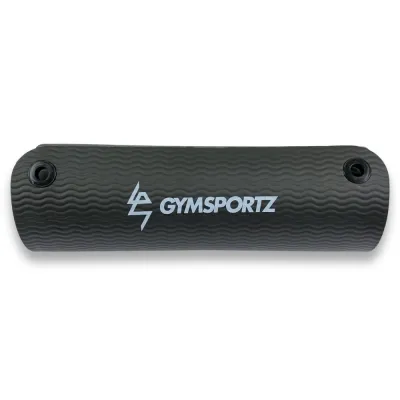
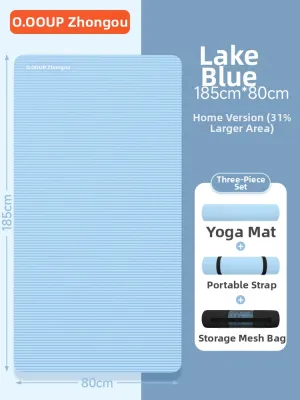
Prices are valid at publication and may change. Please refer to the product page for the latest price.
- Choose a Premium High-Density Mat (4mm to 5mm) if you practice dynamic yoga, hot yoga, or stability-focused exercises and require reliable grip in high-humidity environments. These mats, typically made from natural rubber or polyurethane (PU), offer excellent ground feedback and do not compress fully under pressure, protecting your joints during balance poses.
- Choose a Mid-Range Blended Mat (5mm to 6mm) if you want a balance of cushioning and stability for general home workouts, Pilates, and bodyweight exercises. Often constructed from high-quality Thermoplastic Elastomer (TPE) or blended synthetic rubbers, these mats are lightweight, easy to roll, and provide comfortable cushioning for floor work without completely sacrificing standing balance.
- Choose a Budget Thick Mat (10mm to 15mm) if you primarily perform floor-based restorative exercises, core workouts, or stretching, and do not require high standing stability. These mats, usually made of Nitrile Butadiene Rubber (NBR) or low-density polyethylene foam, prioritize maximum vertical cushioning to protect sensitive knees and hips from hard tile or concrete floors.
Premium brands focus on high-density, standard-thickness mats because dense materials prevent your joints from bottoming out against the hard floor. Conversely, budget brands often maximize thickness using lower-density foam to provide a soft initial feel, though these mats can compress completely under concentrated weight and slide during lateral movements. There is no single best brand; the right choice depends on whether your priority is joint support, portability for public transport commutes, or high-intensity grip.
Thickness Options Across Brands: Stability, Cushion, and Portability
Exercise mat thickness is not just about comfort; it directly affects your balance, joint alignment, and how easily you can transport your gear. Brands categorize their product lines into distinct thickness tiers to target specific user needs and workout environments.

Thin Mats (1mm – 3mm): Stability and Travel
Thin mats, ranging from 1mm to 3mm, are designed primarily for portability and maximum ground feedback. Premium and travel-focused brands manufacture these mats using dense materials like natural rubber, allowing them to be folded into tight squares or rolled tightly to fit into standard backpacks or travel luggage. This makes them highly convenient for fitness enthusiasts in Singapore who commute via MRT or buses to outdoor parks or offices before heading to the gym.
Because these mats offer minimal vertical cushioning, they require good joint health and strong wrist and ankle stability. They are best suited for dynamic yoga flows, active stretching, or as a hygienic topper over studio-provided mats. When using a travel mat on hard surfaces, you must rely on your body’s natural alignment and joint strength, as the thin material provides very little impact absorption.
Standard Mats (4mm – 5mm): The Versatile Middle Ground
Standard mats measuring 4mm to 5mm represent the industry benchmark for versatility, balancing cushioning with standing stability. Professional and mid-range brands standardize this thickness because it provides enough compression to protect the knees, elbows, and spine during floor work while remaining firm enough to prevent wobbling during standing balance poses.
In this standard range, material density is far more critical than an extra millimeter of thickness. A high-density 4mm mat made of natural rubber or polyurethane will feel more supportive and stable than a low-density 6mm synthetic foam mat. The dense core supports your body weight evenly, ensuring that your hands and feet do not sink to the floor, which helps prevent wrist strain and maintains proper skeletal alignment.
Thick Mats (6mm+): Joint Support and Restorative Work
Thick mats, starting at 6mm and extending up to 15mm, are designed for maximum impact absorption and joint support. Budget and wellness-focused brands offer these thicker options to cater to individuals performing floor-heavy routines, Pilates, restorative yoga, or physical therapy exercises where standing balance is not the primary focus.
While these mats provide excellent initial comfort for sensitive joints, excessive thickness can compromise your balance in standing poses. The soft, pillowy surface of a thick, low-density foam mat allows your feet to sink, making it difficult to maintain ankle stability and potentially increasing the risk of strains. When selecting a thick mat, always check the core density; high-quality thick mats should feel heavy and firm to the touch, indicating they will not bottom out completely under your body weight.
Decoding Material Quality: What Brand Labels Actually Mean
Brand marketing often features proprietary terms for materials, but almost all exercise mats are constructed from a few primary synthetic or natural polymers. Understanding these materials allows you to evaluate durability, grip, and maintenance requirements objectively.
PVC and TPE: Synthetic Options and Density
Polyvinyl Chloride (PVC) is one of the most traditional materials used in exercise mats. High-end brands use dense, closed-cell PVC to create incredibly durable mats that resist tearing, stretching, and flaking even after years of daily use. Because closed-cell PVC does not absorb moisture, sweat stays on the surface, making these mats easy to wipe clean and sanitize. However, this means they can become slippery when wet, requiring a grip towel during high-intensity or hot workouts.
Thermoplastic Elastomer (TPE) is a lighter, more flexible synthetic alternative. TPE mats are typically PVC-free, biodegradable, and offer a soft, rubber-like texture at a fraction of the weight of natural rubber. This makes TPE an excellent choice for home use and casual workouts. However, TPE is less heat-resistant than PVC or rubber; leaving a TPE mat in a hot car trunk or under direct sunlight in Singapore’s tropical climate can cause the material to warp, degrade, or lose its elasticity over time.
Natural Rubber and PU: Open-Cell Grip and Care Requirements
Premium and eco-conscious brands frequently use natural rubber, often paired with a Polyurethane (PU) top layer, to deliver superior wet and dry grip. Natural rubber provides excellent natural density, weight, and springiness, ensuring the mat stays firmly planted on the floor without slipping. The addition of a PU top layer creates a smooth, matte surface that offers exceptional traction even when your hands are heavily sweating.
These materials typically utilize an open-cell structure, meaning they absorb moisture and sweat to maintain surface friction. While this prevents slipping during intense workouts, it also means the mat absorbs oils, dirt, and bacteria. Consequently, natural rubber and PU mats require strict adherence to the manufacturer’s specific cleaning and drying instructions. They must be cleaned regularly with gentle, non-oil-based solutions and allowed to air dry completely in a shaded, well-ventilated area to prevent deep-seated odors and premature material degradation.
Verifying Certifications and Off-Gassing
Many synthetic and natural mats emit a distinct chemical or rubber odor when first unpacked, a process known as off-gassing. To ensure your mat is free from harmful levels of chemicals, phthalates, or heavy metals, look for independent, third-party safety certifications on the brand’s website or packaging rather than relying on unverified “non-toxic” marketing claims.
- OEKO-TEX Standard 100: Certifies that the textile and polymer components have been tested for harmful substances and are safe for direct skin contact.
- SGS Certification: Verifies that the materials comply with regional chemical safety standards and do not contain restricted hazardous substances.
When you receive a new mat, follow the manufacturer’s guidelines for airing it out. This typically involves unrolling the mat and placing it in a well-ventilated, shaded indoor space for 24 to 72 hours. Avoid placing new mats in direct sunlight, as UV rays can rapidly dry out natural rubber or warp synthetic TPE foams.
Evaluating Brand Value: Premium, Mid-Range, and Budget Segments
To find the right balance between cost and performance, it helps to understand what each brand tier offers in terms of material quality, durability, and overall value in the Singapore market.
Premium and Professional Brands
Premium brands, with prices typically ranging from S$100 to over S$200, target dedicated practitioners, yoga instructors, and fitness enthusiasts who train daily. These brands invest heavily in high-density natural rubber, advanced polyurethane formulations, or ultra-durable closed-cell PVC. The manufacturing processes are tightly controlled to ensure consistent thickness, slip resistance, and structural integrity.
The high upfront cost of a premium mat is often justified by its longevity. A high-density professional PVC mat, for example, can last for a decade or more of heavy use without losing its shape or grip, making the cost-per-use highly economical over time. Furthermore, premium brands often offer structured warranties and detailed care support, providing peace of mind for your investment.
Mid-Range and Everyday Fitness Brands
Mid-range brands, generally priced between S$40 and S$90, offer an excellent compromise for casual to regular fitness enthusiasts. These brands typically utilize high-quality TPE, blended synthetic rubbers, or lighter-weight natural rubber formulations. They provide reliable cushioning, decent surface traction, and sufficient durability for three to four workouts a week without the heavy weight or high price tag of professional-grade mats.
For most home gym setups or weekly studio classes, a mid-range mat delivers outstanding value. They are light enough to carry comfortably on public transport while offering a significant upgrade in support and grip compared to basic budget foams. However, they may wear out faster than premium mats if subjected to high-impact training with shoes or left in humid, unconditioned spaces.
Budget and Entry-Level Options
Budget mats, widely available on online marketplaces and in general sporting goods stores for under S$30, are designed for beginners, occasional stretchers, or those on a tight budget. These mats are almost exclusively made from lightweight NBR or low-density polyethylene foam. They are highly cushioned and very light, making them comfortable for basic floor exercises like sit-ups or physical therapy stretches.
However, budget mats have notable performance limitations. The low-density foam is highly porous and prone to stretching, tearing, or flaking when subjected to lateral forces, such as during mountain climbers or lunges. They also tend to retain compression dents where your knees or elbows press down, meaning they offer decreasing support over a single workout session. Inspect the weight-to-thickness ratio carefully before buying; extremely light but thick mats will wear out quickly under regular use.
Pre-Purchase Checklist: Verifying Specs, Density, and Warranties
Before finalizing your purchase, use this step-by-step checklist to verify that the mat you are buying matches your physical needs and quality expectations.
- Check the Weight-to-Thickness Ratio: To assess density without touching the mat, compare its weight to its thickness. A standard 5mm natural rubber mat should weigh between 2.5kg and 3.2kg. If a 10mm mat weighs less than 1kg, it is made of low-density foam that will compress easily and offer poor standing stability.
- Perform the Thumb Press Test (In-Store): If shopping in person, press your thumb firmly into the mat's surface. A high-density mat will resist deep compression and rebound almost instantly when you release pressure. If your thumb leaves a deep, slow-to-recover indentation, the mat lacks the structural density required for joint support and balance.
- Evaluate the Surface Texture: Run your hand over the surface to check the mechanical grip. Look for textured patterns, open-cell surfaces, or matte finishes that provide friction. Smooth, shiny synthetic surfaces are highly likely to become slippery once you begin to sweat.
- Review Care and Cleaning Requirements: Read the manufacturer's care instructions before purchasing. Natural rubber and PU mats often require specialized, alcohol-free cleaners and cannot be exposed to direct sunlight. If you prefer low-maintenance gear, a closed-cell PVC or TPE mat that can be quickly wiped down with mild soap and water may be more suitable.
- Verify Warranty and Return Policies: Check if the brand offers a warranty against manufacturing defects, flaking, or premature wearing. Be aware that using incorrect cleaning chemicals or leaving natural materials in harsh environments can void these warranties.
- Assess Your Health Limits: If you have pre-existing joint issues, chronic pain, or medical conditions requiring specialized support, prioritize high-density cushioning. Always consult a healthcare professional or a qualified fitness trainer to determine the appropriate level of joint protection for your body. Equipment cannot replace proper exercise form and professional medical guidance; stop exercising immediately if you feel sharp pain.
Frequently Asked Questions (FAQ)
How do I clean a natural rubber exercise mat without damaging it?
Natural rubber is a sensitive, biodegradable material that requires gentle, brand-specific care to prevent drying out or losing its grip. Clean your mat using a soft cloth dampened with a highly diluted mixture of mild, oil-free soap and water, or use a specialized natural rubber mat wash recommended by the manufacturer. Never use harsh household detergents, bleach, alcohol, or essential oils, as these can break down the rubber compounds and destroy the mat’s natural traction. Always allow the mat to air dry completely in a shaded, well-ventilated indoor area before rolling it up, and never expose it to direct sunlight or machine washing, which will warp and degrade the material.
Is a thicker exercise mat always better for joint pain?
No, a thicker mat is not automatically better for joint pain, and can sometimes make joint discomfort worse if the material lacks density. Very thick, low-density foam mats (such as cheap 10mm to 15mm NBR mats) compress completely under concentrated weight, meaning your wrists, knees, or elbows will still press directly against the hard floor underneath. Furthermore, the unstable, squishy surface of low-density mats makes it harder to maintain balance, placing extra strain on your ankles, knees, and wrists as they constantly adjust. To protect painful joints, prioritize high-density materials (like natural rubber or dense PVC) in a standard 5mm to 6mm thickness, which provide firm, consistent support without bottoming out. For persistent or severe joint pain, always consult a healthcare professional for personalized advice.
Can I use a standard yoga mat for high-intensity interval training (HIIT)?
Using a standard, open-cell yoga mat for high-intensity interval training (HIIT) is generally not recommended. Standard yoga mats are designed for barefoot use and slow, controlled movements; the lateral forces from rapid movements like burpees, mountain climbers, or lateral jumps can easily stretch, tear, or wear down the delicate surface, especially if you wear training shoes. Additionally, heavy sweating during HIIT can saturate open-cell mats, making them slippery and difficult to clean. For high-impact, shoe-based workouts, look for specialized cross-training or utility mats designed with high-density, closed-cell structures that resist shoe friction and can be easily wiped clean afterward.
Community discussion
Share your experience or ask a question. Comments are reviewed before publication.