
Selecting the right exercise mat thickness is a balancing act between joint cushioning and physical stability. There is no single option that suits every workout style, skill level, or body size. A mat that is too thin can cause discomfort in your knees, wrists, and spine during floor exercises, while a mat that is too thick can make you feel unstable and wobbly during standing poses or dynamic movements. To find your ideal setup, you must evaluate how you train, where you practice, and how much support your joints require.
Understanding the Trade-Off: Cushioning vs. Stability
The physical thickness of an exercise mat directly influences how your body interacts with the floor. When you perform floor-based movements, such as kneeling lunges, planks, or lying abdominal work, a thicker mat compresses under your weight to absorb impact. This compression reduces the direct pressure transferred to your joints, making the surface feel more comfortable. For individuals with sensitive joints or those recovering from minor discomfort, this extra cushioning can make a significant difference in overall comfort.
However, this same cushioning introduces a physical trade-off when you transition to standing movements. A thicker, softer surface compresses unevenly under your feet, which reduces ground feedback and makes it harder to maintain your balance. During standing yoga poses, single-leg balances, or rapid lateral movements in high-intensity workouts, a highly compressible mat can cause your ankles to wobble, increasing the risk of losing your footing.
Products mentioned in this guide
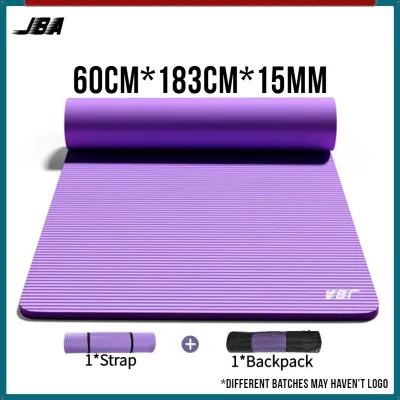
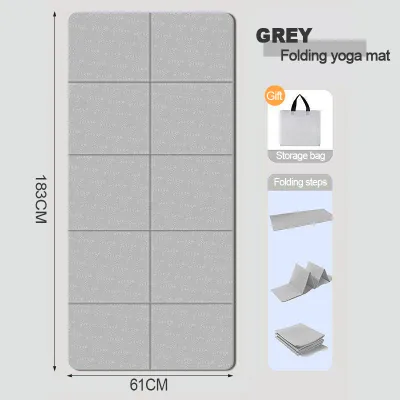
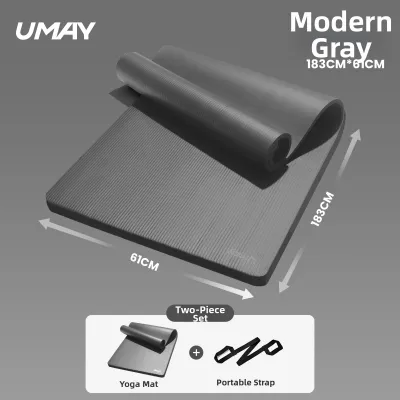
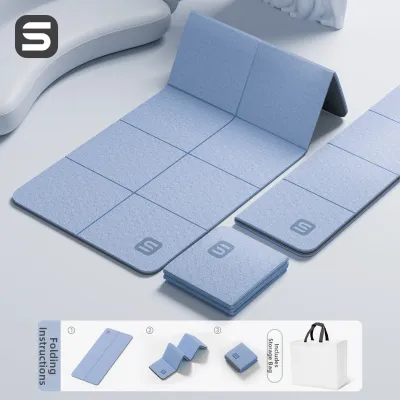

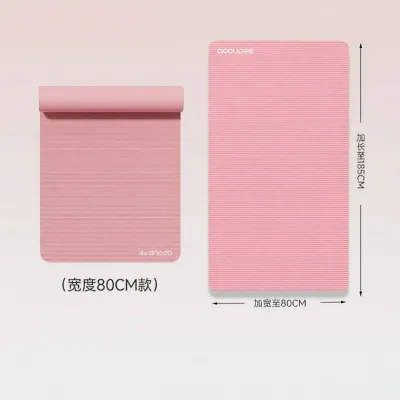
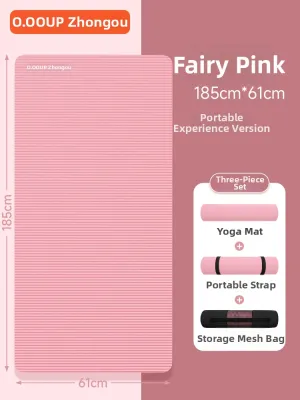
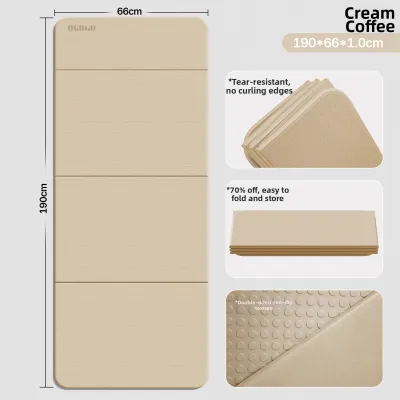
Prices are valid at publication and may change. Please refer to the product page for the latest price.
Conversely, a thinner mat keeps your feet and hands closer to the solid subfloor, providing immediate sensory feedback and excellent stability. This firm connection is essential for maintaining alignment and balance. The trade-off is that a thin mat offers minimal impact absorption, meaning your knees, wrists, and tailbone will bear the full force of the hard floor underneath during kneeling or lying exercises. Ultimately, the right balance is highly subjective and depends on your primary exercise modality, body weight, and personal joint sensitivity.
Matching Mat Thickness to Your Workout Style
To simplify your search, exercise mats are generally grouped into three main thickness categories: thin, medium, and thick. Each category is designed with specific training intentions in mind, from highly stable grounding to maximum joint protection. Understanding these categories allows you to match the mat’s physical properties to your typical workout routine and know exactly what specifications to verify on the product label before purchasing.

Thin Mats (Around 3mm–5mm) for Stability and Grounding
Thin mats, typically ranging from 3mm to 5mm, are engineered for activities where stability, balance, and a strong connection to the ground are paramount. These mats are the standard choice for active yoga practices, such as Vinyasa or Ashtanga, as well as classical Pilates and certain martial arts drills. By keeping you close to the floor, a thin mat prevents the swaying and instability that can disrupt your alignment during complex standing poses or rapid footwork.
Because thin mats provide very little physical cushioning, you cannot rely on thickness alone to keep you secure. Instead, you must rely heavily on the mat’s surface texture and material grip to prevent your hands and feet from slipping. When shopping for a thin mat, it is crucial to check the manufacturer’s specifications for surface grip claims and intended use. Look for materials that offer high traction even when exposed to moisture, especially if you practice in warm, humid environments.
Before committing to a thin mat, you should also verify its firmness. A high-quality thin mat should feel dense rather than spongy. If the material is too soft, it will bottom out completely under your body weight, leaving your joints pressing directly against the hard floor. If you frequently experience wrist or knee discomfort during floor work, a thin mat may require you to fold the mat over for extra padding or use a separate knee pad during specific exercises.
Medium Mats (Around 5mm–6mm) for Versatile Routines
Medium-thickness mats, usually measuring between 5mm and 6mm, serve as a versatile middle ground for individuals who perform a variety of workout styles. If your weekly routine includes a mix of light calisthenics, general stretching, beginner-friendly yoga, and core exercises, a medium mat offers a practical compromise. It provides enough cushioning to take the edge off hard floors during kneeling movements while remaining firm enough to support basic standing balances.
However, the effectiveness of a medium mat depends heavily on its material density. A common pitfall is choosing a medium mat made from low-density foam that compresses too easily under pressure. When a mat lacks structural density, your body weight will push right through the 5mm or 6mm of foam, effectively giving you the joint protection of a much thinner mat without any of the stability benefits.
To avoid this, always verify the mat’s material density and weight capacity on the product specifications. High-density materials, such as natural rubber or dense thermoplastic elastomer (TPE), maintain their shape and support your body weight without collapsing completely. A heavier mat in this thickness range often indicates a denser, more durable construction that will provide consistent support during dynamic movements.
Thick Mats (8mm and Above) for Joint Protection and Floor Work
Thick mats, measuring 8mm, 10mm, or even up to 15mm, are designed primarily for floor-dominant workouts where joint protection and comfort are the absolute priorities. These mats are ideal for dedicated core training, abdominal workouts, physical therapy, rehabilitation exercises, and high-impact kneeling or lying movements. The substantial foam barrier ensures that your spine, hips, and knees are well-insulated from the hard floor, allowing you to focus on your form without distraction.
While thick mats excel at floor comfort, they present significant stability limitations. The thick, spongy material makes it highly challenging to perform standing poses or rapid lateral movements safely. Your feet will sink into the foam, which can cause your ankles to roll or wobble during dynamic exercises. If your workout involves jumping, quick directional changes, or standing balance work, a thick, soft mat is generally not recommended as it can compromise your footing.
Additionally, you must consider the practical aspects of storage and transport. Thicker mats are inherently bulkier and heavier than their thinner counterparts. When rolled up, an 8mm or 10mm mat takes up considerable space, making it more difficult to fit into a standard gym bag or carry on public transport. Before purchasing, check the product’s listed weight and rolled dimensions to ensure it fits your home storage setup and is manageable to transport if you plan to use it outside your home.
Beyond Thickness: Other Specifications to Verify
While thickness is a primary factor in choosing an exercise mat, it does not work in isolation. Several secondary specifications dictate how a mat performs in real-world conditions, and verifying these details on the product tag or manufacturer’s website will help you make a more informed decision.
Material and Density
The material composition of your mat determines its durability, weight, and compression resistance. Common materials include Polyvinyl Chloride (PVC), Thermoplastic Elastomer (TPE), and natural rubber. PVC is highly durable and budget-friendly but can vary wildly in density. TPE is lightweight and offers moderate cushioning, while natural rubber is heavy, highly dense, and provides excellent natural grip. Always check the product tag to verify the material and look for high-density options to ensure the mat does not bottom out during use.
Surface Texture and Grip
A mat’s grip is determined by its surface texture and whether it features an open-cell or closed-cell construction. Open-cell mats absorb moisture, which helps maintain traction during sweaty workouts, but they require more frequent and deep cleaning to prevent odors. Closed-cell mats repel moisture, making them easier to wipe clean after a workout, but they can become slippery when wet. Verify the manufacturer’s care instructions and grip ratings to ensure the surface matches your sweating level and cleaning preferences.
Physical Dimensions
Do not assume all mats are the same size. Standard mats are typically around 173 cm to 183 cm in length and 61 cm in width. If you are taller, or if your workouts involve wide-reaching movements, you may find yourself constantly slipping off the edges of a standard mat. Verify the physical dimensions of the mat before buying to ensure it comfortably accommodates your height and fits within your designated workout space at home.
Decision Framework: Choosing Your Ideal Mat
To finalize your decision, use this conditional framework to match your primary training needs with the correct mat specifications:
- Choose a thinner mat (3mm–5mm) if: Your routine focuses heavily on standing balances, grounding, and active yoga styles. You prioritize stability, precise foot alignment, and easy portability for commuting to a studio.
- Choose a medium mat (5mm–6mm) if: You practice a mix of floor work and standing exercises. You need a versatile, all-in-one mat for general home fitness, provided you verify that the material is high-density to prevent bottoming out.
- Choose a thick mat (8mm+) if: Your routine consists almost entirely of floor exercises, core work, stretching, or rehabilitation. You experience joint discomfort on hard surfaces and do not require a stable platform for standing or dynamic movements.
- Verify first if: You have specific physical therapy requirements, existing joint injuries, or plan to use the mat for high-intensity interval training (HIIT) involving heavy jumping. High-impact jumping and heavy home gym equipment may require specialized high-density interlocking floor tiles rather than a standard roll-up exercise mat to ensure safety and floor protection.
Frequently Asked Questions (FAQ)
Can I use a thick mat for yoga?
While you can use a thick mat for gentle, restorative, or purely seated yoga sessions, it is generally not recommended for active styles that involve standing poses. A thick, compressible surface reduces your connection to the ground, making it difficult to maintain balance in poses like Tree Pose or Warrior III. If you want to use a thick mat for its joint comfort during floor work, consider testing your balance on it first, or keep a thinner, high-grip mat on hand specifically for your standing practices.
Does a thicker mat always mean better quality or durability?
No, thickness only indicates the physical volume of the material, not its structural integrity or lifespan. A thick mat made from low-density, inexpensive foam will degrade, tear, and compress permanently under your weight much faster than a thinner, high-density mat made from natural rubber or premium TPE. To assess true durability, ignore the thickness and instead check the manufacturer’s stated material density, weight, and care instructions.
Community discussion
Share your experience or ask a question. Comments are reviewed before publication.