
Direct Answer: Choosing Between FABX and Competitors for Mobility
Selecting the right resistance band for your recovery and mobility routine depends on your specific physical goals, budget, and material preferences. The FABX resistance band presents a compelling option if you prioritize specific fabric blends, textured grips, and mid-range resistance levels for daily stretching.
However, your choice should shift toward specialized clinical brands if you require highly precise, low-resistance increments for clinical rehabilitation. Alternatively, general fitness brands may be more suitable if you are looking for basic, budget-friendly options readily available in Singapore.
Ultimately, the right band is the one that matches your current physical capacity and allows you to perform exercises with proper form. Before making a decision, it is essential to evaluate how each brand’s specifications align with your daily movement practice.
Products mentioned in this guide
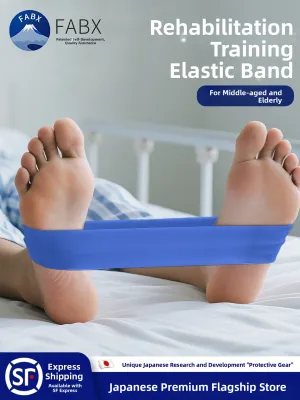
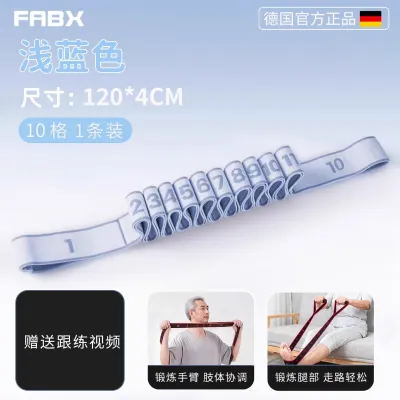
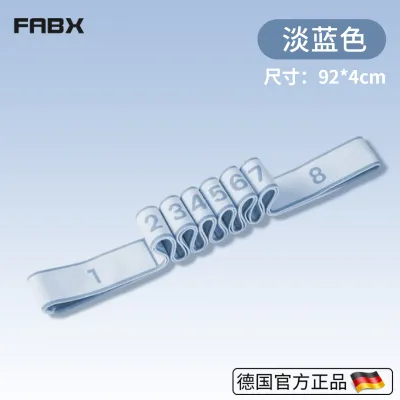
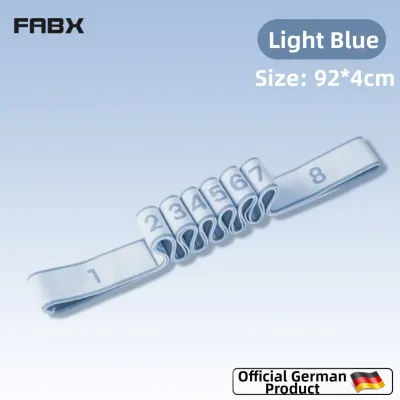

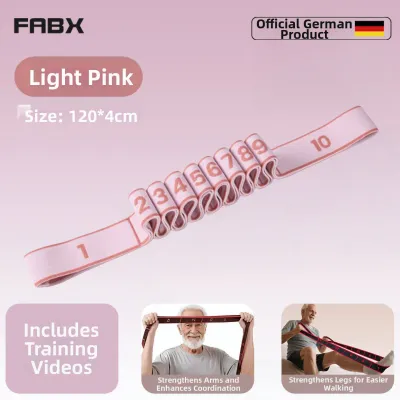
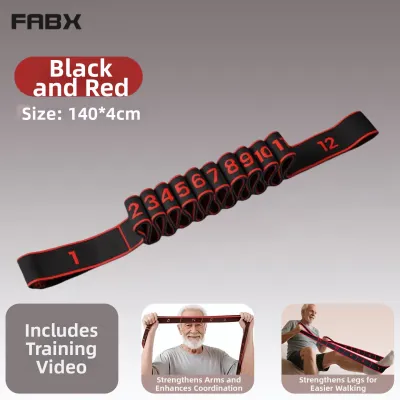
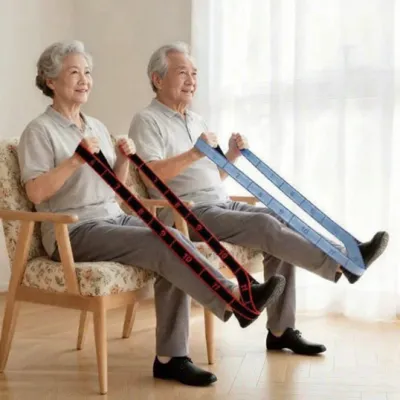
Prices are valid at publication and may change. Please refer to the product page for the latest price.
Key Comparison Dimensions for Recovery and Mobility Bands
When evaluating resistance bands specifically for recovery and mobility, standard fitness metrics like maximum weight capacity are less important than physical design and material behavior. Understanding these key dimensions will help you make an informed choice.

- Material Composition: Resistance bands generally fall into two categories: fabric blends and pure latex or rubber. Fabric bands, which often combine polyester with latex threads, offer excellent comfort against bare skin and resist rolling up during lower-limb movements. Pure latex bands provide a more linear, highly elastic stretch profile that is easier to wipe down after sweaty sessions, though they can pinch bare skin.
- Resistance Grading: Vague labels like "light" or "heavy" can make progressive recovery difficult. Look for brands that specify the equivalent tension range in kilograms or pounds on their product packaging. This allows you to match the band precisely to your current strength and mobility level.
- Grip and Texture: Slipping bands disrupt slow, controlled movements and can lead to sudden loss of tension. Look for inner rubberized strips, textured surfaces, or specialized weaves that keep the band secure against your clothing or skin during deep stretches.
- Durability Indicators: Check the manufacturer's specifications for thickness, multi-layer construction, and reinforced stitching. In Singapore's warm and humid climate, latex can degrade more quickly if exposed to sweat and sunlight, making material quality a key factor for long-term durability.
Evaluating FABX Against Market Alternatives
Comparing FABX to Premium Rehab and Clinical Brands
When comparing FABX to clinical-grade brands, start by checking the product packaging or official listings for specific therapeutic certifications or endorsements. Clinical brands often design their bands in collaboration with physical therapists to ensure precise, predictable tension curves. This precision is crucial when recovering from joint injuries or surgeries.
Examine the instructional support provided with each brand. Premium rehab brands typically offer detailed, step-by-step mobility guides or access to video libraries curated by medical professionals. Compare these resources to what FABX provides to see which better supports your recovery journey.
Evaluate the lower end of the resistance spectrum. Early-stage rehabilitation often requires extremely light tension to avoid re-injuring delicate tissues. Verify whether FABX offers these ultra-low resistance options, or if clinical brands provide a more appropriate starting point for your recovery.
Comparing FABX to General Fitness and Budget Brands
General fitness bands are widely available on online marketplaces, but they may lack the design refinements needed for slow, controlled mobility work. Compare the grip texture and rolling resistance of FABX against these budget options. A band that constantly rolls up or slips can hinder your ability to hold deep stretches.
Look closely at the warranty terms and return policies offered by each manufacturer. Budget brands rarely offer comprehensive warranties against snapping or material degradation. Checking the warranty details can give you a clear indication of the expected lifespan and overall quality of the product.
Assess the value of the included accessories. A complete mobility bundle often includes door anchors, carrying cases, or extension straps. Compare the bundle contents of FABX with budget alternatives to determine which package offers the best practical value for your home setup.
Matching Band Specifications to Your Specific Recovery Needs
Different recovery goals require different band characteristics. Matching the band’s physical specifications to your specific exercises ensures a safer and more effective routine.
- Joint Mobilization and Stretching: For deep joint distraction and passive stretching, you need a band with smooth, predictable elasticity. Look for long loop bands that allow you to anchor them securely to a sturdy post or door frame. The material should feel comfortable against your skin, especially when holding a stretch for several minutes.
- Muscle Activation and Glute Work: Activating the glutes and hips before a workout requires lateral resistance. Wider, fabric-coated loop bands are ideal for this purpose. The fabric construction prevents the band from rolling up your thighs, while internal non-slip grips keep it firmly in place during dynamic movements.
- Upper Body Mobility and Posture Correction: Improving shoulder mobility and correcting posture often involves multi-directional pulling movements. Loop bands or tube bands with detachable handles are highly effective here. These designs allow for a secure grip and smooth rotation through the shoulders and upper back.
- Travel and On-the-Go Recovery: If you frequently stretch at the gym, office, or while traveling, portability is key. Consider the packed size and weight of the bands. Lightweight loop bands that roll up tightly and come with a compact carrying pouch are much easier to toss into your daily bag.
Pre-Purchase Verification Checklist
Before finalizing your purchase, take a moment to verify these key details on the product page or packaging:
- Material Composition: Confirm whether the band contains natural latex, especially if you have known allergies. Check for alternative materials like thermoplastic elastomer (TPE) or fabric blends if needed.
- Local Pricing and Availability: Verify the current S$ price, shipping fees, and delivery times for Singapore. Ensure you are purchasing from an authorized local retailer or a reputable online marketplace to avoid counterfeit products.
- Care and Maintenance: Read the manufacturer's care instructions. In Singapore's humid climate, latex bands require proper storage away from direct sunlight and moisture to prevent premature degradation.
- Warranty Coverage: Check the specific terms regarding snapping, tearing, or material failure under normal use. A reliable warranty provides peace of mind and protects your investment.
Frequently Asked Questions (FAQ)
Are fabric or latex bands better for joint mobility?
Fabric bands are generally better for lower-body movements where rolling and skin pinching are common issues. Their textured, wider design keeps them securely in place during hip and glute exercises.
Latex bands, however, offer superior elasticity and a longer range of motion, making them highly suitable for upper-body stretches and joint distraction. They are also much easier to clean and sanitize after use.
How do I know when it is time to replace my resistance bands?
Regularly inspect your bands for visual signs of wear, such as micro-tears, small cracks, discoloration, or fraying along the edges. These imperfections can quickly lead to sudden snapping during use.
Pay attention to physical changes as well. If a band feels permanently stretched out, loses its snap, or develops a sticky or brittle surface texture, it is no longer safe for recovery exercises and should be replaced immediately.
Community discussion
Share your experience or ask a question. Comments are reviewed before publication.