
Choosing the right Fairtex shin guard depends on whether you prioritize maximum coverage for traditional Muay Thai, a compact fit for dynamic mobility, or specific instep protection. Since design features and padding densities vary across the BGVL3, BGV6, and BGV14 models, the best choice aligns with your specific sparring intensity, calf profile, and training discipline. Evaluating these models requires looking closely at how their protective shells, strap configurations, and materials perform under the pressure of active sparring.
By understanding the structural differences and verifying the official specifications, you can select a model that keeps you protected while matching your movement style. This guide breaks down the key factors to consider, from padding distribution to how well each guard holds up in humid training environments.
Understanding the Core Design Differences
Each of these three models represents a distinct approach to lower-leg protection, catering to different movement philosophies and coverage preferences. The BGVL3 is designed with a traditional Muay Thai profile, offering a wide protective surface that wraps extensively around the shin bone and the sides of the calf. This model prioritizes maximum impact absorption, utilizing thick, multi-layered foam padding that is distributed evenly to cushion heavy kicks and checks.
Products mentioned in this guide
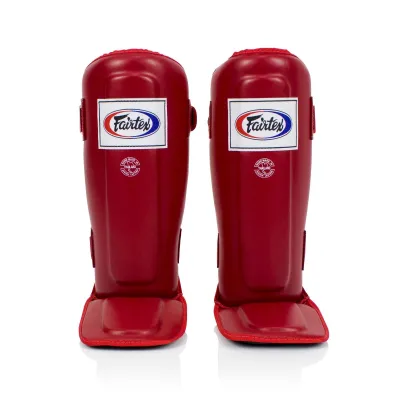
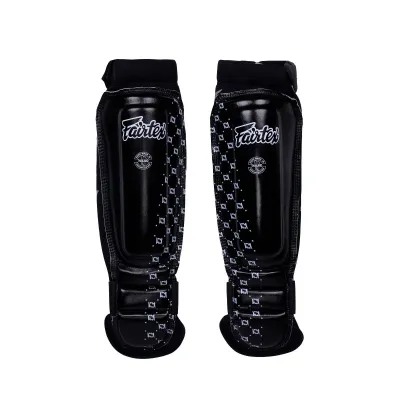

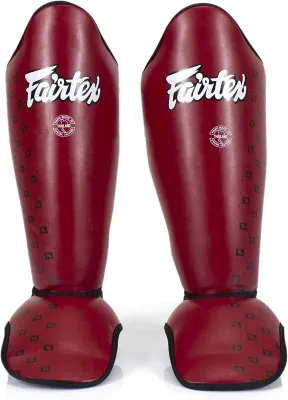
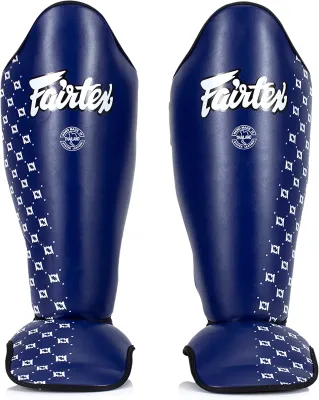
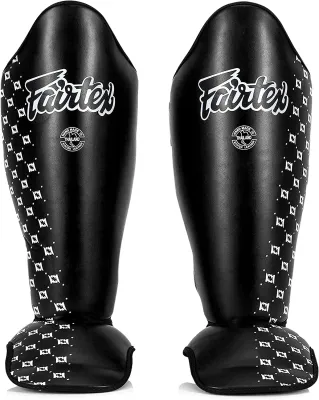
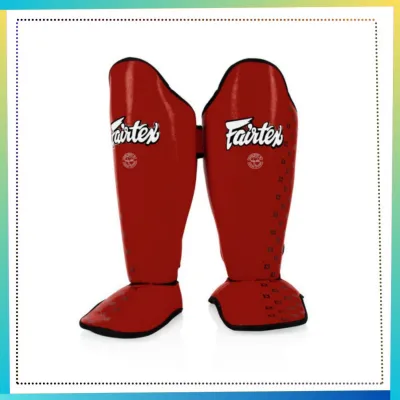
Prices are valid at publication and may change. Please refer to the product page for the latest price.
In contrast, the BGV6 focuses on a more compact and streamlined silhouette. This design reduces overall bulk and width, making it highly suitable for practitioners who find traditional guards too cumbersome or heavy. The padding on the BGV6 is concentrated along the center line of the shin, tapering off at the sides to allow for a closer, more aerodynamic fit that moves naturally with your leg.
The BGV14 introduces a modern design profile that often incorporates advanced synthetic materials, such as high-grade microfiber. This model is engineered to offer a balanced middle ground, providing reliable coverage without the weight associated with traditional leather builds. The instep and ankle protection features on the BGV14 are specifically shaped to flex easily, ensuring that the transition between the shin guard and the foot protector remains seamless during high-kick extensions.
Before making a purchase, it is highly recommended to check the manufacturer’s official product descriptions for the precise padding density and weight specifications of each model. Because manufacturing details can occasionally be updated, verifying these specifications ensures you get the exact level of protection required for your gym’s sparring rules.
Matching the Model to Your Training Style
Your primary martial arts discipline and how hard you spar should dictate which shin guard profile you select. Traditional Muay Thai training involves a high volume of heavy checking, sweeping, and low kicks, which demands robust protection. For this style of training, the BGVL3 is highly effective because its wider coverage area shields the vulnerable outer edges of the shin and ankle during chaotic exchanges.

If your training leans more toward kickboxing, K-1 rules, or MMA sparring, your priorities may shift toward mobility and rapid footwork. The compact design of the BGV6 is optimized for these dynamic environments, where dragging heavy gear can slow down your kicks or hinder your ability to transition into wrestling or clinch work. The lighter weight of the BGV6 allows for faster leg speed, making it a favorite for technical sparring where speed and precision are favored over maximum impact absorption.
For practitioners who split their time between technical drills, light sparring, and high-intensity conditioning, the BGV14 offers excellent versatility. Its balanced padding thickness provides sufficient protection for partner drills without feeling overly restrictive during long conditioning sessions. This makes it an adaptable choice for intermediate students who are still developing their defensive timing and need a reliable, all-around guard.
Beginners should generally lean toward models with thicker, more forgiving padding, such as the BGVL3, to allow their shins to condition gradually without excessive bruising. Advanced practitioners, who have already developed shin conditioning and precise defensive blocking, may prefer the lighter, more streamlined profile of the BGV6 or BGV14 to maximize their offensive speed and agility.
Evaluating Fit, Sizing, and Strap Systems
A shin guard is only effective if it stays securely in place during intense movement, making fit and strap configuration critical evaluation points. To find your correct size, you should measure your shin length from just below the kneecap down to the top of your ankle joint, as well as your calf circumference at its widest point. Comparing these measurements against the official Fairtex sizing chart is essential, as a guard that is too long will dig into your knee, while one that is too short will leave your lower shin exposed.
The strap systems on these models are designed to address different calf profiles and movement styles. The BGVL3 typically utilizes a robust hook-and-loop closure system with wide straps that distribute pressure evenly across the calf muscle. This secure attachment prevents the guard from twisting or sliding down when blocking heavy kicks, though it can feel slightly bulky on slimmer legs.
The BGV6 and BGV14 models often feature more streamlined strap configurations, sometimes incorporating elastic bands under the foot and behind the heel to enhance stability. These ergonomic designs conform closely to the natural curve of the calf, reducing the profile of the straps to prevent them from catching on your partner’s clothing or gear during close-range exchanges.
When trying on these guards, pay close attention to how the pre-curved padding wraps around your leg. There should be no significant gaps between the guard and your shin, and the instep protector should lie flat against the top of your foot without lifting when you bend your ankle.
Assessing Price, Durability, and Value
Investing in high-quality protective gear is essential for long-term training safety, and understanding the relationship between materials and price helps you determine the best value. In the Singapore market, genuine leather models like the BGVL3 typically sit at a premium price tier, often ranging from S$120 to S$180 depending on local retailer stock and import availability. While leather requires a higher initial investment, its natural durability and ability to mold to your leg over time offer excellent long-term value for daily trainers.
Synthetic leather and microfiber models, such as the BGV14, are generally positioned as more budget-friendly or mid-tier options, though high-grade microfiber can rival the durability of genuine leather. Microfiber is particularly well-suited for humid tropical climates because it does not absorb moisture as readily as natural leather, making it highly resistant to cracking and material degradation over time.
To maximize the lifespan of your shin guards, proper maintenance is crucial, especially in warm, humid environments. Allowing sweat to sit on the material accelerates the breakdown of both the outer shell and the inner foam padding, while also creating an environment for odor-causing bacteria to thrive. Developing a consistent post-training cleaning routine is the most effective way to protect your investment and keep your gear hygienic.
Final Decision Framework
To make your final decision, align your choice with your primary training goals, physical profile, and material preferences. Choose the BGVL3 if your priority is maximum coverage, traditional Muay Thai sparring, and you prefer the classic feel and durability of genuine leather. This model is the standard for heavy sparring where protecting the entire shin and ankle is your top concern.
Choose the BGV6 if you require a specific compact fit, value high-speed mobility, and want a streamlined guard that moves seamlessly during dynamic kickboxing or MMA drills. This model is ideal for technical fighters who prioritize speed and want to avoid the bulk of traditional gear.
Choose the BGV14 if you need specialized protection features, prefer a modern synthetic or microfiber construction, or want a versatile hybrid guard that performs well across various training intensities. It offers a balanced profile that is easy to maintain and highly durable.
Before finalizing your purchase, verify current stock levels with local specialty combat sports retailers in Singapore. If possible, visiting a physical store to try on different sizes is highly recommended, as experiencing the fit firsthand is the most reliable way to ensure comfort and safety on the mats.
Frequently Asked Questions (FAQ)
How do I clean and maintain my Fairtex shin guards?
To maintain your shin guards, wipe down both the interior and exterior surfaces with a damp microfiber cloth immediately after every training session to remove sweat and dirt. Avoid using harsh chemical detergents, bleach, or soaking the guards in water, as these actions can degrade the protective foam padding and ruin the outer shell. Allow the guards to air-dry completely in a well-ventilated, shaded indoor area, keeping them away from direct sunlight and heat sources which can cause leather and synthetic materials to crack.
Should I wear shin guards for every training session?
Shin guards are highly recommended for any training session that involves partner contact, including technical drilling, defensive checking exercises, and active sparring. Wearing them protects your shins from painful bruising and prevents accidental injury to your training partners during kick exchanges. However, they are generally not necessary for solo heavy bag work or pad work with a trainer, where training bare-shinned helps build conditioning and allows you to focus on proper striking technique.
Community discussion
Share your experience or ask a question. Comments are reviewed before publication.