
Selecting the right kicking targets is one of the most critical decisions a martial artist or coach can make. During intense training sessions, the physical demands placed on both the striker and the pad holder are immense. A single heavy roundhouse kick can deliver hundreds of kilograms of force, which must be safely absorbed and dispersed by the training gear. The right targets not only help the striker develop power, accuracy, and proper technique, but they also protect the pad holder from chronic joint fatigue, wrist sprains, and shoulder strain.
In the world of combat sports, three brands stand out as industry benchmarks: Fairtex, Twins Special, and Hayabusa. While all three are highly respected, they approach construction, material science, and ergonomics from very different design philosophies. Understanding these differences is key to choosing equipment that matches your training volume, skill level, and physical needs.
Quick Answer: Which Brand Fits Your Training Style?
Choosing the ideal brand depends on your specific training goals, your experience level, and whether you prioritize traditional craftsmanship or modern engineering.
Products mentioned in this guide
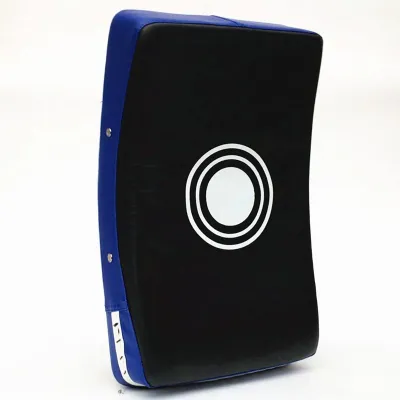
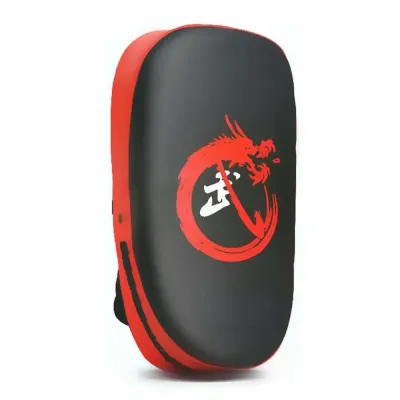
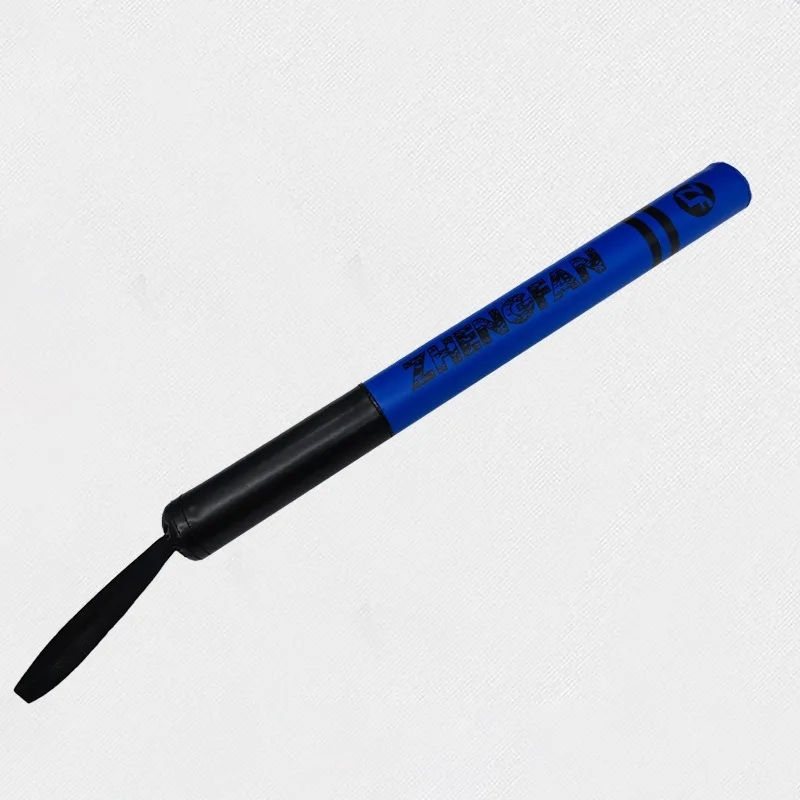
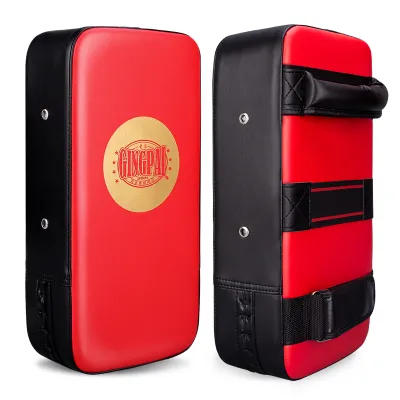
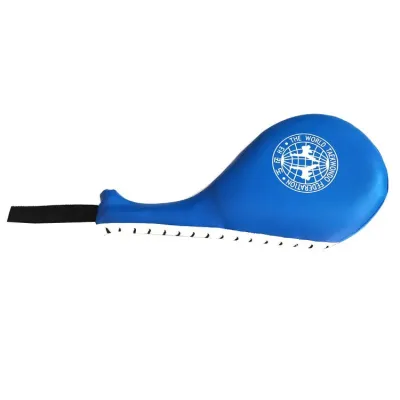
Prices are valid at publication and may change. Please refer to the product page for the latest price.
- Choose Fairtex if you are an experienced martial artist or coach who prioritizes firm, rigid feedback, authentic premium leather, and traditional Muay Thai power development. These targets are designed for heavy kickers who want to feel solid resistance upon impact, though they require a pad holder with strong wrists and excellent bracing technique.
- Choose Twins Special if you operate a high-volume commercial gym or engage in long, high-repetition training sessions. These pads offer balanced, forgiving cushioning that absorbs heavy impact exceptionally well, reducing wear and tear on the joints of both the kicker and the pad holder over hundreds of weekly repetitions.
- Choose Hayabusa if you prefer modern ergonomic designs, advanced synthetic materials that resist moisture absorption, and engineered multi-layered shock dispersion. They are highly suited for multi-disciplinary gyms, kickboxing, and practitioners training in humid climates who want low-maintenance gear with a highly secure, stable fit.
Ultimately, the “best” kicking targets are highly subjective. Your choice should factor in your training partner’s weight class, your own physical stature, and the specific martial art you practice. Muay Thai practitioners often lean toward the traditional stiffness of Fairtex or Twins, while kickboxers and MMA fighters frequently prefer the lightweight, ergonomic agility of Hayabusa.
Build Quality and Material Construction of Kicking Targets
The outer shell, stitching, and strap system form the structural backbone of any kicking target. Because these areas bear the direct brunt of high-velocity shin strikes, their construction directly determines how many months—or years—the gear will last before splitting or warping.

Fairtex: Premium Leather and Reinforced Stitching
Fairtex has built a global reputation on its use of high-grade, genuine cowhide leather. This natural material is highly valued for its tensile strength, flexibility, and ability to stretch slightly under impact without tearing. To handle the immense internal pressure generated when a kick compresses the foam core, Fairtex utilizes heavy-duty nylon stitching throughout the chassis.
When inspecting Fairtex targets, you will find reinforced double or triple stitching at high-stress points, particularly where the top handle and arm straps are anchored to the main body. Thick metal rivets are often used to secure the handle assembly directly to the internal backing board. While this genuine leather construction offers an unmatched traditional feel, it is important to remember that organic leather is porous. It requires regular cleaning and conditioning to prevent the material from drying out, cracking, or absorbing excess sweat over time.
Twins Special: Traditional Thai Craftsmanship
Twins Special represents the gold standard of traditional Thai gym equipment, built to withstand the relentless daily abuse of professional training camps in Thailand. Twins offers targets in both premium genuine cowhide leather and high-grade synthetic leather options, such as their proprietary Syntek material. This allows buyers to choose between the classic feel of natural leather and the lower maintenance requirements of synthetics.
Twins Special targets are characterized by their thick, robust build and heavy-duty hardware. The arm straps typically feature thick hook-and-loop Velcro closures or traditional metal D-ring buckle systems. The handles are heavily padded and secured with reinforced rivets and thick leather cross-straps. This traditional craftsmanship ensures the pad remains structurally stable even after years of daily high-volume kicking, making them a staple in commercial combat sports facilities worldwide.
Hayabusa: Modern Synthetics and Ergonomic Grips
Hayabusa takes a distinctly modern, engineering-first approach to martial arts equipment. Instead of traditional animal hides, Hayabusa utilizes advanced synthetic materials, most notably their proprietary Vylar engineered leather. According to the manufacturer, this specialized synthetic material is designed to offer superior abrasion resistance, surface flexibility, and crack resistance compared to standard leather, while remaining completely non-porous.
Beyond the outer shell, Hayabusa focuses heavily on ergonomic optimization. The handles are designed to align naturally with the human hand, reducing grip fatigue during long training sessions. The strap systems often feature dual hook-and-loop closures that pull from opposite directions, creating a highly customized, secure fit that prevents the pad from shifting or twisting on the forearm. Because the materials are synthetic, they do not absorb moisture, making them highly resistant to sweat damage and remarkably easy to clean.
Padding Density and Shock Absorption
The internal padding of a kicking target is its most critical safety feature. It acts as a decelerator, catching the kinetic energy of a shin strike and dispersing it before it can travel through the pad and into the holder’s forearm, elbow, and shoulder joints.
Fairtex: Firm Feedback for Power Strikes
Fairtex kicking targets are well-known in the martial arts community for their exceptionally firm, high-density foam padding. Out of the box, these pads can feel quite stiff and require a break-in period. This high-density composition is intentional; it provides a solid, realistic surface for strikers to develop maximum power and conditioning in their shins.
When a kick lands on a Fairtex pad, it produces a loud, satisfying acoustic “crack” that helps strikers gauge the speed and clean placement of their strikes. However, this rigidity means less energy is absorbed by the pad itself. The pad holder must possess good physical strength and proper bracing technique—actively pushing slightly forward into the kick at the moment of impact—to prevent the shock from jarring their wrists and elbows. For this reason, ultra-firm Fairtex pads are often preferred by experienced trainers working with heavy, advanced strikers.
Twins Special: Balanced Cushioning for High Volume
Twins Special targets utilize a multi-layered foam core designed to strike a balance between structural resistance and joint protection. The outer layers are typically composed of a medium-density foam that yields slightly upon impact, while the deeper internal layers consist of high-density foam to prevent the kick from bottoming out.
This layered design is highly effective at absorbing and dampening shock. When a heavy kick lands, the pad compresses smoothly, absorbing a significant portion of the kinetic energy within the foam matrix before it reaches the holder’s arm. This makes Twins pads incredibly comfortable for long, high-volume training sessions. Strikers can throw full-power kicks repeatedly without experiencing excessive shin soreness, and pad holders can work for hours with reduced joint fatigue. It is an excellent, forgiving option for mixed-level classes and general gym use.
Hayabusa: Multi-Layered Impact Dispersion
Hayabusa engineered targets utilize sophisticated, multi-layered foam technologies designed to disperse shock laterally across the entire surface area of the pad. Rather than relying solely on thickness or density, Hayabusa structures its internal padding with varying layers of open-cell and closed-cell foams, sometimes incorporating specialized gel-like compounds.
This advanced layering is designed to catch the impact and spread the kinetic force outward, away from the focal point of the strike. This lateral dispersion minimizes the direct, linear shock that travels down the pad holder’s arm and into their skeletal structure. The result is a highly dampened, protective feel. While it may not produce the loud acoustic feedback of a traditional Fairtex pad, it provides exceptional joint protection, making it a popular choice for trainers who suffer from chronic elbow tendonitis or shoulder issues.
Longevity and Durability Under Heavy Use
Investing in professional-grade kicking targets is a significant financial commitment. Understanding how different materials age under the combined stress of high-impact forces and acidic human sweat will help you maximize the lifespan of your gear.
Genuine leather targets, such as premium models from Fairtex and Twins Special, offer incredible long-term durability if they are cared for correctly. Natural leather possesses organic fibers that can flex, compress, and rebound indefinitely without breaking down. However, leather is highly vulnerable to moisture. In humid environments, untreated sweat can seep into the pores of the leather, leading to mold growth, fiber rot, and eventual cracking or peeling. If neglected, even the most expensive leather pads can degrade within a couple of years.
High-quality synthetic targets, like those featuring Hayabusa’s Vylar or Twins’ Syntek, offer excellent out-of-the-box resistance to moisture and humidity. Because these materials are non-porous, sweat sits on the surface rather than soaking into the backing, making them highly resistant to rot, mold, and odor. However, synthetic materials do not possess the same self-healing fiber structure as natural leather. Over several years of heavy use, synthetics may eventually show surface scuffing, micro-cracking at high-flex zones, or seam stress where the stitching pulls against the synthetic backing.
To ensure your kicking targets remain safe and functional, perform regular safety inspections using the following checklist:
- Check for Foam Compression (Dead Spots): Press your thumbs firmly into the center of the striking face. If the foam feels hollow, excessively soft, or fails to rebound immediately, the internal padding has collapsed. Using pads with dead spots poses a severe injury risk to both the kicker's shins and the holder's arms.
- Inspect Handle Attachment Points: Vigorously wiggle the top handle and check the leather loops and rivets. Any looseness, tearing of the leather around the rivets, or fraying of the attachment stitching indicates that the handle is failing and could snap during a session.
- Examine Seams and Lacing: Look closely at the perimeter stitching or lacing. If you spot split threads or separating seams, the internal foam layers can shift or become exposed to moisture, accelerating the breakdown of the pad.
- Assess Strap and Buckle Integrity: Inspect the Velcro hook-and-loop surfaces for lint accumulation or worn-out fibers that prevent a secure grip. For buckle systems, ensure the metal D-rings are not bent or rusted, as a loose strap can cause the pad to slip off during a kick.
Specification and Feature Comparison
To help you quickly compare the general characteristics of each brand, the table below outlines their typical material compositions, padding profiles, and primary target audiences.
| Brand | Typical Outer Material | Padding Profile | Best For | Key Maintenance Need |
|---|---|---|---|---|
| Fairtex | Genuine Cowhide Leather | Firm, High-Density Foam | Power kicking, shin conditioning, experienced trainers | Regular leather conditioning, thorough drying |
| Twins Special | Genuine Leather or Syntek Synthetic | Balanced, Multi-Layered Cushioning | High-volume gym use, joint comfort, mixed skill levels | Sweat wipe-down, ventilation to prevent mold |
| Hayabusa | Vylar Engineered Synthetic Leather | Multi-Layered Impact Dispersion | Ergonomic fit, moisture resistance, modern aesthetics | Surface sanitizing, strap inspection |
How to Verify Quality and Fit Before Buying
When purchasing kicking targets, it is vital to select a model that physically matches your body size, strength, and training style. Buying the wrong size or weight can lead to poor holding technique, joint strain, and an increased risk of injury.
Weight and Size Considerations
Kicking targets come in various sizes, typically ranging from Small (S) to Extra-Large (XL). Larger, thicker pads provide a massive target area and excellent protection against heavyweight kicks, but they are heavy. Holding heavy pads for extended periods can quickly fatigue your shoulders and neck, leading to a breakdown in your holding form. Conversely, smaller, curved pads are lightweight and allow for rapid transitions and fast combination work, but they offer a smaller safety margin and less protection against off-center kicks. Always check the exact weight and dimensions in the manufacturer’s technical specifications before purchasing.
Handle and Strap Ergonomics
When trying on a kicking target, pay close attention to how your hand grips the handle and how the straps sit on your forearm. The top handle should allow your hand to form a natural, neutral grip without forcing your wrist into an awkward bent angle.
The forearm straps must be adjustable enough to secure the pad tightly to your arm. If the straps are too loose, the pad will twist or slide when struck, which can cause severe wrist sprains or allow the kicker’s shin to slide off the pad and strike your body. Look for pads with padded forearm channels, which provide extra comfort and prevent the straps from pinching your skin.
Safety Boundary
It is crucial to understand that no piece of equipment, regardless of its quality, can replace proper pad-holding technique, physical conditioning, and situational awareness. If a pad feels excessively heavy, if the handles force your wrists into unnatural angles, or if you cannot comfortably brace against impact, do not use them.
Using ill-fitting gear or attempting to hold pads for a striker whose power far exceeds your ability to safely brace is a recipe for chronic joint damage. If you are unsure of your technique, seek professional coaching to learn how to properly catch kicks, tuck your elbows, and align your skeletal structure to safely absorb impact.
Care and Maintenance for Humid Climates
In tropical or highly humid environments, such as Singapore, sports equipment is highly susceptible to mold, bacterial growth, and rapid material breakdown. Sweat combined with high humidity creates an ideal breeding ground for odor-causing bacteria. Implementing a strict post-training maintenance routine is essential to protect your investment.
Post-Training Wipe Down
Immediately after every training session, wipe down the entire surface of your kicking targets using a dry or slightly damp microfiber cloth to remove sweat, salt, and body oils. For sanitizing, use a mild, highly diluted soap solution or a specialized, gear-safe antibacterial spray.
Always check the product’s care label and the manufacturer’s official instructions before applying any cleaning agent. Never use harsh household chemicals, bleach, high-strength alcohol wipes, or abrasive scrubbers. These harsh substances can strip the protective natural oils from genuine leather or dissolve the protective polyurethane coatings on synthetic pads, causing them to crack and peel prematurely.
Drying and Storage
Once wiped clean, allow your kicking targets to air-dry completely in a well-ventilated, indoor space with good airflow. Keep them away from direct sunlight, as intense ultraviolet (UV) rays can dry out leather fibers, cause synthetic materials to warp, and degrade the internal foam core.
Never store damp kicking targets in a closed gym bag, a dark locker, or a humid car trunk. Trapping moisture inside a confined space accelerates mold growth, breaks down the internal adhesives holding the foam layers together, and creates persistent, foul odors that are nearly impossible to remove.
Conditioning
For genuine leather targets, applying a high-quality, manufacturer-approved leather conditioner every few months is highly recommended. Conditioning restores moisture to the leather fibers, keeping them supple, flexible, and resistant to cracking.
Before applying any conditioner, ensure the pads are completely clean and dry. Apply a small, coin-sized amount of conditioner to a soft cloth and rub it gently into the leather in circular motions. Allow it to absorb for the manufacturer-recommended time, then buff off any excess with a clean, dry cloth. Always test a small, inconspicuous area of the pad first to ensure the conditioner does not discolor the leather.
Frequently Asked Questions (FAQ)
Are firm kicking targets safe for beginners?
Beginners can safely train with firm kicking targets, but they must focus strictly on proper striking technique, accuracy, and control rather than throwing kicks with maximum power. Striking an ultra-firm pad with poor technique or unconditioned shins can easily lead to painful bruising, bone contusions, or joint sprains.
The primary safety risk of firm targets actually falls on the pad holder. A beginner holding firm pads for a powerful kicker may lack the forearm strength, wrist stability, and bracing technique required to handle the rigid impact, increasing their risk of joint jar and shoulder strain. Beginners should start with softer, more forgiving pads or train under the direct supervision of an experienced instructor.
How do I prevent odor in synthetic pads?
To prevent foul odors in synthetic kicking targets, you must stop sweat and bacteria from drying on the surface. Wipe the pads down immediately after every training session with a dry microfiber cloth, followed by a light spray of a specialized, gear-safe antibacterial sanitizer.
Ensure the pads are left to dry completely in a highly ventilated area with active airflow, such as near a fan or an open window. Avoid using heavy perfumes, body sprays, or Febreze to mask odors, as these chemicals do not kill the underlying bacteria and can chemically damage the synthetic outer shell. For persistent smells, placing moisture-absorbing silica gel packets or charcoal deodorizer inserts inside the arm straps during storage can help extract residual humidity.
What weight and size should a kicking target be?
Standard kicking targets (often referred to as Thai pads) typically range from 30 to 40 centimeters in length and 15 to 20 centimeters in width. The ideal size and weight depend on the physical stature of the pad holder and the training focus.
Larger, heavier targets (Large or Extra-Large) are designed to absorb the full force of heavy roundhouse kicks, making them excellent for traditional Muay Thai power training, though they require significant shoulder and grip strength to hold. Smaller, lighter targets (Small or Medium) are curved and lightweight, making them ideal for fast, multi-directional kickboxing combinations, junior martial artists, or trainers who work long hours and need to minimize joint fatigue. Always match the target size to the pad holder’s strength and experience level to ensure safety.
Community discussion
Share your experience or ask a question. Comments are reviewed before publication.