
Choosing the right equipment is one of the most critical decisions you can make to improve your performance and enjoyment on the court. While many newcomers to the sport search for a high-quality badminton ball, the correct technical term for this projectile is a shuttlecock (or simply a shuttle). This unique piece of sporting equipment dictates the pace, style, and feel of every rally. Deciding whether to purchase feather or nylon shuttlecocks depends on your skill level, playing environment, and budget.
Quick Answer: How to Choose the Right Badminton Ball
To make an immediate and informed decision, you must evaluate your current playing conditions and technical proficiency. The choice between natural feathers and synthetic nylon is not merely about price; it directly influences how the projectile flies through the air and responds to your racket.
- Choose Feather if: You primarily play indoors on dedicated, air-conditioned courts, possess consistent stroke technique, and prioritize precise flight control, spin, and steep drop shots.
- Choose Nylon (Plastic) if: You are a beginner still mastering your swing, frequently play outdoors or in non-air-conditioned community spaces, often mishit the shuttle, or require a highly durable, cost-effective option for casual rallies.
- Verify first if: You are preparing for competitive club play or tournaments. If you are transitioning from casual backyard games to structured league play, you must test both types to adjust your timing, power output, and racket control to their distinct flight paths.
Feather vs Nylon: Flight, Durability, and Cost Compared
To understand why these two types of shuttlecocks perform so differently, you must examine their physical construction and aerodynamic properties. The structural differences between natural bird feathers and synthetic nylon polymers create two entirely different playing experiences on the court.
Products mentioned in this guide
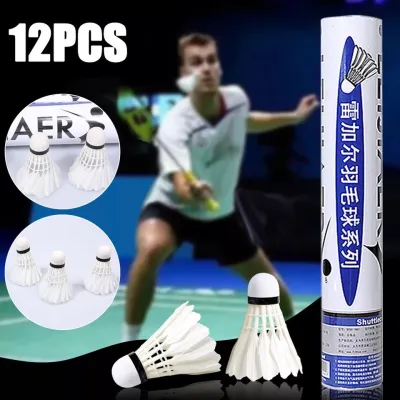
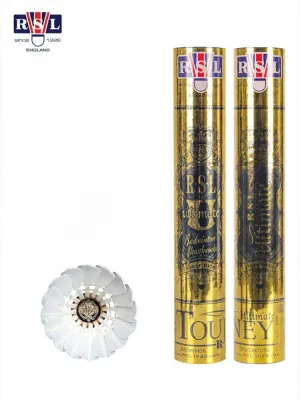
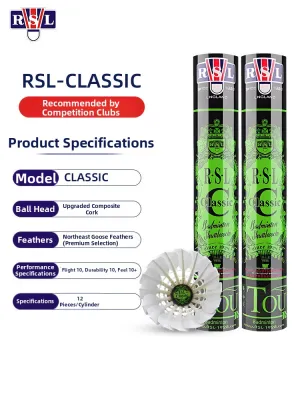
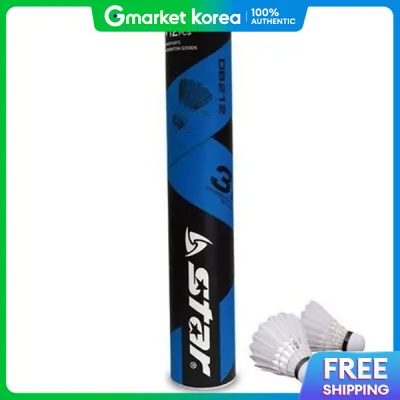
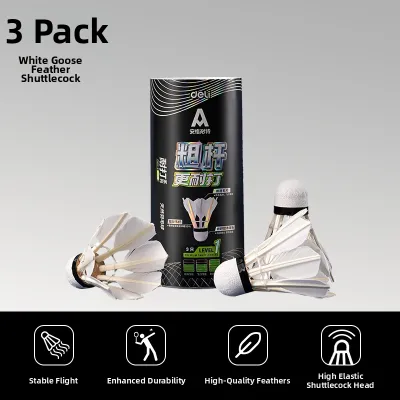
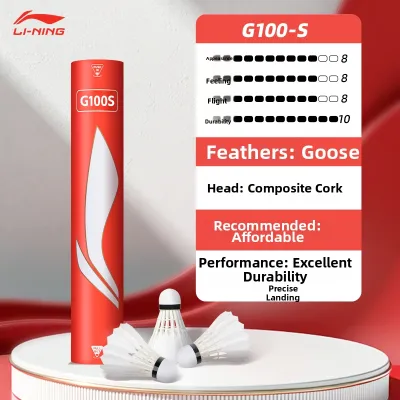
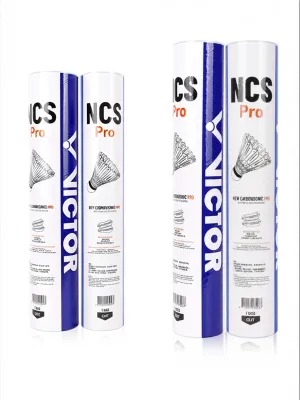
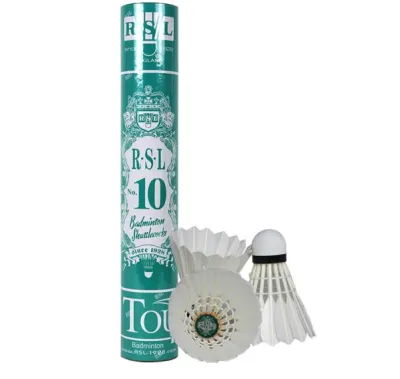
Prices are valid at publication and may change. Please refer to the product page for the latest price.

Flight Trajectory and Control
Natural feather shuttlecocks are widely regarded as the gold standard for competitive play due to their exceptional aerodynamic properties. Constructed using 16 overlapping feathers—typically sourced from geese or ducks—inserted into a solid cork base, the feather shuttlecock exhibits a unique high-drag profile. When struck with force, it accelerates rapidly and then decelerates sharply as it reaches the peak of its arc. This “parachute” effect allows for a steep, natural drop near the net, giving players the ability to execute precise tumbling net shots, tight drop shots, and powerful smashes that dip quickly inside the boundary lines.
In contrast, nylon shuttlecocks feature a single-piece synthetic skirt molded from polyamide or nylon compounds. Because the synthetic material is more flexible and less porous than natural feathers, it behaves differently in flight. When hit hard, a nylon skirt collapses inward, reducing its surface area and drag, which causes it to travel at a higher initial speed. As it slows down, it does not decelerate as abruptly as a feather shuttlecock; instead, it follows a flatter, more parabolic trajectory. This flatter flight path makes it more challenging to execute highly technical spin shots, but it provides a highly predictable and consistent baseline-to-baseline flight that is exceptionally forgiving during long, fast rallies.
Durability and Lifespan
The physical resilience of these materials represents the most significant trade-off between the two types. Nylon shuttlecocks are incredibly robust and designed to withstand the rigors of recreational play. The flexible synthetic skirt can endure repeated off-center hits, heavy smashes, and accidental racket clashes without losing its shape or structural integrity. A single high-quality nylon shuttlecock can easily survive multiple multi-hour sessions, making it an incredibly durable option for players who want to focus on their game without constantly worrying about equipment degradation.
Feather shuttlecocks, on the other hand, are highly fragile and require precise contact to maintain their structural integrity. The thin, natural quills that support the feathers are prone to cracking or snapping when struck by the frame of a badminton racket rather than the sweet spot of the string bed. Even with clean, professional-level hits, the individual feathers will gradually fray, split, and lose their shape over the course of a single match. A broken quill or frayed feather immediately alters the shuttle’s weight distribution and aerodynamic balance, causing it to wobble or veer off course. Consequently, intermediate and advanced players often go through three to six feather shuttlecocks in a single intensive three-game match.
Cost and Long-Term Budget
The economic differences between feather and nylon shuttlecocks become highly apparent when calculating your long-term playing expenses. Because natural feather shuttlecocks require meticulous manufacturing processes—including sorting, grading, and hand-assembling natural feathers—they carry a premium upfront price. A standard tube of 12 premium feather shuttlecocks typically ranges from S$35 to over S$60. When you factor in their rapid rate of wear and tear, the cost of playing with feathers can accumulate quickly, making them a significant ongoing expense for active players.
Nylon shuttlecocks offer a far more budget-friendly alternative for high-volume training and casual recreation. A tube of six high-quality nylon shuttlecocks generally costs between S$15 and S$25. Because a single nylon shuttle can last as long as several tubes of feathers under casual playing conditions, the cost-per-hour of play is remarkably low. For schools, community centers, and recreational players who want to maximize their court time without breaking the bank, nylon shuttlecocks represent a highly practical and sustainable financial choice.
Which Type Fits Your Skill Level?
Matching your shuttlecock selection to your current skill level ensures that you develop proper technique while avoiding unnecessary equipment expenses. Using a shuttlecock that does not align with your technical proficiency can hinder your development and lead to frustration.
Beginners and Casual Players
If you are new to the sport or play primarily for fitness and recreation, nylon shuttlecocks are almost always the ideal starting point. Beginners are still developing their hand-eye coordination, footwork, and stroke mechanics, which naturally leads to frequent off-center hits. Striking a feather shuttlecock with the frame of your racket will break the delicate quills instantly, resulting in a frustrating experience where you must constantly stop play to replace damaged equipment.
Nylon shuttlecocks eliminate this frustration by forgiving technical errors. Their highly durable construction allows you to focus entirely on making contact with the shuttle, finding your rhythm, and building muscle memory. Furthermore, the slightly flatter and more consistent flight path of a nylon shuttlecock keeps the play moving, enabling longer, more engaging rallies that help you build cardiovascular endurance and court awareness.
Intermediate to Advanced Players
As you transition into intermediate and advanced levels of play, your technical consistency improves, and you hit the sweet spot of the racket string bed with high regularity. At this stage, you will begin to find the limitations of nylon shuttlecocks restrictive. Advanced badminton tactics rely heavily on subtle variations in speed, spin, and angle—elements that can only be fully realized with the responsive feedback of a natural feather shuttlecock.
Feather shuttlecocks allow skilled players to execute advanced techniques such as sliced drop shots, brush net shots, and deceptive cross-court clears. The crisp, clean sensation of striking a natural cork base wrapped in high-grade leather, combined with the immediate aerodynamic response of the feathers, provides the tactile feedback necessary for precise placement. While the cost of playing with feathers is higher, the performance benefits are indispensable for competitive club play, tournaments, and serious training sessions.
How Court and Climate Affect Your Choice
Your playing environment plays a massive role in how a shuttlecock behaves. Factors such as wind, temperature, humidity, and indoor air currents can drastically alter the trajectory and lifespan of both feather and nylon options.
Indoor vs. Outdoor Courts
Indoor sports halls provide a controlled environment free from wind and weather, making them the only suitable venue for natural feather shuttlecocks. Because feather shuttles are incredibly lightweight—typically weighing between 4.74 and 5.50 grams—even a minor draft from an open door or a ventilation fan can push them off course. Using feather shuttlecocks outdoors is highly discouraged, as wind currents will instantly ruin their flight path, and rough outdoor surfaces like concrete or asphalt will destroy the delicate feathers on the first few impacts.
For outdoor play on community courts, parks, or void decks, nylon shuttlecocks are mandatory. Their heavier, more rigid synthetic skirts are far more wind-resistant than natural feathers, allowing you to maintain stable rallies even in light breezes. Some manufacturers also produce specialized outdoor nylon shuttlecocks designed with heavier bases and aerodynamic skirts specifically tailored to resist wind drift.
Climate Impact
Singapore’s tropical climate, characterized by high relative humidity and warm year-round temperatures, has a profound impact on natural materials. High humidity causes natural feathers to absorb moisture from the surrounding air. As the feathers become damp, they grow heavier, which alters the shuttlecock’s flight speed. A moisture-laden feather shuttlecock flies slower and drops shorter, requiring players to exert more physical power to clear the shuttle from baseline to baseline, which can increase the risk of shoulder and wrist strain.
Conversely, playing in heavily air-conditioned indoor sports halls introduces a different challenge. The air conditioning strips moisture from the air, creating a dry environment. Dry air quickly dehydrates the natural quills of a feather shuttlecock, making them exceptionally brittle. When a brittle shuttlecock is struck with a powerful smash, the dry quills are highly susceptible to snapping on impact, dramatically reducing the lifespan of the shuttle.
Storage Advice
To preserve your shuttlecocks and maximize their lifespan in a tropical climate, you must store them correctly.
- Keep them cool: Always store your shuttlecock tubes in a cool, dry, and shaded area. Never leave your gear in the boot of a car parked under the sun, as extreme heat will dry out the natural oils in feather quills and can warp synthetic nylon skirts.
- Store tubes vertically: Keep your shuttlecock tubes standing vertically with the cork side facing down. This prevents gravity from warping the feathers or synthetic skirts over long periods of storage.
- Humidify dry feathers: If you regularly play in dry, air-conditioned halls, consider using a specialized shuttlecock humidifier or placing a lightly damp sponge or humidifying paper inside the top cap of the tube a few days before playing. This restores moisture to the quills, making them more elastic and resistant to breaking.
Side-by-Side Comparison Table
| Feature | Feather Shuttlecock | Nylon Shuttlecock |
|---|---|---|
| Material | Natural goose or duck feathers with a cork base | Synthetic polyamide (nylon) skirt with a cork or synthetic base |
| Flight Path | Decelerates quickly, steep drop, allows spin | Flatter, more parabolic trajectory, faster initial speed |
| Durability | Low; fragile quills can break on single mishits | High; flexible skirt resists warping and tearing |
| Best Environment | Indoor air-conditioned sports halls | Outdoor courts, parks, and non-air-conditioned halls |
| Target Skill Level | Intermediate, advanced, and competitive players | Beginners, casual recreational players, and schools |
| Relative Cost | High upfront cost and frequent replacement expenses | Low upfront cost and highly economical over time |
Frequently Asked Questions (FAQ)
Can I use feather shuttlecocks for outdoor badminton?
No, using natural feather shuttlecocks for outdoor play is highly impractical. The lightweight construction of feather shuttlecocks makes them incredibly sensitive to even the slightest outdoor wind currents, which will cause them to drift unpredictably. Additionally, rough outdoor surfaces like asphalt, concrete, or grass will instantly shred the delicate natural feathers upon impact, and outdoor humidity or moisture will ruin their aerodynamic shape. For outdoor games, always choose durable nylon shuttlecocks or specialized wind-resistant outdoor models.
How do I know when it is time to replace a shuttlecock?
You should replace your shuttlecock as soon as its flight trajectory becomes unstable or unpredictable. For feather shuttlecocks, look for broken, bent, or missing quills, or a severely frayed skirt that causes the shuttle to wobble, spin unevenly, or lose speed in mid-air. For nylon shuttlecocks, replace the unit if the synthetic skirt develops visible cracks, tears, or permanent warping, or if the skirt begins to separate from the cork base, as these structural defects will ruin the consistency of your rallies.
Community discussion
Share your experience or ask a question. Comments are reviewed before publication.