
Choosing between feather and synthetic shuttlecocks is one of the first major decisions you will face when setting up a badminton game. The right choice depends heavily on your current skill level, budget, and where you play. While professional matches exclusively use natural feather shuttlecocks for their flight precision, casual weekend players often find that synthetic alternatives offer far better value and durability. Understanding how these two types of shuttlecocks behave on the court, how they wear out over time, and how they impact your technique development will help you make an informed purchase that matches your playing style.
In Singapore’s vibrant badminton scene, where court bookings at community clubs and sports halls are highly competitive, maximizing your playing time is essential. Using a shuttlecock that matches your group’s skill level ensures that your games flow smoothly without constant interruptions to replace damaged equipment. Whether you are a beginner learning the basics of a clear shot or an advanced player refining your slice drops, selecting the correct shuttlecock type directly influences your control, physical exertion, and overall enjoyment of the sport.
Core Differences in Material and Construction
To understand why these two types of shuttlecocks perform so differently, it is necessary to examine their physical makeup and structural design. Natural feather shuttlecocks are traditional, highly intricate pieces of sporting equipment. They are typically constructed using 16 individual feathers harvested from either geese or ducks. Goose feathers are generally considered the premium option due to their thicker shafts and greater structural strength, whereas duck feathers are often used for training-grade shuttlecocks.
Products mentioned in this guide
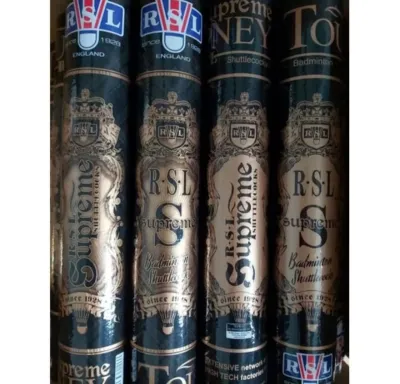
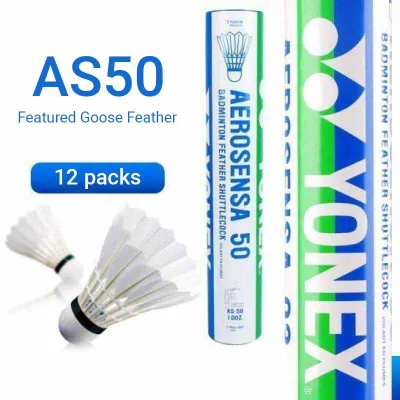
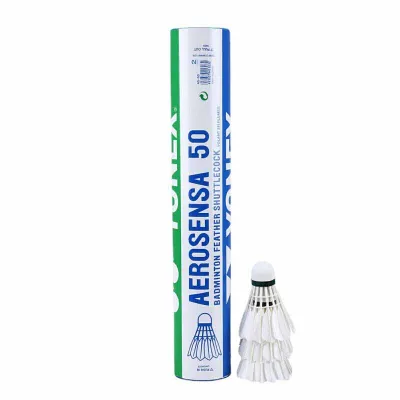
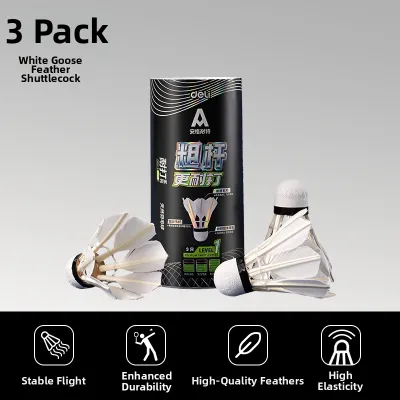
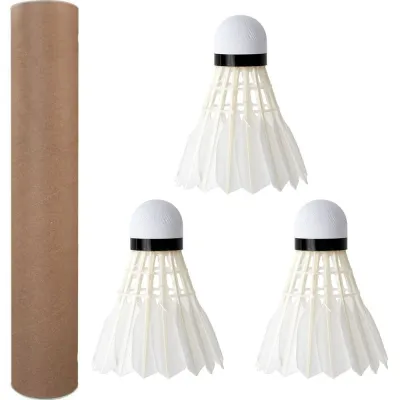
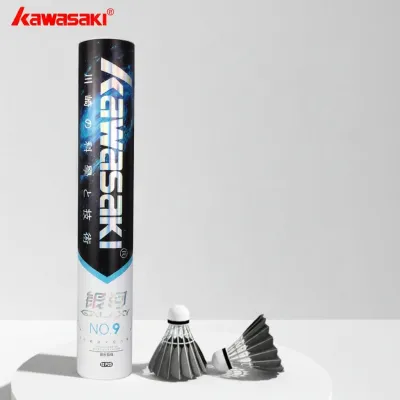
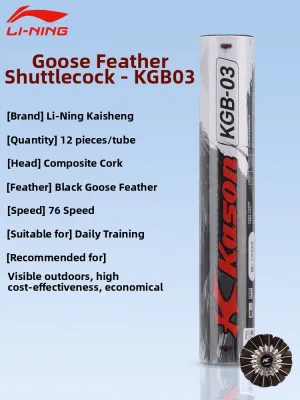
Prices are valid at publication and may change. Please refer to the product page for the latest price.
These feathers are anchored into a solid, natural cork base, which is wrapped in a thin layer of leather or synthetic material to provide a clean hitting surface. The weight distribution of a feather shuttlecock is concentrated heavily in the nose, creating a distinct aerodynamic profile that allows the shuttlecock to stabilize rapidly after a high-impact strike.
In contrast, synthetic shuttlecocks—often referred to as nylon or plastic shuttlecocks—are designed to mimic the flight of natural feathers using modern, durable materials. The skirt of a synthetic shuttlecock is molded as a single continuous piece of nylon or plastic, featuring a mesh pattern that simulates the air resistance of individual feathers.
The base of a synthetic shuttlecock can vary; entry-level options often use a soft foam or rubber base, while higher-end synthetic models utilize a natural or synthetic cork base similar to those found in feather shuttlecocks. Because the nylon skirt is a single molded piece, it lacks the natural flexibility and individual feather overlap of its traditional counterpart. This difference in manufacturing affects how the weight is distributed across the body, resulting in a slightly different balance point that alters how the shuttlecock reacts to racket contact and air resistance.
Matching Shuttlecock Types to Your Skill Level
Aligning your shuttlecock selection with your current playing ability is crucial for both skill development and cost management. For beginners and casual players who are still mastering their racket coordination and basic stroke mechanics, synthetic shuttlecocks are highly recommended. When you are learning to play, off-center hits are incredibly common. Striking a feather shuttlecock with the frame of your racket, rather than the sweet spot of the strings, will instantly bend or snap the delicate feather shafts, rendering the shuttlecock unusable after just a few rallies.

Synthetic shuttlecocks are incredibly forgiving of these mishits. The flexible nylon skirt can bend and deform upon impact with the racket frame and quickly pop back into its original shape, allowing beginners to focus on their footwork and swing path without worrying about destroying expensive gear.
As players transition into the intermediate stage, their strokes become more consistent, and they begin to develop a feel for different shots like drops, net plays, and smashes. At this point, intermediate players often find themselves at a crossroads. Continuing with synthetic shuttlecocks can sometimes mask flaws in technique, as nylon skirts do not respond as sharply to subtle racket face angles.
Transitioning to hybrid shuttlecocks—which feature natural feathers inserted into a synthetic frame—or entry-level duck feather shuttlecocks allows intermediate players to experience the authentic feel and spin of a feather shuttlecock without the high cost of premium tournament-grade options. This transition helps players refine their touch at the net and learn how to control the shuttlecock’s deceleration, which is essential for advancing to higher levels of play.
For advanced and competitive players, premium feather shuttlecocks are an absolute necessity. At an advanced level, badminton is a game of extreme precision, rapid transitions, and subtle deception. Advanced players rely on the unique aerodynamic properties of natural feathers to execute tight net spins, sharp slices, and powerful smashes that decelerate rapidly as they cross the net.
The individual feathers on a natural shuttlecock flare outward during a hard smash, creating high drag that slows the shuttlecock down as it travels, allowing defenders a split second to react. Synthetic shuttlecocks do not flare or decelerate in the same manner, making fast-paced competitive play feel unpredictable and overly aggressive. To maintain the integrity of competitive matches and ensure that advanced techniques produce the intended results, high-grade goose feather shuttlecocks remain the standard choice.
Comparing Flight, Durability, and Long-Term Value
The on-court performance differences between feather and synthetic shuttlecocks are immediately noticeable to anyone who has played with both. The flight trajectory of a natural feather shuttlecock is characterized by a sharp, clean arc. When struck hard, it accelerates quickly and then slows down predictably as it reaches the peak of its flight, dropping almost vertically onto the court. This vertical drop is essential for accurate baseline rallies and precise line calls. Furthermore, feather shuttlecocks spin rapidly along their longitudinal axis during flight, which stabilizes their path even in the presence of minor drafts.
Synthetic shuttlecocks, on the other hand, tend to follow a more parabolic, rocket-like trajectory. They do not decelerate as quickly at the end of their flight, which often causes deep clears to sail out of bounds and makes net play feel less responsive and harder to control.
Durability is where synthetic shuttlecocks hold a massive advantage, particularly when evaluated against the environmental conditions of the playing venue. In Singapore, the high year-round humidity can actually work to the advantage of natural feather shuttlecocks to some extent, as dry air makes feathers brittle and prone to snapping. However, even in humid conditions, natural feathers will inevitably degrade, fray, and break after repeated hard smashes. A single high-intensity game between intermediate or advanced players can easily consume two to three feather shuttlecocks, if not more.
Synthetic shuttlecocks are virtually immune to this type of rapid degradation. A single high-quality nylon shuttlecock can often last for multiple sessions, enduring hundreds of hard hits and frame strikes without losing its structural shape or flight characteristics.
When evaluating the long-term value of your purchase, it is important to look beyond the upfront retail price and calculate a cost-per-session framework. A tube of premium feather shuttlecocks in Singapore typically costs anywhere from S$30 to S$45, containing 12 shuttlecocks. If your group goes through four shuttlecocks per session, a single tube will only last you three games, resulting in a high ongoing cost.
Conversely, a tube of high-quality synthetic shuttlecocks might cost between S$15 and S$25 for six pieces, but because each synthetic shuttlecock can last for several weeks of casual play, your cost-per-session drops to a fraction of a dollar. For recreational groups playing once or twice a week, choosing synthetic shuttlecocks can save hundreds of dollars over the course of a year, making them an incredibly practical choice for budget-conscious players.
How to Choose the Right Shuttlecock for Your Needs
To finalize your decision, you should evaluate your specific playing environment, budget, and training goals.
Choose synthetic shuttlecocks if:
- You are a beginner, casual player, or family playing for recreation and fitness.
- You primarily play outdoors, in parks, or in open-air community spaces where wind and rough surfaces would instantly ruin natural feathers.
- You are conducting high-frequency training drills where the primary goal is repetitive stroke practice rather than improving delicate net play.
- You want to minimize your ongoing sporting expenses and prefer a durable, low-maintenance option that lasts for multiple sessions.
Choose feather shuttlecocks if:
- You play regularly in indoor sports halls or dedicated badminton courts where air currents are minimized.
- You are an intermediate or advanced player looking to improve your competitive performance, net control, and shot accuracy.
- You are preparing for an upcoming local tournament or league match, as practicing with the exact equipment used in competition is vital for muscle memory.
- Your playing group is willing to share the ongoing cost of replacing worn-out shuttlecocks to enjoy a premium, authentic playing experience.
Verify first if:
- You are joining a new social badminton club or booking a court with an organized group. Many local clubs in Singapore have specific rules regarding shuttlecock usage, with some requiring players to bring their own feather shuttlecocks of a specific speed grade (such as speed 77 or 78, which are suited for local temperature and humidity levels).
- You are purchasing in bulk from online marketplaces or local sports retailers. Always check the manufacturer's speed rating and grade labels on the packaging to ensure the shuttlecocks are suited for your local climate, as buying the wrong speed grade can result in shuttlecocks that fly too fast or too slow for your playing conditions.
Frequently Asked Questions (FAQ)
Can I use feather shuttlecocks for outdoor badminton?
Using natural feather shuttlecocks for outdoor play is highly discouraged. Outdoor environments introduce wind, uneven air currents, and rough surfaces like concrete or asphalt. Because feather shuttlecocks are lightweight and rely on precise aerodynamics, even a gentle breeze will severely disrupt their flight path, making rallies frustrating and unpredictable. Additionally, if a feather shuttlecock lands on a rough outdoor surface, the delicate feathers will instantly fray, chip, or break. For outdoor badminton, synthetic shuttlecocks—or specialized outdoor shuttlecocks designed with heavier bases and wind-resistant skirts—are far more practical and durable.
How should I store feather shuttlecocks to extend their lifespan?
To prevent natural feathers from becoming dry, brittle, and prone to snapping, proper storage is essential. You should always store your shuttlecock tubes vertically with the cork side facing down to maintain the shape of the feathers. In dry environments, players often use specialized humidifying tubes or insert a damp sponge into the top of the tube a few days before playing to restore moisture to the feathers.
However, in Singapore’s naturally humid climate, excessive artificial humidification is rarely necessary and can actually make the feathers too heavy. Instead, focus on keeping your shuttlecocks stored in a cool, shaded area away from direct sunlight and heat sources, and always check the manufacturer’s care instructions on the packaging for specific storage recommendations.
Community discussion
Share your experience or ask a question. Comments are reviewed before publication.