
Selecting the right insulated water bottle for sports and outdoor activities involves more than just picking a container that keeps liquids cold. In high-humidity tropical environments like Singapore, where outdoor workouts along the Park Connector Network (PCN) or intensive training sessions in local fitness centers rapidly deplete your hydration, a bottle’s thermal performance, ergonomics, and durability are critical. While the fellow bottle has gained a dedicated following for its sleek aesthetics and flavor preservation, comparing it to established athletic giants like Hydro Flask and Yeti reveals distinct differences in engineering priority. Understanding these design philosophies helps you choose a bottle that aligns with your specific physical activities.
The Short Answer: Which Bottle Wins for Sports?
To determine which bottle is best suited for your athletic pursuits, you must first look at the design intent behind each brand. While Fellow produces highly insulated vessels with outstanding thermal retention, its product DNA is heavily optimized for coffee, tea, and everyday lifestyle hydration. Features such as ceramic-coated interiors and wide, open mouths are engineered to enhance the sensory experience of drinking, rather than to withstand the rapid, high-impact demands of a rigorous workout.
In contrast, Hydro Flask and Yeti build their products specifically for rugged outdoor use and athletic performance. These brands offer extensive ecosystems of specialized sport caps, straw lids, and heavy-duty carrying handles designed for one-handed operation while moving. They are built to survive drops on concrete, exposure to harsh outdoor elements, and secure placement in bicycle cages or hiking packs.
Products mentioned in this guide
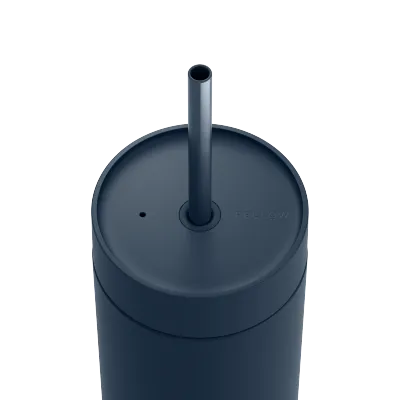
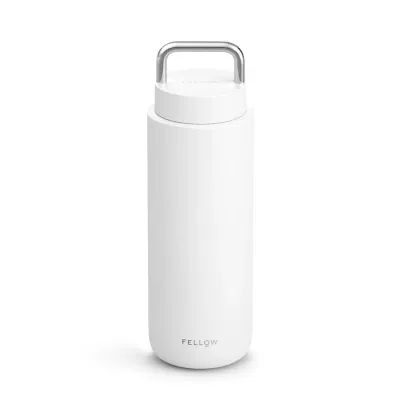
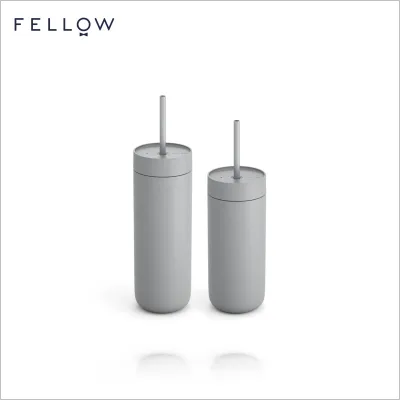
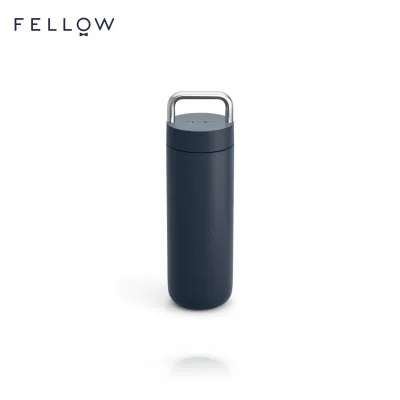
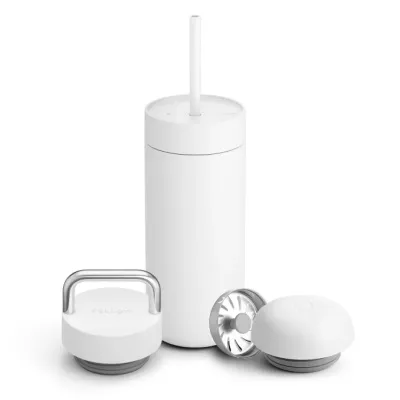
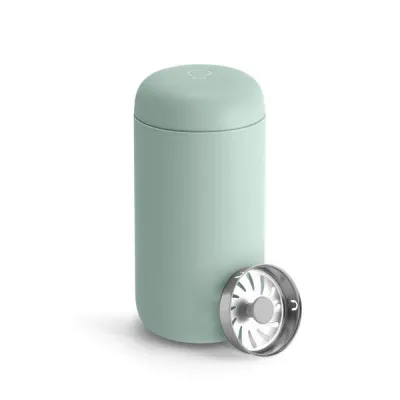
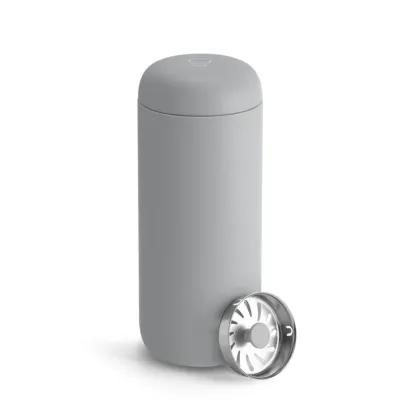
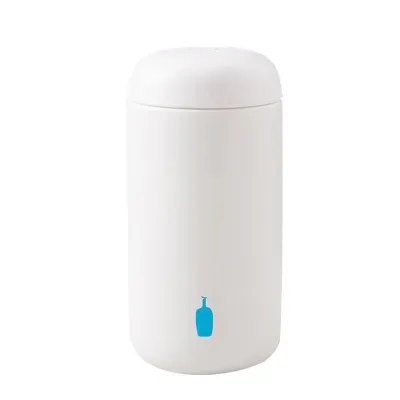
Prices are valid at publication and may change. Please refer to the product page for the latest price.
Therefore, the choice depends entirely on your specific activity level and environment:
- Fellow is excellent for low-impact activities, indoor gym sessions, yoga classes, or daily commutes where taste purity is your absolute priority.
- Hydro Flask is the preferred choice for running, hiking, and long-distance endurance sports where weight savings, easy-to-use sport lids, and carrying comfort are essential.
- Yeti stands out as the ultimate option for high-intensity, rugged outdoor environments, water sports, or rough terrains where maximum structural durability and dishwasher-safe convenience outweigh weight considerations.
Thermal Retention: How the Fellow Bottle Stacks Up Against the Giants
At the core of all three brands lies double-wall vacuum insulation, a technology designed to prevent heat transfer by eliminating the air between two layers of stainless steel. This system is highly effective at keeping cold drinks chilled and hot drinks steaming, even when exposed to high external temperatures. However, the implementation of this technology differs across the brands, particularly when considering Fellow’s unique interior design.

Insulation Technology and the Ceramic Barrier Many models in the Fellow bottle lineup, such as the Carter series, feature a proprietary ceramic interior coating over the stainless steel body. This ceramic barrier is designed to eliminate the metallic taste or “tinny” flavor transfer often associated with bare stainless steel vessels. While this coating is highly effective at preserving the natural taste of your water or sports drinks, you should verify the manufacturer’s specifications for your chosen model to confirm if the ceramic lining alters the overall thermal efficiency. In most standard use cases, the vacuum insulation layer remains the primary driver of temperature control, meaning Fellow matches the foundational insulation capabilities of its competitors.
Cold vs. Hot Retention in Tropical Climates In warm, humid climates, cold retention is almost always the primary concern for athletes. Drinking lukewarm water during an intense outdoor run can hinder performance and lower overall hydration comfort. While all three brands offer robust cold retention, the actual duration your water remains ice-cold depends heavily on external variables. You should check the manufacturer’s official ice-retention ratings for the specific bottle volume you plan to purchase. Generally, larger volume bottles hold temperature longer than smaller ones due to the higher thermal mass of the liquid inside.
The Crucial Role of Lid Selection A bottle’s thermal efficiency is only as good as its seal, and the lid is the primary point of thermal leakage. Yeti and Hydro Flask design specialized, insulated sport caps, chug lids, and straw caps specifically engineered to minimize heat transfer while allowing quick access to water. Fellow’s standard lids, which often prioritize a 360-degree sipping experience or a simple leakproof twist seal, may not offer the same targeted thermal protection during active sports use. Before purchasing, check whether Fellow offers compatible sport-specific lids or splash guards that can help maintain cold temperatures when you are opening and closing the bottle frequently during a workout.
Preventing Condensation with No-Sweat Designs There is nothing more frustrating than a water bottle that “sweats” in your gym bag, dampening your gear and making the bottle slippery to hold. Fortunately, Fellow, Hydro Flask, and Yeti all utilize advanced double-wall construction that prevents condensation from forming on the exterior. This sweat-free design ensures that regardless of how cold your beverage is inside, the outside remains dry, allowing you to maintain a secure grip during high-intensity training or humid outdoor hikes.
Design and Ergonomics for Active Use
When you are in the middle of a strenuous workout, cycling down a path, or hiking up a steep trail, the physical usability of your water bottle becomes just as important as its ability to keep water cold. Ergonomic factors can dramatically impact your hydration consistency.
Drinking Mechanisms and One-Handed Operation During active sports, stopping to unscrew a lid with both hands is highly inconvenient and can disrupt your momentum. Hydro Flask and Yeti excel in this category by offering specialized lids designed for rapid, one-handed access. Hydro Flask’s Sport Cap and insulated straw lids allow you to drink without tilting the bottle, which is ideal for cycling or running. Yeti’s Chug Cap provides a high-flow drinking spout protected by a quick-half-turn cap, ensuring you can hydrate rapidly without spilling.
Fellow bottles, by contrast, frequently utilize twist-off lids or unique 360-degree sipping lids. While these designs are excellent for enjoying the aroma of specialty coffee or taking controlled sips at a desk, they are less practical for dynamic movements. Drinking from a wide-mouth Fellow bottle while running on a treadmill or walking on a bumpy trail carries a higher risk of splashes and spills.
Weight and Portability Considerations The physical weight of your gear can make a noticeable difference during long-distance endurance activities. Yeti bottles, particularly the Rambler series, feature thick-gauge stainless steel, making them exceptionally robust but also significantly heavier than their competitors. Carrying a heavy Yeti bottle on a long run or a strenuous hike through Bukit Timah Nature Reserve can add unnecessary fatigue.
Hydro Flask is widely recognized for its lighter profile, and they even offer specialized lightweight collections (such as the Trail Series) designed specifically to shave off weight for backpackers and runners. Fellow bottles fall somewhere in the middle; while not as heavy as Yeti’s heavy-duty construction, the addition of interior ceramic coatings and solid lid hardware means they are generally heavier than comparable lightweight sports bottles. You should check the empty weight specifications of comparable sizes (such as 20 oz or 32 oz) to ensure the bottle fits your carrying comfort limits.
Grip, Textures, and Handling Sweaty hands are a common challenge during workouts. To combat this, Hydro Flask utilizes a signature powder-coat finish, and Yeti features its proprietary DuraCoat powder coating. Both finishes provide a textured, slip-resistant surface that is easy to hold even when wet. Fellow bottles also offer beautiful matte and textured finishes, but their sleek, minimalist silhouettes sometimes lack the rugged tactile grip found on dedicated outdoor bottles. If you plan to use your bottle during high-intensity training where your hands will be wet or sweaty, verify that the exterior finish of the model you choose offers sufficient slip resistance.
Carrying Options and Compatibility How you transport your bottle is another critical ergonomic factor. Yeti and Hydro Flask models often feature integrated, heavy-duty flexible straps, rigid handles, or finger loops built directly into the lids, making them easy to clip onto a backpack using a carabiner. Fellow bottles often prioritize clean, flush lines, which may omit these external carrying loops on standard models. Furthermore, you must consider physical dimensions: Fellow’s wider, cylindrical designs (such as the Carter line) may not fit into standard bicycle bottle cages, car cup holders, or the tight side pockets of running packs. Always verify the exact outer diameter of the bottle against your existing carrying equipment before making a purchase.
Durability and Maintenance in Outdoor Conditions
An active lifestyle subjects your gear to significant wear and tear. From accidental drops on outdoor courts to the buildup of sports drink residues, your bottle must be resilient and easy to maintain.
Impact Resistance and Ceramic Integrity Sports bottles are inevitably dropped on hard surfaces. Yeti is widely regarded as the industry standard for sheer dent resistance, utilizing premium-grade stainless steel that can withstand severe impacts without losing its vacuum seal. Hydro Flask is also highly durable, though its thinner walls (especially in lightweight models) can dent more easily under heavy impact.
When evaluating a Fellow bottle, the presence of an internal ceramic coating introduces a unique durability variable. While stainless steel is highly malleable and will simply dent upon impact, a severe drop that causes a sharp dent in the outer steel shell could potentially crack, chip, or compromise the interior ceramic lining. If the ceramic coating chips, it can expose the underlying metal and ruin the taste-purity benefits of the bottle. You should carefully review the manufacturer’s care and guidelines regarding drop impacts for ceramic-lined models.
Leakproof Guarantees Under Pressure A leaking bottle can ruin gear. Yeti and Hydro Flask offer robust leakproof guarantees on standard lids, though aftermarket sport lids require verification. For instance, straw lids can weep small amounts of liquid if stored upside down. Fellow’s precision twist lids provide an exceptionally secure seal when threaded correctly, but you must ensure the lid is aligned properly to maintain this integrity during active transport.
Cleaning After Sports Drinks and Supplements Many athletes use their bottles for more than just plain water, frequently mixing in electrolyte powders, BCAAs, pre-workout supplements, or protein shakes. These additives can leave behind stubborn residues, sticky films, and strong odors that are difficult to wash out of bare stainless steel or plastic lids.
This is where Fellow’s ceramic interior coating offers a massive advantage. The ultra-smooth ceramic surface naturally resists staining and prevents odors from clinging to the interior walls. This makes it incredibly easy to rinse out a sweet sports drink and immediately refill the bottle with pure water without any lingering aftertaste.
When it comes to deep cleaning, maintenance preferences vary:
- Yeti bottles and lids are almost universally rated as dishwasher safe, making them incredibly easy to sanitize after a hard workout.
- Hydro Flask has updated many of its guidelines to state that their powder-coated bottles are dishwasher safe, though you should always verify the care instructions for your specific model.
- Fellow often recommends hand washing for their ceramic-lined and specialty-finished bottles to preserve the integrity of the delicate interior coating and exterior paint. Always check the official care guidelines to ensure you do not inadvertently void your warranty during cleaning.
Warranty and Support Investing in a premium water bottle means you should expect long-term support. Yeti and Hydro Flask both offer robust manufacturer warranties that cover material defects and vacuum insulation failures. Fellow also provides warranties for manufacturing defects, but because ceramic coatings are subject to wear and tear from improper cleaning or drop damage, you should carefully read the terms to understand what types of damage are covered under active sports use.
Decision Framework: Choose Based on Your Activity
To simplify your decision, use this structured framework to match your primary physical activities and personal preferences to the correct bottle brand.
Choose Fellow if:
- Your primary activities are low-impact: You spend your active hours in yoga studios, indoor gyms, pilates classes, or commuting between the office and the fitness center.
- Taste purity is your absolute priority: You cannot stand the metallic taste of stainless steel and want your water, cold brews, or infused teas to taste exactly as intended.
- You use one bottle for multiple beverages: You want to transition seamlessly from morning hot coffee to afternoon ice water without any lingering flavor crossover.
- You prefer easy hand-washing: You do not mind hand-washing your bottle in exchange for a stain-resistant, odor-free ceramic interior.
Choose Hydro Flask if:
- You participate in endurance sports: You need a lightweight bottle for long-distance running, hiking, or track workouts where every gram of gear matters.
- You require specialized athletic lids: One-handed drinking via a reliable sport cap or straw lid is essential to maintaining your workout flow.
- You want a balance of durability and style: You appreciate a wide variety of vibrant color options, a comfortable powder-coat grip, and a proven track record in outdoor sports.
Choose Yeti if:
- You need maximum ruggedness: Your activities involve harsh outdoor environments, climbing, camping, marine sports, or settings where your bottle is highly likely to be dropped or knocked around.
- You prioritize dishwasher-safe convenience: You want to toss your bottle, lid, and straw directly into the dishwasher after every workout without worrying about paint peeling or material degradation.
- Weight is not a major concern: You are comfortable carrying a slightly heavier, robust bottle in exchange for unmatched structural integrity and high-flow chug caps.
Critical Verification Steps Before Buying Before finalizing your purchase of any of these brands, perform these quick checks to ensure compatibility with your lifestyle:
- Check the Dimensions: Measure your bicycle bottle cage, backpack side pocket, or car cup holder. Compare these measurements to the outer diameter specifications of the bottle model you want.
- Verify Lid Compatibility: Ensure the specific lid style you prefer (such as a straw lid or chug cap) is compatible with the exact bottle neck size (wide mouth vs. standard mouth) you are purchasing.
- Confirm Care Instructions: Verify the dishwasher safety rating of the specific color and model you choose, as manufacturer guidelines can vary based on exterior finishes.
Frequently Asked Questions (FAQ)
Is Fellow's ceramic coating safe for acidic sports drinks and pre-workouts?
Yes, ceramic coatings are highly stable and chemically inert, making them exceptionally safe for acidic sports drinks, electrolyte mixes, and pre-workout supplements. Unlike bare stainless steel, which can sometimes react with highly acidic liquids and create a metallic taste, the ceramic barrier prevents chemical interactions and preserves flavor purity. However, you should avoid storing highly acidic or carbonated beverages in your bottle for extended periods. Always check the manufacturer’s guidelines for your specific Fellow model to ensure proper care and avoid compromising the internal lining over time.
Do Hydro Flask and Yeti keep ice longer than Fellow in hot weather?
While all three brands utilize high-quality double-wall vacuum insulation that performs exceptionally well in hot weather, actual ice retention is heavily influenced by how you use the bottle rather than the brand alone. Factors such as the size of the bottle opening, the insulation value of the lid, and how frequently you open the bottle to drink play a massive role in temperature loss. A wide-mouth bottle opened repeatedly during an outdoor workout in high humidity will lose ice much faster than a bottle equipped with a sealed straw lid. To maximize cold retention, compare the manufacturer’s official thermal ratings for the exact size and lid configuration you plan to purchase, and keep the lid tightly sealed whenever possible.
Community discussion
Share your experience or ask a question. Comments are reviewed before publication.