
Quick Answer: Which Lifting Strap Design Fits Your Goals?
Choosing the right lifting straps is a highly individual decision that depends on your specific training goals, experience level, and the exercises you perform. There is no single “best” strap for every scenario; instead, each design serves a distinct purpose in the weight room.
If your primary focus is moving maximum weight on heavy, static pulling movements like deadlifts and shrugs, Figure 8 lifting straps offer an absolute, unbreakable lock-in that prevents the bar from rotating. For lifters who need a versatile, all-around training aid that transitions seamlessly between barbells, dumbbells, and cable machines, Lasso (loop) lifting straps provide the perfect balance of security and multi-angle flexibility. If you prioritize rapid setups, high-volume drop sets, or suffer from grip-limiting hand conditions, Hook lifting straps (or speed hooks) allow you to bypass wrapping entirely with an instant-on, instant-off mechanism.
By understanding the mechanical differences, practical trade-offs, and safety boundaries of each design, you can select the tool that safely and effectively supports your strength progression. This guide will break down these three popular strap styles to help you make an informed decision for your training routine.
Products mentioned in this guide
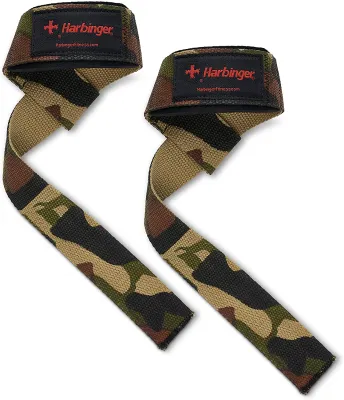
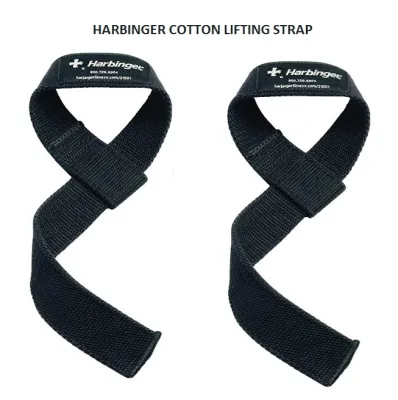
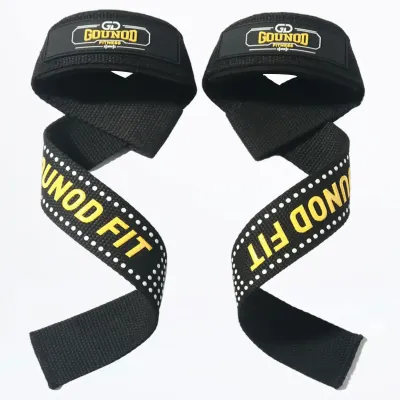
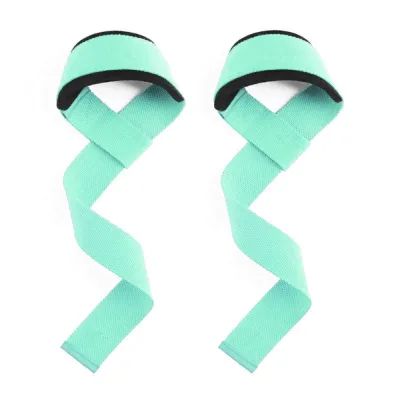
Prices are valid at publication and may change. Please refer to the product page for the latest price.
Understanding the Core Mechanisms: Figure 8, Lasso, and Hook
Lifting straps are designed to bridge the gap between your grip endurance and the strength of your target muscle groups. By transferring the load of the weight from your fingers directly to your wrists and forearms, they allow you to train pulling movements to true muscular fatigue without your hands giving out first. However, each style accomplishes this load transfer through distinct physical designs and mechanical principles.

Figure 8 Lifting Straps
The Figure 8 strap consists of a heavy-duty fabric band stitched into a shape resembling the number eight. To secure your grip, you slip your wrist through one loop, pass the remaining loop underneath the barbell, and then thread your hand back through the second loop before grasping the bar. This dual-loop design creates a mechanical sandwich, locking the barbell directly between your wrist and the strap.
Because the strap loops over your wrist twice and wraps completely around the bar, it minimizes bar slip and eliminates rotation. Even if your fingers open up entirely mid-lift, the strap will physically hold the weight in place. This offers unmatched security for heavy loads, but it does come with a learning curve. The setup requires a deliberate threading motion, and because it tethers you so tightly to the bar, escaping a failed lift quickly is more complex than with other designs.
Lasso (Loop) Lifting Straps
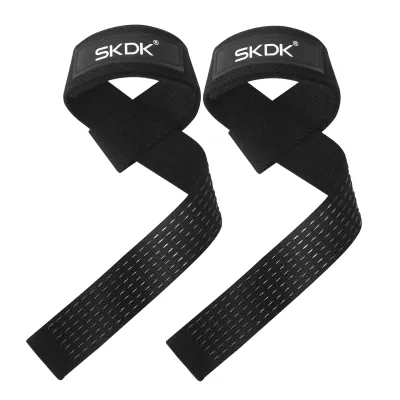
The Lasso strap, often referred to as a single-loop strap, is the most common design found in strength training. It features a single strip of heavy nylon, cotton, or leather with a loop stitched at one end. You thread the tail of the strap through the loop to create a collar around your wrist, leaving a long tail hanging free.
To secure the bar, you wrap this tail tightly around the shaft in the opposite direction of your grip, tucking the excess under your palm. As you pull, the friction between the wrapped fabric, the bar’s knurling, and your hand creates a self-tightening mechanism. The tighter you pull, the more the strap cinches down on the bar.
This classic design demands proper wrapping technique. If you do not wrap the tail tightly and evenly, the strap can loosen mid-set, shifting the load unevenly and compromising your grip. However, once mastered, it provides an adjustable and highly secure connection that can be released instantly by simply opening your hand.
Hook Lifting Straps (Speed Hooks)
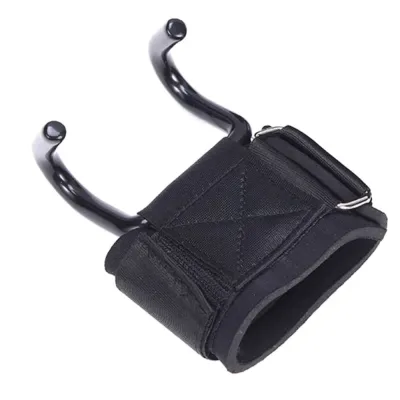
Hook straps, or speed hooks, abandon fabric wrapping entirely in favor of a rigid, curved hook made of coated steel or heavy-duty plastic. This hook is securely anchored to a thick, padded neoprene wrist cuff that fastens tightly around your wrist using a heavy-duty hook-and-loop strap.
Instead of threading loops or wrapping tails, you simply place the rigid hooks over the top of the barbell, dumbbell, or handle. The load is transferred directly from the bar to the reinforced wrist cuff, bypassing your fingers almost completely. This mechanical simplicity allows for instant setup and a fast, intuitive release.
While highly convenient, this design relies heavily on the physical shape of the hook resting on the bar. Any significant deviation in your wrist angle during a lift can cause the bar to slide out of the hook’s cradle, making strict form and wrist alignment absolutely critical.
Key Comparison Dimensions for Practical Training
To choose the right lifting strap, you must evaluate how each design performs across practical dimensions that directly affect your training flow, comfort, and safety.
Ease of Use and Setup Time
When training in a fast-paced environment or executing strict rest intervals, setup efficiency matters. Hook straps are the fastest option, requiring only a fraction of a second to place over the bar. This speed is highly beneficial during high-volume sessions or when performing drop sets where rest is measured in seconds.
Lasso straps require a moderate amount of setup time and physical coordination. You must wrap each side individually, often using one hand to wrap the second strap, which can be tricky for beginners to master in a crowded gym environment. Figure 8 straps fall in the middle; while threading is relatively quick once you learn the movement, it still requires more deliberate alignment than simply placing a hook over a bar.
Grip Security and Lock-in
The level of security you experience depends heavily on how the strap distributes tension. Figure 8 straps provide the most absolute lock-in because your hand is physically bound to the bar through two loops of heavy fabric. Even if your grip fails entirely, the strap will hold the weight.
Lasso straps offer high security but rely on the friction created by your hand squeezing the wrapped tail. If your hand opens, the strap will begin to unwind. Hook straps transfer the load directly to your wrists, but they do not “lock” you to the bar in the same way. Always check the manufacturer’s stated weight limits and material specifications for your specific product, as exceeding these limits can lead to sudden structural failure.
Wrist Support and Comfort
Comfort is a major factor, especially when lifting heavy weights in Singapore’s warm, humid climate, which can increase sweating and skin friction. Hook straps typically feature thick, wide neoprene wrist cuffs that distribute pressure over a larger surface area, reducing the sensation of the strap “digging” into your skin.
Figure 8 straps distribute the load across two points on the wrist, but because they are usually made of thick, unpadded cotton or nylon webbing, they can feel stiff and abrasive during maximal pulls. Lasso straps offer highly variable comfort; basic nylon models can bite into the wrists under heavy loads, while premium padded or leather versions offer a more compliant, comfortable fit at the expense of added bulk.
Versatility Across Exercises
A strap’s utility is limited if it only works on a standard barbell. Lasso straps excel in versatility, easily wrapping around thick axle bars, standard dumbbells, pull-up bars, and various cable machine attachments.
Figure 8 straps are highly specialized; their fixed dual-loop design makes them difficult or impossible to use on fat grips, small-diameter dumbbell handles, or closely spaced cable handles where there is no room to thread the loops. Hook straps are similarly constrained, as the rigid hook may not fit securely around very thick bars or may slide awkwardly on thin, polished metal cable attachments.
| Dimension | Figure 8 Straps | Lasso (Loop) Straps | Hook Straps |
|---|---|---|---|
| Primary Mechanic | Dual-loop lock | Single-tail friction wrap | Rigid steel/plastic hook |
| Setup Speed | Moderate | Slow to Moderate | Instant |
| Security Level | Maximum (Absolute lock) | High (Friction-dependent) | Moderate (Angle-dependent) |
| Versatility | Low (Barbell-focused) | High (Bar, DB, Cables) | Moderate (Standard diameters) |
| Release Speed | Slow (Requires unthreading) | Fast (Open hand) | Instant (Lift off) |
| Wrist Comfort | Low to Moderate | Moderate (Padded options) | High (Thick neoprene cuff) |
Matching Strap Types to Your Primary Exercises
Your choice of lifting strap should align directly with the specific movements and equipment that dominate your training program.
Heavy Deadlifts, Shrugs, and Rack Pulls
For heavy, static pulling movements where the goal is to move maximum weight in a straight vertical line, Figure 8 straps are highly effective. The dual-loop design prevents the barbell from rotating in your hands, which is a common cause of grip failure during heavy deadlifts and shrugs. By eliminating bar rotation, you can focus entirely on your hip hinge and posterior chain engagement without worrying about the bar slipping out of your palms.
Hook straps can also be utilized for these static lifts, provided you maintain strict, neutral wrist alignment throughout the movement. However, if the bar tilts or if you are lifting on an uneven surface, there is a risk of the bar rolling out of the hook’s cradle. For maximal deadlifts, the absolute security of a Figure 8 strap is generally preferred over the rigid, unyielding interface of a metal hook.
Barbell Rows, Pull-Downs, and Dumbbell Work
Dynamic pulling movements require a strap that can adapt to changing angles and various handle shapes. Lasso straps are the ideal choice for barbell rows, lat pull-downs, and dumbbell work because the flexible tail wraps easily around any handle size. This flexibility allows your wrists to rotate naturally during the movement, which is crucial for maintaining joint comfort and targeting specific muscle groups during back training.
In contrast, Figure 8 straps often feel highly restrictive during dynamic movements. Trying to thread a Figure 8 strap onto a dumbbell in a crowded gym can be incredibly awkward, and the rigid lock-in can force your wrists into unnatural angles during rotational movements like dumbbell rows. The Lasso strap’s ability to quickly wrap and adjust makes it the superior tool for a diverse, bodybuilding-style workout.
High-Volume Sets and Quick Transitions
If your training program emphasizes high-volume sets, supersets, or rapid drop sets, minimizing transition time is key to keeping your heart rate elevated and adhering to strict rest intervals. Hook straps offer a distinct advantage here, allowing you to attach to the bar instantly and release just as quickly when you reach muscular failure. This speed keeps your workouts moving efficiently without the tedious wrapping process.
However, using hooks during high-volume training requires strict adherence to safety boundaries. You must ensure the hook is fully and evenly seated on the bar, and your wrists must remain in a neutral position before you initiate the pull. Any rushing that leads to a crooked setup can cause the bar to slip or put uneven, dangerous torque on your wrist joints.
Decision Framework: Choose the Right Strap for Your Profile
To help you finalize your decision, evaluate how your training style, experience level, and physical needs align with the following profiles.
Choose Figure 8 if:
- Your primary training focus is powerlifting, strongman, or heavy deadlifts. If your main goal is moving maximal weight in a straight line, the absolute security of the double-loop design is unmatched.
- You prioritize maximum grip security and preventing bar rotation over quick setup speed. If you want to eliminate the physical possibility of the bar slipping out of your hands, this is the safest lock-in.
- You are comfortable spending time practicing the dual-loop threading technique. It takes some coordination to get the loops positioned correctly, but the security payoff is worth the learning curve.
Choose Lasso if:
- You need a versatile, all-around training aid for bodybuilding, general strength training, or functional fitness. If your workouts feature a mix of barbells, dumbbells, and cable machine attachments, the Lasso strap is the most adaptable tool.
- You want a strap that allows for a natural, adjustable grip. The friction-based wrap lets you control exactly how tight the strap feels and allows your wrists to rotate naturally during dynamic movements.
- You are willing to learn and master the proper wrapping technique. Once you develop the muscle memory to wrap the tail tightly with one hand, the Lasso strap becomes an incredibly reliable partner.
Choose Hooks if:
- You prioritize fast setup and instant release. If you perform high-volume training, supersets, or circuit workouts where transition time must be kept to a minimum, speed hooks are highly efficient.
- You frequently use cable machines and standard-diameter barbells. The rigid hooks work best on standard equipment where they can seat securely without sliding.
- You have grip-limiting conditions or hand fatigue. If you suffer from arthritis, carpal tunnel, or severe hand fatigue and want to bypass the physical act of squeezing a wrapped strap, hooks transfer the load directly to your wrists.
Verify first if:
- You have pre-existing wrist injuries, chronic joint pain, or are recovering from a hand injury.
- You are planning to lift weights near your absolute maximum capacity.
- You are using unfamiliar gym equipment with non-standard bar diameters or slick knurling.
In any of these scenarios, consult a qualified strength coach or medical professional before incorporating straps into your routine. Always verify the manufacturer’s stated weight limits and inspect the material condition of your straps before attempting any heavy lifts.
Safety Checks, Usage Boundaries, and Maintenance
Lifting straps are highly effective training aids, but they must be used responsibly to ensure your safety and protect your equipment.
Pre-Lift Checks
Before every heavy set, perform a quick visual and physical inspection of your lifting straps. Check the stitching for any signs of fraying, look for tears in the fabric or leather, and inspect the structural integrity of metal hooks or plastic supports. If you notice any visible damage, wear, or structural compromise, stop using the straps immediately and replace them to prevent sudden failure under load.
Safe Release
Understanding how to safely abort a failed lift is critical for preventing injury. Lasso straps offer a relatively simple release; if you must dump the weight, simply opening your hands allows the tail to unwrap and slide off the bar.
Figure 8 straps, however, require you to physically unthread your hands, meaning you cannot easily detach from the bar mid-lift. If you are using Figure 8 straps, ensure you are lifting in a controlled environment with safety pins or spotters, as a sudden dump is much more difficult. When using hook straps, maintain strict wrist alignment to prevent the bar from rolling out unexpectedly, and practice lifting off the bar cleanly at the end of each set.
Maintenance and Context
In Singapore’s humid climate, sweat and gym chalk can quickly accumulate on your straps, leading to material degradation, unpleasant odors, and reduced friction. Clean your straps regularly according to the manufacturer’s care instructions—typically a gentle hand wash with mild soap and air drying away from direct sunlight. Avoid machine washing or drying unless explicitly permitted, as high heat can weaken nylon fibers and degrade neoprene padding.
Finally, remember that lifting straps are training aids designed to bypass grip fatigue on your heaviest sets, not a replacement for foundational grip strength. To maintain balanced physical development, perform your warm-up sets without straps, and continue to train your grip strength through dedicated exercises alongside your strapped lifting sessions.
Community discussion
Share your experience or ask a question. Comments are reviewed before publication.