
In Singapore’s active wellness community, yoga has evolved from a weekly fitness class into a dedicated lifestyle practice. Whether you are flowing through a dynamic Vinyasa sequence in a sunlit studio along Orchard Road or practicing restorative Yin yoga in the comfort of your air-conditioned home, proper alignment and joint support are essential for a safe practice. For practitioners of all levels, the humble yoga block is an indispensable tool. While a single block can assist in basic modifications, acquiring a high-quality 2-piece set (“yoga block 2pcs”) unlocks a full spectrum of bilateral support, enabling symmetrical alignment, deeper chest openers, and stable weight-bearing transitions.
Navigating the local market to find reputable brands that offer genuine, durable, and safe 2-piece sets requires a systematic approach. Rather than relying on superficial aesthetics or unverified online reviews, discerning yogis must evaluate brands based on material science, manufacturing tolerances, and local authenticity. This guide provides a comprehensive framework to help you identify and verify the best 2-piece yoga block sets available in Singapore, ensuring your investment supports both your practice and your physical safety.
Evaluating Yoga Block Brands: What Defines a Quality 2-Piece Set
When searching for a reliable 2-piece yoga block set, the reputation and specialization of the brand are your first lines of defense against substandard equipment. Reputable brands typically specialize in yoga and wellness gear rather than producing generic plastic goods as a secondary product line. This specialization matters because dedicated yoga brands invest in research and development to ensure their products meet the specific physical demands of yoga postures, such as slip resistance, structural integrity under load, and skin-safe material composition.
Products mentioned in this guide
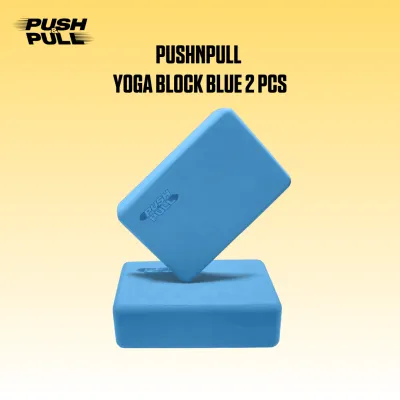
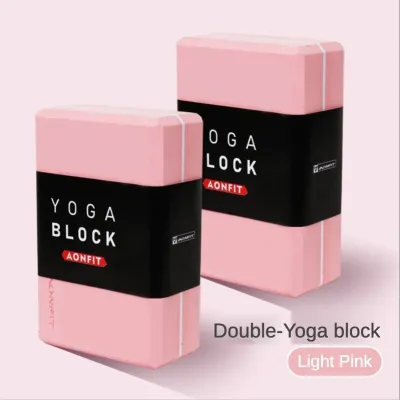
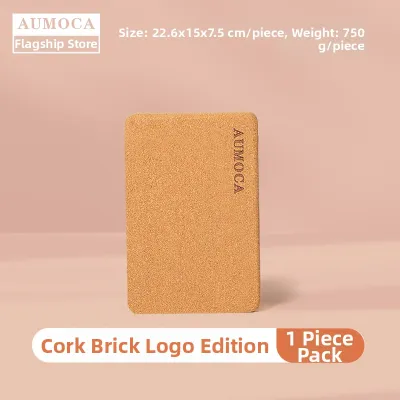

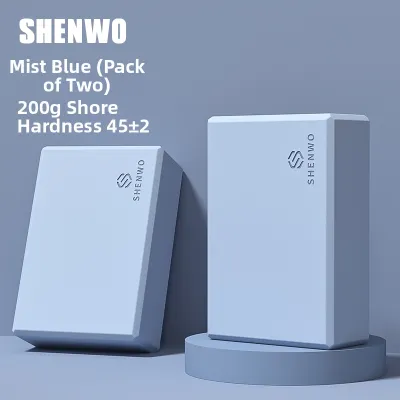
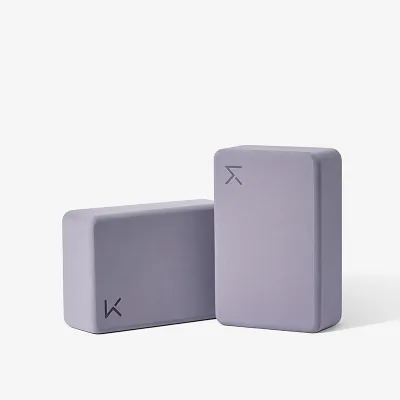
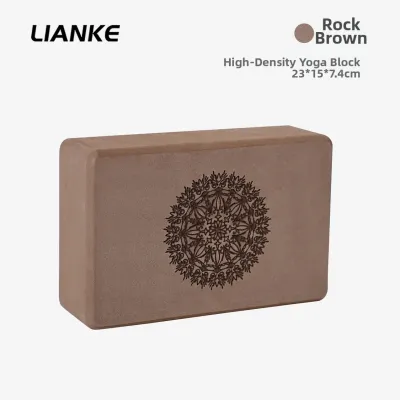
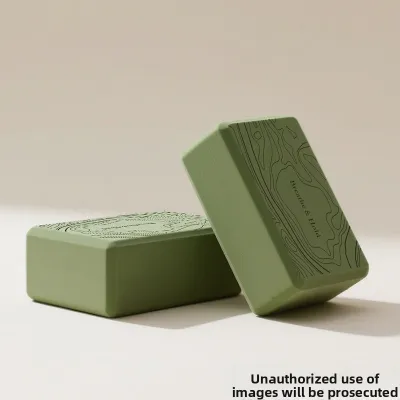
Prices are valid at publication and may change. Please refer to the product page for the latest price.
Brand transparency regarding material sourcing is a primary indicator of quality. High-caliber brands openly publish their manufacturing standards, material origins, and safety certifications on their official websites. When evaluating a brand, look for verifiable compliance with international safety standards, such as OEKO-TEX certification for foam products or Forest Stewardship Council (FSC) certification for wood and cork. These labels confirm that the blocks are free from harmful chemical residues, heavy metals, and volatile organic compounds (VOCs) that could off-gas in your practice space or irritate your skin during close contact.
Consistency within a 2-piece set is another critical factor that separates premium brands from budget alternatives. A matched pair of blocks must exhibit identical dimensions, density, and wear resistance. During manufacturing, budget brands often package blocks from different production batches together, leading to subtle variations. Even a minor height difference of three millimeters or a ten percent variance in density between your two blocks can destabilize asymmetrical poses, alter your load path, and place uneven stress on your wrists, shoulders, or hips. Reputable brands enforce strict quality control tolerances to ensure that both blocks in a 2-piece set perform identically under pressure.
Choosing the Right Material and Density for Your Practice
Yoga blocks are primarily manufactured from three materials: EVA foam, cork, and wood or bamboo. Each material offers distinct physical properties, weight profiles, and levels of support. Selecting the right material requires matching these characteristics to your specific yoga style, sweat levels, body frame, and carrying methods.

Ethylene-Vinyl Acetate (EVA) foam blocks are highly popular due to their lightweight nature and accessibility. They are exceptionally easy to transport, making them the preferred choice for commuters traveling to local Singapore studios. However, foam blocks vary significantly in density. Low-density foam blocks, often sold at unusually low prices, tend to compress excessively or warp under body weight, which can cause the block to tilt and lead to joint strain. When choosing a foam set, verify that the manufacturer specifies “high-density” or “closed-cell” construction. You can perform a physical check by pressing your thumb firmly into the center of the block; a quality high-density foam block will resist deep indentation and spring back to its original shape immediately.
Cork blocks are harvested from the outer bark of the cork oak tree, offering a natural, sustainable, and highly stable alternative to foam. Cork is inherently heavier than foam, providing a grounded, unyielding foundation that is excellent for advanced balancing poses and deep inversions. Furthermore, cork is highly suited for Singapore’s humid tropical climate and hot yoga sessions. The material contains a natural waxy substance called suberin, which actually improves grip when exposed to moisture or sweat. When evaluating cork brands, inspect the grain structure. Fine-grain cork blocks consist of tightly compressed, smaller particles, which offer superior durability and a smoother texture. Coarse-grain blocks, while cheaper, feature larger particles that are more prone to chipping, crumbling, and absorbing moisture over time.
Bamboo and wooden blocks represent the pinnacle of durability and structural rigidity. These blocks provide absolute, unyielding support, making them highly favored for precise alignment work and restorative practices where the block must support a static load for extended periods. However, because wood has zero shock absorption, it can place high pressure on sensitive joints or bony areas like the sacrum. If you select wooden blocks, verify whether you have the joint tolerance for such a rigid surface, or plan to use a folded yoga towel as a cushioning interface. Additionally, always check the manufacturer’s specifications to ensure hollow wooden blocks are rated for your body weight before attempting any standing or fully weight-bearing postures.
Sizing, Ergonomics, and the Value of Matched Sets
Selecting the correct block dimensions and ergonomic features is essential for maintaining a safe and comfortable practice. The standard industry dimension for a yoga block is approximately 9 x 6 x 4 inches (23 x 15 x 10 centimeters). This size is highly versatile because it offers three distinct heights depending on how the block is oriented, accommodating various levels of flexibility and different poses.
For practitioners with smaller frames, shorter limbs, or highly developed flexibility, travel-sized blocks (typically 8 x 4 x 3 inches) offer a lighter, more compact option. Conversely, taller practitioners or those with limited flexibility may benefit from oversized blocks, which bring the floor closer to the body and reduce the need to overextend. When selecting a 2-piece set, ensure the dimensions align with your hand span; you should be able to grip the block securely with one hand without straining your fingers.
Ergonomic edge profiling is another feature to verify. High-quality yoga blocks feature beveled (rounded or chamfered) edges rather than sharp, 90-degree corners. Beveled edges distribute pressure more evenly across your palms and wrists during weight-bearing poses, such as half moon pose (Ardha Chandrasana) or supported handstands. Sharp edges can cut into your skin, restrict blood circulation, and degrade faster under repeated use, leading to premature tearing or crumbling at the corners.
Investing in a matched 2-piece set guarantees uniform height and stability when using the blocks symmetrically. Symmetrical poses—such as placing a block under each hand in downward-facing dog variations or under each knee in bound angle pose (Baddha Konasana)—require identical support on both sides of the body. Mixing blocks of different heights, materials, or wear levels introduces structural asymmetry, forcing your muscles and joints to compensate for the uneven foundation. A matched set ensures that your skeletal alignment remains balanced, reducing the risk of repetitive strain injuries.
Verifying Availability and Authenticity in Singapore
To ensure you are purchasing genuine products from reputable brands, it is crucial to navigate the local retail landscape carefully. Start by visiting the official global website of your preferred yoga brand to locate their authorized distributors or retail partners in Singapore. Many premium wellness brands maintain official flagship stores on major local e-commerce platforms or partner with established specialty sports retailers in physical shopping malls across the island.
Be highly cautious when browsing open online marketplaces. While these platforms offer a vast array of “yoga block 2pcs” listings at incredibly low prices, they are frequently flooded with unbranded, low-density counterfeits. These substandard products often mimic the appearance of premium brands but lack their structural integrity, density, and non-toxic material standards. Purchasing from unauthorized third-party sellers increases the risk of receiving blocks that warp, slip, or emit strong chemical odors.
Before finalizing your purchase, verify the seller’s return and exchange policies, warranty terms, and local customer support channels. Genuine distributors in Singapore typically offer clear policies for manufacturing defects, allowing you to return or exchange the set if you detect dimensional inconsistencies, surface warping, or structural soft spots upon unboxing. Having access to a local customer support channel ensures that any post-purchase concerns can be resolved promptly without the hassle of international shipping.
Building Your Shortlist: Label Checks and Red Flags
When browsing product pages or physical stores in Singapore, equip yourself with a practical checklist to evaluate specific 2-piece sets. Reading the product labels and specifications carefully will help you filter out low-quality options and identify genuine, durable equipment.
First, check the weight and density specifications on the product label. Reputable brands will clearly state the weight of each block. For a standard-sized block, a high-density EVA foam block should typically weigh between 250 and 350 grams, while a standard cork block should weigh between 700 and 1000 grams. If a product listing for a cork block claims a weight of under 400 grams, it is highly likely a hollow imitation or made from a highly porous, low-durability composite that will crumble under pressure.
Second, review the manufacturer’s care and maintenance instructions. High-quality materials should have straightforward, realistic cleaning guidelines. If a brand fails to provide clear maintenance steps, or if the instructions warn against any contact with moisture (even for foam or treated cork), it suggests the material may degrade rapidly under normal use and sweat exposure.
Finally, learn to identify common red flags that indicate substandard quality:
- Vague material descriptions: Avoid listings that use ambiguous terms like "eco-friendly composite" or "premium foam" without specifying the exact polymer (such as EVA or TPE) or sourcing details.
- Unusually low prices: A genuine 2-piece cork or bamboo set requires precise manufacturing and raw materials; if a set is priced similarly to cheap, low-density foam (for example, under S$10), it is highly likely a counterfeit or substandard product.
- Lack of dimensional tolerances: Reputable brands often specify their manufacturing tolerances (e.g., +/- 2mm) to guarantee consistency within the 2-piece set.
Frequently Asked Questions (FAQ)
Is it necessary to buy a 2-piece set, or can I mix different blocks?
For symmetrical poses and balanced alignment, using a matched 2-piece set is highly recommended. Symmetrical postures require identical height, compression resistance, and grip on both sides of the body to maintain a level pelvis and aligned shoulders. Mixing blocks of different heights, materials, or densities introduces structural instability; for instance, if one hand rests on a firm cork block and the other on a soft, compressing foam block, your body will naturally tilt toward the softer side, placing uneven stress on your joints. Mixing different blocks is only acceptable in non-weight-bearing, asymmetrical restorative poses where the blocks serve entirely different purposes, such as using one block to support your head and another to support a knee.
How do I clean and maintain cork versus foam yoga blocks?
To clean foam yoga blocks, wipe them down after each session with a damp cloth and a mild, highly diluted soap solution. Avoid harsh chemical solvents, bleach, or abrasive scrubs, which can break down the closed-cell foam structure. Allow them to air dry completely in a shaded, well-ventilated area before storing them away from direct sunlight.
Cork blocks are naturally antimicrobial, but they still require regular maintenance to prevent sweat buildup. Wipe the surface with a damp cloth using water only, or a highly diluted white vinegar solution if they are deeply soiled. Never submerge cork blocks in water or expose them to intense, direct sunlight, as this can cause the cork to dry out, warp, or crumble. If you notice deep staining, persistent odors, or visible crumbling of the edges, it is a clear indication that the block’s structural integrity is compromised, and the set should be replaced to ensure your safety during practice.
Community discussion
Share your experience or ask a question. Comments are reviewed before publication.