
Selecting the right 4 kg dumbbell in Singapore involves more than simply picking the first option available on an online marketplace. While a 4 kg weight is highly versatile—ideal for high-repetition endurance training, physical therapy, and shadow boxing—the quality of construction varies significantly between brands. In Singapore’s warm, humid climate, choosing the wrong material can lead to premature rusting, peeling coatings, or unpleasant chemical odors in your living space.
To make an informed purchase, you must understand how to evaluate material durability, weight accuracy, and structural safety. By focusing on verifiable product specifications and physical design features, you can identify reliable fitness equipment that supports your training goals and withstands the test of time. This guide outlines the essential criteria for assessing dumbbell quality and navigating the local retail landscape.
What Defines a High-Quality 4 kg Dumbbell?
Evaluating a dumbbell starts with understanding the core materials used in its construction. For a relatively light weight like 4 kg, manufacturers employ several different materials, each presenting distinct trade-offs regarding durability, floor protection, and resistance to moisture.
Products mentioned in this guide
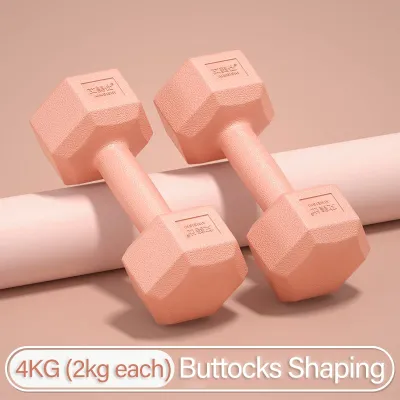
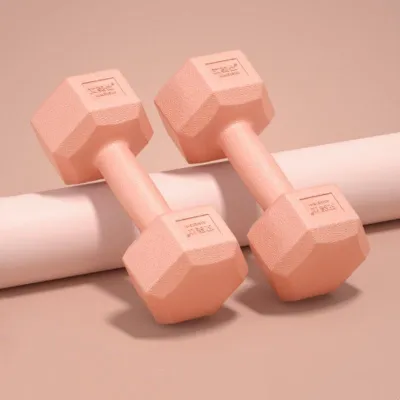
![[SG STOCKS] Hex Vinyl Dumbbell 2KG / 4KG / 6KG (Single Piece) Hex Shape Dumbbells / Weights](https://img.lazcdn.com/g/p/10fee2d43083d324fcdabb34d2c19588.jpg_400x400q80.jpg_.webp)
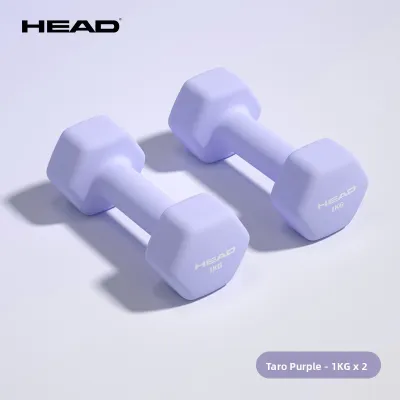
Prices are valid at publication and may change. Please refer to the product page for the latest price.
Cast iron is the traditional choice for strength equipment. Solid cast iron dumbbells are incredibly durable and virtually indestructible under normal training conditions. However, bare or painted cast iron is highly susceptible to rust when exposed to Singapore’s high humidity. If the protective paint chips, sweat and atmospheric moisture will quickly oxidize the exposed metal. Furthermore, dropping bare iron on tiled or vinyl floors in typical HDB flats can cause immediate, costly damage.
Rubber-coated dumbbells feature a cast iron core encased in a protective rubber layer. This coating excels at dampening noise and protecting your flooring from scratches and impact. The primary trade-off with rubber is the potential for a strong, off-gassing chemical odor, which can be highly distracting in small, air-conditioned rooms. Low-quality rubber coatings may also degrade, stretch, or split over time when exposed to friction and sweat.
Neoprene is a popular synthetic rubber coating frequently used for lighter weights, including 4 kg options. It offers a soft, matte, slightly textured finish that provides an excellent natural grip, even when your hands are sweaty. Neoprene is highly resistant to moisture and does not carry the harsh chemical smell associated with cheap rubber. However, the outer skin can tear if scraped against sharp edges, metal storage racks, or rough outdoor concrete surfaces.
Urethane, or polyurethane, represents the premium tier of dumbbell coatings. It is highly durable, completely odorless, and exceptionally resistant to tearing, chipping, and UV degradation. Urethane dumbbells maintain their clean appearance for years and do not leave black marks on floors. Because of these superior properties, urethane options carry a higher price tag and are more commonly found in commercial fitness centers rather than budget home setups.
Beyond materials, weight accuracy is a critical indicator of manufacturing quality. High-quality brands adhere to strict calibration standards, ensuring that a dumbbell labeled 4 kg actually weighs 4 kg, with a very narrow tolerance level (typically within 1% to 3%). Cheaper, unbranded weights often suffer from poor quality control, resulting in pairs where one dumbbell is noticeably heavier than the other. This imbalance can lead to uneven muscle development or joint strain during bilateral exercises.
Handle diameter and grip texture also dictate the overall quality of the training experience. For a 4 kg dumbbell, the handle diameter should ideally fall between 25 mm and 28 mm to accommodate various hand sizes comfortably. The grip must allow you to maintain a secure hold during high-repetition movements without causing excessive hand fatigue or forcing you to overcompensate with your forearm muscles.
Essential Design Features to Evaluate Before Buying
Before purchasing a pair of 4 kg weights, you should perform a series of structural checks to ensure the design is safe and practical for your specific home workout environment.

Anti-roll designs are highly recommended for home use. Round dumbbells are prone to rolling away when placed on the floor, which poses a safety hazard to your feet, pets, and nearby glass furniture or mirrors. Hexagonal, octagonal, or flat-sided designs ensure the dumbbell stays exactly where you place it. These flat edges also allow you to perform floor-based exercises, such as dumbbell push-ups or renegade rows, with a stable, non-slip base.
Coating quality requires close visual and tactile inspection. When examining a coated dumbbell, look closely at the seams where the mold joined during manufacturing. High-quality brands feature smooth, almost invisible seams, whereas inferior products often have raised, rough ridges of excess material. These rough edges can rub against your palms during workouts, causing discomfort or blisters. Additionally, check for any bubbling or soft spots under the coating, which indicate that the protective layer is not fully bonded to the metal core and may peel away later.
Odor is a reliable indicator of material purity. If a rubber-coated dumbbell emits a pungent, petroleum-like smell that transfers to your hands, it likely contains low-grade recycled rubber bound with volatile organic compounds. For indoor home gyms, especially in compact apartments where ventilation may be limited, prioritizing low-odor virgin rubber, neoprene, or urethane is essential for maintaining a comfortable living environment.
If you prefer dumbbells with metal handles, pay close attention to the knurling pattern. Knurling refers to the cross-hatched metal texture engraved into the handle to improve friction. For a 4 kg weight, the knurling should be passive to medium. It should feel secure and textured in your palm without being so sharp or aggressive that it cuts into your skin during high-rep sets. If the handle is coated in neoprene or rubber, ensure it features an ergonomic contour that matches the natural curve of your closed hand, distributing the pressure evenly across your palm.
How to Verify Brand Reliability and Retailer Support
Navigating the local market in Singapore requires a systematic approach to verifying brand reputation and ensuring you receive adequate customer support after your purchase.
Start by researching the manufacturer’s warranty and return policies. Even for simple fitness equipment like dumbbells, reputable brands stand behind their products with warranties that cover structural defects, such as the handle loosening from the weight head or the coating splitting prematurely. A manufacturer offering a clear 1-year warranty is generally more reliable than a seller offering no post-purchase recourse. Always check if the local distributor or retailer handles warranty claims directly in Singapore, as shipping heavy weights back to an overseas manufacturer is financially impractical.
Read verified user reviews with a critical eye. When browsing online marketplaces or fitness forums, filter reviews to look for long-term feedback. Many buyers leave positive five-star reviews immediately upon unboxing their purchase, which only confirms that the product arrived on time. Look for reviews written after six months or a year of regular use. These long-term updates provide invaluable insights into whether the neoprene coating began to peel, if the handles started to rust, or if the rubber smell eventually dissipated.
Whenever possible, visit physical sports retailers and fitness showrooms in Singapore to test the equipment in person. Holding a 4 kg dumbbell in your hand allows you to assess its balance, grip comfort, and material quality far better than looking at product photos online. You can check if the handle diameter feels natural, verify that the knurling is not too sharp, and physically inspect the seamlessness of the coating. Visiting a physical store also allows you to speak with knowledgeable staff who can explain the differences between various product lines.
Matching 4 kg Weights to Your Specific Training Goals
Before finalizing your purchase, it is important to confirm that a 4 kg dumbbell pair aligns with your current physical conditioning and training objectives.
Typical use cases for 4 kg weights center around high-repetition, low-resistance training. This weight range is highly effective for physical therapy and shoulder rehabilitation exercises, where maintaining strict form is critical to avoiding injury to delicate structures like the rotator cuff. It is also an excellent resistance level for shadow boxing, Pilates, barre workouts, and dynamic aerobic routines that require continuous movement over extended periods.
However, you must consider the principle of progressive overload if your primary goal is building significant muscle mass or strength. Progressive overload requires gradually increasing the resistance over time to challenge your muscles. For compound movements like squats, lunges, or chest presses, a 4 kg weight will quickly become too light to stimulate further adaptation. If you plan to progress rapidly, investing in an adjustable dumbbell system or a wider set of fixed weights may be more cost-effective in the long run than buying single pairs of fixed weights sequentially.
To determine if 4 kg is the correct starting weight for your accessory movements, perform a simple strength assessment. If you can perform 15 to 20 repetitions of a lateral shoulder raise or a bicep curl with perfect form, maintaining control during both the lifting and lowering phases, 4 kg is an appropriate weight for endurance and accessory training. If your form breaks down, your shoulders shrug, or you must swing your body to complete 10 repetitions, you should start with a lighter weight, such as 2 kg or 3 kg, to protect your joints and build a solid foundation.
Frequently Asked Questions (FAQ)
How do I clean and maintain rubber or neoprene coated dumbbells?
To clean coated dumbbells, wipe them down after every workout with a soft cloth dampened in a solution of warm water and a few drops of mild dish soap. Avoid using harsh chemical solvents, bleach, or alcohol-based sanitizing sprays, as these substances can dry out synthetic rubber and neoprene, causing the material to crack, discolor, or lose its texture. After wiping, dry the dumbbells thoroughly with a clean towel. Never leave them damp, and store them away from direct sunlight, as prolonged UV exposure can degrade the outer coating and cause it to become sticky or brittle.
Is a 4 kg dumbbell suitable for building muscle mass?
While building substantial muscle hypertrophy typically requires lifting heavier loads that challenge you within a lower repetition range (typically 6 to 12 reps), 4 kg dumbbells can still contribute to muscle growth under specific conditions. For beginners or individuals returning from an injury, 4 kg provides sufficient resistance to stimulate muscle protein synthesis. For advanced lifters, 4 kg weights are highly effective for high-repetition burnout sets at the end of a workout, targeting smaller muscle groups like the lateral deltoids, or performing high-volume mobility work that promotes blood flow and active recovery.
Community discussion
Share your experience or ask a question. Comments are reviewed before publication.