
Finding the right toddler goggles in Singapore involves looking for brands that prioritize soft, hypoallergenic seals, secure and hair-friendly strap designs, and reliable UV protection. While many global and local brands are available, the “best” brand is the one that matches your child’s unique facial structure and comfort level. Parents should focus on verifying manufacturer specifications, testing the fit at home, and purchasing from authorized retailers to ensure safety and authenticity.
In Singapore’s year-round tropical climate, swimming is a staple activity for young children, whether for weekend recreation in condo pools or structured early-years swim lessons. At this tender age, typically between two and five years old, a bad experience with water leaking into the eyes or a painful strap pulling on fine hair can discourage a child from enjoying the water. Therefore, selecting a reliable brand requires a systematic approach to evaluation rather than relying on generic, unbranded options.
While high-quality swim gear can significantly enhance a child’s comfort and confidence, it is important to remember that equipment cannot replace proper adult supervision and water safety training. Goggles are designed to protect eyes from chlorine and improve underwater visibility, but they do not offer buoyancy or water safety protection. Parents must remain vigilant and within arm’s reach of their toddler at all times during water activities.
Products mentioned in this guide
![[SG Stock] 2-6 Age Toddler Swimming Goggles Cartoon Anti Fog UV Adjustable Google Swim Kids Children](https://img.lazcdn.com/g/p/9fa6dcd8d8b59bf257d8ba2209006008.jpg_400x400q80.jpg_.webp)
![[SG] Kids Swim Goggles | Anti Fog + UV Shield | Children Swimming Goggle](https://img.lazcdn.com/g/p/fd695c7b44ca653c4bbd27b4b31129ea.jpg_400x400q80.jpg_.webp)
![[SG Stock] Kids Swimming Goggles Quick Release Anti Fog Leak Proof Swim Goggle Easy Wear Adjustable Children UV Google](https://img.lazcdn.com/g/p/4fd6a3bffd2b77d2b8d4cf76d21e1eb1.jpg_400x400q80.jpg_.webp)
![[SG Stock] Kids Goggles Wide Lens Swim Mask Swimming Quick Release Anti Fog UV Adjustable Google Children](https://img.lazcdn.com/g/p/682312311edaac8b36e70f8ccf77d38d.jpg_400x400q80.jpg_.webp)
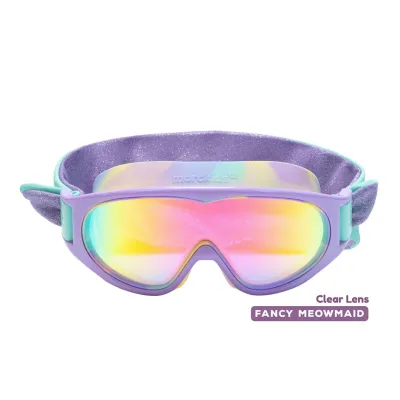
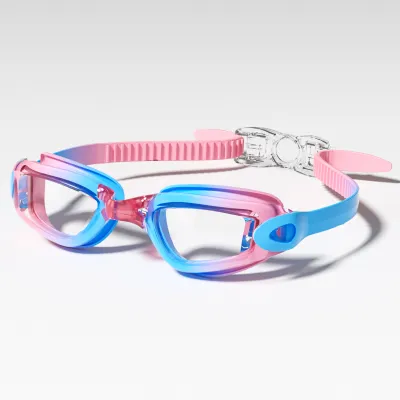
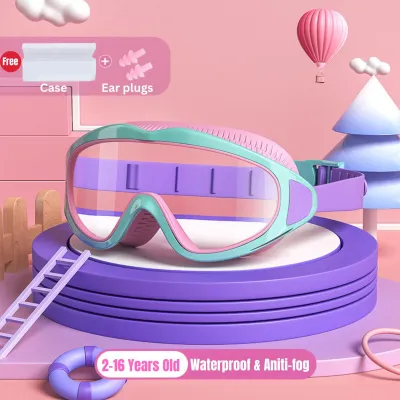
Prices are valid at publication and may change. Please refer to the product page for the latest price.
How to Evaluate Toddler Goggle Brands for Safety and Fit
When evaluating toddler goggle brands, the primary consideration must be how well the frame conforms to a young child’s unique facial anatomy. Toddlers generally have flatter nasal bridges, wider-set eyes, and rounder cheeks compared to older children. Standard goggle frames designed for older kids will often leak at the nose bridge or press uncomfortably against the outer eye sockets. Reliable brands address this by engineering one-piece flexible frames, typically made from soft, pliable silicone, that automatically adapt to these contours without requiring manual nose-bridge adjustments.
Strap design and adjustment mechanisms are equally critical when selecting a brand for toddlers. Fine toddler hair is exceptionally prone to tangling and pulling, which can turn putting on and taking off goggles into a stressful experience. Look for brands that feature wide, split silicone straps that distribute pressure evenly across the back of the head, or those that offer integrated fabric or neoprene covers. The adjustment buckles should be intuitive and easy for a parent to operate, preferably located on the sides or back of the frame where they can be adjusted quickly while the child is wearing them.
Safety compliance and material integrity should never be compromised when choosing eyewear for a young child. Reputable brands manufacture their lenses from impact-resistant polycarbonate, which protects the eyes from accidental bumps against pool walls, steps, or toys. Furthermore, these brands are transparent about their compliance with international safety standards, such as the British Standard BS 5883 or equivalent ISO certifications, which govern the physical safety, seal integrity, and non-toxicity of swimming eyewear.
Finally, brand transparency regarding material sourcing and sizing is a strong indicator of quality. Trusted manufacturers provide clear, age-appropriate sizing charts and explicitly state that their products are free from harmful chemicals, phthalates, BPA, and latex. This transparency helps parents avoid low-cost, generic alternatives that may use industrial-grade plastics or adhesives that can off-gas or cause skin irritation upon contact with warm pool water.
Essential Specifications to Verify on Product Labels
Before purchasing any pair of toddler goggles, parents must carefully verify the technical specifications listed on the official product packaging or manufacturer datasheet. In Singapore, where the UV index is frequently high, verified UV protection is an absolute necessity for outdoor swimming. Look for labels that explicitly state “100% UV Protection,” “UV 400,” or compliance with international UV standards. Do not rely on lens color as an indicator of UV protection; clear lenses can be treated with highly effective UV-blocking coatings, while dark, untreated lenses can actually harm eyes by causing pupils to dilate and admit more UV radiation.

Material safety is another critical specification to check on the product label. Look for terms such as “medical-grade silicone,” “hypoallergenic liquid silicone,” or “100% latex-free.” Toddler skin is highly sensitive and prone to contact dermatitis when exposed to low-quality plastics, PVC, or synthetic rubbers. High-quality silicone seals are not only gentler on the skin but also maintain their flexibility and sealing properties over time, even when exposed to chlorinated pool water and tropical humidity.
Anti-fog performance is a common pain point for young swimmers, as foggy lenses can cause panic or prompt toddlers to constantly remove their goggles with wet, dirty hands. Verify if the product features a factory-applied anti-fog coating on the inner lens. However, parents must understand the realistic limitations of these treatments; they are delicate, temporary, and can be easily damaged by touching or wiping. The label should provide clear care instructions on how to preserve this coating, which is a sign of a manufacturer that stands behind its product’s performance.
Lastly, evaluate the buckle and adjustment mechanism specifications. Look for terms like “quick-adjust,” “push-button fit,” or “slide-and-lock.” These mechanisms allow parents to make micro-adjustments to the strap tension instantly, which is essential when dealing with a restless toddler who may not tolerate a lengthy fitting process. Ensure the mechanism is robust and locks securely so that the strap tension does not slip or loosen during active play or when the child jumps into the water.
Where to Buy Authentic Toddler Goggles in Singapore
To ensure you are purchasing genuine, high-quality toddler goggles rather than substandard counterfeits, it is best to shop through authorized retail channels. In Singapore, physical sporting goods stores, specialty swim academies, and dedicated department stores are excellent starting points. Visiting a physical store allows you to inspect the materials firsthand, feel the softness of the silicone, and sometimes even test the fit on your child before making a purchase. Furthermore, knowledgeable retail staff can offer valuable guidance based on your child’s age and swimming frequency.
If you prefer the convenience of online shopping, navigate to reputable e-commerce platforms and look for official brand stores or authorized distributors. Always verify the seller’s credentials, check for high ratings, and read customer feedback specifically focusing on product authenticity and packaging quality. Be cautious of third-party listings that offer well-known brands at prices significantly lower than the standard retail average, as these are often indicators of counterfeit goods that may not meet safety standards.
When evaluating online listings, watch out for red flags such as unusually low prices (for example, under S$5), missing or generic packaging, vague product descriptions, or a lack of manufacturer contact details. Authentic products will always arrive in sealed, branded packaging that includes detailed care instructions, safety warnings, and clear manufacturing details. Purchasing from unverified sources risks exposing your child to brittle plastics that can shatter or toxic materials that can irritate their skin.
Given that fit is highly individual, prioritize retailers that offer a clear and flexible return or exchange policy. Even after careful research, a specific goggle model may not seal correctly on your child’s face. Having the option to exchange the product for a different size or shape ensures you do not waste money on a pair that cannot be used safely. Keep your receipt and ensure the packaging remains intact until you have successfully tested the fit at home.
How to Test the Fit and Comfort Before Swimming
Before your child ever enters the pool, it is essential to conduct a dry fit test at home to ensure the goggles are comfortable and watertight. The most reliable way to check the seal is by performing a gentle suction test without using the strap. Gently press the goggle cups against your child’s eye sockets and release your hands. If the goggles stay in place for a few seconds before falling off, it indicates a proper seal that matches your child’s facial structure. If they fall off immediately without any suction, air is leaking in, and water will inevitably enter the goggles during swimming.
Once the suction test is successful, adjust the strap to a comfortable tension and have your child wear the goggles for a few minutes while engaged in a quiet activity at home. Observe their reactions closely; a toddler may not always be able to articulate discomfort, but they will show it through fidgeting, pulling at the frame, or trying to take them off. After removing the goggles, inspect the skin around their eyes and nose bridge. While light, temporary marks are normal, deep red indentations or complaints of pain indicate that the strap is too tight or the frame shape is incompatible with their face.
Proper strap positioning is crucial for both comfort and seal integrity. The strap should sit flat against the crown of the head, angled slightly upward from the eyes to prevent the goggles from sliding down. It should never rest on or bend the ears, as this can cause painful chafing over time. If your child has long hair, ensure the strap is positioned over or under a ponytail in a way that does not create uneven tension or pull on the hair roots.
Always prioritize your child’s comfort and emotional readiness during this process. If your child shows signs of distress, cries, or refuses to wear the goggles, stop the test immediately. Forcing a toddler to wear uncomfortable goggles can create a strong aversion to swimming and water activities in general. In such cases, take a break and try a different size, shape, or brand that offers a softer frame or a different strap configuration.
Daily Care and Storage to Extend Goggle Lifespan
Proper maintenance is essential to preserve the optical clarity, seal integrity, and anti-fog properties of your toddler’s goggles. Immediately after every swim session, rinse the goggles thoroughly under cool, fresh tap water. This simple step removes chlorine, salt, sunscreen, sweat, and pool chemicals, all of which can slowly degrade the silicone seals and cloud the lenses if left to dry. Never use hot water, dish soap, or household detergents, as these harsh chemicals can strip away the protective coatings and damage the silicone.
Protecting the inner surface of the lenses is the most critical rule of goggle care. The factory-applied anti-fog coating is extremely delicate and can be easily scratched or wiped away. Never touch, rub, or wipe the inside of the lenses with your fingers, towels, or cloths, even if they appear foggy or wet. If you need to clear debris from the inside, gently swish the goggles in clean water and allow them to drain naturally.
After rinsing, allow the goggles to air-dry completely in a shaded, well-ventilated indoor area. Avoid placing them in direct sunlight, near heaters, or using a hair dryer, as extreme heat and UV exposure can warp the flexible silicone frame, dry out the seals, and cause the plastic lenses to become brittle. In Singapore’s humid climate, ensuring the goggles are completely dry before storage is also important to prevent the growth of mold or mildew on the strap and frame.
Once fully dry, store the goggles in a rigid or semi-rigid protective case rather than tossing them loose into a swim bag. A protective case prevents the lenses from being scratched by keys, toys, or zippers, and protects the frame from being crushed or bent out of shape under the weight of wet towels and heavy gear. Proper storage ensures that the goggles remain clean, safe, and ready for your child’s next aquatic adventure.
Frequently Asked Questions (FAQ)
Do toddlers need specialized goggles for indoor versus outdoor pools?
Yes, the swimming environment plays a significant role in determining the best lens type for your toddler. For indoor pools or late-afternoon swim lessons under artificial lighting, clear or lightly tinted lenses are ideal because they maximize visibility and help your child feel more secure in the water. For outdoor pools under Singapore’s bright sun, tinted, polarized, or mirrored lenses are highly recommended to reduce glare, prevent squinting, and protect sensitive young eyes. Regardless of the lens tint, always verify that the goggles offer certified UV protection to shield your child’s eyes from harmful solar radiation.
How can I prevent the goggle strap from tangling in my child's hair?
To prevent painful tangles and hair pulling, ensure the strap is positioned correctly at the widest part of the back of the head, rather than resting on the ears or neck. You can also purchase a neoprene strap cover, which slides over the existing silicone strap to provide a smooth, fabric barrier that glides easily over fine hair. Alternatively, look for toddler goggle brands that feature integrated fabric or hook-and-loop straps designed specifically for hair comfort. Always adjust the tension so it is snug enough to create a seal but not so tight that it pinches the skin or pulls the hair.
What should I do if the anti-fog coating stops working?
When the factory-applied anti-fog coating eventually wears off, do not attempt to rub the lenses or use household remedies like toothpaste or saliva, as these can permanently scratch the plastic. Instead, you can apply a dedicated, child-safe anti-fog spray designed specifically for swim eyewear, following the manufacturer’s instructions precisely. Ensure the spray is thoroughly rinsed according to the product directions before your child wears the goggles. If the goggles are old and the silicone seals are also showing signs of wear, hardening, or cracking, it is best to replace them entirely to ensure safety and comfort.

Community discussion
Share your experience or ask a question. Comments are reviewed before publication.