
Finding a reliable ultralight spinning rod as a beginner in Singapore involves looking beyond flashy marketing and focusing on established brands that offer robust local support, clear specifications, and consistent manufacturing quality. In our local waters—ranging from urban reservoirs and canal systems to saltwater payponds and coastal jetties—ultralight fishing has exploded in popularity. This delicate style of angling requires highly sensitive equipment capable of casting tiny lures weighing under seven grams to target species like peacock bass, halfbeaks, and small snappers.
For a beginner, navigating the sheer volume of available tackle can be overwhelming. Choosing a rod from a reputable, established brand ensures that the technical specifications printed on the blank are accurate and that the rod can withstand the unique stresses of casting light lines. By focusing on brands with a proven track record, you secure better material consistency, access to replacement parts, and reliable customer service through local tackle dealers.
Why Brand Reputation Matters for Beginner Ultralight Rods
When you fish with an ultralight spinning rod, you are operating at the absolute limit of tackle sensitivity and strength. The rod blanks are incredibly thin, often measuring only a few millimeters at the tip. Because the materials are pushed to their physical limits to save weight, there is very little margin for manufacturing errors. Established fishing brands invest heavily in standardized quality control processes to ensure that the carbon fiber sheets and resin binders are distributed uniformly throughout the blank, minimizing the risk of sudden breakage under normal casting loads.
Products mentioned in this guide
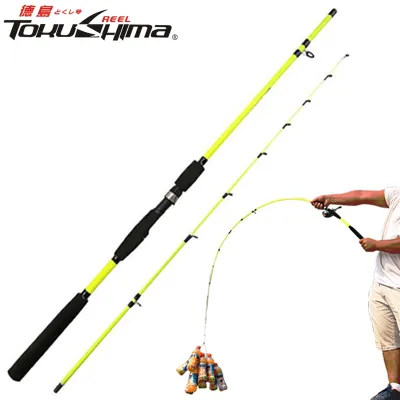
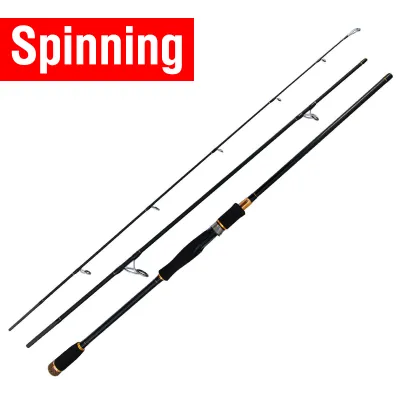
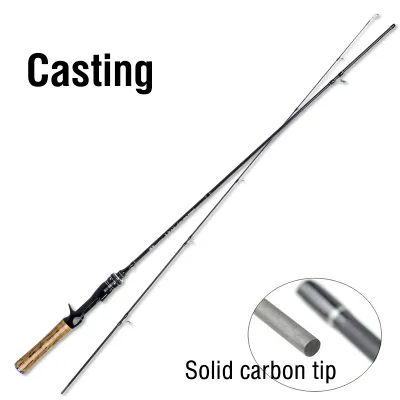
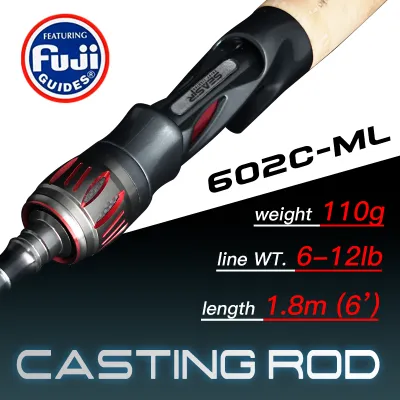
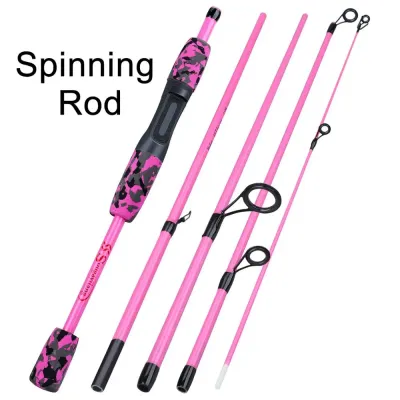
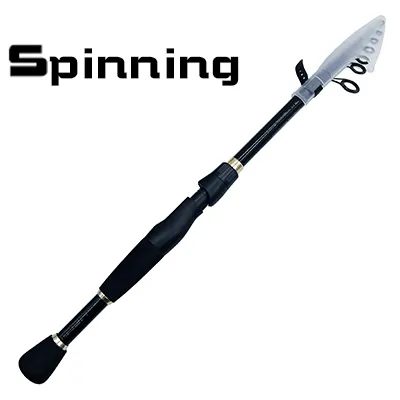
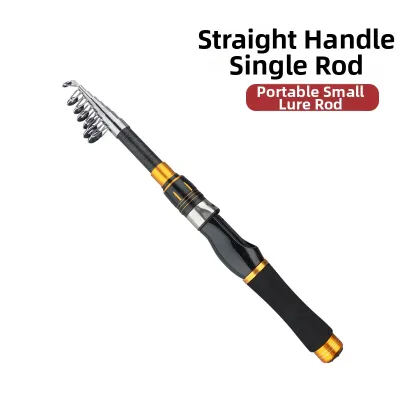
Prices are valid at publication and may change. Please refer to the product page for the latest price.
In Singapore’s active angling community, gear accidents are a common part of the learning curve. Beginners frequently break rod tips by accidentally winding the line too tight, high-sticking while landing a fish, or trapping the rod in car doors and MRT barriers. If you purchase an off-brand or unbranded rod from an online marketplace, a broken tip usually means throwing the entire rod away. Conversely, reputable brands with established local distribution networks allow you to order replacement tip sections or submit warranty claims directly through local tackle shops, saving you from buying a completely new setup.
Furthermore, brand reputation guarantees that the rod’s action and power ratings are true to their labels. An ultralight rod from a trusted manufacturer is engineered to flex properly along its entire length, absorbing the sudden runs of a fish to protect light lines rated between two and six pounds. Unbranded rods often feature inconsistent ratings, sometimes behaving more like medium-light rods that cannot cast lightweight lures effectively, or conversely, being so weak and floppy that they lack the backbone to set a hook properly.
Key Specifications to Evaluate Across Different Brands
To find the right ultralight spinning rod, you must learn to read the technical specifications printed directly on the blank, usually just above the reel seat. These markings serve as your primary guide to ensuring the rod matches your target species and fishing environment.

Lure and Line Weight Ratings
- Lure Weight: A true ultralight rod typically features a lure weight rating ranging from 1/32 ounce to 1/4 ounce (approximately 0.8 grams to 7 grams). This range allows you to cast tiny micro-jigs, small spoons, and miniature soft plastics.
- Line Weight: The line rating should fall between two and six pounds. Using a line heavier than the maximum rating can put excessive stress on the blank, while using a line lighter than the minimum rating can lead to frequent wind knots and poor casting distance.
Rod Length, Action, and Power
- Length: For Singapore's diverse fishing spots, a rod length between six feet and six feet six inches offers the ideal balance. Shorter rods provide better accuracy when casting under overhanging trees in reservoirs, while longer rods help you gain extra casting distance when fishing from open coastal jetties.
- Action: This refers to where the rod bends when pressure is applied. A fast-action rod bends primarily near the tip, offering excellent sensitivity and quick hook sets, which is ideal for soft plastic lures. A moderate or slow-action rod bends deeper into the blank, cushioning the lunges of aggressive fish and preventing small hooks from tearing out.
- Power: Power represents the rod's resistance to bending. For this category, the power rating must explicitly state "Ultralight" (UL) or occasionally "Super Ultralight" (SUL).
Component Quality and Materials
- Guides: Look for rods equipped with ceramic guide inserts, such as aluminum oxide or silicon carbide. These smooth inserts reduce friction, allowing thin braided lines to flow freely during casts while preventing the line from cutting grooves into the guide frames over time.
- Reel Seats: The reel seat must hold your spinning reel securely without any wobbling or slipping. Look for locking hoods that tighten smoothly and do not back off during a long day of casting.
- Grip Materials: High-density EVA foam or high-grade cork grips provide the necessary tactile feedback. EVA is highly durable and easy to clean after exposure to saltwater, while cork offers a classic feel and excellent sensitivity.
Identifying Trustworthy Entry-Level Brand Characteristics
As a beginner, you do not need to spend hundreds of dollars on a high-end tournament rod. Instead, look for brands that demonstrate specific characteristics indicating they care about the entry-level market. Trustworthy brands design dedicated entry-level series that inherit trickle-down technology from their premium lineups, offering excellent performance at an accessible price point, typically between S$50 and S$120.
Transparency in manufacturing is a key indicator of a reliable brand. Reputable manufacturers clearly state the materials used in the rod’s construction on their official websites or product tags. They will specify the modulus of the graphite blank (such as 24-ton or 30-ton carbon) or explain their proprietary composite blends. Avoid brands that use vague, hyperbolic marketing terms like “indestructible space-age carbon” without providing actual technical specifications.
Another crucial characteristic is the brand’s physical footprint in Singapore. Brands that maintain official offices, authorized distributors, or dedicated pro-staff in the region are highly invested in maintaining their local reputation. These brands ensure that local tackle shops are well-stocked with their products and that staff are trained to explain the differences between various rod models, helping you make an informed decision based on where you plan to fish.
Navigating Purchasing Channels and Verifying Authenticity
Where you buy your ultralight spinning rod is just as important as the brand you choose. Singapore has a vibrant network of tackle shops, ranging from historic storefronts in traditional commercial districts to modern, air-conditioned showrooms. Purchasing from a physical, specialized local tackle shop is highly recommended for beginners, as it allows you to hold the rod, test its balance with a reel, and inspect the blank for any shipping damage before handing over your money.
When shopping on general e-commerce platforms, you must exercise caution. While these platforms offer convenience, they are also flooded with parallel imports, gray-market goods, and outright counterfeits. To verify authorized seller status, check if the online storefront is listed on the official website of the brand’s local distributor. Additionally, always ask the seller if the rod comes with an official local warranty card stamped by the Singapore distributor, as international warranties are rarely honored by local service centers.
Before finalizing your purchase, perform a thorough physical inspection of the rod to rule out manufacturing defects or counterfeit indicators. Run your fingers along the blank to feel for any unevenness, scratches, or micro-cracks. Peer down the length of the rod from the reel seat to the tip to ensure all the guides are perfectly aligned in a straight line. Shake the rod gently to listen for any clicking sounds, which can indicate a loose reel seat or a poorly glued guide frame. Finally, check that the brand logos, serial numbers, and specification labels are printed sharply and clearly, as blurry or misaligned decals are a common hallmark of counterfeit tackle.
Frequently Asked Questions (FAQ)
What line and lure weights define an ultralight spinning rod?
An ultralight spinning rod is defined by its ability to cast incredibly light lures and handle thin, low-diameter fishing lines. Typically, manufacturers classify a rod as ultralight when its rated lure weight falls between 1/32 ounce and 1/4 ounce (approximately 0.8 grams to 7 grams). The recommended line weight for these rods is almost always rated between two and six pounds. These specifications are printed directly on the rod blank near the handle, and exceeding these limits can result in poor casting performance or structural damage to the rod.
Is it better for beginners to buy a rod and reel combo or separate components?
For absolute beginners, buying a pre-matched rod and reel combo from a reputable brand is often the most straightforward and cost-effective option. Combos are engineered by the manufacturer to ensure the reel’s weight and spool size perfectly balance the rod’s length and action, saving you from the guesswork of matching components. However, if you have a slightly higher budget or want to customize your setup, buying separate components allows you to select a specific rod action and pair it with a higher-quality reel that can be easily transferred to future rod upgrades.
How should I care for an ultralight rod in a tropical climate?
Singapore’s high humidity and coastal salinity require diligent gear maintenance to prevent corrosion and material degradation. After every fishing trip—especially when fishing in brackish reservoirs or coastal saltwater spots—rinse your rod thoroughly with gentle, running fresh water to remove salt deposits, dirt, and organic buildup. Pay close attention to the metal guide frames and the moving parts of the reel seat, drying them completely with a soft microfiber cloth before storage. Always store your rod in a cool, dry indoor area away from direct sunlight, and avoid leaving it inside a hot car trunk, as extreme heat can weaken the epoxy resins holding the guides and reel seat in place.
Community discussion
Share your experience or ask a question. Comments are reviewed before publication.