
Selecting the right 15kg dumbbell for your home gym in Singapore requires balancing your fitness goals with the practical realities of residential living. A 15kg weight is a highly versatile tool for building strength, but its effectiveness depends heavily on your workout environment, floor type, and training style. Before beginning any home strength training program, assess your physical strength and lifting experience. A 15kg weight is a substantial load for upper-body movements and requires established core stability and proper lifting mechanics to prevent injury. Equipment cannot replace proper training, technique, or personal judgment. If you experience sharp joint pain, dizziness, or loss of form, stop immediately. Always warm up and verify your grip is secure before lifting. By evaluating key criteria such as material, head shape, handle design, and purchasing logistics, you can select a dumbbell set that supports your progression safely and effectively.
Assessing Your Home Gym Space and Floor Type
Living in high-density housing in Singapore, such as HDB flats or condominiums, requires careful consideration of space and structural impact. A pair of 15kg dumbbells takes up a small physical footprint, but storing them safely is crucial to prevent tripping hazards and floor damage. Dedicated vertical racks or low-profile floor trays help keep the weights secure and out of high-traffic areas, reducing the risk of accidental drops when moving other items around your home.
Floor protection is another critical factor. Singaporean homes commonly feature ceramic tiles, vinyl planks, or engineered wood laminate. Dropping or even roughly setting down a bare metal 15kg dumbbell can easily crack tiles or scratch laminate. Utilizing high-density rubber gym mats (at least 10mm to 15mm thick) is highly recommended to distribute the weight and protect the underlying subfloor. These mats act as a sacrificial barrier, absorbing the localized pressure that would otherwise transfer directly into your home’s flooring.
Products mentioned in this guide
![[Instock] Hare Fitness Hexagon Dumbbell (2.5KG ~ 15KG)](https://img.lazcdn.com/g/p/989b91ab754e02525f88611bfa25790a.jpg_400x400q80.jpg_.webp)
![(FITNET) [Bulky] Adjustable Chrome Dumbbell Sets 15kg / 20kg / 30kg / 50kg Dumbbells / Weights / Gym / Fitness / Barbells / Strength Training / Body Building / sd](https://img.lazcdn.com/g/p/c0e4fda432031e980da16816b4622902.jpg_400x400q80.jpg_.webp)
Prices are valid at publication and may change. Please refer to the product page for the latest price.
Acoustics play a major role in neighborly relations within shared residential buildings. Sound travels easily through concrete floor slabs. Choosing rubberized or polyurethane-coated weights helps dampen the sharp metallic clatter of dumbbells touching or hitting the floor. Additionally, performing exercises on a shock-absorbing mat further minimizes low-frequency vibrations that could disturb neighbors living below, ensuring you can train at any hour without causing a disturbance.
Comparing 15kg Dumbbell Materials and Coatings
The material composition of your 15kg dumbbell directly affects its longevity, size, and suitability for indoor workouts. Traditional cast iron and chrome dumbbells are highly valued for their compact dimensions. Because iron is denser than rubber or plastic composites, a solid cast iron 15kg dumbbell is physically smaller than its coated counterparts. This compact profile allows for a more natural range of motion during exercises like bicep curls or overhead presses. However, bare metal is highly susceptible to rust in Singapore’s humid tropical climate, requiring regular oiling, and it offers zero impact protection for your floors.

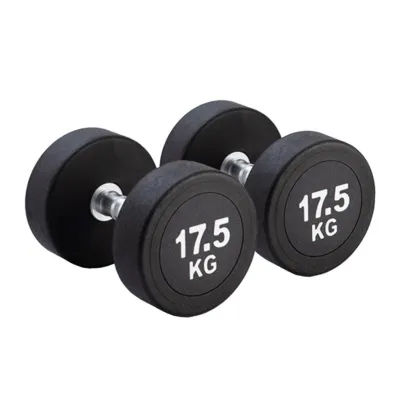
Standard rubber-coated dumbbells, often featuring recycled rubber heads, are a popular middle-ground option. The rubber coating acts as a protective bumper, absorbing minor impacts and significantly reducing noise when placing the weights down. However, cheaper recycled rubber can emit a strong, persistent chemical odor that is particularly noticeable in small, air-conditioned rooms. Over time, exposure to sweat and UV light can also cause lower-grade rubber to degrade, become sticky, or leave black marks on hands and floors.
For a premium home gym experience, polyurethane (PU) and virgin rubber coatings represent the highest standard. Polyurethane is an exceptionally durable synthetic material that does not split, peel, or degrade under normal training conditions. It is completely odorless, making it ideal for enclosed apartment spaces. While PU dumbbells generally command a higher price point, their smooth, non-porous surface is incredibly easy to wipe clean after a sweaty workout, and they maintain their aesthetic appeal for years without marking your floors.
When selecting between these materials, consider your personal tolerance for maintenance and odor. If your workout area is integrated into your living room or bedroom, investing in polyurethane or high-quality virgin rubber is a practical choice that preserves your indoor air quality. Always check the manufacturer’s specifications to confirm the coating material, as some budget options use plastic shells filled with sand or concrete, which are bulky, prone to leaking, and far less durable than solid metal cores.
Choosing the Right Shape and Handle Design
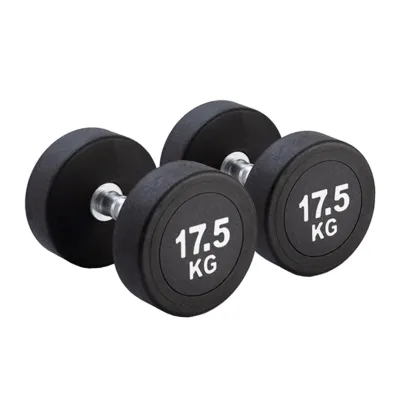
The physical geometry of a dumbbell determines both its safety and its versatility for various exercises. Hexagonal dumbbells (often called hex dumbbells) are highly favored for home workouts because their flat sides prevent them from rolling away on uneven surfaces. This anti-roll feature is a critical safety consideration if your home floor is slightly sloped or if you perform floor-based exercises like renegade rows, push-ups on dumbbells, or plank transfers. Round dumbbells, while classic, require dedicated storage cradles to prevent them from rolling into walls or furniture, though they are sometimes preferred for smooth transitions during floor presses where slight rotational adjustments are natural.
The handle design is your direct interface with the weight, making grip comfort and safety paramount. Dumbbell handles typically feature knurling—a cross-hatch pattern cut into the metal to improve traction. For home use, a medium-depth knurling is generally preferred. It provides a secure grip even when hands are sweaty, without being so aggressive that it tears bare skin during high-repetition sets. If you prefer lifting with workout gloves, a slightly deeper knurling can help maintain a solid connection, whereas smooth or poorly textured handles can become dangerously slippery under load, increasing the risk of dropping the weight.
Handle shape also varies between straight and contoured designs. Contoured handles are thicker in the middle and taper toward the ends, matching the natural curve of a closed hand. This ergonomic shape helps distribute the 15kg load evenly across the palm, reducing localized pressure points and minimizing wrist strain during pressing and pulling movements. Straight handles, common on professional-grade or adjustable dumbbells, offer a uniform grip thickness along the entire length, which some lifters prefer for consistent hand placement and traditional barbell-style training.
Additionally, pay attention to the handle material and plating. Chrome-plated steel handles are standard and offer excellent resistance to corrosion, provided they are wiped dry after use. Some premium dumbbells feature stainless steel handles, which provide superior rust resistance in humid environments without the risk of plating flaking off over time. Avoid handles with painted or plastic coatings, as these can wear away quickly, leaving a rough surface that can cause blisters or compromise your grip security during heavy lifts.
Evaluating Fixed 15kg Pairs vs. Adjustable Alternatives
Deciding between a dedicated pair of fixed 15kg dumbbells and an adjustable dumbbell system depends on your long-term fitness goals, budget, and storage capacity. A fixed 15kg pair is incredibly robust. With no moving parts, dial mechanisms, or selector pins, fixed dumbbells can withstand years of heavy use and accidental impacts without risk of mechanical failure. They are always ready to use, requiring zero setup time between sets, which is highly beneficial for fast-paced circuit training or supersets where quick transitions are necessary to keep your heart rate elevated.
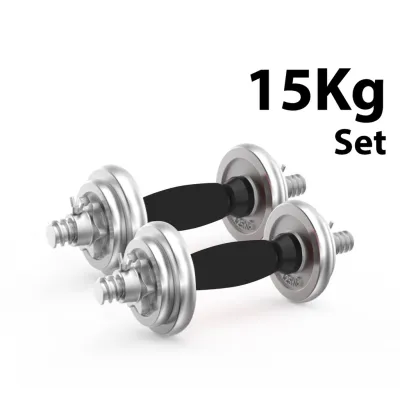
However, purchasing multiple pairs of fixed dumbbells as your strength progresses can quickly become expensive and consume valuable floor space. Adjustable dumbbell systems—whether plate-loaded with spinlocks or quick-change selectorized designs—allow you to adjust the weight from light increments up to 15kg and beyond within a single compact unit. This versatility makes adjustable sets highly cost-effective and space-efficient for small Singaporean apartments. The trade-off lies in their mechanical complexity; selectorized adjustable dumbbells are delicate and must never be dropped, as a broken internal gear or plastic tab can render the entire unit unusable.
For lifters transitioning from lighter weights to a dedicated 15kg load, a fixed pair is often acquired once 15kg becomes a staple working weight for major compound movements like goblet squats, Romanian deadlifts, and overhead presses. If your training routine relies heavily on these core exercises, investing in a high-quality, durable fixed pair ensures maximum safety and reliability, allowing you to focus entirely on form and progressive overload without worrying about equipment wear.
Smart Purchasing and Verification in Singapore
When purchasing heavy fitness equipment online in Singapore, careful verification is essential to avoid counterfeit products, poor manufacturing quality, and unexpected delivery fees. Start by thoroughly vetting sellers on local e-commerce platforms. Look for established merchants with high positive ratings and read through customer reviews specifically looking for photos of the actual product delivered. Be cautious of listings with generic stock images or reviews that seem overly repetitive, as these can sometimes mask low-quality replicas with inaccurate weight distributions.
Logistics require special attention due to the physical weight of the items. A pair of 15kg dumbbells weighs 30kg in total, which often triggers heavy-item shipping surcharges. Before finalizing your purchase, verify whether the delivery service includes doorstep delivery, especially if you live in an HDB flat or condominium with specific lift access rules or security gates. Some budget couriers may only deliver to the ground floor or drop-off point, leaving you to transport the heavy package up to your unit yourself.
Upon delivery, immediately inspect the dumbbells before discarding the packaging. Check the weight tolerance by placing each dumbbell on a reliable scale; high-quality fitness equipment should deviate by no more than one to two percent from the stated 15kg. Inspect the handles for any sharp metal burrs, loose knurling, or uneven chrome plating that could cause injury. Additionally, examine the rubber or polyurethane heads for splits, oily residue, or loose connections to the handle, and ensure you understand the seller’s return policy and warranty terms regarding manufacturing defects.
Frequently Asked Questions (FAQ)
Is a 15kg dumbbell heavy enough for building muscle at home?
Yes, a 15kg dumbbell is highly effective for building muscle at home, provided you apply the principles of progressive overload. While you cannot easily increase the raw weight of a fixed dumbbell, you can increase the challenge by adjusting other training variables. Focus on increasing your total training volume by performing more repetitions or sets. You can also slow down the tempo of your movements—such as taking three to four seconds to lower the weight (eccentric phase)—to increase muscle tension. Transitioning to unilateral (single-arm or single-leg) exercises, such as single-leg Romanian deadlifts or Bulgarian split squats, effectively doubles the relative load on the target muscle, making 15kg feel significantly heavier and highly stimulating for muscle growth.
How do I clean and maintain rubber-coated 15kg dumbbells?
To maintain rubber-coated dumbbells and prevent premature degradation, wipe them down after every workout with a damp microfiber cloth. Avoid using harsh chemical solvents, bleach, or alcohol-based cleaners, as these can dry out the rubber, leading to cracking and peeling. Instead, use a mild solution of warm water and a few drops of gentle dish soap. To eliminate any initial rubber odor, wipe the dumbbells down with a diluted mixture of water and white vinegar, then allow them to air dry completely in a well-ventilated area away from direct sunlight. Regularly checking the handles for sweat buildup and wiping them dry will also prevent rust on the exposed metal parts.
Can I drop rubber-coated dumbbells on my home floor?
No, you should not drop rubber-coated dumbbells on your home floor. While the rubber coating is designed to absorb minor impacts and protect the dumbbell itself from chipping, it is not thick enough to absorb the kinetic energy of a 15kg weight dropped from waist or shoulder height. Dropping these weights can easily crack concrete subfloors, shatter ceramic tiles, or dent wooden floorboards beneath your mats. Furthermore, repeated high-impact drops can weaken the internal bond between the dumbbell head and the handle, leading to structural failure. Always practice controlled descents, placing the weights down gently on a high-density gym mat or protective flooring tiles to ensure both home safety and equipment longevity.
Community discussion
Share your experience or ask a question. Comments are reviewed before publication.