
Ankle weights can add valuable resistance to walking and cardio routines, but dynamic movement places unique demands on fitness gear. Unlike static strength training, continuous motion requires equipment that stays securely in place, prevents skin irritation, and distributes weight evenly to protect your joints. To find the best pair for your workouts, you must prioritize a secure, non-slip fit, breathable materials, and low, manageable resistance levels. Looking for wide, adjustable straps, segmented weight pockets, and soft, moisture-wicking fabrics will ensure your workouts remain both effective and comfortable.
Using the wrong type of weight during cardio can quickly lead to discomfort or injury. This guide breaks down the essential design features, weight selection criteria, and safety guidelines you need to build a reliable shortlist of ankle weights optimized for dynamic movement.
Why Dynamic Cardio Requires Specialized Ankle Weights
Stationary leg lifts and gym-based resistance exercises involve slow, controlled, linear movements where gravity acts in a predictable plane. In contrast, walking, jogging, or aerobic dance introduces rapid acceleration, deceleration, and multi-directional impacts. These dynamic forces change how a weight behaves on your body.
Products mentioned in this guide
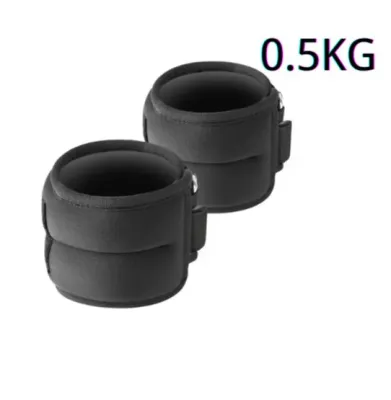

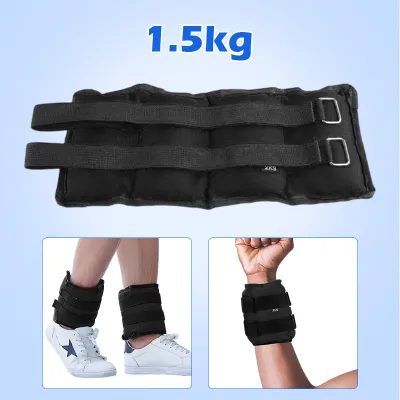
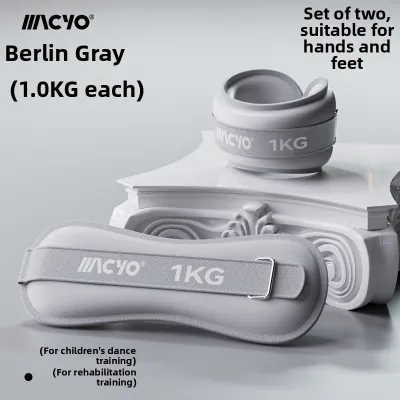
![[SG In Stock] Silicone Adjustable Wrist Ankle Weight Bands | Leg Arm Weights Straps for Yoga Running Fitness Exercise](https://img.lazcdn.com/g/p/711be9e187a019e3c040e168ea9ac7f1.jpg_400x400q80.jpg_.webp)

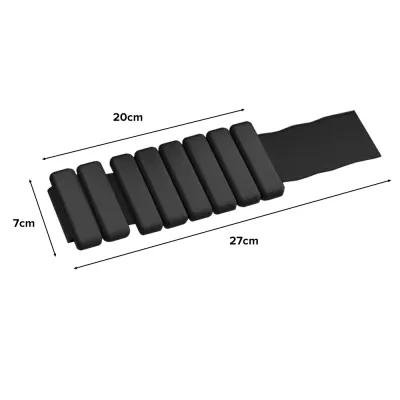
![🇸🇬 [In Stock]NEW Weights Bracelet Silicone Ankle Wrist Exercise Adjustable Weight Wrist Band Gravity Belt Yoga Running](https://img.lazcdn.com/g/p/254907748d7487e447cdefa180cdeee4.jpg_400x400q80.jpg_.webp)
Prices are valid at publication and may change. Please refer to the product page for the latest price.
When you move quickly, a loose ankle weight acts like a pendulum. As your foot strikes the ground, momentum pulls the weight downward and outward, multiplying the shear stress on your ankles, knees, and hips. Standard gym weights designed for static lifting often lack the secure fastening systems needed to counteract this continuous movement.
Using poorly balanced weights during cardio also increases the risk of joint strain and skin irritation. The constant shifting and sliding against your skin can cause friction burns, chafing, and bruising. Over time, unconsciously compensating for a slipping weight can alter your natural stride, leading to repetitive strain injuries in the Achilles tendon or shins.
Must-Have Design Features for a Secure and Comfortable Fit
To prevent slipping and chafing during continuous movement, you must evaluate the physical construction of the ankle weights. The fastening mechanism is your first line of defense against movement. Look for a wide hook-and-loop strap that distributes pressure across a larger surface area rather than pinching a single spot.

A heavy-duty metal or reinforced plastic D-ring is highly recommended. This feature allows you to pull the strap tight, loop it back, and secure it firmly, preventing the closure from peeling open mid-stride. Avoid designs that rely solely on thin, elasticated bands, as these tend to lose tension quickly during vigorous exercise.
Material choice is equally critical, especially in warm, humid climates where sweat accumulates rapidly. Opt for breathable, moisture-wicking fabrics like neoprene or specialized mesh blends. Adequate padding thickness is essential to cushion your ankle bone from direct contact with the heavy filling inside the sleeves.
Weight distribution within the cuff determines how balanced the load feels on your leg. Avoid single-block weights that concentrate all the mass in one spot. Instead, choose contoured shapes with segmented compartments. These individual pockets keep the filling—typically iron sand, steel shot, or small metal bars—evenly distributed around your ankle, preventing the load from shifting with every step.
How to Select the Right Weight Load for Your Activity
For dynamic cardio, less resistance is almost always more effective and safer. Begin with very light loads, such as 0.5 kg to 1 kg per ankle. High-impact aerobics demand the lower end of this range to minimize joint shock, while low-impact walking can accommodate slightly more weight once your muscles and joints adapt.
Pay close attention to your natural gait when testing a new weight load. If you find yourself dragging your feet, stomping, or lifting your hips excessively to clear the ground, the weights are too heavy. Your stride should remain fluid, natural, and identical to your unweighted walk.
When building your shortlist, compare the utility of adjustable inserts against fixed-weight designs. Fixed-weight models are streamlined, less bulky, and excellent for dedicated, consistent walking routines. However, adjustable models featuring removable weight packets offer superior long-term versatility, allowing you to start light and gradually increase the resistance as your strength and joint stability improve.
Evaluating and Comparing Options for Your Shortlist
Before making a purchase, create a checklist to verify manufacturer specifications against your physical measurements. Measure your ankle circumference just above the joint bone and compare it to the product’s minimum and maximum strap lengths. A strap that is too long will leave excess material flapping, while one that is too short will not fasten securely.
When researching options on online marketplaces, filter customer reviews specifically for terms like “walking,” “cardio,” “slipping,” or “chafing.” Reviews from users performing static leg lifts will not accurately reflect how the weights behave during a brisk outdoor walk or a high-energy step class.
Compare price points in S$, which typically range from S$15 for basic fixed pairs to S$50 or more for premium adjustable models. Consider the durability of the stitching and the quality of the hook-and-loop fasteners, as high humidity can degrade cheap adhesives and fabrics over time. Additionally, check the seller’s return policy in Singapore to ensure you can exchange the weights if the fit is incorrect.
Safety Guidelines and Joint Protection During Movement
Introducing extra resistance to dynamic workouts requires a cautious approach to protect your tendons and joints. Always perform a thorough, unweighted warm-up focusing on ankle mobility, calf stretches, and light cardio before strapping on the weights. This prepares your joints for the increased load.
Implement a gradual progression protocol. Start by wearing the weights for just 10 minutes of a 30-minute walk, then gradually increase the duration over several weeks. Never run or perform high-impact jumping exercises with heavy ankle weights, as the repetitive shock can damage your knees and lower back.
Listen to your body and watch for warning signs of joint stress, shin splints, or altered biomechanics. Sharp pain, localized throbbing, or persistent dull aches are clear indicators that you should stop using the weights immediately. If discomfort persists after removing the weights, or if you have a history of joint instability, consult a physical therapist or medical professional before resuming use.
Frequently Asked Questions (FAQ)
Can I use the same ankle weights for both walking and static strength training?
Yes, but you must consider the design compromises. Static strength training often benefits from heavier, bulkier weights that are uncomfortable or unsafe during dynamic cardio. If you want a single pair for both activities, choose an adjustable model with removable weight inserts. This allows you to strip the weights down to a safe, light level for walking and pack them to full capacity for stationary leg raises.
How tight should the straps be to prevent slipping without restricting circulation?
Your ankle weights should be snug enough that they do not slide or rotate when you shake your leg, but loose enough that you can comfortably slip a finger flat beneath the strap. Keep in mind that your feet and ankles naturally swell during exercise, especially in warm weather. Check the fit after 10 minutes of movement and loosen the strap slightly if you experience tingling, coldness, or restricted movement.
Community discussion
Share your experience or ask a question. Comments are reviewed before publication.