
Selecting the right kick board in Singapore requires matching the equipment’s physical properties to your specific training objectives, body size, and skill level. A board that provides excellent support for a child learning basic water confidence will likely disrupt the body alignment of an adult fitness swimmer or competitive athlete. By focusing on how different shapes, materials, and buoyancy levels interact with your body in the water, you can find a tool that enhances your technique rather than creating drag or causing physical strain.
Define Your Primary Swimming Purpose
Before browsing online marketplaces or local sporting goods stores in Singapore, you must clarify what you want to achieve during your pool sessions. Kick boards are not generic flotation devices; they are specialized training aids designed to isolate the lower body, improve kick mechanics, or build cardiovascular endurance. Your primary goal dictates the level of buoyancy and the physical shape of the board you need.
For casual fitness swimmers who swim laps at public pools, the main objective is often sustained cardiovascular exercise. In this scenario, you need a board that supports your upper body comfortably without forcing your chest too high out of the water. This balance allows you to focus entirely on a steady, rhythmic flutter or breaststroke kick without straining your lower back.
Products mentioned in this guide
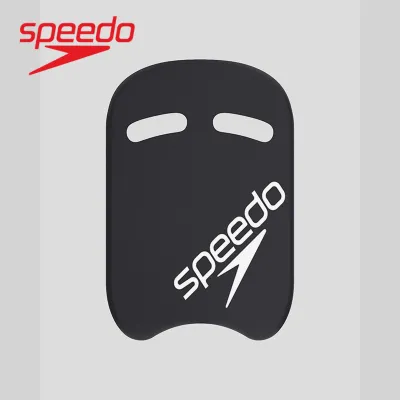
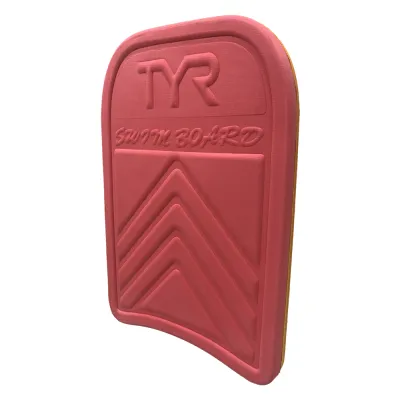
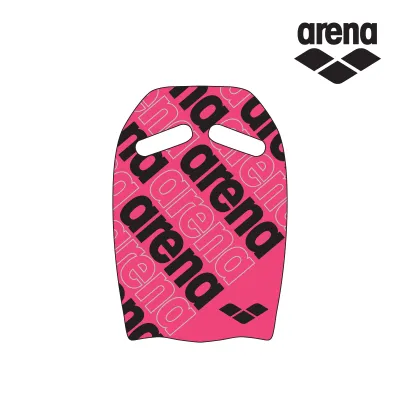
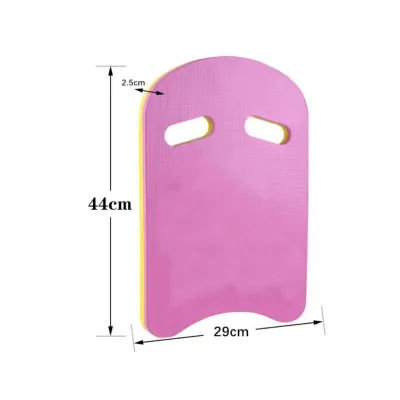
![[SG Stock] Swimming Kickboard Float Kids Adults Kick Board Learn To Swim Safety Pool Aid Plate Children](https://img.lazcdn.com/g/p/19e9b69ae94352f2a472a5e2355a4741.jpg_400x400q80.jpg_.webp)
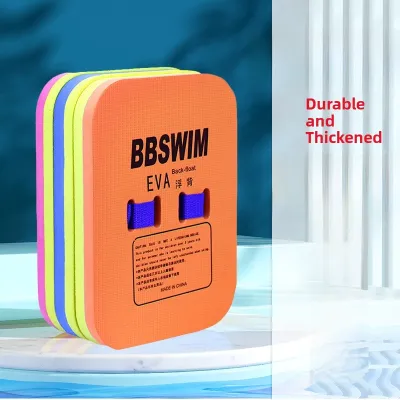
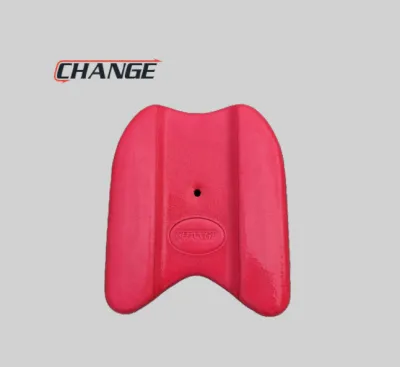
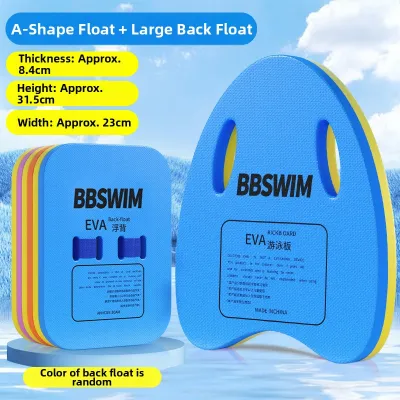
Prices are valid at publication and may change. Please refer to the product page for the latest price.
Beginners and young learners require a completely different set of characteristics. For these swimmers, the primary goal is building water confidence, practicing basic body positions, and learning how to float. A board for this group must offer high buoyancy and a stable, reassuring platform. It serves as a safety bridge while they transition from supported floating to independent swimming.
Competitive swimmers and advanced squad athletes use kick boards for high-intensity interval training, technique refinement, and targeted resistance work. If you fall into this category, you do not want excessive buoyancy that lifts your shoulders too high and ruins your streamlined body position. Instead, you need a low-profile or alignment board that allows you to maintain a natural, horizontal posture, mimicking your actual swimming position as closely as possible.
Your typical swimming environment also plays a role in your decision. If you train in a crowded lap pool, a highly maneuverable, compact board is easier to manage when navigating busy lanes. Conversely, if you are practicing in a shallow learning pool or a private condominium pool, a larger, more stable board might be appropriate for stationary kicking drills or basic balance exercises.
Evaluate Core Kick Board Features for Comfort and Performance
Understanding the technical specifications of a kick board allows you to assess its durability, comfort, and performance before making a purchase. The interaction between material density, ergonomic design, and overall volume determines how the board behaves in the water and how it affects your body mechanics.

Material and Density
Most modern kick boards are constructed from Ethylene-Vinyl Acetate (EVA) foam, but the quality and density of this material can vary significantly. High-density EVA foam is highly desirable because it resists water absorption, maintains its shape under pressure, and offers excellent durability. When evaluating a board, check the manufacturer’s specifications for closed-cell construction. Closed-cell EVA foam prevents water from penetrating the interior of the board, which keeps the equipment lightweight and prevents the growth of mold or mildew—a crucial consideration in Singapore’s hot and humid climate.
It is also important to distinguish between molded EVA foam and laminated foam boards. Laminated boards consist of multiple layers glued together, which can delaminate quickly when exposed to Singapore’s high humidity and pool chemicals. Molded EVA foam is created as a single solid piece, offering superior durability and resistance to peeling. The surface texture should feel smooth yet slip-resistant when wet, ensuring you can maintain a secure grip without experiencing skin chafing.
Shape and Ergonomics
The physical outline of the board directly influences your comfort and hand placement. Traditional rectangular boards with rounded tops are widely available, but they do not always offer the most ergonomic grip. Look for boards with contoured edges or integrated hand grips. These features allow you to hold the board in multiple positions, such as resting your hands flat on top, gripping the sides, or holding the bottom edge.
Ergonomic cutouts help reduce tension in your wrists, forearms, and shoulders during long kicking sets. A hydrodynamic profile—featuring a tapered nose or a curved underside—allows the board to glide smoothly through the water, reducing frontal resistance and minimizing the jarring impact on your shoulders when you push off the wall.
Size and Buoyancy
The volume of the kick board determines its buoyancy, which must be matched to your body weight and physical build. A board with too much buoyancy will lift your upper body excessively, forcing your hips and legs downward. This misalignment causes you to drag your lower body through the water and can lead to lower back arching and discomfort. Conversely, a board with insufficient buoyancy will sink under your weight, failing to provide the support needed to isolate your kick.
As a general rule, larger and thicker boards offer greater lift and are suitable for heavier swimmers or beginners who need maximum support. Smaller, thinner, or tapered boards provide less lift, making them ideal for lighter swimmers or advanced athletes who want to maintain a flat, streamlined body position.
Match Board Profiles to Your Swimmer Type
To simplify your selection process, it is helpful to categorize kick boards based on the specific needs of different swimmer profiles. Matching your personal profile to these targeted designs ensures you select a tool that actively supports your training progression.
Adult Fitness and Lap Swimmers
For adults who swim laps to maintain fitness, the ideal kick board balances moderate buoyancy with ergonomic comfort. You want a board that allows you to perform sustained kicking sets without experiencing shoulder fatigue or neck stiffness. Look for medium-sized boards made from high-density EVA foam, which provide enough lift to keep your torso supported while allowing your hips to remain close to the surface of the water.
Ergonomic grip options are particularly important for fitness swimmers. Boards with molded hand grips or dual-grip cutouts allow you to vary your hand placement throughout your workout. This flexibility helps distribute muscular strain and prevents repetitive stress on your shoulder joints. A slightly contoured design that fits comfortably against your chest can also be beneficial if you prefer to hold the board close to your body during relaxed kicking intervals.
If you live in a typical Singaporean apartment where storage space is limited, you might also consider a hybrid training tool known as a pullkick. This dual-purpose gear functions as both a compact kick board and a pull buoy, allowing you to save space in your gear bag and home storage while still enjoying a versatile workout.
Children and Beginner Swim Lessons
When selecting a kick board for children or beginners, safety, stability, and confidence-building are the primary considerations. These boards should feature high buoyancy to ensure the swimmer feels completely supported while practicing their kicks. Look for smaller dimensions that match the shorter arm span and smaller hands of young learners, allowing them to grip the edges securely without overextending their shoulders.
The material must be soft and non-abrasive to protect sensitive skin from chafing during extended lessons. Rounded, smooth edges are essential to prevent accidental scratches or bruises in busy learning environments. Bright, highly visible colors are also recommended, as they make it easier for lifeguards and instructors to monitor the swimmer in a crowded public pool.
Before purchasing a board for structured lessons, always verify the specific requirements of your swim school or instructor. Some programs prefer specific board sizes or materials to align with their teaching curriculum, while others may provide their own standardized equipment.
Competitive Squad and Advanced Training
Competitive swimmers and advanced athletes require specialized equipment designed for high-performance training and technique refinement. For this group, standard high-buoyancy boards are often counterproductive because they disrupt natural body alignment. Instead, look for low-profile, hydrodynamic boards or specialized alignment boards.
Alignment boards are designed to float just below or level with the water’s surface, encouraging a correct head-down position and keeping the spine straight. This design allows you to practice your kick while maintaining the exact body rotation and posture used during full-stroke swimming. Many advanced boards also feature a streamlined, compact shape that fits easily into a training gear bag and offers minimal resistance during high-speed sets.
To further enhance your technique, you can pair an alignment board with a swim snorkel. This combination allows you to focus entirely on your kick and body rotation without having to turn your head to breathe, ensuring your spine remains perfectly aligned throughout the drill. Always consult your coach’s instructions to ensure the board you choose is compatible with the specific technical drills planned for your training squad.
Finalize Your Choice With a Pre-Purchase Checklist
Once you have identified the style of kick board that matches your training goals, use this practical checklist to verify the quality of the product, ensure compliance with local pool regulations, and plan for proper maintenance.
First, inspect the board for manufacturing quality. Before using a new board, examine the seams and edges for any signs of splitting, peeling, or uneven bonding. High-quality EVA boards should have a consistent, solid structure without visible air bubbles or weak points along the seams. Feel the surface texture to ensure it is smooth and free from sharp or abrasive areas that could cause skin irritation during use.
Second, verify facility compliance. Public swimming pools in Singapore, such as those managed by ActiveSG, as well as private condominium pools, often have specific rules regarding permitted training equipment. Ensure your chosen board fits within standard lane dimensions and does not feature sharp metal or hard plastic components that could pose a safety hazard to other swimmers in shared lanes.
Third, establish a care routine to protect your investment. To maximize the lifespan of your kick board, establish a proper maintenance routine. After every swim session, rinse the board thoroughly with fresh, clean water to remove chlorine, salt, or pool chemicals. Allow the board to air dry completely in a shaded, well-ventilated area. Avoid leaving the board in direct sunlight, such as on a balcony or in the back of a car, as prolonged exposure to UV radiation and high temperatures can warp the foam, degrade the material, and cause the colors to fade.
Frequently Asked Questions (FAQ)
Can I use a standard swim kick board for water aerobics or rehabilitation?
Standard swim kick boards are designed specifically for horizontal swimming alignment and lower-body isolation, meaning they may not provide the appropriate stability or resistance profile required for vertical water aerobics or physical rehabilitation. Water aerobics often utilizes specialized foam dumbbells or high-resistance aquatic bells designed for multi-directional movement under water. For rehabilitation purposes, using a standard board without professional guidance can place unnecessary strain on injured joints or muscles. If you are recovering from an injury or participating in a structured therapy program, always consult a qualified physiotherapist or certified aquatic instructor to obtain specific equipment recommendations tailored to your recovery goals.
How do I know if my kick board is causing shoulder or neck discomfort?
If you experience persistent tightness, aching, or pinching in your shoulders, neck, or upper back during or after a kicking set, your kick board may be a poor match for your body. This discomfort often occurs when a board is too wide, forcing your arms too far apart, or when it has excessive buoyancy, which lifts your chest and forces you to hyperextend your neck to keep your head above water. To address this, try adjusting your hand position by holding the bottom or sides of the board rather than resting your entire forearms on top. If the discomfort persists, consider switching to a smaller, contoured model or an alignment board that allows you to keep your head down in a natural, neutral position.
Community discussion
Share your experience or ask a question. Comments are reviewed before publication.