
Finding a treadmill for a Singapore HDB flat requires balancing a compact footprint with functional performance. Aibi offers several folding and space-saving treadmills designed specifically for urban homes, but choosing the right one depends on matching the machine’s folded dimensions, weight, and storage mechanism to your flat’s layout. By focusing on verifiable specifications like folded footprint, deck height, and transport ease, you can select a model that keeps your living room or bedroom functional when you are not exercising. Living in a high-density housing estate means every square meter of floor space carries a premium. A bulky, non-folding treadmill can quickly turn a vibrant living room into a cramped obstacle course, disrupting the flow of your home and creating aesthetic clutter.
Measuring Your Available Space and Clearance Needs
Before browsing any fitness equipment catalog, you must establish the exact physical boundaries of your workout zone. Start by measuring the dedicated floor area where the treadmill will operate, ensuring you leave at least a half-meter of clear space on both sides and a full meter behind the deck for safety. This buffer zone prevents accidents if you lose your footing and ensures that nearby furniture, cabinets, or swinging doors do not obstruct your movement.
Vertical space is equally critical, especially if you plan to use an incline feature. Calculate your overhead clearance by adding your own height to the treadmill’s deck height at its maximum incline, then compare this total to your HDB flat’s ceiling height. Standard HDB ceilings typically range from 2.6 to 2.8 meters, which usually provides ample room, but taller users or those using high-incline models must verify these numbers to avoid head-clearance issues.
Products mentioned in this guide
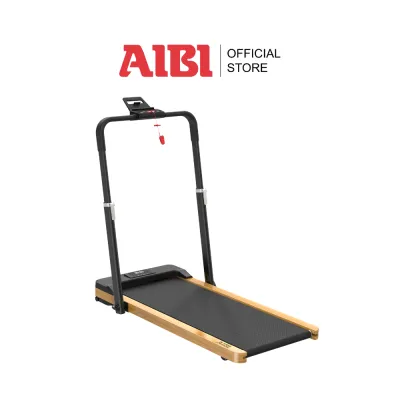
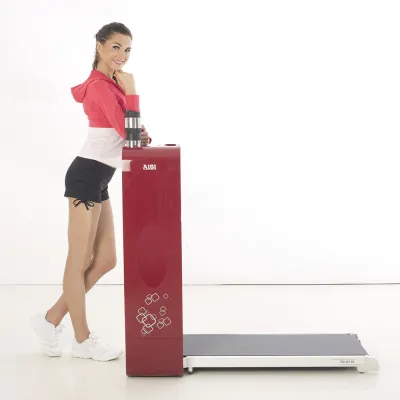
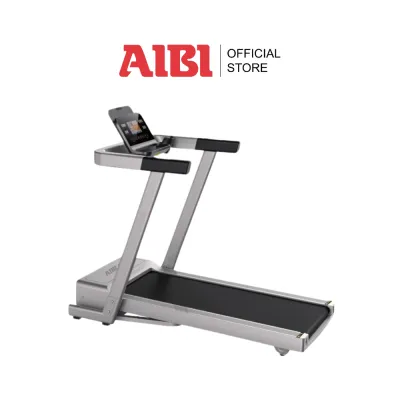
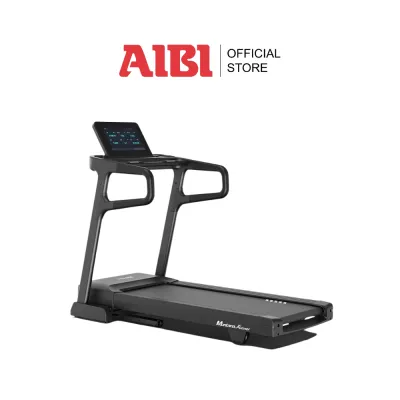
Prices are valid at publication and may change. Please refer to the product page for the latest price.
Do not forget the logistics of getting the machine into your home. Measure the width of your main entryway, internal corridors, bedroom doors, and even the lift door in your block. Many delivery issues arise not because the treadmill does not fit the room, but because the boxed unit cannot clear a tight corner in a hallway or fit inside a standard passenger lift.
Critical Dimensions and Features to Check in Aibi Models
When evaluating Aibi treadmills, you must distinguish between the active footprint and the folded footprint. The active footprint represents the machine’s dimensions when fully extended for a run, while the folded footprint shows how much floor space it occupies when stored vertically or flat. These specifications are readily available in the product manual and should be cross-referenced with your measured floor space.

The dimensions of the running belt itself dictate both the machine’s overall size and your comfort during a workout. A wider and longer belt accommodates a longer running stride but naturally increases the machine’s physical footprint. For walking or light jogging in a tight space, a narrower belt may suffice, but you should verify that the belt length matches your natural stride to prevent stepping off the deck.
Portability features are essential for any treadmill that is not permanently deployed. Look for models equipped with multi-directional transport wheels, which allow you to roll the machine into a corner or closet without straining your back. Additionally, check if the model features a soft-drop hydraulic system, which slowly lowers the deck to the floor automatically, preventing sudden drops that could damage your home or cause injury.
Evaluating Folding Mechanisms and Storage Configurations
Folding treadmills generally fall into two design categories: vertical folding and fold-flat. Vertical folding models raise the running deck upward toward the console, reducing the length of the footprint but increasing the height of the stored machine. Fold-flat designs allow the console and handrails to collapse down parallel to the deck, creating a low-profile unit that can be stored horizontally or leaned flat against a wall.
If you choose a vertical folding model, you must assess the stability of the base when the machine is upright. A heavier base provides better stability and prevents the unit from tipping over if bumped, which is a vital safety consideration in high-traffic areas or homes with children and pets. Always check the manufacturer’s instructions regarding locking pins or safety latches that secure the deck in its upright position.
For those hoping to slide a fold-flat treadmill under a bed or sofa, precise measurements are mandatory. Do not assume a “slim” model will fit under standard furniture; measure the clearance height under your bed frame or sofa and compare it directly to the folded height specified by the manufacturer. You should also ensure the flooring underneath is smooth enough to allow the transport wheels to glide without snagging on carpets or scratching parquet.
Safety, Ventilation, and Floor Load Considerations
Operating a treadmill in an HDB flat requires careful consideration of structural and environmental factors. First, verify the floor load capacity of your flat, keeping in mind that the total weight includes both the machine itself and the dynamic impact of your running stride. While modern HDB flats are engineered to support standard household items and fitness equipment, placing heavy commercial-grade machines on elevated platforms or weak subfloors requires caution.
Proper ventilation is crucial for maintaining the lifespan of the treadmill’s motor and electronics. Avoid squeezing the machine into tight, unventilated corners or enclosed closets where heat can build up during long workouts. Ensure there is sufficient clearance around the motor hood—usually located at the front of the deck—to allow cooling fans to draw in fresh air and dissipate heat effectively.
To maintain good relations with your downstairs neighbors, always use a high-quality, high-density anti-vibration mat beneath the treadmill. Running generates low-frequency impact noise that easily travels through concrete floors and walls. A dedicated rubber or foam mat absorbs these vibrations, dampens the sound of your footsteps, and protects your vinyl, tile, or laminate flooring from scratches and pressure marks.
How to Verify Model Specifications Before Purchasing
To avoid the hassle of returning an oversized machine, you should systematically verify all specifications before making a purchase. Start by cross-referencing the dimensions listed on the online product page with the official user manual or technical specification sheet. Online listings can sometimes contain typographical errors or omit crucial details like the height of the console when folded.
Next, contact the official brand store or an authorized retailer in Singapore to confirm the exact measurements of the current stock. Ask specific questions about the assembly process, such as whether the machine arrives fully assembled or requires professional installation that might alter its final dimensions. This is also an excellent opportunity to verify if the model you are interested in is currently on display for you to test in person.
Finally, carefully review the retailer’s return and exchange policy regarding spatial fit issues. Some stores may charge restocking fees or refuse returns once the treadmill has been unboxed and assembled in your home. Understanding these terms beforehand provides a safety net in case the machine’s physical presence in your flat differs from your spatial expectations.
Frequently Asked Questions (FAQ)
Can I keep a folded treadmill in an HDB household shelter?
Storing a folded treadmill inside an HDB household shelter is possible, but you must strictly adhere to civil defense guidelines. The shelter’s primary function is safety, meaning you cannot block the steel door, alter the structural walls, or impede the door’s closing mechanism in any way. Ensure the treadmill is fully secured so it cannot fall against the door, and verify that you can easily move it out of the shelter if access is required.
Do compact treadmills support heavy users or high-speed running?
Compact and folding treadmills often feature smaller frames, lighter flywheels, and lower continuous horsepower ratings than their commercial counterparts. Consequently, they typically have lower maximum user weight limits and may not support high-speed sprinting or intense interval training. Always check the manufacturer’s specifications for the maximum weight capacity and motor rating to ensure the machine matches your body weight and intended workout intensity.
Community discussion
Share your experience or ask a question. Comments are reviewed before publication.