
Setting up a home gym in a Singapore Housing & Development Board (HDB) flat requires a careful balance between fitness utility and spatial economy. When selecting a 4 kg dumbbell, the primary challenge is not just finding the weight itself, but identifying a design that integrates seamlessly into a multi-functional living space without cluttering walkways or damaging delicate flooring. The ideal 4 kg dumbbell for an HDB home gym combines a compact physical footprint, roll-resistant geometry, and floor-protective materials. By focusing on these spatial and material characteristics, you can maintain an effective strength-training routine while preserving the aesthetic and safety of your living environment.
Key Physical Features for Small-Space Dumbbells
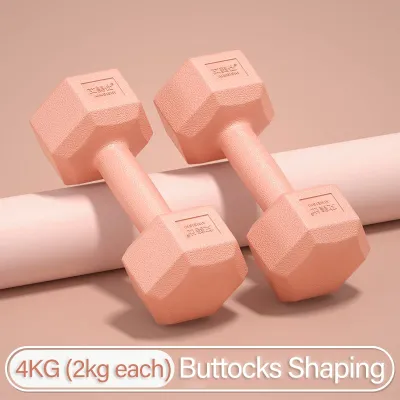
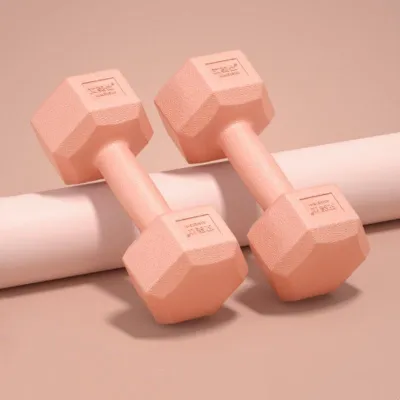
The physical shape of a dumbbell directly influences how easily it can be used and stored within a confined HDB room. Hexagonal dumbbells are highly practical for small spaces because their flat edges prevent them from rolling across the floor when placed down between sets. This roll-resistant design is particularly valuable if your workout area doubles as a living room or home office, where a stray weight could easily damage furniture or cause a tripping hazard. Round dumbbells, while traditional, require dedicated storage cradles or mats to keep them stationary, which can add unnecessary bulk to your setup.
Handle ergonomics and grip texture also play a critical role in both safety and space efficiency. A well-designed 4 kg dumbbell should feature a handle length that accommodates your hand comfortably without extending excessively beyond the weight heads. Excessively long handles increase the overall footprint of the dumbbell, making it more awkward to store in shallow drawers or compact bins. Look for handles with a textured grip—such as medium knurling on steel or a textured pattern on coated weights—to ensure a secure hold during high-repetition exercises, especially in Singapore’s warm, humid climate where sweaty palms can compromise safety.
Products mentioned in this guide
![[SG STOCKS] Hex Vinyl Dumbbell 2KG / 4KG / 6KG (Single Piece) Hex Shape Dumbbells / Weights](https://img.lazcdn.com/g/p/10fee2d43083d324fcdabb34d2c19588.jpg_400x400q80.jpg_.webp)
Prices are valid at publication and may change. Please refer to the product page for the latest price.
Furthermore, the density of the material used in the dumbbell’s construction determines its physical size. A 4 kg dumbbell made of solid cast iron or steel is significantly smaller than one filled with sand, concrete, or water encased in a thick plastic shell. High-density materials allow the weight to be concentrated into a smaller volume, resulting in a more compact dumbbell that is easier to maneuver during tight-space exercises like lateral raises or overhead presses. When space is at a premium, choosing high-density metal cores over bulky plastic-filled alternatives is a highly effective way to minimize the physical footprint of your fitness gear.
Comparing Dumbbell Designs for Compact Storage
When planning a small-space home gym, you must decide between fixed-weight dumbbells and adjustable systems. Fixed-weight 4 kg dumbbells are straightforward, highly durable, and ready to use instantly without any mechanical adjustments. Buying a single pair of fixed 4 kg dumbbells is highly space-efficient if this specific weight matches your current training needs, such as high-repetition endurance work, physical therapy, or targeted upper-body exercises. However, if you plan to progress to heavier weights in the future, storing multiple pairs of fixed dumbbells can quickly overwhelm a small HDB room, requiring dedicated racks that consume valuable floor space.

Compact adjustable or dial-system dumbbells offer an alternative by combining multiple weight increments into a single pair of handles. While these systems are highly space-efficient for heavier weight ranges, their mechanical footprint may be impractical if you only require a light 4 kg load. The selector mechanisms, dials, and storage trays of adjustable dumbbells often have a fixed minimum length that is much wider than a standard fixed 4 kg dumbbell. This means that even when set to a light weight, you are still maneuvering a bulky handle assembly, which can restrict your range of motion during close-body movements.
For those who want some flexibility without the bulk of mechanical dial systems, stackable, interlocking, or nesting dumbbell designs are worth considering. These specialized designs allow individual weight plates or light dumbbells to fit together snugly, minimizing the total shelf or floor space they occupy when not in use. Some nesting systems allow you to slide smaller weights inside a larger hollow frame, while others feature interlocking flat sides that stack vertically. Evaluating these design configurations against your long-term fitness goals and immediate space constraints will help you choose the most efficient setup for your home.
Choosing Floor-Friendly Materials and Coatings
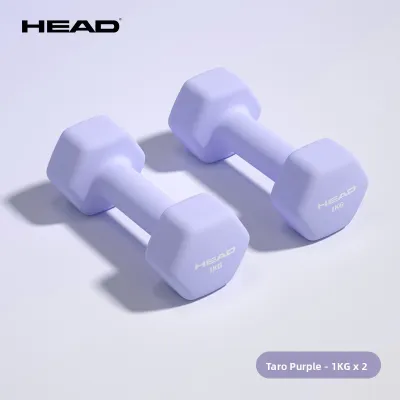
HDB flats typically feature flooring materials like ceramic tiles, vinyl planks, or engineered wood, all of which can be easily scratched, chipped, or dented by heavy fitness equipment. Selecting the right outer coating for your 4 kg dumbbells is essential for protecting these surfaces and minimizing noise. Neoprene and silicone coatings are excellent choices for small home gyms. These materials provide a soft, matte exterior that cushions the impact when you place the weights on the floor, while also offering a comfortable, non-slip grip that resists moisture.
Rubber and polyurethane (PU) are also popular options for dumbbell coatings, offering high durability and excellent impact absorption. However, low-grade rubber coatings can emit a strong, persistent chemical odor, which can quickly become overwhelming in a small, unventilated HDB room or air-conditioned bedroom. If you select rubber dumbbells, look for high-quality, low-odor virgin rubber or opt for polyurethane, which is virtually odorless and highly resistant to tearing, though it often comes at a higher price point.
Bare cast iron or chrome-finished dumbbells are classic options known for their extreme durability and compact size, but they present distinct challenges in a home environment. Without a protective coating, metal weights can easily scratch tiled floors or dent wooden surfaces if dropped or dragged. If you prefer the classic feel and compact profile of bare metal dumbbells, it is highly recommended to pair them with a dedicated, high-density foam or rubber exercise mat to act as a protective barrier between the weights and your HDB flooring.
Practical Storage Solutions for HDB Flats
Storing fitness equipment in a multi-purpose living space requires creative solutions that keep your home organized and safe. Freestanding A-frame or tiered dumbbell racks are highly effective for keeping weights off the floor, but they do occupy permanent physical space. An A-frame rack has a vertical design that minimizes its floor footprint, making it suitable for a corner of a living room or bedroom. Wall-mounted holders are another option to free up floor space entirely, but they require secure anchoring into concrete walls, which may not be ideal or permitted in all areas of an HDB flat.
For a more discreet approach, utilizing under-bed or closet storage is an excellent way to keep your 4 kg dumbbells out of sight when not in use. Low-profile plastic storage bins with wheels can easily slide under a bed frame or couch, keeping the weights accessible yet hidden. Alternatively, you can integrate your fitness gear into multi-functional furniture, such as storage ottomans or hollow benches, which serve as seating during the day and house your workout equipment at night.
Safety must always be a priority when storing weights in a shared household. Loose dumbbells left on the floor are major tripping hazards, especially in low-light conditions. If you share your home with young children or pets, storing your dumbbells in a secure, closed cabinet or a latched bin is essential to prevent accidental injuries. Ensuring that your weights are always returned to their designated, secure storage spot immediately after a workout helps maintain a safe and orderly living environment.
Pre-Purchase and Delivery Verification Checklist
Before purchasing a pair of 4 kg dumbbells, taking the time to verify specific details can prevent returns and ensure the equipment fits your space perfectly. Start by measuring your designated workout and storage areas. Keep in mind that you need enough clear space not just to store the weights, but to perform exercises safely without hitting walls, light fixtures, or furniture. Mark out the dimensions of the dumbbells on your floor or shelf using masking tape to visualize how much space they will actually occupy.
Next, carefully check the seller’s specifications for the exact dimensions of the dumbbells. Because 4 kg weights can be manufactured from various materials, their physical size can vary dramatically. A neoprene-coated cast iron dumbbell will have a much smaller length and diameter than a vinyl-coated, cement-filled alternative of the same weight. Verifying these measurements beforehand ensures that the dumbbells will fit into your planned storage bins, drawers, or rack slots.
Once your dumbbells are delivered, perform a thorough physical inspection immediately. Check the outer coating for any signs of peeling, cracking, or uneven thickness, which can compromise both the grip and the floor-protective qualities of the weight. If you purchased rubber-coated weights, assess the strength of any chemical odor; if the smell is overpowering, you may need to let them air out on a service yard or balcony before bringing them into your main living areas. Finally, place the dumbbells on a flat surface to verify that they do not roll or wobble unexpectedly.
Frequently Asked Questions (FAQ)
Can I use a 4 kg dumbbell for effective full-body workouts?
Yes, a 4 kg dumbbell is highly versatile and can be used effectively for a wide range of full-body exercises. It is particularly well-suited for high-repetition endurance training, cardiovascular conditioning, physical therapy, and targeted upper-body movements such as lateral raises, bicep curls, and tricep extensions. However, for larger muscle groups and compound movements like squats, lunges, or deadlifts, a 4 kg weight may eventually feel too light to stimulate significant muscle growth or strength gains. For progressive overload in these major lifts, you may eventually need to transition to heavier weights or increase your repetition volume and focus on unilateral (single-sided) variations.
How do I clean and maintain coated dumbbells in a humid climate?
Singapore’s humid tropical climate can accelerate the degradation of certain dumbbell coatings if they are not properly maintained. After every workout, wipe down your dumbbells with a clean, damp microfiber cloth to remove sweat, skin oils, and dust. Avoid using harsh chemical cleaners, bleach, or alcohol-based sanitizers, as these can dry out and crack neoprene, silicone, or rubber coatings over time. Instead, use a mild soap and water solution if a deeper clean is necessary. Always allow the dumbbells to air dry completely in a well-ventilated area away from direct sunlight before storing them in closed compartments to prevent the growth of mold or mildew.
Are adjustable dumbbells worth it if I only need 4 kg right now?
If your current fitness routine only requires a 4 kg load and you do not plan to increase your resistance in the near future, a simple pair of fixed-weight 4 kg dumbbells is generally the more practical and cost-effective choice. Fixed dumbbells are more compact, have no moving parts that can wear out, and do not require a bulky storage tray. However, if you anticipate progressing to heavier weights as your strength improves, investing in a compact adjustable dumbbell system can save both space and money in the long run. Evaluate your long-term fitness commitment and budget to decide whether the immediate simplicity of a fixed pair or the future flexibility of an adjustable system aligns better with your goals.
Community discussion
Share your experience or ask a question. Comments are reviewed before publication.