
Finding a mini treadmill home setup that fits a Singapore HDB flat requires balancing your fitness goals with the realities of compact living. A machine that is too large permanently takes over your living room, while one that is too small might restrict your running stride.
To make the right choice, you must evaluate the physical footprint of the machine, its folding mechanisms, and the specific layout of your home. This guide outlines the essential dimensions and features to look for to ensure your treadmill fits seamlessly into your daily routine.
Measuring Your HDB Space for a Mini Treadmill
Before browsing online marketplaces, you must map out the exact zone where you plan to exercise. Use a physical measuring tape to outline the floor area in your bedroom or living room, keeping in mind that a treadmill cannot sit flush against furniture.
Products mentioned in this guide
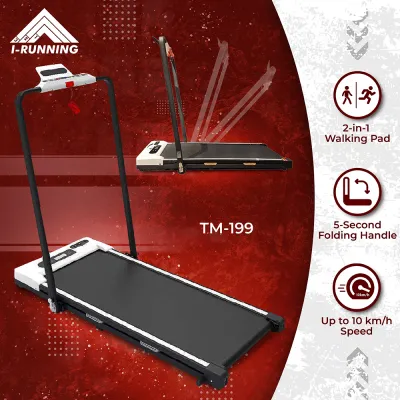
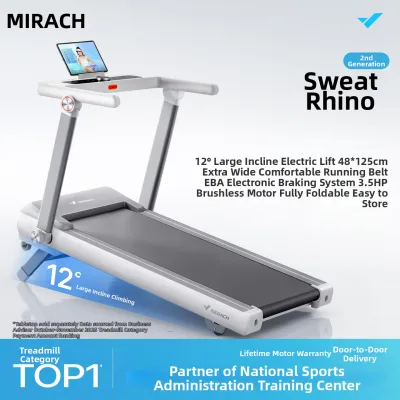
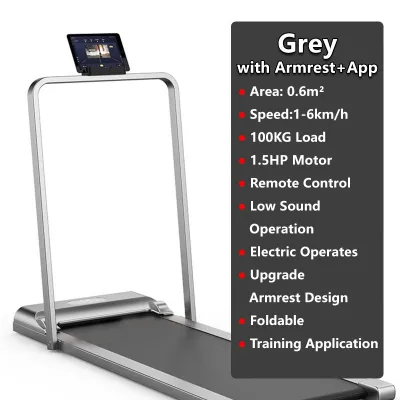
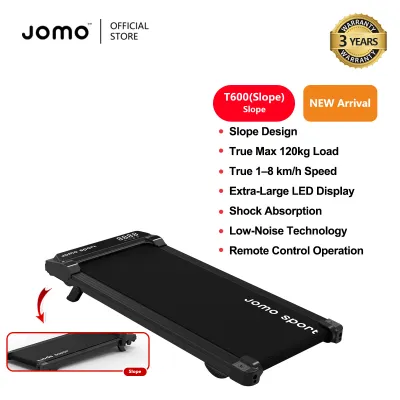
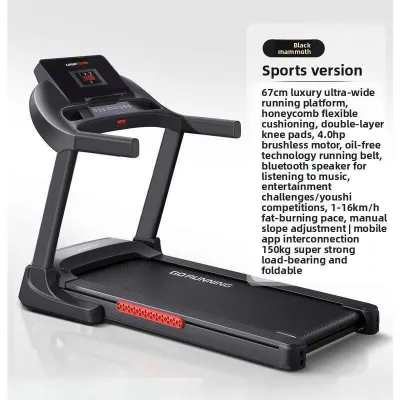
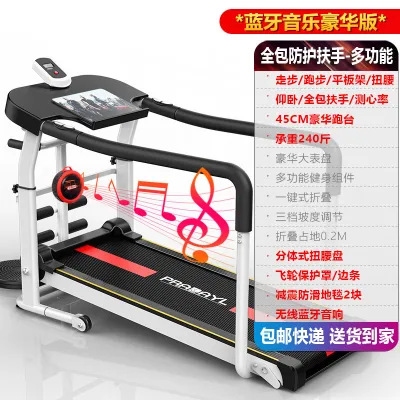
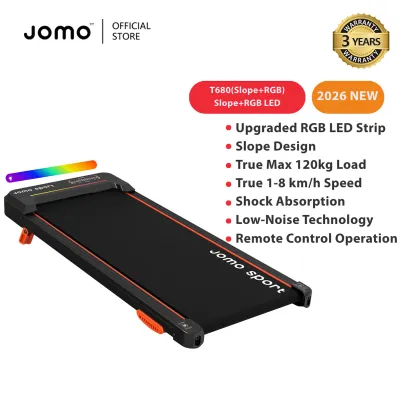
Prices are valid at publication and may change. Please refer to the product page for the latest price.
Account for the swing radius of nearby doors, wardrobe panels, and the natural flow of household traffic. A machine that blocks a primary walkway will quickly become a daily frustration and a safety hazard for other household members.
Ceiling height is another critical factor that is often overlooked. To calculate your required clearance, add your own height to the deck height of the treadmill, then add an extra 15 to 20 centimeters for head movement during running.
Taller users or those considering machines with incline options must be especially cautious. Low ceilings can lead to a cramped overhead feel or accidental contact during high-intensity workouts.
Finally, examine the floor surface itself. Uneven tiles or warped vinyl can cause the treadmill to wobble, increasing noise and wear on the motor.
If you plan to place the machine on a raised platform, built-in cabinetry, or loft area, check the structural weight limits of your flat to ensure the combined weight of the machine and the runner is fully supported.
Critical Treadmill Dimensions to Verify Before Buying
When evaluating a mini treadmill home setup, you must distinguish between the active footprint and the storage footprint. The active footprint represents the machine’s dimensions when fully unfolded and ready for use.

The storage footprint, on the other hand, dictates how much space the machine occupies when folded away. Comparing these two sets of measurements helps you visualize whether the machine is truly manageable in a small room.
Pay close attention to the dimensions of the running belt itself, which is always smaller than the overall machine footprint. A belt that is too narrow or too short can severely restrict your natural stride, forcing you to walk or run awkwardly.
For walking, a belt length of 100 centimeters is often sufficient, but running typically requires at least 120 centimeters to prevent your feet from slipping off the back.
Handlebar height and console angles also require verification. Fixed handlebars that do not adjust can force taller or shorter users into uncomfortable postures, leading to back or neck strain over time.
Ensure the console screen is readable from your natural standing position, especially if you plan to place the machine in a tight corner where light angles might cause glare.
Foldable and Storage Features for Compact Living
The utility of a mini treadmill home machine relies heavily on its folding mechanism. Some models offer a true flat-fold design where the handrails fold completely flush with the running deck, while others only fold upright at a 90-degree angle.
Verify whether the folding process requires manual tools, or if it features hydraulic assistance that lowers the deck safely without heavy lifting. A machine that is difficult or physically exhausting to fold will likely end up permanently unfolded, defeating its purpose.
Mobility features are equally important for daily storage. Look for integrated transport wheels on the base of the frame, which allow you to roll the unit like a suitcase.
Ensure these wheels are made of a soft material or rubberized coating to prevent scratching smooth ceramic tiles or vinyl flooring during transit. Secure locking pins or latches are also necessary to keep the frame from unfolding unexpectedly while being moved.
Before purchasing, measure the folded thickness of the treadmill and compare it to your intended storage spot. If you plan to slide it under a bed or sofa, measure the vertical clearance of the furniture frame to ensure the machine fits comfortably.
For vertical storage against a wall or inside a utility closet, check the folded height and ensure the unit has a stable self-standing base or a secure wall-mounting strap to prevent tipping.
Common Sizing and Placement Mistakes to Avoid
One of the most frequent errors is failing to leave a proper safety buffer around the treadmill. Manufacturers generally recommend leaving at least 1 to 2 meters of clear space behind the running belt and 0.5 meters on each side.
This buffer is crucial for emergency dismounts; if you lose your balance, a clear space behind the machine prevents you from being thrown against a wall or furniture.
Another mistake is assuming that all compact or under-desk treadmills are built with the same internal specifications. Many ultra-thin walking pads have lower weight capacities and smaller motors that are not designed for high-speed running.
Exceeding the recommended weight limit or running on a motor designed only for walking can cause the machine to overheat, slip, or fail prematurely.
Lastly, placing a treadmill directly on bare floors or against shared walls can create significant friction and structural noise. The impact of your steps travels through the concrete floor of an HDB block, which can easily disturb neighbors living below or adjacent to you.
Always place a high-density, vibration-dampening mat under the machine to absorb kinetic energy and muffle the sound of the motor and footfalls.
Frequently Asked Questions (FAQ)
Can I use a mini treadmill on an HDB balcony?
Using a mini treadmill on an HDB balcony is generally not recommended due to environmental exposure. Singapore’s high humidity, heavy rain splashes, and direct sunlight can quickly degrade electronic consoles, rust metal frames, and void the manufacturer’s warranty. If you choose to place it there, ensure the balcony is fully enclosed, weatherproofed, and that the machine is rated for indoor use by the manufacturer.
Do under-desk treadmills require extra clearance?
Yes, under-desk treadmills require specific clearances to function safely within a home office. You must measure the height of your standing desk to ensure the treadmill deck and your own height fit comfortably underneath without your head or knees hitting the desk frame. Additionally, check the thickness of the treadmill’s front console to ensure it does not prevent the machine from sliding fully under the desk.
How can I reduce noise and vibration for downstairs neighbors?
To minimize noise transmission in an HDB flat, place a specialized high-density rubber or foam anti-vibration mat directly under the treadmill. Position the machine away from shared structural walls, which can amplify and conduct sound to adjacent units. Finally, schedule your workouts during daytime hours and avoid high-impact running late at night or early in the morning when ambient noise levels are low.
Community discussion
Share your experience or ask a question. Comments are reviewed before publication.