
Selecting the right gear storage is a critical step in optimizing your cycling experience across Singapore’s diverse riding environments. Whether you are navigating the scenic loops of the Park Connector Network (PCN), weaving through urban traffic on a daily commute, or embarking on an endurance ride around the island, your storage needs will vary significantly. Newboler offers a range of bicycle bags designed to carry essentials, but finding the ideal model requires a careful evaluation of your specific riding habits. The right choice depends on matching the bag’s mounting style, capacity, and material specifications to your typical routes and bicycle geometry. This guide provides a structured approach to help you define your cycling profile, evaluate key technical features, match bag styles to local riding scenarios, and verify compatibility before making a purchase.
Defining Your Cycling Profile and Storage Needs
To select the most functional bag, you must first analyze your primary cycling activities and the specific items you need to transport. A casual weekend cyclist exploring the PCN has vastly different requirements compared to a daily commuter or a long-distance endurance rider. Carrying too much weight or using an oversized bag can negatively affect your bicycle’s handling, while an undersized bag may force you to leave essential safety gear behind.
For casual park connector rides, the primary goal is convenience and minimal interference. Cyclists on these routes typically carry lightweight, personal items such as a smartphone, keys, a small wallet, and perhaps a compact snack or a light windbreaker. Because these rides are generally leisurely and punctuated by stops at local cafes or scenic viewpoints, a small, easily detachable bag is often the most practical solution.
Products mentioned in this guide
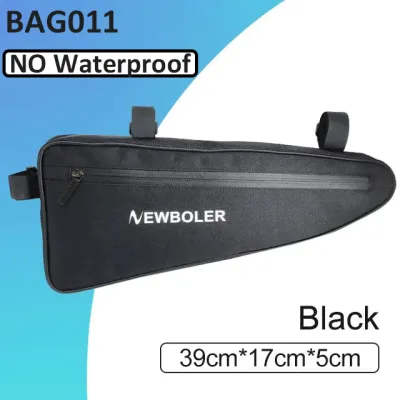
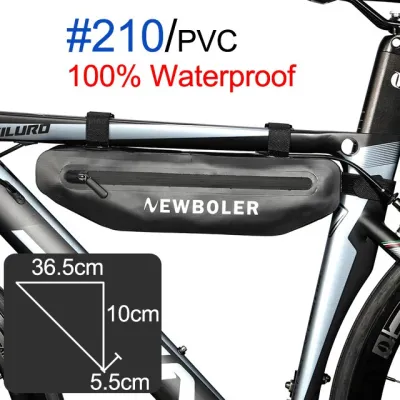
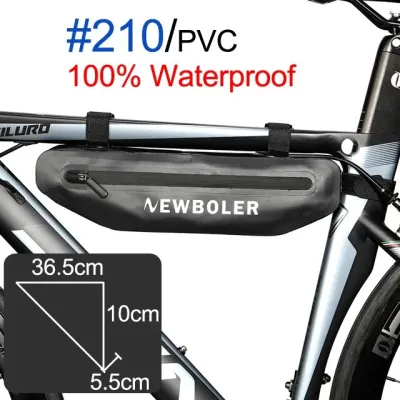
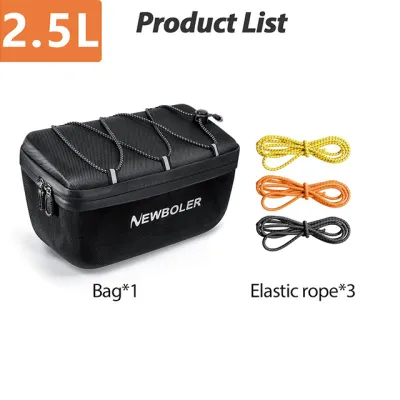
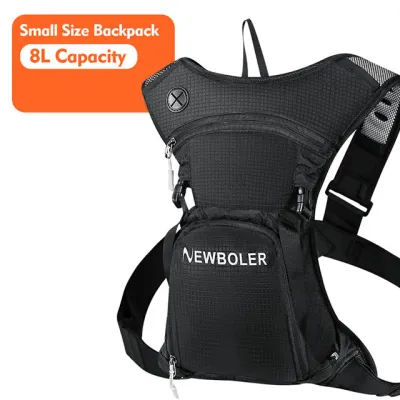
Prices are valid at publication and may change. Please refer to the product page for the latest price.
Daily urban commuting demands a more robust and organized storage setup. Commuters frequently need to transport work essentials, which may include a tablet or small laptop, a change of clothes, personal hygiene items, and secure locking devices. Additionally, given Singapore’s sudden tropical downpours, carrying reliable wet-weather gear is a necessity. This profile requires a bag with structured compartments to protect electronics and sufficient volume to accommodate bulkier items without compromising the rider’s balance in stop-and-go city traffic.
Long-distance route exploration, such as completing the Round Island Route, introduces the need for self-sufficiency. On extended journeys, you must carry comprehensive repair kits—including spare inner tubes, tire levers, a multi-tool, and a portable pump—alongside ample hydration and nutrition supplies. Because these rides span several hours, the weight distribution of your gear becomes critical. Distributing the load across multiple contact points on the bicycle frame helps maintain stability and reduces physical fatigue over long distances.
Essential Features to Verify on Newboler Bags
When evaluating Newboler bags, it is essential to look past aesthetic appeal and scrutinize the physical specifications and build quality detailed in the manufacturer’s product descriptions. Understanding how these specifications translate to real-world performance will prevent compatibility issues and ensure your gear remains secure throughout your ride.

Mounting Systems and Stability The mounting mechanism is the primary interface between the bag and your bicycle. You should carefully check the strap configurations, buckle types, and attachment points specified for each model. Look for heavy-duty hook-and-loop fasteners or adjustable nylon straps that wrap securely around the frame tubes, seatpost, or handlebars. For larger bags, such as under-seat saddlebags, verify if they feature reinforced mounting brackets or multi-strap systems designed to minimize side-to-side sway during active pedaling. A loose or swaying bag not only disrupts your balance but can also cause premature wear on your bicycle’s paintwork.
Material and Weather Resistance Singapore’s high humidity and frequent rain showers make weather resistance a primary consideration. Rather than assuming a bag is fully waterproof, instruct yourself to verify the manufacturer’s stated water resistance ratings and fabric specifications. Look for materials such as high-density TPU (thermoplastic polyurethane) or laminated nylon, which are commonly utilized for water-resistant gear. Pay close attention to construction details, such as heat-welded seams instead of traditional stitching, and water-resistant zipper seals. If a bag is classified as water-resistant rather than fully waterproof, check if the manufacturer includes a separate high-visibility rain cover or recommends using internal dry bags to protect sensitive electronics.
Capacity, Dimensions, and Geometry A common mistake is selecting a bag based solely on its stated volume in liters without verifying its physical dimensions. You must compare the bag’s length, width, and height against your bicycle’s specific geometry. For example, a long frame bag must fit within your front triangle without blocking access to your water bottle cages or rubbing against your knees while pedaling. Similarly, a handlebar bag must clear the front tire and leave sufficient space for your hands on the grips, especially when riding a drop-bar road bike. Always measure your bike’s available clearance before finalizing your choice.
Matching Bag Types to Common Singapore Riding Scenarios
To simplify your decision-making process, you can match general bag styles to the specific environments where you plan to ride. While Newboler offers various configurations, the suitability of each style depends heavily on the terrain, speed, and duration of your typical journeys. Please note that specific model availability, colorways, and exact dimensions should always be verified directly with official brand stores or authorized online retailers before purchase.
PCN Leisure and Weekend Rides
For relaxed rides along the coastal paths of East Coast Park or the green corridors of the PCN, simplicity and quick access are your main priorities. Small handlebar bags or compact top-tube bags are highly suitable for these scenarios. These designs position your essentials directly in front of you, allowing you to grab your phone for a quick photo or access a snack without needing to dismount.
When selecting a bag for leisure rides, look for lightweight designs that do not add unnecessary bulk to your bicycle. Quick-release mounting systems, such as simple strap-on designs, are particularly advantageous if you plan to park your bike and walk around, as they allow you to detach the bag and carry it with you easily. Always check the maximum weight limits printed on the product label; overloading a front-mounted handlebar bag can alter your steering dynamics and make low-speed maneuvering more difficult.
Daily Urban Commuting
Navigating urban roads and busy commuter pathways requires a storage solution that remains stable under sudden braking and frequent turns. Larger saddlebags, which mount securely beneath the seat, or sleek frame bags that sit within the main triangle, are excellent choices for daily commuters. These positions keep the center of gravity low and aligned with the bicycle’s centerline, reducing the impact on handling.
For safety in urban traffic, prioritize bags that feature integrated reflective elements or dedicated attachment loops for safety lights. The stop-and-go nature of city riding also means you will want a bag with structured internal compartments. Checking the product specifications for internal mesh pockets or dividers will help you keep your keys, wallet, and work passes organized, preventing them from shifting during your commute. Ensure the mounting straps are robust enough to handle the weight of heavy commuter locks and daily essentials without slipping.
Longer Distance and Route Exploration
When planning long-distance rides that cover substantial mileage, relying on a single bag may not provide sufficient storage or optimal weight distribution. A combined setup is often the most effective strategy for extended route exploration. For instance, pairing a medium-sized frame bag with a high-capacity seatpost saddlebag allows you to segregate your gear logically, keeping heavy tools low in the frame and lighter, bulkier items like extra clothing behind the saddle.
Aerodynamics and stability are critical when riding for consecutive hours. Choose bags with streamlined, narrow profiles that sit flush with your bicycle’s frame to minimize wind resistance. Multi-point strapping systems are essential for these setups, as they prevent the bags from shifting and causing friction or chafing against your frame or legs over thousands of pedal revolutions. Before setting off, verify the manufacturer’s maximum load capacity and check the warranty conditions to ensure the bags are rated for the demands of long-distance touring.
Pre-Purchase Checklist and Compatibility Verification
Before purchasing a Newboler bag, performing a thorough compatibility check will save you the hassle of returns and ensure a safe, secure fit on your bicycle. Frame designs, component sizes, and cable routing vary widely between bicycle brands and models, meaning a bag that fits one bike perfectly may be incompatible with another.
First, take precise measurements of your bicycle’s key clearance areas. For handlebar bags, measure the distance between the handlebar tape on drop bars, or the space between brake levers on flat bars, and ensure there is adequate vertical clearance between the bar and the top of the front tire or mudguard. For frame bags, measure the internal length and height of your frame’s front triangle, taking into account the position of your water bottles and cages. For saddlebags, verify that you have enough exposed seatpost length and clearance above the rear wheel, which is especially critical on smaller frame sizes or full-suspension mountain bikes.
Second, review the retailer’s return policy and the manufacturer’s warranty terms. Since you cannot physically test the fit before ordering from an online marketplace, choosing a seller that offers a clear return or exchange policy for unused items in their original packaging is highly recommended. Check the warranty details to understand what types of manufacturing defects, such as zipper failures or seam separations, are covered and for what duration.
Finally, consult the product manual or official installation guides online to identify any specific mounting requirements. Some bags may require protective tape to be applied to your frame to prevent the straps from scratching the paint over time. Others may require specific tools or spacers to clear brake and gear cables. Verifying these details beforehand ensures you have all the necessary accessories ready for a seamless installation.
Frequently Asked Questions (FAQ)
How do I clean and maintain my cycling bag after riding in the rain?
To preserve the material integrity and water resistance of your cycling bag, always check the manufacturer’s care label for specific washing instructions. After a wet ride, empty the bag completely and wipe down both the interior and exterior with a soft, damp cloth to remove road grime, salt, and mud. Allow the bag to air dry completely in a well-ventilated indoor area away from direct sunlight or high-heat sources like hair dryers, which can damage waterproof coatings and heat-welded seams. Avoid using harsh chemical detergents, bleach, or machine washing cycles unless the manufacturer’s instructions explicitly state they are safe to use.
Can I use the same bag on different types of bicycles?
Whether you can transfer a bag between different bicycles depends entirely on the mounting system and the geometry of the bikes. Bags that utilize adjustable hook-and-loop straps or universal buckle systems offer the greatest flexibility, allowing them to adapt to various tube diameters and handlebar shapes. However, you must measure the contact points on both bicycles to ensure the straps can be tightened securely without slipping or interfering with moving parts. Keep in mind that highly specialized bags, such as those designed for specific frame triangles or aerodynamic seatposts, may not fit securely on bikes with different frame geometries.
What should I do if the bag straps loosen during a ride?
If you notice a bag shifting, swaying, or if the straps begin to loosen during your ride, pull over safely to the side of the path or road immediately. Do not attempt to adjust the bag while riding, as this can lead to a loss of control or cause the bag to catch in your wheels or drivetrain. Once stopped, inspect the strap routing and buckle condition against the manufacturer’s installation manual, tighten the straps securely, and tuck away any loose ends. If the straps or buckles show signs of structural damage, cracking, or persistent slippage, discontinue use and contact the manufacturer or retailer for replacement parts.
Community discussion
Share your experience or ask a question. Comments are reviewed before publication.