
A compact to mid-sized exercise step board—typically measuring around 65 cm to 80 cm in length and 28 cm to 35 cm in width—balances workout stability with the spatial constraints of a typical Singapore HDB flat. While commercial gym steps often exceed 100 cm in length, these larger models can easily dominate a living room or bedroom, leaving little room for movement or storage.
Choosing the right size involves balancing your physical height and stride length against the physical footprint of your home. By focusing on adjustable heights, compact footprints, and smart storage strategies, you can maintain an active cardio routine without turning your living area into a permanent obstacle course.
Assessing Your Available Floor and Storage Space
Before purchasing any fitness equipment, you must map out where it will live and where it will be used. In an HDB flat, multi-purpose spaces are the norm, meaning your workout zone likely doubles as a living room, study, or bedroom walkway.
Products mentioned in this guide
![[SG Ready Stock]Aerobic Stepper Cardio Fitness Home Gym Exercise Step Block Board Height Adjustable Aerobic stepper](https://img.lazcdn.com/g/p/76d7f485d6ea394df23063eb50313bc4.jpg_400x400q80.jpg_.webp)
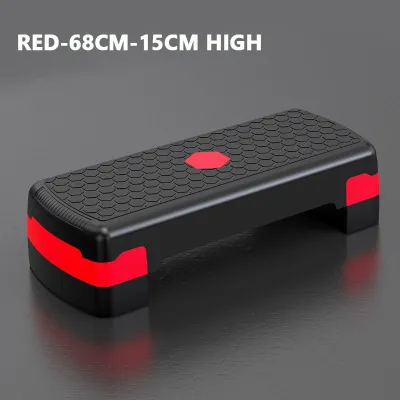
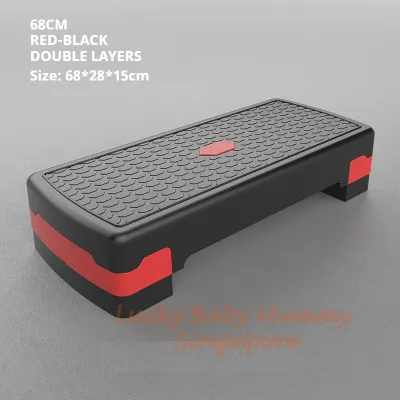
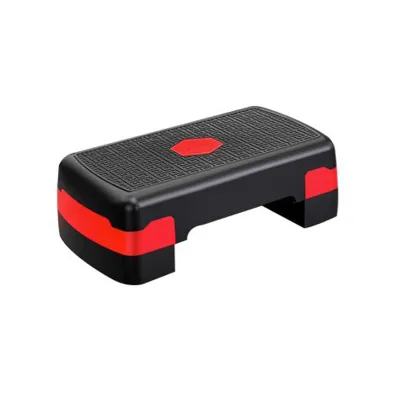
Prices are valid at publication and may change. Please refer to the product page for the latest price.
Start by measuring the clear floor space in your designated workout area. You need to account for not just the physical dimensions of the step board itself, but also the dynamic clearance required for your body to move safely around it. Ensure there is a clear perimeter free of coffee tables, TV consoles, or sofa edges.
Next, identify your storage strategy. If you plan to tuck the board away after every session, measure the clearance under your sofa, bed frame, or inside your utility closet. Many standard HDB bed frames have a clearance height of less than 15 cm, which will dictate the maximum height of your step board when the risers are detached or folded.
Do not forget to map the transit route. If you store the board in a service yard or bomb shelter and exercise in the living room, check that the board can easily pass through narrow hallways and doorways. A lightweight, compact board is much easier to carry through tight corners than a heavy, commercial-grade model.
Matching Step Board Dimensions to Your Workout Needs
Exercise step boards generally fall into three size categories: compact (around 60 to 70 cm long), medium (around 80 to 90 cm long), and full-size or commercial (100 cm or longer). Selecting the right category depends heavily on your physical height, stride, and the types of exercises you plan to perform.

For basic vertical step-ups, high-intensity interval training (HIIT), or simple cardio routines, a compact or medium board is usually sufficient. These sizes provide enough surface area for your entire foot to land securely without requiring a massive footprint. If you are taller or have a longer natural stride, a medium board offers a safer landing zone, reducing the risk of stepping off the edge during fast-paced workouts.
If your fitness routine incorporates complex lateral choreography, side-to-side steps, or bench-based strength exercises like chest presses, a longer board becomes highly beneficial. However, in a compact flat, you must weigh this extra length against your available space. A board that is too long can restrict your lateral movement if it forces you too close to walls or furniture.
Always check the manufacturer’s specifications for the exact surface dimensions. Some boards feature tapered designs where the top platform is narrower than the base. Ensure the actual usable stepping surface accommodates your shoe size comfortably, leaving a safe margin of space on all sides during active use.
Evaluating Adjustable and Space-Saving Designs
To maximize utility in a limited space, look for step boards with highly adaptable designs. Adjustable riser systems are particularly valuable because they allow you to change the workout intensity without needing multiple pieces of equipment.
Many residential step boards use a nesting riser system, where the support blocks fit securely underneath the main platform when not in use. This design minimizes the storage height, allowing the entire unit to slide easily under low furniture. Other models feature smart folding legs that lock into place for workouts and fold completely flat for storage.
When evaluating these designs, pay close attention to how the risers attach. They must lock together securely without wobbling, as any instability can lead to slips or joint strain during high-impact movements. Look for textured, non-slip feet on the bottom of each riser to ensure the board remains anchored to the floor.
Weight and portability are also key considerations for HDB dwellers who must set up and pack away their gear daily. A board made of high-density polyethylene is typically lightweight enough to carry with one hand while remaining durable enough to support active workouts. Some models even include molded carry handles or integrated storage compartments for the risers.
Safety and Clearance Requirements for Indoor Use
Exercising indoors requires a strict safety perimeter to prevent injuries and protect your home’s interior. As a general rule, maintain a clearance zone of at least one meter around all sides of the step board. This buffer zone ensures you can perform wide arm swings, lateral lunges, or quick dismounts without colliding with walls or furniture.
Floor protection is another critical factor in high-density apartment living. High-impact stepping can transmit noise and vibrations through the floor, potentially disturbing neighbors below. Placing a high-density rubber or foam exercise mat underneath your step board helps absorb impact, dampen sound, and prevent the board from sliding on smooth surfaces.
Ceiling height is often overlooked but remains crucial, especially for taller users or those performing high-step routines. Measure your ceiling height and subtract your own height plus the maximum height of the step board. Ensure you have ample clearance to perform overhead arm reaches or jump-ups without risking contact with ceiling fans, light fixtures, or low-hanging beams.
Before starting any workout, perform a quick stability check. Place the board on a flat, level surface and press down on all four corners to ensure there is no rocking. If you are using risers, verify that they are fully engaged and locked into the main platform according to the manufacturer’s instructions.
Frequently Asked Questions (FAQ)
Can I use an exercise step board on vinyl or laminate flooring without damaging it?
Yes, but you should take precautions to protect your flooring. The hard plastic bases or risers of some step boards can scratch, scuff, or dent sensitive vinyl and laminate surfaces over time. To prevent damage, always place a non-slip, high-density exercise mat or a specialized equipment mat underneath the board. This not only shields the floor from scratches but also provides extra grip to keep the board from shifting during intense workouts.
How do I clean and maintain the non-slip surface of my step board?
To maintain the grip and hygiene of your step board, wipe it down after every workout with a damp cloth and a mild, non-abrasive soap solution. Avoid harsh chemical cleaners, bleach, or oil-based polishes, as these can degrade the plastic and leave the stepping surface dangerously slick. Periodically inspect the board for any signs of wear, such as hairline cracks in the plastic, worn-down rubber feet, or loose riser connections, and replace the equipment if its structural integrity is compromised.
Is a wider step board always better for beginners?
While a wider step board offers a larger target and more margin for error, it is not always the most practical choice for a compact home. Beginners can safely use a standard-width board (around 28 to 35 cm wide) by starting with slower, controlled movements and basic step-ups. Focus on mastering your foot placement and balance before attempting faster choreography, which allows you to enjoy a safe workout without needing a bulky, space-consuming board.
Community discussion
Share your experience or ask a question. Comments are reviewed before publication.