
Finding a suitable step climber machine for a small Housing & Development Board (HDB) flat requires balancing a compact footprint with sufficient vertical clearance, stability, and ease of storage. Because floor space is at a premium in modern Singapore apartments, choosing between a mini stepper and a full-size vertical climber depends on your specific ceiling height, storage workflow, and fitness goals. Rather than searching for a single universal model, the ideal choice is determined by verifying your flat’s physical dimensions, your personal weight capacity requirements, and how easily the machine can be tucked away when not in use.
Assessing Floor Space and Clearance Requirements
Measuring the static footprint of a step climber machine is only the first step in ensuring a safe workout environment. You must also account for the active movement zone, which includes the outward swing of your arms, the extension of the handlebars, and the vertical travel of the pedals. A machine might occupy a modest floor area of 100 centimeters by 60 centimeters when static, but during a workout, your body weight shifts, and your elbows or knees may extend beyond these boundaries.
Ceiling height is a critical, often overlooked constraint in HDB flats, where standard floor-to-ceiling heights typically range from 2.6 to 2.8 meters. When you stand on a step climber machine at its highest pedal position, your head rises significantly. To calculate your required clearance, add your height, the maximum pedal height of the machine at full extension, and an additional safety margin of at least 15 to 20 centimeters. This prevents accidental contact with ceiling fans, light fixtures, or concrete beams during high-intensity sessions.
Products mentioned in this guide
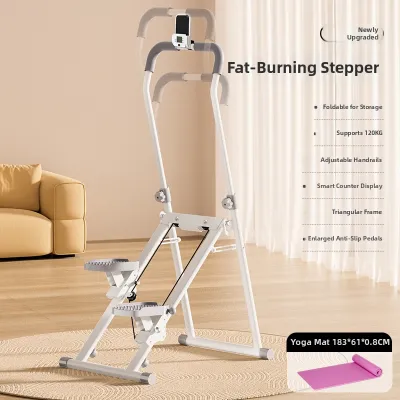
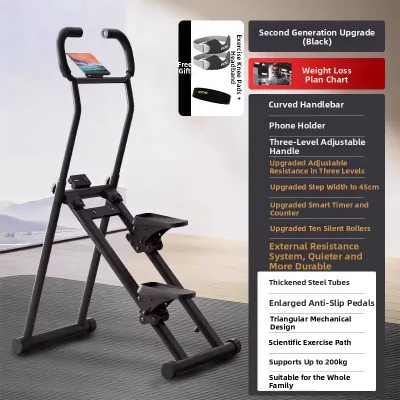
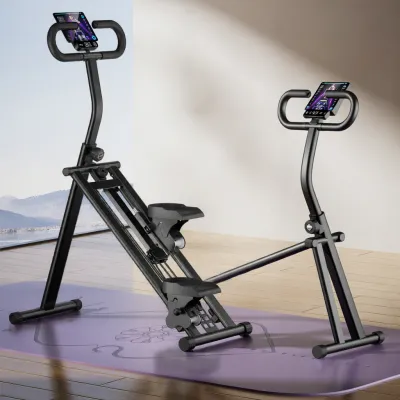
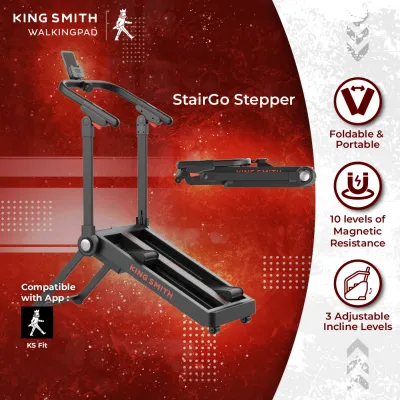

Prices are valid at publication and may change. Please refer to the product page for the latest price.
Household traffic patterns must remain unobstructed to maintain a harmonious living space. Ensure the designated workout area does not block main walkways, bedroom door swings, or access to built-in wardrobes. Leaving a clearance gap of at least 50 centimeters around the machine also ensures adequate ventilation, which is essential for comfort in Singapore’s warm, humid climate, especially if you rely on natural cross-ventilation or a standing fan rather than air conditioning.
Identifying Space-Saving Features and Form Factors
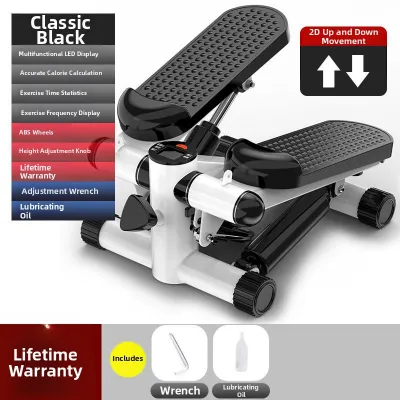
When space is highly constrained, the form factor of your step climber machine dictates where it can live. Mini steppers represent the most compact option, often fitting easily under a study desk or inside a shoe cabinet. Models without handlebars rely entirely on your core stability, while those with detachable handlebars or resistance bands offer additional balance support without permanently expanding the machine’s physical presence.

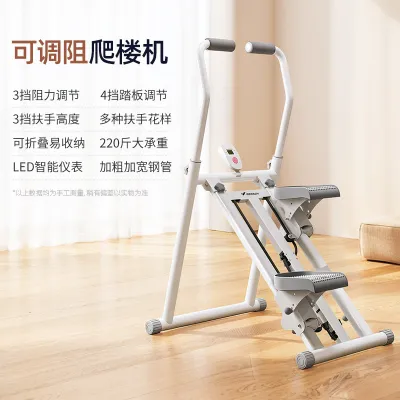
For those seeking a full-body workout, vertical step climber machines offer a longer stride but require a larger footprint. To mitigate this, look for models featuring foldable frames that collapse into a flat profile. A quality foldable climber should fold down to a depth of 30 centimeters or less, allowing it to slide behind a wardrobe, stand upright in a utility closet, or rest flat under a bed frame.
Mobility features are essential if you plan to store the machine after every workout. Built-in transport wheels on the base frame allow you to roll the equipment across vinyl, laminate, or tile flooring without lifting the entire weight of the machine. Additionally, check the base width and pedal dimensions; wider pedals offer better foot stability but can increase the overall width of the machine, so look for a design that keeps the pedals within the main frame’s footprint to save precious centimeters.
Balancing Compact Size with Stability and Weight Capacity
Opting for a smaller step climber machine should never mean compromising on structural safety. Always verify the manufacturer’s specified maximum weight capacity before purchasing. Compact machines made of heavy-duty alloy steel generally offer superior durability compared to those utilizing thin-walled aluminum or excessive plastic components, especially under the repetitive impact of daily cardio sessions.
A lighter, narrower base makes a machine easier to move, but it also reduces lateral stability. During vigorous climbing workouts, your center of gravity shifts dynamically; a base that is too narrow or lightweight may wobble or tip. To ensure safe operation, look for machines with wide, flared stabilizer bars at the base, even if the main body remains slim and compact.
Protecting your home’s flooring is another practical consideration. High-intensity stepping can cause the machine to shift slightly, potentially scratching delicate parquet, vinyl, or polished porcelain tiles. Choosing a machine equipped with thick, non-slip rubber foot caps helps absorb vibrations and keep the unit anchored. Placing a high-density PVC floor protection mat, which typically costs under S$50, underneath the machine further dampens noise and catches sweat, preserving your HDB flat’s flooring.
Planning Storage and Daily Movement Workflows
Integrating a step climber machine into your daily routine requires a realistic storage workflow. If folding and hauling a 20-kilogram machine out of a deep closet feels too tedious, you are less likely to use it. If space permits, designate a semi-permanent “parking spot” in a quiet corner of the living room or bedroom. If you must store it after every session, ensure the path from the storage spot to the workout zone is clear of tight turns and delicate furniture.
Safety hazards extend beyond the workout itself. For motorized step climbers, manage the power cord carefully to prevent tripping hazards across common walkways, and always unplug the machine when it is not in use. For non-motorized hydraulic steppers, regularly inspect the hydraulic cylinders for fluid leaks; placing a protective mat underneath prevents hydraulic oil from staining your rugs or flooring.
Living in close proximity to neighbors in Singapore’s high-rise HDB blocks means noise and vibration transfer can easily travel through concrete floors. The repetitive thudding of stepping motions or the hum of a motorized climber can disturb those living directly below or adjacent to your unit. To maintain good neighborly relations, schedule your workouts during reasonable daytime hours, use a thick shock-absorbing mat, and opt for magnetic resistance or well-lubricated hydraulic systems that operate quietly.
Frequently Asked Questions (FAQ)
Can I use a step climber on an HDB balcony?
Yes, but you must verify the balcony’s environmental conditions and structural limits. Most compact step climber machines are rated for indoor use only; exposure to Singapore’s high humidity, direct sunlight, and occasional rain blow-in can cause metal frames to rust, hydraulic fluids to degrade, and electronic consoles to fail. If you use the machine on a sheltered balcony, store it indoors after your workout, and ensure the balcony floor is level and can safely support both the machine’s weight and your active movement.
Do mini steppers provide the same workout as full-size climbers?
Mini steppers offer a highly effective lower-body workout targeting the calves, glutes, and quadriceps, but they do not fully replicate the full-body engagement of a full-size vertical climber. Full-size climbers incorporate upper-body pulling and pushing motions, resulting in higher overall caloric expenditure. However, you can compensate for a mini stepper’s shorter step height by using adjustable resistance bands for upper-body engagement and increasing your stepping tempo to elevate your heart rate.
Community discussion
Share your experience or ask a question. Comments are reviewed before publication.