
A standard step machine can fit in a typical HDB flat, but the decision depends on dynamic clearance rather than just the static footprint of the machine. While a compact mini-stepper might only require a small corner, a full-sized commercial-style step machine or climber demands significant vertical and horizontal clearance. You must evaluate the machine’s physical base alongside the operational space required for safe movement, and verify your ceiling height against the maximum step elevation plus your own height. Always check the manufacturer’s technical specifications for both the static footprint and the recommended safety perimeter before making a purchase.
Quick Answer: Determining the Right Step Machine Size
To determine if a step machine will fit in your home, you must look beyond its static physical dimensions. The static footprint represents the machine’s base when stationary, but the operational space is the actual area you need while actively exercising. This dynamic envelope includes space for your body to move, lean, and safely dismount.
Before buying, always check the manufacturer’s specifications for both the base footprint and the recommended clearance perimeter. Additionally, vertical clearance is a critical constraint in residential spaces. You must calculate whether your ceiling height can accommodate the maximum step height of the machine combined with your own height, leaving a safe buffer zone above your head.
Products mentioned in this guide
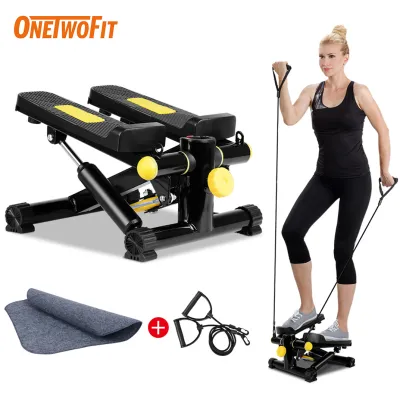
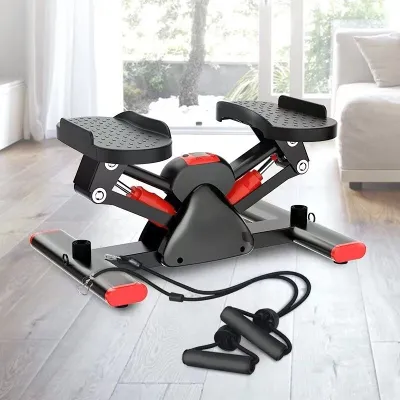
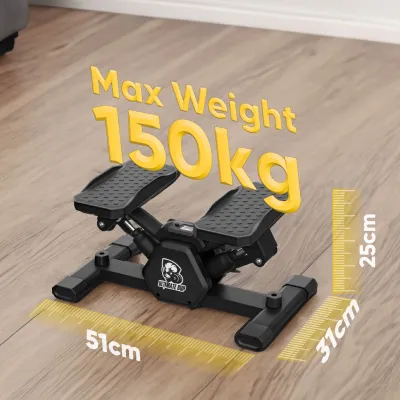
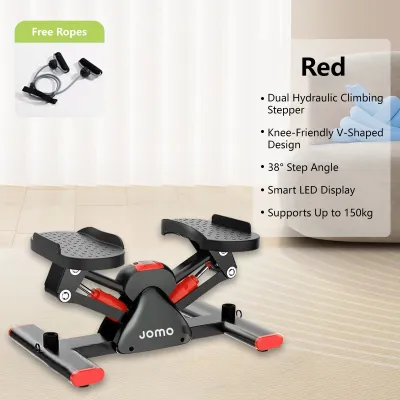
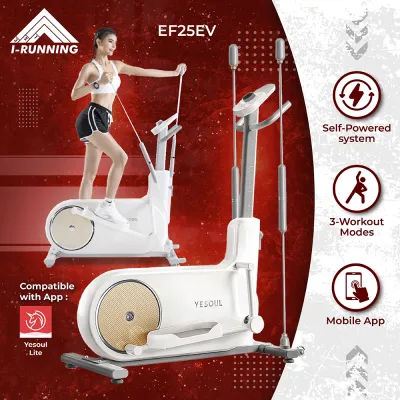
Prices are valid at publication and may change. Please refer to the product page for the latest price.
How to Measure Your Available Space Accurately
To find the ideal spot for a step machine in your HDB flat, you need to measure the physical boundaries of your intended workout zone. Begin by using a standard measuring tape to record the exact length, width, and ceiling height of the room or corner. Do not rely on floor plans alone, as built-in cabinetry, skirting boards, and structural pillars can reduce the actual usable floor area.

Next, account for the functional flow of the room. A step machine must not block primary walkways, emergency exit paths, or the swing radius of doors and wardrobe panels. Ensure there is a clear path around the machine so other household members can move safely while the equipment is in use.
The floor surface itself requires careful inspection. HDB floor tiles or vinyl planks must be level to prevent the machine from rocking during high-intensity workouts. You should plan to place a dedicated, non-slip equipment mat beneath the machine to distribute the weight, protect the flooring from scratches, and absorb vibrations. Additionally, verify the structural suitability of your floor; while standard HDB flats are designed to support typical household loads, heavy commercial-grade fitness equipment requires checking the manufacturer’s total weight specifications (including the user’s weight) against standard residential limits.
Static Footprint vs. Dynamic Clearance Needs
When shopping for a step machine, looking only at the product’s static dimensions is a common mistake. The static footprint is simply the physical measurement of the machine’s base when it is turned off and stationary. In contrast, the dynamic clearance is the actual volume of space required when the machine is in active use.
To calculate the dynamic envelope, you must add extra width and length to the static base. For example, your arms will swing outward if the machine features moving handlebars, and your body may lean slightly forward or backward during a strenuous workout. A safe guideline is to add at least 50 to 60 centimeters of clearance on all sides of the machine. This perimeter space is essential for mounting and dismounting safely, and it provides a crucial buffer zone in case you lose your balance and need to make an emergency stop.
Vertical clearance is another critical factor in HDB flats, where standard ceiling heights typically range from 2.6 to 2.8 meters. To avoid colliding with the ceiling or a ceiling fan, you must use a simple formula: add your personal height to the maximum pedal height of the step machine at its highest point of elevation, then add an extra 15 to 20 centimeters of safety clearance. If this total exceeds your room’s ceiling height, you will need to select a lower-profile machine or choose a different location in your home.
Space-Saving Features to Evaluate for Small Flats
If your HDB flat has limited floor space, you should evaluate specific design features that make cardio equipment easier to manage. Many modern step machines offer space-saving configurations, but these features must be balanced against structural integrity.
Folding mechanisms are highly popular for small apartments, allowing you to fold the console or frame downward when the workout is complete. When evaluating a folding step machine, pay close attention to the locking pins and hinge design. A folding joint can introduce a point of flex, so it is vital to verify that the machine’s maximum weight capacity and overall stability are not compromised when the unit is fully deployed.
Transport wheels and upright storage options are also valuable. Look for models equipped with heavy-duty caster wheels that allow you to roll the machine into a closet or against a wall after use. If a machine is designed for upright storage, ensure that the vertical height of the folded unit fits comfortably under your ceiling or within your storage cupboard, and check that the base is stable enough to prevent tipping.
Finally, be cautious with ultra-compact designs. While a mini-stepper or a highly condensed step machine saves space, it may feature shorter pedal paths or lower weight limits. Ensure that the compact dimensions do not restrict your natural stride length or exceed the manufacturer’s specified user weight limit, as an improperly sized machine can lead to joint strain or premature wear on the equipment.
Common Placement and Measurement Mistakes to Avoid
Setting up a home gym in a multi-purpose HDB living room or study requires careful planning to avoid long-term frustration. One frequent mistake is ignoring ventilation and indoor climate control. High-intensity cardio workouts generate significant body heat and sweat; placing your step machine in a stagnant corner far from windows, air conditioning vents, or standing fans can make your exercise sessions highly uncomfortable. Conversely, avoid placing the machine directly beneath an air conditioner unit where condensation leaks could damage the electronic console.
Another common error is positioning the step machine too close to walls or glass sliding doors. Without adequate rear and side clearance, you risk scraping your knuckles against the wall or damaging your home’s paintwork during a workout. Furthermore, a machine placed flush against a wall restricts your natural movement and makes it difficult to perform routine maintenance, such as lubricating the rails or tightening loose bolts.
Lastly, do not overlook the visual and psychological impact of large fitness equipment. A bulky, dark-colored step machine placed in the middle of a small living room can create significant visual clutter, making the space feel cramped and stressful. To maintain a harmonious home environment, consider how the machine integrates with your existing decor, or opt for a model that can be easily concealed or rolled away when guests visit.
Frequently Asked Questions (FAQ)
Can I keep a step machine in my HDB bedroom?
Yes, you can place a step machine in an HDB bedroom, provided you verify the room’s dimensions against the machine’s dynamic clearance requirements. Bedrooms often have less free space due to queen- or king-sized beds and wardrobes, so you must ensure the machine does not block access to these items. Noise is another critical factor; the mechanical hum of the pedals or the impact of your steps can transfer through the floor to the bedroom below. To maintain good relations with your neighbors, place a thick rubber equipment mat under the machine to dampen vibrations, and schedule your workouts during reasonable hours. Additionally, ensure the bedroom has adequate ventilation, such as an open window or an active fan, to prevent the room from becoming overly humid during exercise.
Do folding step machines sacrifice stability?
Folding step machines do not inherently sacrifice stability, but their performance depends heavily on build quality and design. Cheaper folding models may use thin steel frames and loose-fitting locking pins, which can cause the machine to wobble or creak during use. To ensure a safe workout, always check the manufacturer’s maximum user weight rating and look for models that feature robust locking mechanisms and wide stabilizer feet. Reading verified user reviews can also provide insight into how stable a specific folding model remains over long-term use. If possible, perform a physical stability test on a display model before purchasing to ensure the frame feels rigid and secure under your body weight.
Community discussion
Share your experience or ask a question. Comments are reviewed before publication.