
Choosing the right yoga block is a foundational decision for your practice, directly affecting your alignment, joint safety, and balance. In Singapore, where yoga studios range from air-conditioned commercial spaces to humid, open-air shophouse venues, selecting a block that can withstand both intense sweat and heavy weight-bearing poses is essential. Cork blocks have emerged as a preferred choice for practitioners seeking stability and natural materials.
To determine which cork yoga block brand is worth your investment, you must look beyond aesthetic appeal and evaluate specific manufacturing standards. High-quality brands prioritize sustainable harvesting, dense composite structures, and ergonomic edge profiling. This guide breaks down the essential criteria for evaluating cork blocks in the local market, helping you identify a reliable option that aligns with your specific practice needs and environmental conditions.
Is a Cork Yoga Block Right for Your Practice?
Before committing to a specific brand, it is crucial to determine if cork is the most suitable material for your body and style of yoga. Yoga blocks are generally available in three primary materials: EVA foam, wood, and natural cork. Each material serves a distinct purpose, and understanding their physical properties will help you decide if cork matches your practice goals.
Products mentioned in this guide
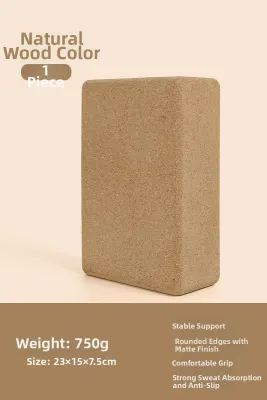
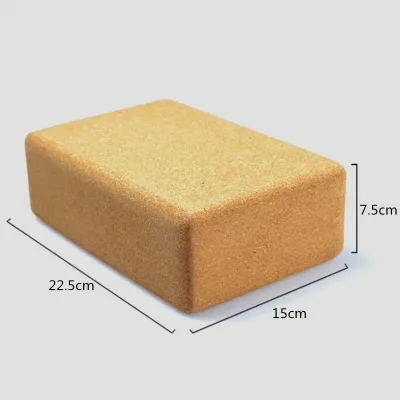
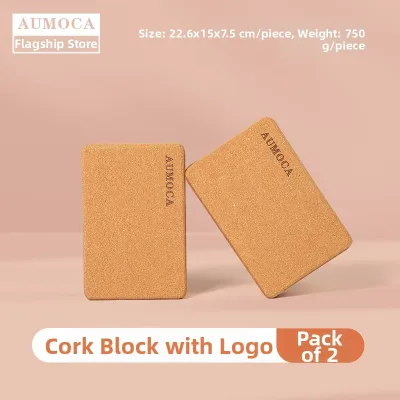
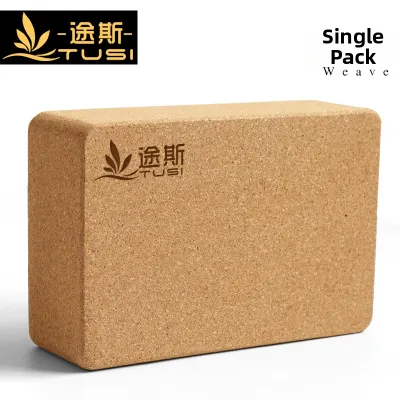

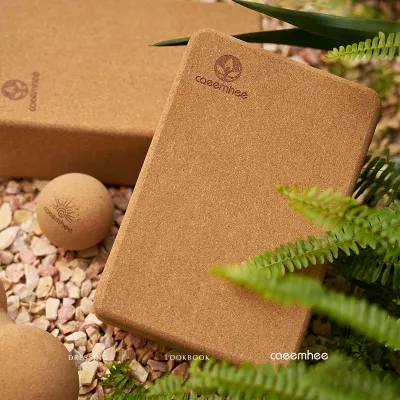
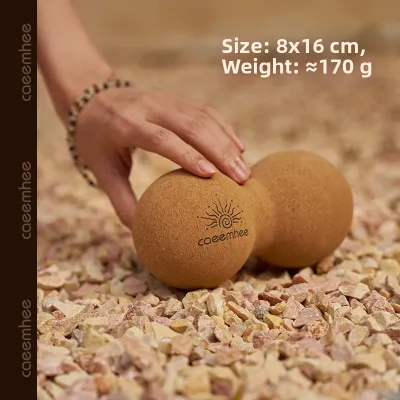
Prices are valid at publication and may change. Please refer to the product page for the latest price.
EVA foam blocks are lightweight, soft, and highly portable, making them popular for beginners or practitioners who frequently travel. However, foam blocks tend to compress under significant pressure. If you are practicing advanced weight-bearing postures or require firm support for alignment, foam can wobble or give way, placing unnecessary strain on your wrists and ankles. Wood blocks, on the other on the other hand, offer absolute stability and durability, but their extreme hardness can be highly uncomfortable against bony areas of the body, and they can easily slide on slick studio floors.
Natural cork strikes a functional balance between these two extremes. It provides a solid, non-yielding surface that delivers the reliable structural support of wood, yet it retains a slight natural yield that is gentler on the joints. The high density of cork ensures that when you place your full weight on the block—such as in handstands, arm balances, or deep lunges—the block remains completely stable without warping or tipping.
Another major advantage of cork is its performance under wet conditions. Singapore’s tropical climate and the popularity of hot yoga mean that sweat is a constant factor during practice. Unlike foam blocks, which can become slippery when wet, or wood blocks, which do not absorb moisture, cork contains a natural substance called suberin. This waxy constituent prevents water absorption while simultaneously increasing surface traction when exposed to moisture. The sweatier your hands get, the more secure your grip becomes on a raw cork surface.
However, cork blocks do have specific limitations that you must consider. They are significantly heavier than foam alternatives, typically weighing between 400 grams and one kilogram. If you commute via the MRT or walk long distances to your studio, carrying two heavy cork blocks in your bag adds noticeable bulk and weight. Additionally, because cork is a firm material, placing your spine, sacrum, or knees directly onto it during long-held restorative or Yin yoga poses can cause discomfort. In these scenarios, you may need to drape a cotton yoga towel or blanket over the block to soften the contact point.
Key Dimensions to Compare Across Yoga Cork Brands
When evaluating different yoga cork block brands available in Singapore, relying on generic marketing claims can lead to a disappointing purchase. Instead, focus on objective, verifiable design specifications. Comparing blocks across three critical dimensions—density, edge profiling, and surface texture—will ensure you select a durable, high-performing product.

Density, Weight, and Stability
The primary function of a yoga block is to act as an extension of the floor, bringing the ground closer to you to maintain proper alignment. The stability of a cork block is directly tied to its density. High-density blocks are manufactured by tightly compressing premium cork granules under heat and pressure, resulting in a solid, heavy block that does not flake or deform.
When comparing brands, always check the manufacturer’s specifications for the exact weight of the block. A standard-sized block (typically measuring 9 x 6 x 3 inches or 23 x 15 x 10 centimeters) should ideally weigh at least 700 to 900 grams if it is made of high-density cork. Lightweight cork blocks, often weighing under 500 grams, typically use larger, less compressed cork granules or a higher ratio of lightweight binding agents. These low-density blocks are more prone to crumbling at the corners and may wobble when you transition your weight during standing balance poses like Half Moon (Ardha Chandrasana).
For practitioners with larger frames or those working on advanced arm balances, prioritizing maximum density is essential for safety. A heavier, denser block provides a lower center of gravity, reducing the risk of the block tipping sideways when lateral pressure is applied. Conversely, if portability is your main concern and you only require minor height adjustments, a slightly lighter, medium-density block may suffice, provided the structural integrity remains uncompromised.
Edge Profiling and Hand Comfort
The shape of a block’s edges significantly impacts how comfortable it is to use during long sequences. Standard cork blocks are cut into rectangular prisms, but the treatment of the edges varies widely between budget and premium brands.
Cheaply manufactured cork blocks often feature sharp, square edges. While these may look clean, they can cause severe discomfort during practice. When you rest your palms on a square-edged block during Downward-Facing Dog or use it to support your sacrum in Supported Bridge Pose, the sharp edges concentrate pressure onto a narrow line of your skin and muscle. This can restrict blood flow and cause localized pain or bruising.
To prevent wrist and hand strain, look for brands that feature prominent beveled or rounded edges. Beveled edges distribute your body weight more evenly across the surface of your hand, reducing pressure points on the carpal tunnel and wrists. Some specialized brands even offer ergonomic contouring, where the sides of the block are slightly curved or indented to fit the natural arch of your hand. This design enhances your grip security when lifting the block or using it to squeeze between your thighs to activate the adductor muscles.
Surface Texture and Moisture Grip
The texture of a cork block determines how well it performs when your hands are dry versus when they are damp with sweat. High-quality cork has a fine, smooth grain that feels soft to the touch but provides excellent traction.
When researching brands, pay close attention to the surface finish. Some manufacturers apply heavy synthetic sealants, waxes, or varnishes to the exterior of the block to prevent dirt accumulation or to give the block a shiny appearance. However, these synthetic coatings form a barrier over the natural cork cells, neutralizing the slip-resistant properties of the suberin. A sealed block will feel slick and slippery the moment your hands start to sweat, defeating one of the main reasons for choosing cork. Opt for brands that specify an unfinished, raw, or natural fine-sanded surface.
Another common issue with lower-quality cork blocks is surface shedding or dusting. If the binding agents used to hold the cork granules together are of poor quality or have degraded due to improper storage, the block will slowly shed tiny cork particles during use. This not only creates a mess on your yoga mat but also indicates that the block is structurally deteriorating. Before purchasing, check customer reviews for any mentions of shedding. If you are buying in a physical store, rub your thumb firmly across the surface and corners of the display block; if any residue or granules flake off easily, the binding quality is insufficient.
Navigating Purchase Channels and Verifying Authenticity in Singapore
Finding a genuine, high-quality cork yoga block in Singapore requires careful selection of your purchase channels. Because cork is a natural material that can degrade if exposed to improper storage conditions, where you buy your equipment is just as important as the brand you choose.
To ensure you are purchasing an authentic product backed by a reliable return policy, prioritize authorized specialty yoga studios, established local sports retailers, and the official online stores of reputable brands. Many premium yoga studios in Singapore stock high-quality blocks in their retail corners, allowing you to physically inspect the weight, edge beveling, and texture before buying. Established multi-brand sports stores also offer a reliable selection of verified wellness brands, ensuring that the products have been imported through official distributors.
In contrast, buying from unverified third-party sellers on general e-commerce platforms or online marketplaces carries significant risks. Because cork blocks look highly similar in digital product listings, counterfeiters or low-grade manufacturers often copy the branding of premium companies. These cheap imitations frequently use low-density industrial cork scrap held together by toxic chemical adhesives that emit strong, unpleasant chemical odors. Furthermore, blocks stored in unconditioned, humid warehouses in tropical climates can develop deep-seated mold or dry rot before they ever reach your doorstep.
When your cork block is delivered, perform a thorough physical inspection immediately before discarding the packaging. First, check the external box and the block itself for any signs of impact damage. Natural cork is relatively brittle; if a block is dropped or subjected to heavy pressure during shipping, it can develop hairline fractures or chipped corners. Run your fingers along all twelve edges to ensure there are no deep cracks or loose chunks of cork.
Second, verify the retailer’s return and exchange policy. Because yoga blocks are personal wellness items that come into direct contact with skin and sweat, many retailers have strict hygiene policies regarding returns. Ensure that the seller allows returns or exchanges for manufacturing defects, such as excessive shedding, structural cracking, or intense chemical odors, provided the product is inspected immediately upon arrival.
Essential Care and Maintenance for Natural Cork
Natural cork is a durable and hygienic material due to its antimicrobial properties, which naturally resist the growth of bacteria, mold, and mildew. However, because it is an organic substance, it requires proper care and maintenance to preserve its structural integrity and grip performance over years of use.
First, check the manufacturer’s care label and instructions before applying any cleaning agents to your block. For routine maintenance, the safest and most effective cleaning method is to wipe the surface down with a soft, slightly damp microfiber cloth after each practice session. If the block has accumulated dirt or sweat stains, you can use a highly diluted solution of mild, organic dish soap and warm water. Moisten the cloth with the solution, wring out all excess water so the cloth is barely damp, and gently wipe the block.
Never use harsh chemical cleaners, bleach, alcohol-based sanitizing sprays, or essential oil mixtures directly on cork. These substances can dissolve the natural binding resins that hold the cork granules together, leading to rapid crumbling and structural failure. Additionally, never submerge a cork block in water or place it under running tap water. Cork is highly porous; if it absorbs excessive water, the interior will take a long time to dry, which can weaken the internal adhesive bond and promote internal mold growth.
Proper drying and storage are critical, especially in Singapore’s highly humid climate. After wiping down your block, place it in a well-ventilated indoor area to air-dry completely before storing it away. Avoid leaving your cork blocks in enclosed, damp spaces like a zipped gym bag or a dark closet immediately after a sweaty practice.
Furthermore, keep your blocks away from prolonged direct sunlight. While a brief period of indirect sunlight can help sanitize the block, leaving it on a sunny balcony or next to a hot window can dry out the natural moisture within the cork cells. This causes the cork to become extremely brittle, leading to surface cracking and premature aging. Store your blocks in a cool, dry place away from direct heat sources.
Over years of regular use, it is normal for a natural cork block to show some signs of wear, such as slight darkening from body oils or minor surface smoothing. However, you should monitor the block for safety-related degradation. If the corners begin to crumble extensively, or if you notice deep, structural cracks running through the center of the block, its load-bearing capacity may be compromised. To prevent sudden collapse or slipping during a challenging pose, replace the block once its structural integrity is no longer secure.
Frequently Asked Questions (FAQ)
Can I use a cork yoga block for restorative yoga?
Yes, you can use a cork block for restorative yoga, but you may need to modify how you use it to ensure comfort. Because cork is a dense, firm material, resting your bare spine, head, or sacrum directly on it for extended periods can cause discomfort or pressure points. To cushion these sensitive areas while still benefiting from the block’s rock-solid height and stability, simply drape a folded cotton yoga blanket or a thick towel over the block before resting your body on it.
How do I know if a cork block is sustainably sourced?
To verify if a cork block is sustainably sourced, look for recognized global forestry certifications, such as the Forest Stewardship Council (FSC) logo, on the product packaging or the brand’s official website. Genuine cork is naturally sustainable because it is harvested by carefully peeling the outer bark of the cork oak tree (Quercus suber) without cutting down the tree itself, allowing the bark to regenerate over several years. However, verifying certifications ensures that the brand’s specific supply chain adheres to strict environmental, social, and economic standards.
Community discussion
Share your experience or ask a question. Comments are reviewed before publication.