
Finding a reliable yoga strap in Singapore involves navigating a diverse market of fitness gear, wellness boutiques, and online retailers. A high-quality yoga strap serves as an extension of your limbs, helping you maintain proper alignment, deepen stretches safely, and hold challenging poses without straining your muscles. In Singapore’s warm and humid climate, selecting the right strap requires careful consideration of material breathability, grip stability under sweaty conditions, and hardware resistance to moisture. By understanding the key differences in materials, dimensions, and buckle designs, you can confidently choose a strap that supports your practice and withstands daily use.
Key Specifications to Compare Across Yoga Strap Brands
When comparing different yoga strap brands, the material of the strap is the most critical factor influencing your grip, comfort, and maintenance routine. Cotton is the most popular choice among local practitioners. It offers a soft, natural texture that feels comfortable against bare skin, which is crucial when practicing in Singapore’s warm weather. Cotton straps provide an excellent, non-slip grip even when your hands are damp from a vigorous Vinyasa flow. However, because cotton absorbs sweat, these straps require regular washing to prevent odor and bacteria buildup.
Nylon and polyester straps, on the other hand, are incredibly durable and highly resistant to moisture. They are easy to wipe clean after a hot yoga session, making them a low-maintenance option for busy practitioners. The trade-off is that synthetic fibers can feel slick when wet, potentially sliding through your hands during intense stretches. They can also cause friction burns if they slip quickly against your skin under tension. Hemp blends represent a premium, eco-friendly alternative. Hemp fibers are naturally antimicrobial and highly resistant to mold, which is a significant advantage in humid environments. While hemp straps can feel somewhat stiff initially, they soften beautifully with each wash while retaining their structural integrity.
Products mentioned in this guide
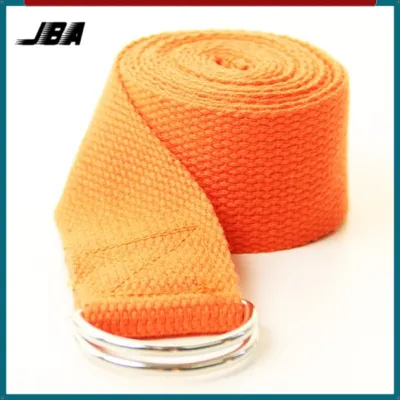
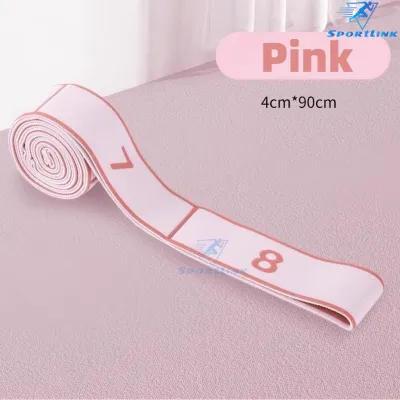
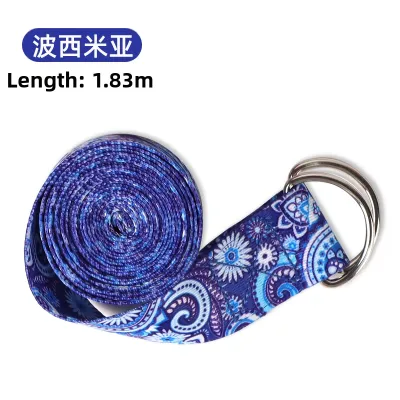
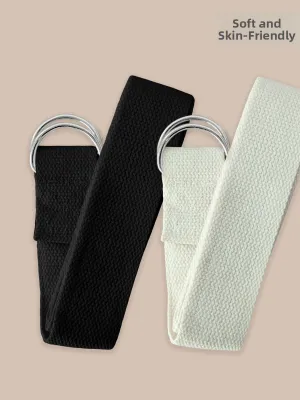
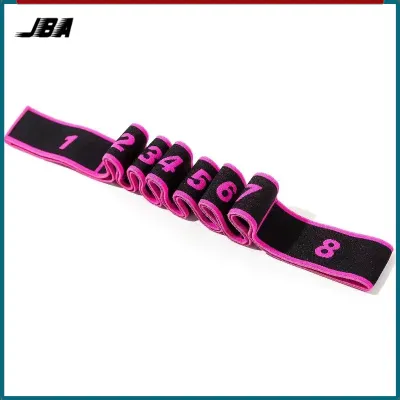
![[SG Seller]Multi-Loop Stretching Strap Fitness Resistance Band Pilates & Dance Strap Numbered Stretching Strap for Flexibility Training](https://img.lazcdn.com/g/p/7d8838dbed2f931717a1e7297f0d25ec.jpg_400x400q80.jpg_.webp)
Prices are valid at publication and may change. Please refer to the product page for the latest price.
Strap dimensions are another essential specification to compare. Yoga straps typically come in lengths of 1.8 meters, 2.4 meters, and 3 meters. A 1.8-meter strap is generally sufficient for shorter practitioners or for basic hamstring stretches where only a small extension is needed. For most individuals, a 2.4-meter strap is the most versatile and highly recommended option, providing ample length for wrapping around the feet, binding behind the back, and creating loops. Taller individuals or those practicing advanced restorative sequences that require wrapping the strap around the entire torso and legs should opt for a 3-meter strap. The standard width is 3.8 centimeters, which fits comfortably in the palm of most hands, though some brands offer 5-centimeter widths for better pressure distribution during long, passive holds.
The buckle mechanism determines how easily you can adjust the strap and how securely it holds under tension. Metal D-ring buckles are the industry standard for durability and reliability. They consist of two D-shaped metal rings that you thread the strap through; once threaded, the tension of your stretch locks the strap firmly in place, allowing for infinite micro-adjustments without any risk of slippage. The only minor drawback is that metal rings can make a loud clanking sound if dropped on a hard studio floor. Plastic quick-release buckles offer convenience and speed, allowing you to clip the strap around your limbs instantly, but they are prone to cracking over time and may slip under heavy tension. Metal cinch buckles offer a flat profile that lies comfortably against the body, though they can be slightly more cumbersome to adjust mid-pose.
Aligning Strap Features With Your Yoga Practice
For those new to yoga, a strap acts as a supportive bridge, helping you access poses that your current flexibility level might otherwise prevent you from reaching safely. Beginners often struggle with tight hamstrings and shoulders, making a soft, high-grip cotton strap an essential tool. A 2.4-meter cotton strap with a metal D-ring is the ideal starting point. The cotton material provides a secure hold for shaky hands, while the D-ring allows you to easily create a loop of any size to support your feet in seated forward bends. This setup offers the necessary physical feedback to help you understand proper alignment without forcing your body into uncomfortable positions.

As your practice progresses, you will use the strap not just for reaching your feet, but for stabilizing your body in complex binds and inversions. For instance, placing a looped strap just above your elbows in a forearm stand prevents them from splaying outward, ensuring a stable base. For these demanding applications, you need a strap with exceptional tensile strength and zero stretch. Look for brands that use heavy-duty, double-layered cotton or reinforced hemp weaves. The buckle must be a robust metal D-ring that will not slip even a millimeter when your full body weight is pressing against it. A longer strap of 2.4 to 3 meters is also beneficial here, giving you plenty of slack to work with when wrapping your limbs in advanced backbends.
In restorative and Yin yoga, the goal is deep relaxation and passive release, where straps are used to hold the body in supportive shapes for five to ten minutes at a time. In these practices, comfort is the absolute priority, as a stiff, narrow strap can quickly become painful as it presses into your skin over several minutes. For restorative sessions, choose a wide, 5-centimeter strap made from organic cotton or a soft bamboo blend. Ensure the buckle is positioned far away from your body, or choose a strap with a flat cinch buckle that won’t press uncomfortably into your back or thighs. The material should feel gentle and warm against the skin, helping to facilitate a state of deep rest.
Reliable Retail Channels for Yoga Straps in Singapore
Singapore is home to numerous boutique yoga studios and wellness spaces, many of which feature retail corners stocking curated selections of high-quality yoga gear. Visiting these physical locations is highly recommended if you want to assess the tactile quality of a strap before purchasing. You can feel the weight of the cotton, test the smoothness of the metal buckles, and check the stiffness of the weave. Studio staff are often experienced practitioners who can offer personalized advice based on the style of yoga you practice.
For guaranteed authenticity and access to full product warranties, purchasing directly from official brand websites or their authorized local distributors is the safest route. Many reputable global yoga brands have dedicated online storefronts for the Singapore market, offering local delivery and customer support. Buying from official channels ensures you receive a genuine product made from high-grade materials, free from toxic dyes or weak stitching. It also simplifies the process if you need to make a warranty claim for a defective buckle or premature fraying.
If you prefer the convenience of major online marketplaces, it is crucial to verify the seller’s credentials to avoid low-quality counterfeits. Look for stores that carry official brand badges or authorized retailer designations, which indicate a direct partnership with the manufacturer. Always check the seller’s overall rating and read through the customer reviews. Pay close attention to reviews that mention the packaging, the clarity of the brand logo, and the actual feel of the material. If a deal seems too cheap—such as a premium brand strap sold at a fraction of its standard retail price—it is highly likely to be a counterfeit made from cheap, slippery synthetic fibers with weak plastic buckles.
How to Assess Brand Quality and Durability Before Buying
When evaluating a yoga strap, the quality of the construction is just as important as the brand name. Start by closely examining the stitching, particularly around the buckle area where the strap experiences the most tension. High-quality brands use a reinforced box-X stitch pattern—a square with an intersecting “X” inside—to secure the buckle. This pattern distributes the load evenly across the fabric, preventing the threads from snapping under pressure. Check the edges of the strap; they should be tightly woven and finished with a clean hem or heat-seal to prevent fraying over time. The metal D-rings should have a smooth, seamless finish with no sharp edges or rough joints that could snag the fabric or scratch your hands during use.
A brand’s confidence in its product is often reflected in its warranty and return policies. Reliable brands typically offer a limited warranty against manufacturing defects, covering issues like broken buckles or unravelling stitching within a specific period, such as six months to a year. Before purchasing, review the return policy of the retailer or distributor. A flexible return policy allows you to inspect the strap at home, test the buckle’s grip, and return it if you notice any defects or if the material does not meet your expectations.
Online reviews are a goldmine of information regarding a strap’s long-term performance. When reading reviews, look past the initial impressions and search for feedback from users who have owned the strap for several months. Look for specific mentions of buckle slippage; if multiple users report that the strap slowly slides through the D-rings during deep stretches, it indicates a design flaw or a material that is too slick. Also, check for comments on how the strap holds up after washing. High-quality cotton straps should maintain their shape and grip, whereas low-quality options may shrink excessively, lose their color, or become rough and abrasive.
Frequently Asked Questions (FAQ)
How do I clean and maintain my yoga strap?
Proper maintenance is key to extending the lifespan of your yoga strap, especially in Singapore’s humid climate where sweat and moisture can lead to mold. Cotton and hemp straps can be hand-washed or machine-washed. If using a washing machine, always place the strap inside a mesh laundry bag to prevent the metal buckles from clanking against the drum and causing damage. Use cold water, a gentle cycle, and a mild detergent. Avoid fabric softeners, as they can leave a coating on the fibers that reduces grip. After washing, stretch the strap out and air-dry it flat or hang it in a well-ventilated indoor area away from direct, intense sunlight, which can cause the colors to fade and the fibers to shrink. Do not put cotton or hemp straps in a tumble dryer. For nylon or polyester straps, a simple wipe-down with a damp cloth and mild soapy water is usually sufficient. Always ensure the metal buckles are thoroughly dried with a towel to prevent rust or corrosion over time.
Can I use a yoga strap for strength training or resistance exercises?
No, you should not use a yoga strap for strength training or dynamic resistance exercises. Yoga straps are static props designed solely for alignment, stretching, and passive support; they do not possess elastic properties and are not built to absorb dynamic, high-velocity forces. Attempting to use a yoga strap for resistance exercises, suspension training, or bodyweight pulling can place extreme stress on the stitching and buckle. Because the material does not stretch, any sudden movement can cause the buckle to slip, the fabric to tear, or the stitching to snap instantly. This sudden failure can lead to a loss of balance, falls, and serious muscle strains or joint injuries. For strength training, always use dedicated equipment such as elastic resistance bands or heavy-duty suspension trainers that are specifically designed, tested, and certified to handle dynamic loads safely.
Community discussion
Share your experience or ask a question. Comments are reviewed before publication.