
Finding a trusted yoga block brand in Singapore requires looking beyond aesthetic appeal to evaluate material density, manufacturing safety, and structural integrity. For practitioners navigating Singapore’s humid tropical climate, a reliable yoga block is not merely a passive prop; it is a critical tool for safety, alignment, and joint protection. Trusted brands are defined by their commitment to high-density construction, ergonomic edge finishing, and non-toxic materials that can withstand daily use without degrading or slipping.
Whether you are practicing restorative poses in an air-conditioned studio in the Central Business District or engaging in a sweaty Vinyasa flow at home, the stability of your block directly impacts your alignment and safety. Investing in a reputable brand ensures that your block will support your body weight consistently, preventing sudden slips or compression that could strain your wrists, shoulders, or lower back.
What Makes a Yoga Block Brand Trustworthy?
Evaluating a yoga block brand requires understanding the technical specifications that separate professional-grade props from cheap, mass-produced alternatives. The most critical indicator of a block’s quality is its material density. High-density blocks provide the necessary structural resistance to support your body weight during challenging inversions or balancing poses. If a block is too soft, it will compress under pressure, destabilizing your foundation and placing excessive shear force on your wrist joints.
Products mentioned in this guide
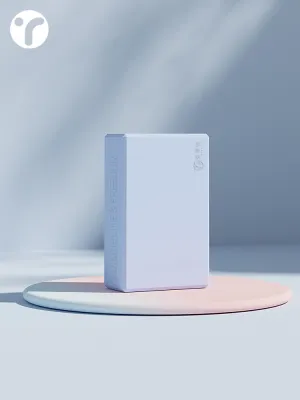
![[✅Sg Ready Stock] Yoga Block Brick RectangularHigh Density 200gram](https://img.lazcdn.com/g/p/c37c451a612d50ff7a0349e72a1d8116.jpg_400x400q80.jpg_.webp)
![[SG STOCK] Yoga Block Brick Rectangular Eva High Density 120 gram](https://img.lazcdn.com/g/p/15ec430f3b7931dd5cfe164aa0ece65a.jpg_400x400q80.jpg_.webp)
Prices are valid at publication and may change. Please refer to the product page for the latest price.
Conversely, a quality brand designs blocks with a specific balance of firmness and give. For weight-bearing support, such as in Half Moon Pose (Ardha Chandrasana), a firm, non-yielding surface is essential. For restorative practices where the block supports the sacrum or spine, a slight degree of surface cushioning is preferred to prevent bruising and discomfort. Reputable brands clearly communicate these density differences, helping you select the correct tool for your specific practice style.
Edge finishing and beveling are additional hallmarks of superior craftsmanship. Standard rectangular blocks with sharp, 90-degree edges can dig painfully into the palms, fingers, or back. Trusted brands employ precise chamfering or beveling, rounding the edges at a consistent angle. This ergonomic design distributes pressure evenly across your hands, allowing for a secure, comfortable grip and reducing hand fatigue during extended holds.
Brand transparency regarding material purity is another non-negotiable factor for discerning practitioners. Because yoga involves close skin contact and deep breathing, blocks must be free from harmful chemical additives. Low-quality foam blocks often emit strong chemical odors, indicating the off-gassing of volatile organic compounds (VOCs), phthalates, formamide, or heavy metals. Trustworthy brands subject their products to independent laboratory testing and proudly display certifications such as OEKO-TEX, REACH, or RoHS on their packaging and websites.
Finally, long-term brand trust is built on consistent quality control and reliable customer support. Premium brands maintain strict manufacturing tolerances, ensuring that every block is perfectly level and free from surface warping. Furthermore, they offer clear warranty policies against manufacturing defects, demonstrating confidence in their product’s durability under regular use.
Matching Block Materials to Your Yoga Style
Different yoga styles place unique demands on your equipment. Understanding how different materials perform allows you to align your purchase with your specific practice needs.

EVA Foam
High-density EVA (Ethylene-Vinyl Acetate) foam is the industry standard for lightweight, versatile support. This synthetic material is highly valued for its closed-cell structure, which prevents sweat and moisture from absorbing into the block. This moisture resistance is particularly beneficial in Singapore’s humid climate, as it prevents the buildup of bacteria and unpleasant odors.
EVA foam blocks are exceptionally lightweight, making them the ideal choice for practitioners who regularly commute to local studios. They offer a comfortable level of cushioning, making them highly suited for restorative yoga, Yin yoga, and beginners who require gentle joint protection under the knees, hips, or spine. When choosing a foam block, always verify that the brand specifies “high-density” or “heavyweight” EVA to ensure it will not compress completely under your body weight.
Cork
Cork blocks are favored by intermediate and advanced practitioners for their natural firmness, weight, and superior grip. Derived from the bark of the cork oak tree (Quercus suber), cork contains a natural waxy substance called suberin. This compound makes the block naturally slip-resistant; in fact, the grip of a cork block often improves as it absorbs slight amounts of moisture, making it highly effective for sweaty, dynamic practices like Vinyasa, Ashtanga, or Hot Yoga.
In addition to their functional benefits, cork blocks are naturally antimicrobial and hypoallergenic, resisting the growth of mold and mildew. Because they are heavier than foam blocks, they provide a highly stable, grounded foundation that will not tip over during deep lunges or balance transitions. When searching for a trusted cork block, look for brands that explicitly state their cork is sustainably harvested or certified by the Forest Stewardship Council (FSC).
Wood and Bamboo
Wood and bamboo blocks represent the ultimate in durability, rigidity, and aesthetic appeal. Historically used in traditional Iyengar yoga, these blocks offer zero compression, providing absolute structural stability for advanced practitioners working on complex arm balances, deep backbends, or precise alignment adjustments.
While wood and bamboo blocks are virtually indestructible and can last a lifetime, they are significantly heavier than foam or cork, making them less practical for travel. They also offer no cushioning whatsoever, which can feel uncomfortably hard against bony areas like the spine, sacrum, or knees. If you choose a wood or bamboo block, ensure the surface is meticulously sanded and finished with a non-slip, non-toxic glaze to prevent splinters and sliding.
Reliable Brand Categories to Look for in Singapore
Navigating the local retail landscape is easier when you understand the different brand tiers available in Singapore. Each tier caters to different budgets, practice frequencies, and performance expectations.
Professional and Studio-Grade Brands
Professional-grade brands are the gold standard for dedicated practitioners and local yoga studios. These international brands have built their reputations over decades by producing high-performance props designed for heavy daily use. They utilize proprietary, ultra-high-density foam formulations or premium, fine-grain cork that resists crumbling and flaking.
When purchasing a premium brand in Singapore, it is highly recommended to buy through official local distributors, flagship physical stores, or certified local yoga studios. Doing so ensures you receive an authentic product rather than a counterfeit, and grants you access to official customer service and local return policies if a defect is discovered.
Eco-Conscious and Sustainable Brands
For practitioners who view yoga as an extension of environmental mindfulness, eco-conscious brands prioritize sustainable sourcing and ethical manufacturing. These brands focus on using recycled EVA foam, natural tree rubber, or sustainably harvested cork. They actively minimize their carbon footprint and avoid the use of toxic chemicals and plastic packaging.
While sustainable blocks typically carry a price premium, they offer peace of mind regarding environmental impact and skin-contact safety. To ensure these eco-friendly claims are genuine, verify that the brand holds recognized third-party certifications, such as the Global Recycled Standard (GRS) or FSC certification, which are typically listed on the official product labeling.
Accessible Everyday Brands
Accessible everyday brands are widely available at major sporting goods chains, department stores, and lifestyle retailers across Singapore. These mid-tier and entry-level blocks are highly cost-effective, making them an excellent choice for beginners, casual practitioners, or those setting up a home studio on a budget.
While these blocks offer great value, buyers must exercise caution regarding material density. Many entry-level foam blocks are designed for general fitness rather than the specific weight-bearing demands of yoga. To avoid purchasing a block that is too soft, always check the product specifications for weight or density ratings, or test the block in person before purchasing.
Where to Buy and Verify Authenticity in Singapore
To guarantee that your yoga block is safe, durable, and authentic, you must be selective about where you shop. Purchasing directly from official brand websites, established physical sports retailers, or authorized local yoga studios is the safest way to ensure you are getting a genuine product.
Be highly cautious when browsing unverified third-party sellers on general e-commerce platforms or online marketplaces. These listings often feature counterfeit products that mimic the appearance of premium brands but use cheap, low-density, and potentially toxic foams. These imitation blocks often lack proper beveling, have uneven surfaces, and degrade rapidly under normal use, posing a safety risk during practice.
When purchasing online, always review the retailer’s return and exchange policies. This is particularly important for yoga blocks, as online descriptions cannot fully convey the physical firmness and hand-feel of the material. A flexible return policy allows you to inspect the block at home and exchange it if the density does not match your physical requirements.
Whenever possible, visit a physical retail store in Singapore to evaluate the blocks in person. This allows you to perform a hands-on inspection, assess the comfort of the beveled edges, and verify that the block is perfectly level and stable on a flat surface before making a financial commitment.
How to Test and Maintain Your Yoga Block
Once you have purchased your yoga block, performing a few simple quality checks and maintaining a consistent cleaning routine will ensure its longevity and performance.
To evaluate a foam block’s density upon purchase, perform the “press test.” Place the block on a flat surface and press your thumb firmly into the center of the block. A high-density, quality block will offer significant resistance, and any slight indentation should rebound almost instantly. If your thumb sinks easily into the material or leaves a permanent depression, the block lacks the density required for safe weight-bearing support.
Maintaining hygiene is crucial, especially in Singapore’s warm and humid environment. Always refer to the manufacturer’s care label and instructions before cleaning your block, as improper cleaning can permanently damage the material. For general maintenance, follow these material-specific guidelines:
- EVA Foam: Wipe down the surface after each practice with a soft cloth dampened with water and a drop of mild, non-chemical dish soap. Avoid harsh chemical sprays, bleach, or abrasive scrubs, which can break down the synthetic polymer structure and ruin the grip.
- Cork: Cork is naturally self-cleaning, but it still requires occasional maintenance. Wipe the block gently with a damp cloth. For deeper cleaning, use a highly diluted mixture of water and organic white vinegar. Avoid soaking cork blocks or using heavy soaps, which can clog the natural pores and cause the material to crumble.
- Wood and Bamboo: Wipe with a dry or very slightly damp microfiber cloth to remove dust and sweat. Never expose wood to excessive moisture, and avoid chemical cleaners that can strip the natural protective oils or varnish from the surface.
Proper storage is the final step in protecting your investment. In Singapore’s high relative humidity, storing damp blocks in closed, unventilated spaces can quickly lead to mold and mildew growth. Always allow your blocks to air-dry completely in a well-ventilated room before storing them. Keep them out of direct sunlight, as prolonged ultraviolet exposure will discolor and dry out EVA foam, crack natural wood, and cause cork to become brittle.
Frequently Asked Questions (FAQ)
Do I need one or two yoga blocks for my practice?
While a single yoga block is highly useful for basic height modifications and seated support, owning a matching pair of blocks is strongly recommended for a complete, versatile practice. Having two identical blocks allows for symmetrical support in poses like Camel Pose (Ustrasana) or Bridge Pose (Setu Bandha Sarvangasana). It also enables safe, balanced transitions in advanced movements, such as stepping through from Downward-Facing Dog or supporting the hands on both sides of the body during splits (Hanumanasana).
How do I know if my yoga block is too soft?
Your yoga block is too soft if it fails to provide a stable, unyielding foundation under pressure. Signs of an inadequate block include feeling your wrists sink or tilt during weight-bearing poses, experiencing wobbling or tipping when resting your hand on the block for balance, or noticing that the block compresses significantly when you rest your hips or back on it. A block that is too soft compromises your alignment and increases the risk of joint strain.
Can I use a yoga block for meditation or desk support?
Yes, firm yoga blocks—particularly those made of cork or wood—are excellent multi-purpose tools. In meditation, sitting on the edge of a block elevates your hips above your knees, which naturally tilts the pelvis forward, reduces strain on the lower back, and helps maintain a tall, aligned spine. At a desk, a firm block can serve as an ergonomic footrest to improve sitting posture, or as a stable riser to elevate a computer monitor to eye level, reducing neck strain.
Community discussion
Share your experience or ask a question. Comments are reviewed before publication.