
For competitive swimmers and fitness lap enthusiasts alike, a center-mount training snorkel is an indispensable tool for refining stroke mechanics, improving body alignment, and building aerobic capacity. By eliminating the lateral head rotation required to breathe, these devices allow you to focus entirely on your pull pattern, hip rotation, and kick symmetry. When looking to invest in premium swim gear, the choice often comes down to two dominant brands: Finis and Speedo.
Choosing between a finis snorkel and a Speedo model is not a matter of finding a single, universally superior product. Instead, the ideal option depends on your individual head shape, your specific training goals, and your preference for water-clearing mechanisms. Finis, widely recognized as the pioneer of the center-mount snorkel, is celebrated for its hydrodynamic tube profiles and minimalist brackets designed for technical drills. Speedo, on the other hand, focuses heavily on adjustable comfort, integrated forehead padding, and robust, familiar strap systems that integrate seamlessly with recreational and competitive swim gear.
To help you select the perfect training partner for your pool sessions, this comparison breaks down how both brands perform across key categories, including stability, comfort, water clearing, and long-term durability. By matching their design philosophies to your personal swimming routine, you can make an informed decision that enhances your time in the water.
Products mentioned in this guide
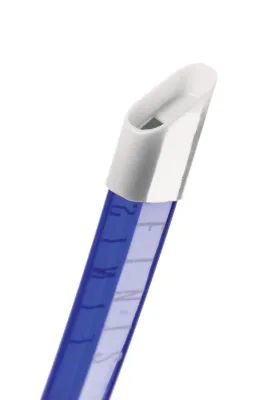
Prices are valid at publication and may change. Please refer to the product page for the latest price.
Hydrodynamic Design and Stability: How the Finis Snorkel and Speedo Models Compare
The primary benefit of a center-mount training snorkel is its ability to help you maintain a neutral spine and proper body alignment. Because the tube rises directly over your nose and forehead, it cuts through the water along your body’s central axis. However, the physical forces acting on the snorkel change dramatically as you increase your speed, execute flip turns, or push off the wall in a tight streamline. If a snorkel lacks stability, the tube will wobble or drag, disrupting your focus and forcing you to adjust your head position.
Finis has spent decades refining the hydrodynamics of its signature swim gear. Many Finis models feature a highly streamlined, elliptical or teardrop-shaped tube profile. This curved design is engineered to sit closer to the face, reducing frontal drag and minimizing the water resistance you experience during fast sprint sets. By keeping the tube tight against your forehead, a finis snorkel minimizes lateral movement, making it highly stable during aggressive flip turns and explosive underwater dolphin kicks.
Speedo takes a slightly different approach, often utilizing a rounder, wider tube diameter. While a wider tube can increase frontal drag slightly at high speeds, it offers the distinct advantage of easier, less restricted airflow. This makes Speedo models highly appealing for long, steady-state aerobic conditioning sets where consistent oxygen intake is your primary focus. To combat the potential for wobbling caused by a wider profile, Speedo equips its snorkels with robust, rigid mounting brackets that anchor firmly against the forehead, providing a highly secure feel.
When deciding between these design philosophies, it is important to check the specific model’s tube profile rather than assuming all products from a brand perform identically. Elite competitive swimmers who prioritize high-speed technical drills and minimal drag will likely appreciate the curved, low-profile engineering of Finis. Conversely, fitness swimmers focusing on aerobic endurance and straightforward breathing comfort may find the stable, high-airflow design of Speedo more suited to their pace.
Comfort and Fit: Straps, Padding, and Mouthpieces
A training snorkel is only as good as its comfort. If a bracket pinches your forehead or a mouthpiece causes your jaw to ache, you are unlikely to use the gear for the duration of a demanding 3,000-meter training set. Evaluating how each brand handles head straps, padding, and mouthpiece ergonomics is crucial for long-term satisfaction.

Head Strap and Padding Systems
The mounting bracket and strap system are responsible for holding the snorkel in place without causing tension headaches. Finis snorkels traditionally feature simple, adjustable silicone split-straps paired with lightweight plastic brackets. In their premium lines, Finis has introduced bracketless designs that utilize a soft, integrated forehead cushion resting directly against the skin, supported by a highly adjustable tension strap. This minimalist approach reduces weight and eliminates hard plastic pressure points entirely.
Speedo focuses on plush, integrated comfort by incorporating thick padding into their forehead brackets. Many Speedo models use soft thermoplastic rubber or textured silicone pads designed to cushion the impact of the bracket against your forehead. This padding helps distribute pressure evenly across a wider surface area, reducing the risk of red marks and slipping. The strap adjustment mechanisms on Speedo models are often highly intuitive, featuring quick-adjust buttons or clips that allow you to fine-tune the tension while wearing your swim cap.
Regardless of the brand you choose, the key to comfort is achieving a secure fit that does not require over-tightening. Over-tightening the strap to compensate for a poor bracket fit is a common mistake that leads to localized pain and headaches. Swimmers should look for a strap material, such as high-grade liquid silicone, that offers excellent elasticity and slip resistance against both bare skin and latex or silicone swim caps.
Mouthpiece Design and Jaw Fatigue
The angle and material of the mouthpiece play a massive role in preventing jaw fatigue. When a snorkel’s mouthpiece is set at an unnatural angle, you must actively bite down on the tabs to keep the tube upright. Over a long workout, this constant muscular engagement can lead to temporomandibular joint (TMJ) discomfort and muscle soreness.
Finis mouthpieces are generally compact and made from medical-grade silicone, designed to fit comfortably in a wide variety of mouth sizes. Their smaller profile is particularly beneficial for junior swimmers or adults with smaller jaws, as it reduces the bulk inside the mouth and allows for a relaxed bite. Some specialized Finis models also feature rotatable or adjustable mouthpieces, allowing you to customize the angle to match your natural jaw alignment.
Speedo mouthpieces tend to be slightly more robust, featuring ergonomic bite tabs that offer a substantial, secure feel. While some swimmers appreciate the solid grip these tabs provide, others with smaller mouths may find them slightly bulky over extended sets. To address this, verify whether the specific model you are considering offers a replaceable mouthpiece. Having the option to swap out a worn or uncomfortable mouthpiece not only customizes your fit but also extends the overall usability of the snorkel.
Clearing Water: Purge Valves and Tube Design
Water entering the snorkel tube is an inevitable part of lap swimming. Whether it happens during a flip turn, a powerful start, or from surface splash in a crowded lane, you must be able to clear the water quickly and safely to maintain your breathing rhythm. The presence and design of a one-way purge valve are key factors in how easily this is accomplished.
A one-way purge valve is a small, flexible silicone membrane located at the very bottom of the snorkel tube, just below the mouthpiece. When water enters the tube, it naturally pools at this low point. When you exhale, the air pressure forces the water out through the valve into the pool, requiring significantly less effort than pushing the water all the way up and out of the top of the tube.
Many standard Finis and Speedo models feature highly effective purge valves. For general fitness swimming and technical drills, a purge valve is highly recommended because it allows you to clear water effortlessly with a normal, relaxed exhalation. However, Finis also offers specialized, valveless models designed specifically for competitive athletes. These valveless tubes require a technique known as “blast clearing.”
To execute a blast clear, you must hold a small reserve of air in your lungs during your turn, wait until the top of the snorkel tube breaks the surface of the water, and then exhale with a sharp, explosive burst. This forces the column of water up and out of the top of the tube. While this technique is excellent for building lung capacity and respiratory strength, it requires precise timing and significant exhalation force. If you lack the necessary lung volume or timing, you risk inhaling residual water on your next breath.
When choosing between these options, consider your current swimming ability and training environment. If you frequently swim in busy public pools in Singapore where surface chop is common, or if you prefer to focus entirely on your stroke without worrying about complex breathing mechanics, a model equipped with a reliable purge valve from either brand is the safest and most practical choice.
Durability, Maintenance, and Long-Term Value
Premium swim gear represents a significant investment, and understanding how to care for your snorkel will ensure you get maximum value over its lifespan. Pool environments are notoriously harsh on synthetic materials. Chlorine, chloramines, salt, and UV radiation from outdoor training facilities—such as those commonly used in Singapore’s warm, sunny climate—will gradually degrade plastics and silicone.
Over time, chemical exposure can cause clear plastic tubes to discolor or become brittle, while silicone straps and mouthpieces may lose their elasticity or develop small tears. To protect your equipment, you should follow a simple, low-risk maintenance routine after every training session:
- Rinse thoroughly: Flush the inside and outside of the snorkel tube, bracket, and mouthpiece with clean, fresh tap water immediately after exiting the pool to remove residual chlorine and salt.
- Air-dry completely: Place the snorkel in a well-ventilated, shaded area to dry. Avoid leaving it in direct sunlight, as intense UV rays accelerate the breakdown of silicone and plastic.
- Store safely: Once fully dry, store your snorkel in a cool, dry gear bag away from sharp objects like goggles buckles or swim fins that could puncture the delicate silicone mouthpiece or strap.
- Avoid harsh chemicals: Never clean your snorkel with boiling water, household detergents, or abrasive scrubbing pads, as these can permanently damage the purge valve membrane and silicone seals.
When evaluating long-term value, look beyond the initial purchase price, which typically ranges from S$35 to S$75 for premium models in Singapore. Instead, consider the availability of replacement parts. Finis is highly regarded in the swimming community for offering readily available replacement straps, mouthpieces, and head brackets. This means that if a single component wears out, you can easily replace it rather than buying an entirely new snorkel. Speedo products are exceptionally durable, but finding individual spare parts can sometimes be more challenging depending on local retail inventory. Always check the manufacturer’s care instructions and warranty guidelines to ensure proper use and maintain your coverage.
Decision Framework: Choose the Right Snorkel for Your Training
To make your final decision, match your specific swimming habits, physical comfort needs, and training goals to the strengths of each brand.
Choose Finis if:
- You want a highly streamlined, aerodynamic tube profile that minimizes lateral drag during high-speed sets and aggressive flip turns.
- You prefer a minimalist head bracket or a bracketless strap system that reduces forehead pressure points and weight.
- Your training focuses heavily on technical stroke drills, body alignment, and building respiratory strength.
- You value the long-term cost savings of a brand that offers easily accessible replacement parts like mouthpieces and straps.
Choose Speedo if:
- You prioritize immediate, cushioned comfort and prefer a thick, padded forehead bracket that distributes pressure evenly.
- You prefer an intuitive, quick-adjust strap system that is easy to modify while wearing a swim cap.
- You want a reliable, high-airflow snorkel with an effective purge valve for steady-state aerobic conditioning.
- You have an existing ecosystem of Speedo training gear and prefer a familiar brand fit.
Verify first if:
- You have a history of jaw discomfort or TMJ issues, which requires checking the flexibility and size of the mouthpiece before purchasing.
- You are buying for a junior or youth swimmer, as they will require a shorter tube length to prevent the dangerous rebreathing of carbon dioxide.
- You require a specific purge valve setup, as some elite models from both brands omit this feature in favor of a solid, valveless tube.
Frequently Asked Questions (FAQ)
Can I use a center snorkel for butterfly and breaststroke?
Yes, you can use a center-mount snorkel for butterfly and breaststroke, but it requires practice and careful head control. Because both of these strokes involve dynamic, undulating body movements and significant vertical head travel, the snorkel is subjected to greater water resistance than during freestyle. If your head movement is too aggressive, the tube may wobble or scoop up water. Always check the manufacturer’s guidelines, as some models are specifically optimized for multi-stroke training, while others are strictly designed for freestyle.
Do I need a nose clip when using a training snorkel?
While not strictly mandatory for every swimmer, a nose clip is highly recommended, especially when you are first learning to use a training snorkel. When your face is submerged and you are breathing exclusively through your mouth, water can easily enter your nasal passages during flip turns, push-offs, and underwater streamlines due to changes in water pressure. Wearing a secure nose clip prevents this discomfort, allowing you to focus entirely on your stroke technique, body rotation, and breathing rhythm without distraction.
Community discussion
Share your experience or ask a question. Comments are reviewed before publication.