
Selecting your first pair of fishing pliers can feel surprisingly complicated given the sheer variety of options on the market. To make a smart choice without overspending, a beginner should focus on four non-negotiable features: high corrosion resistance, a built-in split ring opener, a dedicated cutter matched to your specific fishing line, and a secure lanyard attachment. While advanced multi-tools with dozens of fold-out gadgets might look appealing, they often compromise the tool’s structural integrity. Prioritising a durable, straightforward design will serve you far better on the water, ensuring you can safely unhook fish and rig tackle without your tool seizing up after a single trip.
Quick Answer: What to Look for in Your First Fishing Pliers
Your primary goal when buying your first fishing pliers is utility and durability. The ideal beginner tool should feature a needle-nose jaw for safe hook removal, a dedicated split ring tip for changing hooks, and a built-in cutter.
Avoid expensive, over-engineered multi-tools that promise to do everything but fail at basic tasks. Instead, invest in a lightweight, corrosion-resistant tool that matches your local environment. If you plan to fish in coastal saltwater settings, prioritizing rust resistance and a secure lanyard attachment will save you both money and frustration.
Products mentioned in this guide
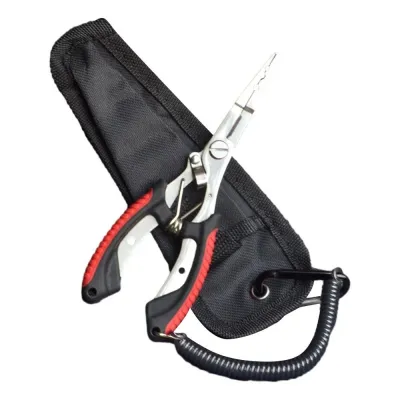
![[SG Seller]Stainless Steel Multi-functional Fishing Pliers Line Cutter Remove Hook Tackle Tool Kits Accessories](https://img.lazcdn.com/g/p/d90619b2a1951df4c445e2dd88c669b4.jpg_400x400q80.jpg_.webp)
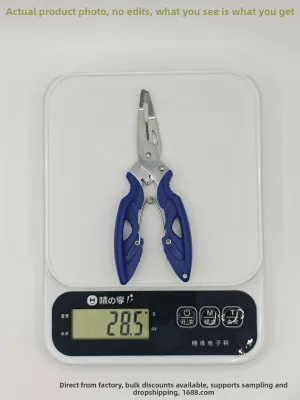
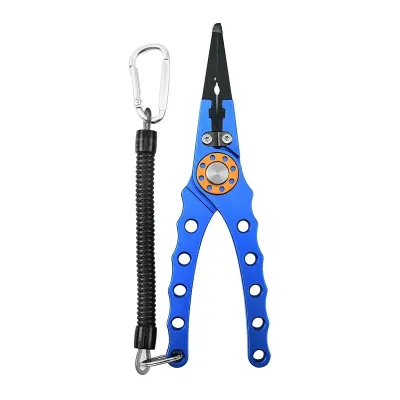
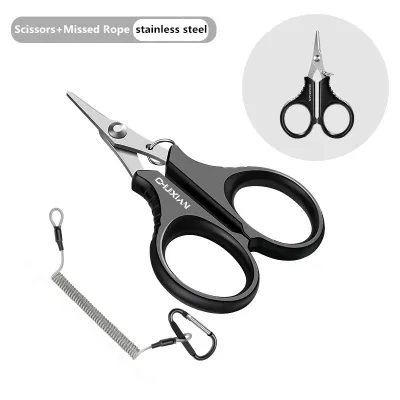
Prices are valid at publication and may change. Please refer to the product page for the latest price.
Jaw Design and Core Functions Decoded
The business end of any fishing plier is its jaw. Understanding how different jaw shapes and built-in features function will directly impact your efficiency and safety on the water.

Needle-Nose vs. Standard Jaws
For beginners, longer and more tapered needle-nose jaws are almost always the superior choice. When a fish swallows a lure or hook deeply, standard household-style jaws are too thick to reach into the mouth without causing unnecessary harm to the fish or putting your fingers at risk. Long needle-nose jaws allow you to navigate tight spaces, grasp the hook shank firmly, and leverage it out safely. This is particularly important when handling species with sharp teeth or when fishing in crowded spots where quick, safe releases are necessary.
Split Ring Opener
A split ring opener is a small, wedge-like tooth located at the very tip of one jaw. This simple feature is essential for opening the springy metal rings that connect hooks to lures. Attempting to pry these rings open with your fingernails or a knife blade is frustrating and highly likely to cause injury. A dedicated split ring tip slides easily between the metal coils, spreading them apart so you can swap out dull hooks or change lures in seconds.
Crimping Slots
Directly behind the gripping surface of the jaws, near the pivot joint, you will often find one or more rounded, notched cutouts. These are crimping slots, designed to compress metal sleeves when building heavy wire leaders or thick monofilament rigs. If you are a beginner starting with standard monofilament, fluorocarbon, or braided lines, you can safely ignore this feature for now, as it is primarily used for targeting heavy marine predators.
Hook Removal
The primary duty of your pliers is hook removal, which requires a highly textured, serrated gripping surface inside the jaws. This cross-hatched pattern prevents the hook from slipping or twisting when you apply pressure. When a hook is embedded in tough cartilage, a secure grip allows you to twist the hook in the opposite direction of the barb, ensuring a clean and rapid removal.
Cutter Types: Matching the Blade to Your Fishing Line
Not all pliers cut line equally, and choosing the wrong cutter type can ruin both your line and your tool. The type of fishing line you intend to use should dictate the blade material you select.
Standard Stainless Steel Cutters
If you plan to fish primarily with monofilament or fluorocarbon lines, standard stainless steel cutters are highly effective and economical. These lines are relatively hard and solid, allowing a basic steel blade to scissor through them cleanly. Pliers with built-in steel cutters are generally more affordable, making them a sensible choice for budget-conscious beginners who are sticking to traditional nylon lines.
Tungsten Carbide Cutters
If you decide to spool your reel with braided fishing line, standard steel cutters will quickly disappoint you. Braided line is made of multiple woven micro-fibres, making it incredibly limp and tough. Standard blades will pinch and fray the braid rather than cutting it, leaving you with a messy, unusable tag end. For braided line, tungsten carbide cutters are highly recommended. Tungsten carbide is an exceptionally hard compound that shears through limp braid effortlessly. These cutters are usually designed as replaceable inserts screwed into the sides of the pliers, allowing you to swap them out if they eventually dull.
Cutter Placement
Pay close attention to where the cutters are mounted. Side-mounted cutters sit on the outer edge of the frame, allowing you to cut line flush against knots very easily. However, center cutters, which are positioned inside the jaws near the pivot, offer greater mechanical leverage for cutting thicker materials. Some designs feature slightly recessed cutters, which helps protect the delicate blades from chipping if the pliers are dropped onto hard surfaces like concrete jetties, rocks, or boat decks.
Material and Corrosion Resistance: Freshwater vs. Saltwater
Tropical climates, high humidity, and coastal fishing environments present a severe challenge to metal gear. Saltwater is highly corrosive, and choosing the wrong material will quickly turn your new tool into a rusted, seized block of metal.
Stainless Steel
Stainless steel is strong, heavy, and highly affordable, making it a common choice for freshwater angling in reservoirs. However, “stainless” does not mean “rust-proof.” In saltwater environments, standard stainless steel will rust rapidly if it is not meticulously cleaned and dried after every outing. If you choose stainless steel for coastal fishing, look for high-grade alloys like 316 marine-grade steel or tools with protective coatings.
Anodized Aluminum
For a versatile mid-tier option, anodized aluminum pliers are highly popular. Aluminum is incredibly lightweight, reducing the weight on your belt or in your tackle bag. The anodizing process creates a hard, protective oxide layer on the surface that resists saltwater corrosion exceptionally well. While aluminum is softer than steel and can flex under extreme pressure, it offers an excellent balance of weight, price, and rust resistance for most coastal and jetty fishing scenarios.
Titanium-Coated or Solid Titanium
Solid titanium pliers are the gold standard for rust prevention and strength, but they are highly expensive, often costing well over S$100. For a beginner, this is an unnecessary expense. Instead, look for titanium-coated stainless steel pliers. This hybrid design provides the structural strength and cutting leverage of steel, combined with a thin protective layer of titanium that shields the underlying metal from corrosive saltwater.
The Maintenance Reality
Regardless of the material or marketing claims, no pair of fishing pliers is entirely maintenance-free. Salt crystals will inevitably build up in the pivot joint and around the cutter blades. To protect your investment, establish a simple post-trip routine: rinse the pliers thoroughly under warm tap water, dry them completely with a towel, and apply a single drop of light machine oil or specialized reel oil to the pivot joint. Avoid using heavy automotive greases, as these will trap abrasive sand and dirt, accelerating wear.
Handle Ergonomics and Essential Accessories
A tool is only useful if you can hold it securely and keep it close at hand when a fish is thrashing on the line.
Grip Materials
Avoid pliers with bare metal or smooth plastic handles. When your hands are wet, covered in fish slime, or sweaty from the midday heat, these materials become incredibly slippery. This makes it difficult to apply the necessary force to remove a hook and increases the risk of the tool slipping and injuring you or the fish. Look for handles covered in textured rubber, thermoplastic rubber (TPR), or high-density EVA foam. These materials provide a secure, comfortable grip even in wet conditions.
Lanyard Attachment
One of the most common ways anglers lose their pliers is by dropping them into the water. Whether you are fishing from a kayak, a boat, or a high structure like a coastal jetty, a single slip can send your tool straight to the bottom. A built-in lanyard hole is an essential feature. Always use a coiled plastic lanyard connected to a carabiner, securing the pliers to your belt loop, life jacket, or tackle bag so they remain safe from accidental drops.
Sheath/Holster
A dedicated belt sheath or holster keeps your pliers easily accessible at your hip. When you land a fish, you need to work quickly to minimize its time out of the water. Fumbling through a tackle box or deep pockets for your pliers is inefficient and dangerous, especially with sharp hooks exposed. A sheath also protects your clothing from being punctured by the sharp needle-nose tips.
Overhyped Features Beginners Can Safely Skip
When shopping, you will encounter many models boasting extra features that sound highly convenient but often prove impractical.
Multi-Tool Attachments
Pliers that include fold-out screwdrivers, saws, file blades, or bottle openers should generally be avoided. These extra tools require hollowed-out handles and additional joints, which significantly weaken the overall structure of the pliers. They also create numerous small crevices where saltwater, sand, and fish slime can accumulate, making the tool much harder to clean and highly prone to seizing.
Extreme Jaw Length
While very long jaws are necessary for offshore anglers targeting large, toothy predators, they are unnecessary for general freshwater or light coastal fishing. Extremely long jaws reduce your physical leverage, making it much harder to cut thick lines or grip stubborn hooks firmly. A standard jaw length of 6 to 7 inches is the ideal sweet spot for beginners.
Ultra-Premium Solid Titanium
While solid titanium tools are beautiful and exceptionally durable, their high cost is difficult to justify when you are first starting out. As a beginner, your budget is better allocated toward high-quality lines, terminal tackle, or a reliable rod and reel. A well-maintained pair of anodized aluminum or coated steel pliers will perform just as well for a fraction of the price.
Frequently Asked Questions (FAQ)
Can I use regular household pliers for fishing?
While regular household pliers can physically grip and pull a hook, they are highly unsuitable for fishing. Standard workshop pliers are typically made of high-carbon steel, which will rust and seize after a single exposure to saltwater or high humidity. Furthermore, they lack crucial fishing-specific features, such as a split ring opener for changing hooks and specialized cutters capable of slicing through thin monofilament or limp braided lines. Investing in a dedicated pair of fishing pliers ensures safety, efficiency, and longevity on the water.
How do I maintain my fishing pliers to prevent rust?
To prevent rust and keep your pliers operating smoothly, establish a quick post-trip maintenance routine. After every fishing trip, rinse the pliers thoroughly under warm tap water to wash away salt deposits, sand, and fish slime. Dry them completely with a clean towel. Finally, apply a drop of light machine oil, reel oil, or silicone spray directly to the pivot joint and the cutter blades, opening and closing the jaws a few times to distribute the lubricant. Avoid heavy greases, which attract abrasive debris.
Community discussion
Share your experience or ask a question. Comments are reviewed before publication.