
Walking into a tackle shop for the first time can feel overwhelming, with walls of colorful lures, complex electronic gadgets, and endless rows of specialized tools. For a beginner, the key to a successful start is separating the absolute essentials from the marketing hype. You do not need a massive budget or a professional-grade setup to catch your first fish. Instead, focusing on a few critical tools for rigging, safe fish handling, and basic organization will keep your early trips enjoyable and cost-effective.
In Singapore’s unique angling landscape, where you might transition from a concrete reservoir jetty to a humid mangrove estuary or a saltwater paypond, your gear needs to be highly adaptable. Starting small allows you to learn the fundamentals of knot-tying, bait presentation, and fish behavior without the distraction of unnecessary gadgets. By prioritizing safety and utility, you can build a reliable starter kit that fits your immediate environment and expands only as your skills grow.
Assessing Your Actual Fishing Needs Before Buying
Before spending your money on accessories, you must define where and how you plan to fish. Singapore offers diverse angling environments, ranging from calm freshwater reservoirs and managed payponds to tidal estuaries and coastal jetties. Each environment demands different material properties; for instance, the highly corrosive saltwater of coastal shores requires corrosion-resistant accessories, whereas freshwater settings are more forgiving on basic metals.
Products mentioned in this guide
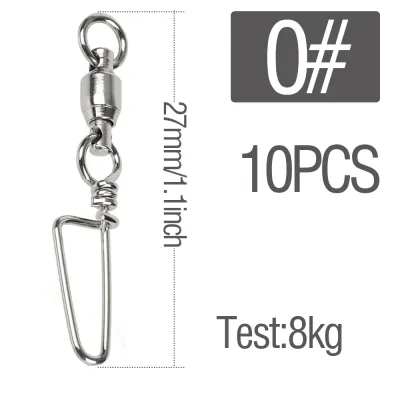
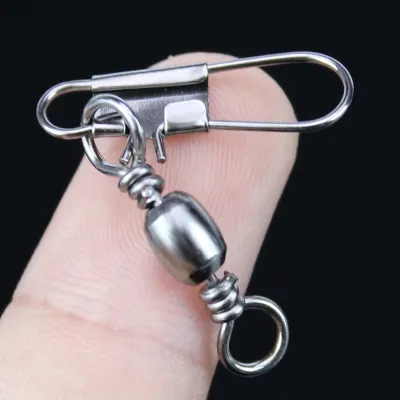

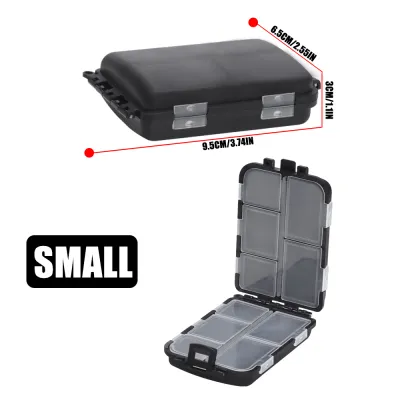
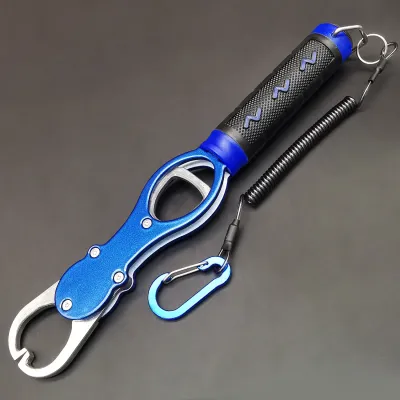
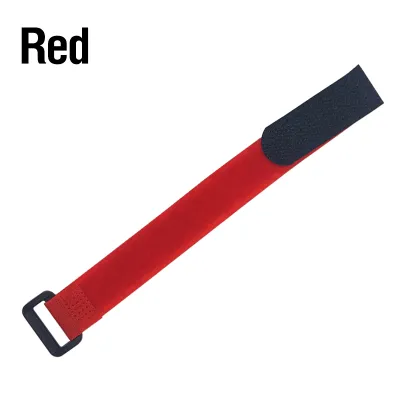

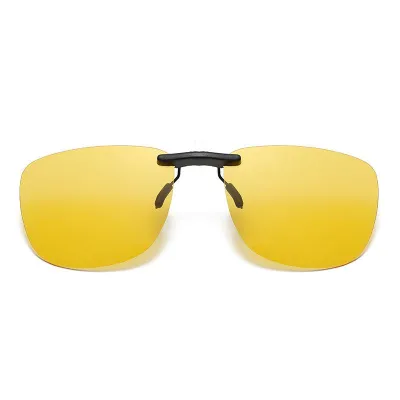
Prices are valid at publication and may change. Please refer to the product page for the latest price.
The size and behavior of your target species also dictate your baseline gear requirements. If you are targeting small peacock bass or tilapia in local reservoirs, you will need light terminal tackle and small hooks. Conversely, targeting larger saltwater species along the coast requires heavier sinkers to combat strong currents and robust hooks that will not bend under pressure.
Finally, consider your expected fishing frequency. If you only plan to fish once or twice a year during family outings, a minimal, budget-friendly setup is highly appropriate. If you intend to make fishing a weekly hobby, investing slightly more in durable, rust-resistant tools will save you money on replacements in the long run.
Essential Fishing Accessories You Actually Need First
To get started safely and effectively, your tackle box only needs a few non-negotiable items. The foundation of your setup is terminal tackle, which includes hooks, sinkers, and bobbers. For beginners, a modest selection of bait-holder hooks in various sizes, a few split-shot sinkers to help your bait sink, and a couple of simple clip-on bobbers are sufficient. These components allow you to present your bait at different depths depending on where the fish are feeding.

Safe fish handling is the next priority, requiring tools that protect both you and the fish. A pair of long-nose pliers is essential for removing hooks safely, especially when dealing with toothy species or deeply set hooks. You will also need a dedicated line cutter or a pair of small, sharp scissors to trim excess fishing line after tying knots; using your teeth or dull pocket knives can damage the line and lead to lost fish. A basic, soft-mesh landing net is also highly recommended to secure your catch at the water’s edge, preventing the fish from thrashing against rough concrete jetties or rocks.
Personal protection and basic storage round out the essential list. Polarized sunglasses are not just for style; they protect your eyes from stray hooks and cut through the water’s surface glare, allowing you to see underwater structures and swimming fish. To keep these items organized, a simple, single-tray tackle box or a durable utility box is perfect. This keeps your hooks from tangling and ensures you can find your tools quickly when a fish is on the line.
Nice-to-Have Accessories That Can Wait
It is easy to get distracted by high-tech gear, but many popular accessories are completely unnecessary for beginners. Electronic gadgets like portable fish finders and digital scales are common budget-drainers. While they offer interesting data, they cannot replace the fundamental skill of reading the water, understanding tidal movements, and observing natural fish habitats. Learning to find fish manually builds a stronger foundation for your angling journey.
Hyper-specialized tools should also be avoided in the beginning. Species-specific rigging tools, advanced bait-casting aids, and remote-controlled bait boats are designed for highly technical scenarios that you will not encounter as a novice. Mastering basic knots and simple bait rigs is far more valuable than trying to manage complex, specialized equipment that only works in niche situations.
Similarly, massive, multi-tier tackle boxes and specialized soft-plastic storage binders are overkill for a starter inventory. A beginner with only a few packets of hooks and sinkers will find a large tackle box bulky, heavy, and mostly empty. Standard plastic utility cases that fit easily into a regular backpack are far more practical and portable for shore-based fishing.
Building a Budget-Friendly Starter Kit
Assembling your first kit requires a smart allocation of your budget. You should prioritize durability in high-wear, reusable items while keeping consumables cheap. For example, spending a bit more on a pair of rust-resistant stainless steel pliers is a wise investment because they will last for years. On the other hand, items like hooks, sinkers, and plastic bobbers are frequently lost to underwater snags, so buying inexpensive, bulk packs of these consumables is the most practical approach.
Be cautious of the “complete beginner bundle” trap often found in retail stores. These pre-packaged kits frequently promise a complete fishing solution but often contain low-quality line, fragile plastic tools, and highly specific lures that do not match your local fishing conditions. You are almost always better off purchasing a basic rod and reel combo separately, then hand-selecting your essential accessories based on your specific target environment.
When sourcing your gear, balance the benefits of different purchasing channels. Visiting a local physical tackle shop allows you to handle the gear, feel its weight, and get valuable advice from experienced local anglers who know the regional waters. Once you know exactly what specifications you need, you can use online marketplaces and ecommerce platforms to compare prices on bulk consumables and replacement items to keep your ongoing costs low.
Signs It Is Time to Upgrade Your Accessories
As you gain experience, you will naturally recognize when your basic gear is limiting your progress. The most common sign is a performance bottleneck, where your tools actively hinder your success or safety. For instance, if your basic pliers struggle to cut modern braided lines cleanly, or if they begin to rust rapidly after a few saltwater trips, it is time to upgrade to specialized line cutters or corrosion-resistant titanium pliers.
Your fishing frequency and commitment level will also guide your upgrades. If you transition from an occasional weekend hobbyist to a dedicated angler fishing multiple times a week, investing in more comfortable, ergonomic tools and specialized gear bags becomes highly justified. These upgrades improve your comfort during long hours on the water and streamline your rigging process.
Finally, skill progression will dictate your accessory needs. Once you master basic bait fishing and want to explore advanced techniques like lure casting or complex multi-hook rigs, you will naturally require specialized tools. This might include split-ring pliers for changing lure hooks, specialized knot-tying tools, or a compact chest pack for mobile wading.
Frequently Asked Questions (FAQ)
Can I use the same accessories for both freshwater and saltwater fishing?
You can use the same accessories, but saltwater environments pose a severe risk of rapid corrosion to non-stainless metals. If you plan to use your pliers, cutters, or tackle boxes in saltwater, you must thoroughly rinse them with fresh water and dry them completely after every trip. Choosing accessories labeled as corrosion-resistant or stainless steel will significantly extend their lifespan across both environments.
How often should I replace basic consumable accessories like hooks and fishing line?
You should inspect your consumables before every fishing trip. Replace hooks immediately if they show signs of rust, have bent points, or feel dull when dragged lightly across your fingernail. For fishing line, check for physical abrasions, rough spots, or excessive memory coils; monofilament lines exposed to high heat and UV sunlight should generally be replaced every few months to prevent unexpected breakage.
Community discussion
Share your experience or ask a question. Comments are reviewed before publication.