
A fishing swivel is a small but critical piece of terminal tackle designed to let your line spin freely, preventing the frustrating tangles known as line twist. For beginners, choosing the right swivel involves understanding the four primary types—barrel, ball bearing, snap, and three-way—and matching their size and strength to your target species and fishing method. By selecting the correct design, you preserve your line’s integrity, present your bait naturally, and make quick rig adjustments on the water.
The Purpose of Fishing Swivels in Your Rig
Understanding when and why to use a swivel is the first step toward building effective fishing rigs. The primary function of any swivel is to prevent line twist. When a lure spins through the water, or when a hooked fish thrashes and rolls, that rotational force travels up your fishing line. Without a swivel to absorb this movement, the line twists tightly, leading to loops, knots, and severe casting issues on your next throw.
Another major benefit of using swivels is the ease of connection they provide. Many swivels are paired with snaps, allowing you to swap out lures, hooks, or leaders in seconds without having to cut your line and tie a new knot every time. This is especially helpful for beginners who are still mastering basic knots or want to experiment with different lure colors and styles quickly.
Products mentioned in this guide
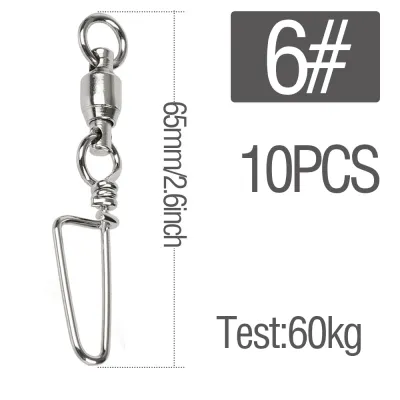
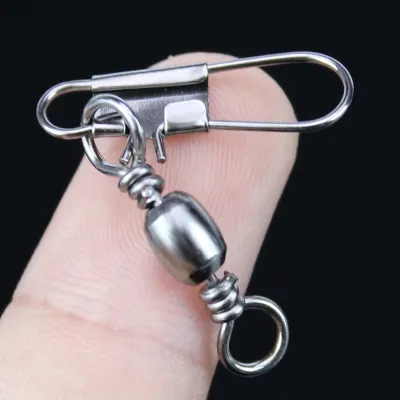
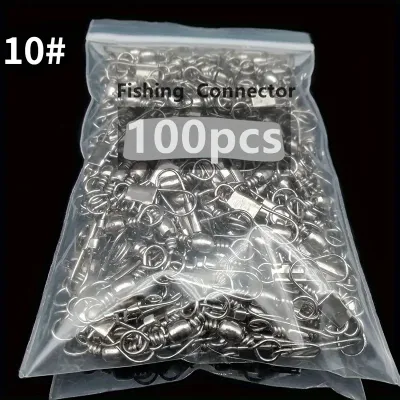
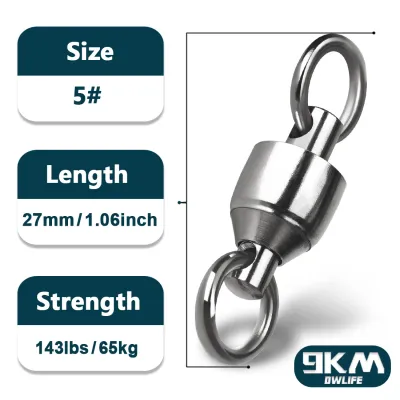
Prices are valid at publication and may change. Please refer to the product page for the latest price.
Additionally, swivels serve as physical stoppers in specialized bottom rigs, such as the Carolina rig. In these setups, a heavy sinker slides freely along your main line. By tying a swivel below the sinker, you prevent the weight from sliding down to the hook, protecting your knot from the constant impact of the heavy lead while keeping your bait positioned at the correct distance.
Common Fishing Swivel Types and Their Uses
As you browse the aisles of a tackle shop or search online marketplaces, you will encounter several distinct swivel designs. Each type is engineered for specific fishing scenarios, and knowing their differences will help you avoid common rigging mistakes.

Barrel swivels are the most common and budget-friendly option available. They consist of a simple metal barrel housing with a wire loop extending from each end. While they are highly effective for basic bottom fishing and general bait presentation, their internal design can cause them to bind up under heavy tension. This means that if a large fish is pulling hard, a barrel swivel may stop spinning, reducing its ability to prevent line twist.
Ball bearing swivels are the premium alternative to barrel swivels. Inside their polished metal housing are tiny, precision-engineered stainless steel ball bearings. This design allows the swivel to rotate smoothly even under extreme tension. If you are targeting large, hard-fighting species or using lures that spin rapidly, ball bearing swivels are the most reliable choice to keep your line straight and tangle-free.
Snap swivels combine a standard swivel with a metal safety snap or clip on one end. This design is incredibly popular among beginners because it eliminates the need to tie a new knot every time you want to change your lure. You simply open the snap, slide on the eyelet of your lure, and snap it shut. However, the extra metal hardware adds bulk and weight, which can sometimes affect the action of smaller lures.
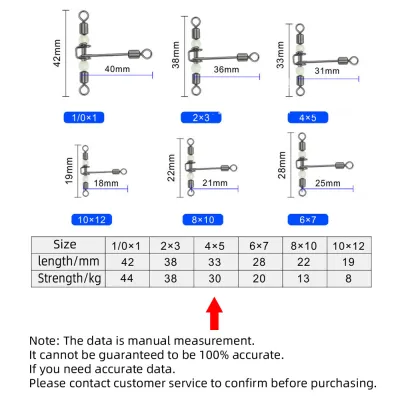
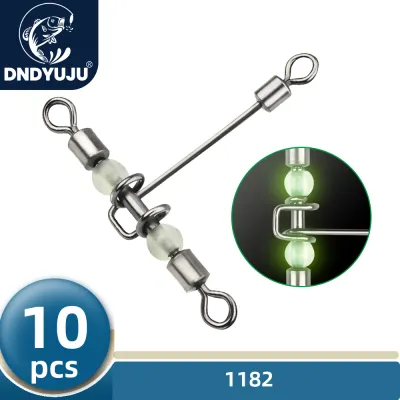
Three-way swivels feature a unique “T” or “Y” shape with three separate connection points. These are specialized tools used for multi-line rigs, such as drift fishing or deep-water bottom fishing. You attach your main line to one eyelet, a weighted dropper line to the bottom eyelet, and your leader line with the hook to the third eyelet. This configuration keeps your bait suspended off the bottom while preventing the different lines from tangling together in strong currents.
Matching Swivels to Your Fishing Method
Selecting the right swivel is not just about the design of the hardware; it is also about matching the tool to your specific fishing technique. Different methods place different demands on your terminal tackle.
For trolling and fast retrieves, ball bearing swivels are highly recommended. When you are pulling a lure behind a moving boat or retrieving a fast-spinning spoon or inline spinner, the constant rotation creates continuous rotational force. A standard barrel swivel will quickly bind up under this constant pressure, leading to severe line twist. A ball bearing swivel ensures smooth, uninterrupted rotation, protecting your main line throughout the day.
If you prefer bottom fishing or using live bait, simplicity is often the key to success. In these scenarios, a basic barrel swivel or a snap swivel is usually more than adequate. The swivel allows your live bait to swim naturally without twisting your line, while a snap swivel makes it easy to adjust your sinker weight as tidal currents or water depths change.
For finesse fishing and clear water techniques, you should generally avoid bulky swivels. In clear water, fish can easily spot large, shiny metal components, which may cause them to refuse your bait. Furthermore, heavy snap swivels can ruin the delicate, natural action of lightweight soft plastics or micro-lures. In these situations, it is best to use a very small, matte-black barrel swivel, or bypass the swivel entirely by tying your leader directly to your main line using a line-to-line knot.
Choosing the Right Size and Strength for Your Target
Once you have decided on the type of swivel you need, you must select the correct size and strength rating. Using a swivel that is too weak can lead to lost fish, while using one that is too large can ruin your presentation.
Understanding swivel sizing can be confusing for beginners because the numbering system runs in two opposite directions. Standard sizes are represented by whole numbers, where larger numbers indicate smaller swivels (for example, a size 12 swivel is very small, while a size 1 swivel is much larger). Once you go past size 1, the scale shifts to “aught” sizes, such as 1/0, 2/0, and 3/0. In this scale, the larger the number before the slash, the larger and stronger the swivel.
To choose the right strength, always check the pound test rating printed on the manufacturer’s packaging. A good rule of thumb is to match the swivel’s breaking strength to the breaking strength of your leader line. If you are fishing with a 15-pound monofilament leader, a swivel rated between 15 and 25 pounds is a safe and balanced choice.
Avoid the temptation to use oversized swivels “just in case.” Large swivels add unnecessary weight to your rig, which can sink floating lures or deaden the subtle vibrations of your bait. They also create more water resistance, making it harder to feel delicate bites. Always aim for the smallest, lightest swivel that can safely handle the strength of your line and your target species.
How to Attach and Inspect Your Swivel Before Casting
Even the highest-quality swivel will fail if it is not attached correctly or if it has suffered wear and tear. Developing a consistent routine for tying and inspecting your tackle will save you from losing fish on the water.
When attaching a swivel to your line, you must use a reliable knot. The Palomar knot is widely considered one of the strongest and easiest knots to tie, making it an excellent choice for connecting braided line to a swivel eyelet. If you are using monofilament or fluorocarbon, the improved clinch knot is another highly dependable option. Always remember to moisten your line with water or saliva before pulling the knot tight; this reduces friction heat, which can weaken the line.
Before you cast your rig into the water, perform a quick manual rotation check. Hold the body of the swivel between your thumb and forefinger, and spin the wire loops. They should spin freely and smoothly. If you feel any grinding, catching, or resistance, the internal mechanism may be damaged or clogged with debris. Replace the swivel immediately, as a stiff swivel will fail to prevent line twist.
Next, conduct a visual inspection of the metal components. Look closely at the eyelets and snap mechanisms for any signs of rust, corrosion, or sharp metal burrs. Sharp edges on a low-quality or damaged swivel can easily slice through your fishing line under tension. Additionally, check that the wire snaps are not bent out of shape and that they close with a firm, secure click.
Knowing when to discard a swivel is crucial for maintaining rig integrity. If you notice visible rust, bent wires, or stiff rotation, do not attempt to clean or bend the metal back into shape. Swivels are relatively inexpensive—a basic pack often costs between S$2 and S$5—so it is always safer to discard a questionable swivel and tie on a fresh one rather than risking the loss of a prized catch.
Frequently Asked Questions (FAQ)
Do You Need a Swivel for Every Rig?
No, you do not need a swivel for every fishing setup. Swivels are primarily designed to combat line twist, so if you are using lures that do not spin, such as topwater walk-the-dog lures or soft plastic swimbaits, a swivel is unnecessary. In fact, adding a swivel to these rigs can add extra weight and visibility, which may negatively affect the lure’s action and deter cautious fish. For these techniques, tying your line directly to the lure is highly recommended.
Can a Swivel Weaken Your Fishing Line?
A high-quality swivel will not weaken your line, but poor-quality hardware or improper knot tying can. Low-grade swivels may have rough edges or sharp burrs inside the connection loops that can cut into your line when under tension. Additionally, tying a poor knot or failing to lubricate the knot before tightening can significantly reduce your line’s breaking strength. Always inspect your swivels for smooth finishes and practice tying clean, secure knots.
How to Maintain Swivels After Saltwater Fishing?
Saltwater is highly corrosive and can quickly ruin metal tackle, including stainless steel swivels. To prolong the lifespan of your gear, always rinse your rigs, lures, and swivels thoroughly with clean fresh water after every saltwater outing. After rinsing, allow the components to dry completely in a well-ventilated area before storing them in your tackle box. This simple step prevents rust from forming on the internal bearings and ensures your swivels spin smoothly on your next trip.
Community discussion
Share your experience or ask a question. Comments are reviewed before publication.