
Quick Answer: Which Fitness Mat Brand Fits Your Routine?
Selecting the ideal fitness mat requires balancing your preferred workout style, joint support needs, and budget. The right choice depends heavily on how and where you exercise, as well as the environmental conditions of your workout space.
For daily hot yoga practitioners who require ultimate slip resistance and high durability, premium natural rubber mats from brands like Manduka or Jade Yoga are excellent long-term investments. If you engage in a mix of dynamic HIIT, general gym training, or casual yoga, mid-range TPE or textured PVC mats from brands like Nike or Gaiam offer a lightweight, highly versatile solution. For beginners testing a new routine or anyone needing a simple mat for light stretching, budget-friendly PVC mats from retailers like Decathlon provide adequate cushioning without a significant financial commitment.
Because brands offer multiple product lines with varying specifications, you should always verify the exact thickness, material, and weight on the retailer’s page before purchasing. No single mat is perfect for every activity, so matching the mat’s characteristics to your routine is essential.
Products mentioned in this guide
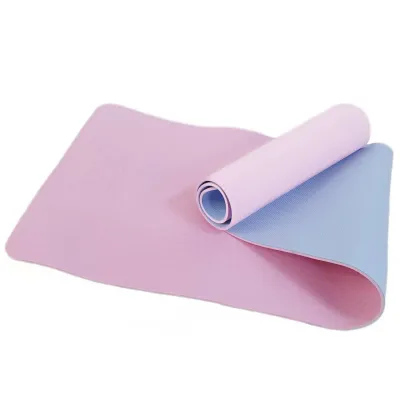
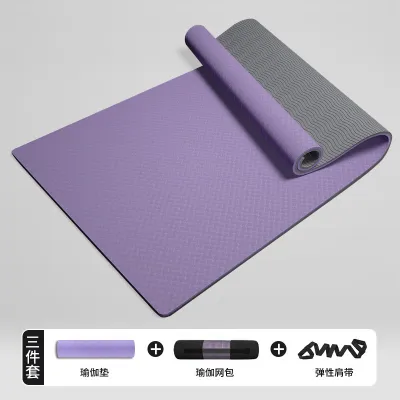
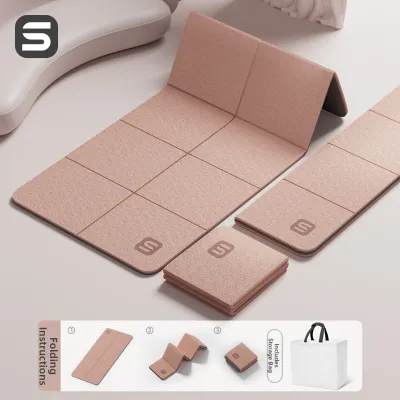
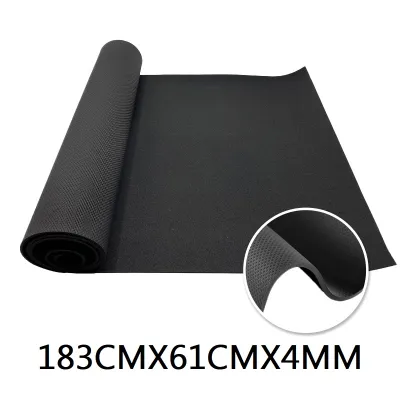
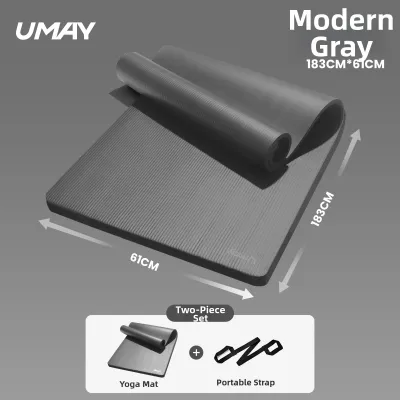
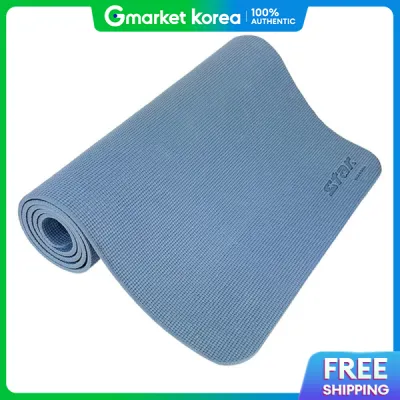
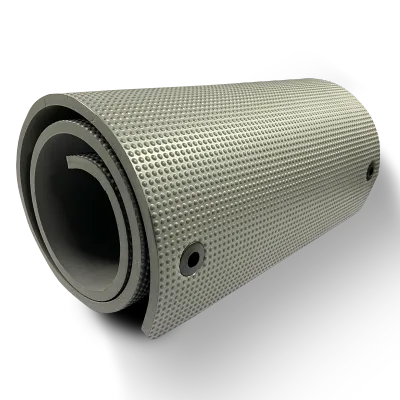
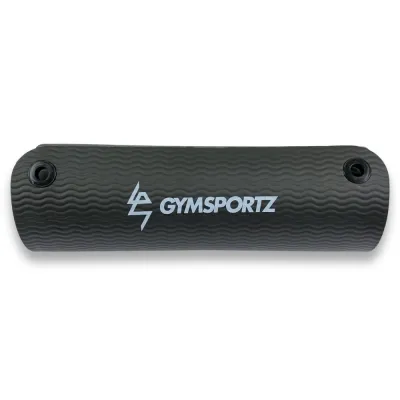
Prices are valid at publication and may change. Please refer to the product page for the latest price.
Understanding Fitness Mat Thickness and Joint Support
Thickness is a foundational specification that directly influences your balance, joint protection, and physical comfort during a workout. Fitness mats are generally categorized into three primary thickness profiles, each serving distinct training purposes.

Thin or travel mats typically measure between 1.5mm and 3mm. These models are designed for maximum portability and are highly favored by commuters who carry their gear to local studios. The primary benefit of a thin mat is the solid ground feedback it provides, which is essential for standing balance poses where ankle stability is critical. However, they offer minimal cushioning, which can lead to discomfort during floor work.
Standard or versatile mats measure approximately 4mm to 5mm. This thickness represents the industry sweet spot, balancing portable weight with sufficient joint protection. A standard mat is versatile enough to support both standing yoga poses and moderate floor exercises, making it the default choice for most general fitness enthusiasts.
Thick or extra-cushion mats range from 6mm to 8mm, and sometimes up to 15mm for specialized fitness or Pilates models. These mats are engineered to provide maximum cushioning for your knees, elbows, hips, and spine during floor-intensive routines. The trade-off is stability; the extra compliance of a thick mat can create an unstable surface, making standing balance poses significantly more challenging.
It is a common misconception that thickness alone dictates joint comfort. Material density plays an equally vital role in impact absorption. A high-density 4mm natural rubber mat will often provide superior joint support compared to a low-density 6mm foam mat. Low-density foams compress completely under concentrated body weight, leaving your joints resting directly against the hard subfloor.
When selecting a mat, consider the flooring of your workout venue. If you train on hard surfaces like concrete, tile, or parquet floors—which are common in Singapore homes—a medium-to-high density mat is necessary to prevent joint pain. If you primarily exercise on carpeted floors, a thinner, denser mat can utilize the carpet’s existing cushion while keeping your platform stable.
Material Quality: What Dictates Grip, Durability, and Feel?
The material of your fitness mat determines its traction, lifespan, tactile feel, and maintenance requirements. Understanding these material properties helps you choose a mat that aligns with your performance expectations and cleaning preferences.
Polyvinyl Chloride (PVC) is a highly durable, traditional material known for its resistance to tearing and flaking. PVC mats are closed-cell, meaning they do not absorb moisture, sweat, or bacteria, making them exceptionally easy to sanitize. However, new PVC mats often feature a factory film that can feel slippery initially. This requires a breaking-in period of regular use or a light scrub with coarse salt and a damp cloth to unlock their optimal grip.
Thermoplastic Elastomer (TPE) is a lightweight, recyclable alternative that offers good dry grip right out of the box. TPE mats are comfortable and easy to carry, making them popular for general gym use. However, TPE is less durable than high-density PVC or natural rubber, and it can degrade more quickly when exposed to friction, heavy weights, or high temperatures.
Natural Rubber is highly regarded for its exceptional, slip-resistant grip, which remains effective even during intense, sweaty workouts. These mats provide a dense, premium feel and excellent cushioning. However, natural rubber is heavy, making it less convenient for daily commuting. It also requires a dedicated breaking-in process and contains natural latex, which is a critical safety consideration for anyone with a latex allergy.
Cork and Polyurethane (PU) tops are premium hybrid options designed for high-sweat environments. Cork mats feature a natural cork layer laminated to a rubber or TPE base, offering an organic texture where grip actually improves as the material gets wet. PU-top mats feature a smooth, highly absorbent polyurethane upper layer that draws moisture away instantly, delivering a reliable grip during hot yoga without requiring a separate towel.
In Singapore’s tropical, high-humidity climate, material choice also dictates your maintenance routine. Open-cell materials like natural rubber and PU absorb sweat to maintain grip, but they require regular, specialized cleaning to prevent mold, mildew, and odors. Closed-cell materials like PVC and TPE repel moisture, allowing for quick surface wipes, but they can become slippery when wet. Always consult the manufacturer’s care instructions, as using harsh household detergents or exposing natural rubber to direct sunlight can cause rapid cracking and material degradation.
Comparing Popular Fitness Mat Tiers in Singapore
The fitness mat market in Singapore features a wide range of brands, which can be categorized into three distinct tiers based on construction quality, target audience, and price.
Premium and Professional Brands
Premium brands, such as Manduka, Lululemon, and Jade Yoga, cater to dedicated practitioners who view their fitness mat as a long-term investment. These manufacturers focus on high-density natural rubber, sustainably sourced materials, or proprietary closed-cell PVC formulas designed to withstand years of daily practice.
A major advantage of this tier is the extensive variety of thickness options. For instance, you can find ultra-thin 1.5mm travel mats that fold easily into a backpack, alongside standard 4mm to 5mm studio models, and extra-thick 6mm restorative mats. These brands focus heavily on engineering consistent, reliable traction and minimizing lateral stretching during dynamic movements.
While the initial purchase price is higher—often exceeding S$100—the exceptional durability means the cost-per-use over several years is highly competitive. If you practice daily or engage in rigorous hot yoga, investing in a premium mat can save you from replacing degraded mats every few months.
Mid-Range and Mainstream Athletic Brands
Mainstream athletic and wellness brands, including Nike, Adidas, and Gaiam, offer a balanced middle ground that appeals to general fitness enthusiasts, HIIT practitioners, and casual yogis. These brands typically utilize high-quality TPE or textured PVC, delivering a reliable grip and comfortable cushioning without the heavy weight of premium natural rubber.
Most mid-range offerings focus on standard thickness profiles, typically ranging from 4mm to 6mm. This thickness provides versatile support suitable for a wide array of activities, from bodyweight strength training to core exercises and stretching.
These mats are highly accessible in Singapore, widely available in local sporting goods stores and department stores. This physical availability allows you to touch the material, test the texture, and evaluate the squishiness in person before committing to a purchase. They represent an excellent choice if you need a portable, multi-purpose mat that transitions smoothly between home workouts and local gym classes.
Budget and Entry-Level Options
Budget-friendly options, such as those found at large sports retailers like Decathlon or local value stores, are designed with affordability and basic floor protection in mind. These mats are typically constructed from standard PVC, basic TPE, or light NBR (Nitrile Butadiene Rubber) foam, with prices generally sitting well under S$30.
To compensate for lower material density, budget mats are often manufactured in thicker profiles, frequently ranging from 5mm to 8mm or even up to 15mm for basic fitness models. While this provides a soft, pillowy feel initially, the lower density means the material compresses easily under concentrated weight, offering less structural joint support during standing poses.
These mats also tend to have simpler surface textures, which can become slippery when wet, and they may stretch or flake over time under high-impact use. Nevertheless, they are highly practical for beginners testing out a new routine, individuals who only perform light, occasional stretching, or those looking for a secondary mat to protect their home floors.
Quick Comparison: Thickness, Materials, and Ideal Use Cases
To help you synthesize these options, the table below outlines how the different brand tiers compare across key decision dimensions.
| Brand Tier | Typical Thickness Range | Primary Materials | Best For | Price Positioning |
|---|---|---|---|---|
| Premium | 1.5mm – 6mm+ | Natural Rubber, PU, Closed-Cell PVC | Hot Yoga, Daily Studio Practice, Advanced Balance | Premium (S$100+) |
| Mid-Range | 4mm – 6mm | High-Quality TPE, Textured PVC, Cork | General Gym, HIIT, Casual Yoga, Studio Commuting | Mid-Range (S$40 – S$100) |
| Budget | 5mm – 8mm+ (up to 15mm) | Standard PVC, Basic TPE, NBR Foam | Beginners, Floor Work, Occasional Stretching | Budget (Under S$40) |
Please note that these classifications represent general brand tendencies. Individual models within any brand’s lineup can vary significantly in terms of material composition, thickness, and specialized grip features. Always verify the exact specifications, dimensions, and weight on the product page or packaging before completing your purchase to ensure it matches your specific training needs.
Evaluating Value for Money and Long-Term Costs
When purchasing a fitness mat, evaluating value for money requires looking past the initial price tag to calculate the long-term cost per use. A cheap S$25 mat that begins to flake, stretch, or lose its grip after three months of regular use in Singapore’s humid climate will quickly need replacing. Over two or three years, continuously replacing low-cost mats can easily exceed the cost of a single, high-quality S$120 premium mat that remains structurally sound and highly functional.
Long-term value is also heavily influenced by manufacturer warranties and material resilience. Some premium brands offer extensive multi-year or even lifetime guarantees against wear and tear, which can provide peace of mind for daily users. Additionally, consider how the mat’s material handles the local climate. High humidity can accelerate the breakdown of low-grade TPE or open-cell foam mats if they are not stored correctly.
Maintenance requirements also introduce subtle long-term costs. Natural rubber and cork mats require specialized, alcohol-free cleaning solutions to preserve their natural grip and prevent the material from drying out or cracking. In contrast, closed-cell PVC or high-grade TPE mats can usually be cleaned with a simple solution of mild soap and water, reducing ongoing maintenance expenses.
To gain a realistic understanding of a mat’s durability, search for user reviews on local retailer sites or online marketplaces, focusing specifically on feedback from users who have owned the mat for 6 to 12 months. Pay close attention to comments regarding flaking, permanent creasing from rolling, or lingering odors, as these are common issues that degrade a mat’s usability over time.
Final Decision Framework: Matching Your Needs to the Right Mat
To finalize your decision, assess your workout environment, physical needs, and routine against this condition-based framework:
- Choose a Premium Natural Rubber mat if: You practice hot yoga or intense Vinyasa flow multiple times a week, require absolute slip resistance under sweaty conditions, prefer a dense, heavy mat that lies completely flat, and want a long-term investment.
- Choose a Mid-Range TPE or Textured PVC mat if: Your routine is a mix of gym workouts, HIIT, and casual yoga, you need a lightweight mat that is easy to carry on public transport in Singapore, and you want a balance of reliable grip and moderate cushioning.
- Choose a Budget Thick PVC mat if: You are a beginner establishing a new routine, your workouts consist primarily of floor exercises, core work, or Pilates where extra joint cushioning is the priority, or you need an inexpensive mat for occasional stretching.
- Verify first if: You have latex allergies (avoid natural rubber mats entirely), or if you plan to carry your mat to a studio daily (check the exact product weight, as dense rubber mats can weigh over 3kg, and verify if a carrying strap or bag is included).
If you are still undecided, visiting a local sporting goods store or brand showroom in Singapore is highly recommended. Feeling the surface texture, testing the density with your hands, and checking the weight in person can provide valuable clarity before you make your final online purchase.
Community discussion
Share your experience or ask a question. Comments are reviewed before publication.