
Yes, a Merach vibration plate can generally fit in an HDB flat, but successful integration depends on verifying the specific model’s dimensions against your available floor space, ceiling height, and structural considerations like vibration transfer. This guide will help you measure your space, choose the right placement strategy, and ensure safe, neighbor-friendly operation in a compact apartment layout.
Before purchasing any home gym equipment, understanding how it interacts with your living environment is essential. In Singapore, where residential layouts require efficient spatial planning, introducing a machine that generates rapid mechanical oscillations requires careful preparation. By assessing your floor plan and taking proactive steps to dampen sound, you can enjoy the benefits of a vibration plate workout without disrupting your household or your neighbors.
Understanding the Footprint of a Merach Vibration Plate
To determine if a Merach vibration plate is suitable for your home, you must first evaluate its physical dimensions. These machines generally come in two primary configurations: compact, low-profile platforms and larger units equipped with integrated handlebar columns or console towers.
Products mentioned in this guide
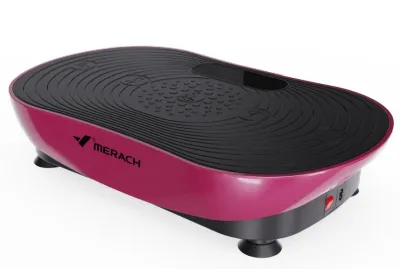
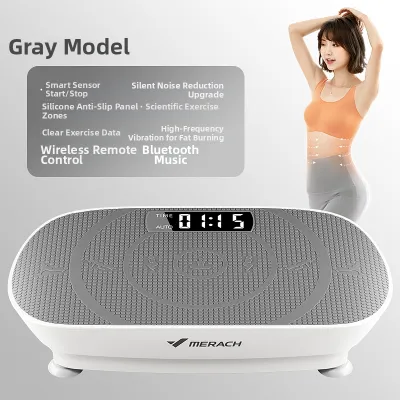
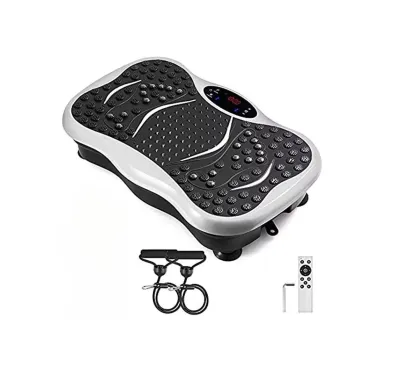
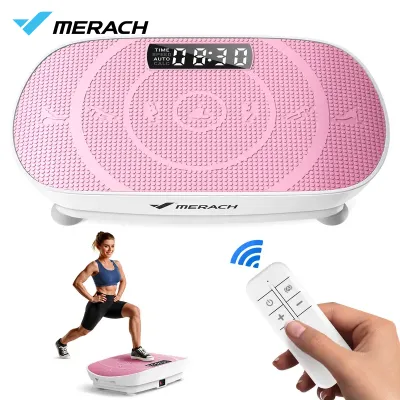
Prices are valid at publication and may change. Please refer to the product page for the latest price.
Start by checking the manufacturer’s specifications for the base footprint, noting the exact length and width. A standard flat platform typically occupies a modest rectangular area on the floor, making it highly adaptable for small rooms. However, if your chosen model includes a handlebar column, you must also verify the maximum height to ensure it fits comfortably within your room’s vertical limits.
Beyond the static dimensions of the machine, you must account for the “active use zone.” This is the clearance area required around the plate to perform exercises safely. When using a vibration plate, you are not just standing still; you may perform squats, lunges, or push-ups that require you to extend your limbs beyond the machine’s physical edges. A safe guideline is to maintain at least 50 to 60 centimeters of clear space on all sides of the platform. This buffer zone allows for safe mounting and dismounting, prevents accidental contact with nearby walls or furniture, and accommodates dynamic body movements.
Additionally, differentiate between stored and operational dimensions. Some compact models feature built-in transport wheels or foldable handles, allowing them to be stored vertically or slid under furniture when not in use. If you plan to store the machine after every workout, measure your intended storage space—such as the gap under your bed or the interior of a utility closet—to confirm the unit can be easily maneuvered and safely housed.
Measuring Your HDB Flat for Fitness Equipment
Measuring your HDB flat accurately requires looking beyond empty floor space to consider the flow of daily household traffic. Typical HDB layouts offer several potential zones for fitness equipment, including the living room corner, a spare bedroom, a study, or a sheltered balcony.

Begin by selecting a primary workout zone and measuring the clear floor area using a standard measuring tape. When choosing a spot, factor in door swing clearances and walkway widths. Placing a vibration plate directly in a high-traffic corridor or right next to a bedroom door can create household bottlenecks and increase the risk of tripping. Ensure that family members can walk past the area comfortably even while the machine is in active use.
If your chosen model features a tall handlebar column, vertical measurements are just as critical as floor space. Measure the ceiling height of your chosen room, keeping in mind the height of the platform itself. When you stand on the vibration plate, your head will be elevated by several centimeters. You must verify that this elevated position does not bring you dangerously close to ceiling fans, low-hanging lighting fixtures, or air conditioning units. Always test the clearance by standing in the designated spot before setting up the machine, ensuring you have ample headroom to stand fully upright.
Proximity to electrical outlets is another practical consideration. Vibration plates require a stable power source, and running long extension cords across a room creates a significant tripping hazard. Identify a placement spot close to a wall outlet, or use a cord protector if the cable must cross a minor walkway.
Practical Placement Strategies for Compact Layouts
Integrating fitness equipment into a compact HDB flat often requires creative layout solutions. One of the most effective strategies is utilizing multi-purpose zones. Rather than dedicating a permanent area to your vibration plate, place it in a space that can be easily cleared or transitioned. For example, the space in front of your television can serve as an active workout zone during the day and be cleared in the evening.
If your specific model is lightweight and explicitly designed by the manufacturer to be stored vertically or folded, take full advantage of these features. Storing the plate under a sofa, beneath a bed frame, or inside a built-in wardrobe keeps your living areas clutter-free. Before relying on vertical storage, always verify that the machine has stable rubber feet or a dedicated stand designed to support its weight upright, preventing it from tipping over and causing injury or damage.
Using visual boundaries is another excellent way to manage a multi-purpose space. Placing a dedicated exercise mat on the floor defines your workout zone and serves as a visual reminder for other household members to keep the area clear. When your workout is complete, rolling up the mat and moving the plate instantly restores the room to its original layout. This approach helps maintain the aesthetic harmony of your home while still allowing for a functional exercise routine.
Safety, Vibration Transfer, and HDB Flooring Considerations
Operating a vibration plate in an elevated HDB apartment requires careful attention to structural safety, flooring protection, and neighborly consideration. Because these machines function by generating rapid mechanical oscillations, the energy produced can easily transfer into the building’s structure if not properly managed.
First, consider the physical stability of the machine. High-intensity vibration settings can cause some lightweight plates to “walk” or shift across smooth flooring surfaces, such as polished porcelain tiles or vinyl planks. To prevent this movement, always establish a safe operating perimeter and ensure the machine’s rubber feet are clean and making full contact with the ground.
To mitigate vibration transfer to downstairs neighbors, you should place a high-density anti-vibration mat or specialized rubber padding beneath the plate. Standard yoga mats are often too soft and thin to absorb mechanical oscillations effectively. A thick, high-density rubber mat designed for heavy gym equipment will help isolate the vibrations, dampening the low-frequency humming noise that can travel through concrete floor slabs. This simple addition is crucial for maintaining good relations with your neighbors, especially if you prefer to exercise early in the morning or late at night.
From a safety perspective, equipment cannot replace personal training or physical judgment. If you are new to vibration training, always start at the lowest intensity settings to assess your body’s response. Ensure you maintain proper posture, keeping your knees slightly bent to absorb the impact rather than locking your joints. If you experience dizziness, joint discomfort, or any sudden pain, stop the machine immediately. Always consult the manufacturer’s manual for specific operational guidelines and safety precautions before your first session.
Frequently Asked Questions (FAQ)
Do I need permission from HDB to use a vibration plate?
No, you do not need official permission or approval from HDB to use a personal vibration plate in your flat. Standard home fitness equipment is fully permitted for residential use. However, residents are expected to be mindful of their neighbors. Under HDB guidelines, you must ensure that your activities do not cause excessive noise or vibration disturbances to those living around you. Using anti-vibration mats and avoiding high-intensity workouts during quiet hours (typically between 10:30 PM and 7:00 AM) will help ensure a peaceful living environment for everyone.
Will the vibration plate damage my HDB floor tiles?
A vibration plate can potentially scratch or scuff HDB floor tiles if it shifts during use or if debris becomes trapped beneath its base. To protect your flooring, inspect the machine’s rubber base pads regularly to ensure they are intact and free of grit. Using a protective equipment mat is highly recommended. A proper mat not only distributes the weight of the machine evenly but also acts as a protective barrier, preventing direct friction between the vibrating base and your tiles, vinyl, or laminate flooring.
Community discussion
Share your experience or ask a question. Comments are reviewed before publication.