
Living in a Housing & Development Board (HDB) flat in Singapore requires a smart approach to space planning. When you are looking to integrate fitness equipment like the Kingsmith Z1 walking pad into your home, the primary question is whether your layout can comfortably accommodate both its active footprint and its stored profile. The short answer is yes: the Kingsmith Z1 is specifically designed with a compact, foldable frame that suits high-density urban living. However, ensuring a seamless fit requires more than just unboxing the machine; you must carefully evaluate your room dimensions, storage clearances, and daily traffic patterns to avoid turning your workout zone into a household hazard.
Checking the Kingsmith Z1 Dimensions Against Your Floor Plan
Before making a purchase, your first step is to gather the exact physical specifications of the Kingsmith Z1. Because product designs can receive minor updates, always refer to the official user manual or the manufacturer’s verified product listings to find the precise length, width, and height of the machine in both its fully extended and folded states. Write these numbers down and use a physical measuring tape—rather than relying on visual estimation—to map out the footprint on your floor.
When measuring your designated workout area, whether it is a master bedroom, a study, or the living room, you must account for fixed architectural elements. Do not simply measure from wall to wall. Take into account the thickness of skirting boards, the projection of built-in wardrobes, and the swing radius of bedroom and balcony doors. A walking pad that seems to fit perfectly on paper can easily block a wardrobe door from opening fully or prevent a bedroom door from swinging wide in an emergency.
Products mentioned in this guide
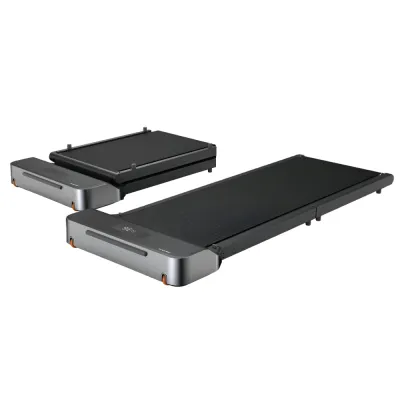
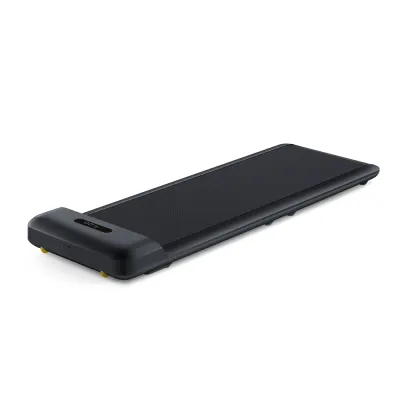
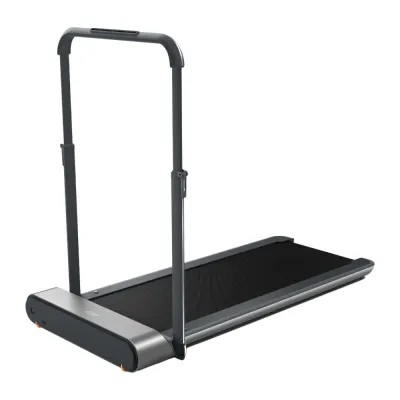
Prices are valid at publication and may change. Please refer to the product page for the latest price.
Safety clearances are equally critical when planning your layout. A motorized walking pad requires open space around the belt to ensure safe operation. You should aim for a clear zone of at least 0.5 meters on both sides of the walking deck and at least 1 to 1.5 meters of completely unobstructed space directly behind the belt. This rear clearance is a vital safety margin; if you lose your balance or need to step off suddenly, you must have enough space to land safely without striking a wall, a TV console, or sharp furniture corners.
Practical Storage Solutions for Compact HDB Layouts
One of the main appeals of the Kingsmith Z1 is its ability to fold away when not in use, but finding the right storage spot in a compact BTO or resale flat requires some strategic planning. The most common storage method is sliding the unit horizontally under existing furniture, such as a bed frame or a sofa. To determine if this is viable in your home, measure the vertical clearance between the floor and the lowest point of your furniture frame. Remember to account for any protruding parts on the walking pad, such as folded handrails, adjustment knobs, or transport wheels, which might require a slightly higher clearance than the flat deck itself.

If horizontal storage is not an option due to low-profile furniture, vertical storage is a popular alternative. However, storing a heavy piece of fitness equipment upright requires strict adherence to safety protocols. Check the manufacturer’s instructions to confirm if the Kingsmith Z1 is officially rated for self-standing vertical storage. If it is, ensure it is placed on a completely level, non-slip surface. Never store the unit vertically in high-traffic areas where children or pets could accidentally knock it over, and avoid placing it near drafty windows or areas prone to vibrations.
Additionally, you must ensure that your chosen storage spot does not compromise the livability of your HDB flat. Avoid blocking primary escape routes, such as the main entrance hallway or the path to the household shelter. Storing the unit in a way that blocks natural light sources or restricts cross-ventilation can also make your living space feel cramped and humid. Look for unused corners, the space behind a study desk, or dedicated utility closets that can house the unit without disrupting your home’s natural flow.
Setup Requirements: Power, Ventilation, and Floor Protection
Setting up your walking pad involves more than just unfolding it on the floor; you must also prepare the surrounding environment for safe and efficient operation. Start with your electrical setup. The Kingsmith Z1 requires a stable, grounded power outlet. Avoid using cheap, ungrounded extension cords or multi-way adapters, as motorized fitness equipment can draw significant current during startup. Position the walking pad close enough to a wall outlet so that the power cable lies flat along the floor, and use a rubber cable protector ramp if the cord must cross a walking path to prevent tripping hazards.
Floor protection is another essential consideration for HDB dwellers. Whether your flat features modern vinyl planks, laminate flooring, or traditional ceramic tiles, the repetitive impact and weight of a walking pad can cause permanent damage. Over time, the machine’s feet can leave deep indentations, scuff marks, or even crack tiles. Placing a dedicated, high-density equipment mat beneath the walking pad is highly recommended. This mat not only protects your flooring material but also provides a non-slip base that keeps the machine from shifting or drifting during your workout.
Finally, pay close attention to ventilation. Motorized walking pads generate heat during use, particularly around the motor housing located at the front of the deck. To prevent overheating and prolong the lifespan of the internal electronics, ensure there is adequate airflow around the machine. Avoid placing the motor housing directly against heavy drapes, soft dog beds, or walls. If you are exercising in a small, enclosed room, keep the door open or run a ceiling fan or air conditioning unit to maintain a cool operating environment.
Managing Noise and Vibration for HDB Neighbors
In high-density HDB blocks, sound travels easily through shared structural elements. The noise from a walking pad typically comes from two sources: the airborne hum of the electric motor and the structural vibration caused by your footsteps striking the deck. Because concrete floor slabs are highly effective at transmitting low-frequency vibrations, a brisk walk that feels quiet to you can sound like a rhythmic thumping to the neighbors living directly below your unit.
To maintain good neighborly relations, investing in a high-quality shock-absorbing mat is crucial. Look for mats specifically designed for heavy fitness equipment, typically made from dense rubber or closed-cell foam. These mats work by absorbing the kinetic energy of your footsteps before it can transfer into the concrete floor slab. For maximum vibration dampening, you can layer a thick yoga mat or specialized acoustic pads directly under the contact points of the walking pad’s frame.
In addition to physical dampening, establishing a considerate workout routine is key. Avoid using the walking pad during designated quiet hours, generally between 10:00 PM and 7:00 AM. It is also important to keep the machine well-maintained. Regularly check the belt alignment and apply silicone lubricant according to the manufacturer’s guidelines. A dry or misaligned belt increases friction, which not only strains the motor but also generates a loud, high-pitched squeaking noise that can easily penetrate thin apartment walls.
Frequently Asked Questions (FAQ)
Do I need to reinforce my HDB floor to support the walking pad and user weight?
No, you do not need to reinforce your floor. Standard HDB floor slabs are engineered to support structural loads of at least 150 kg per square meter, which is far greater than the combined weight of the Kingsmith Z1 and an average adult user. However, to prevent localized pressure points and surface damage to your floor finishes, always use a load-distributing equipment mat under the machine. If you have unique structural concerns, you can consult your local town council or a qualified structural engineer.
Can I store the Kingsmith Z1 upright against a glass partition or sliding door?
No, you should never store the walking pad upright against glass partitions, sliding doors, or lightweight drywall. These materials are not designed to bear heavy, concentrated lateral loads and can easily shatter or crack if the machine shifts. Always store the unit vertically against a solid, structural concrete wall, or ensure it is placed in a dedicated, stable storage stand on a flat floor surface where it cannot tip over.
Will the walking pad's remote control interfere with my HDB smart home devices?
It is highly unlikely. The Kingsmith Z1 remote control typically operates on standard radio frequencies (RF) or low-energy Bluetooth, which are designed to avoid interference with common household electronics. However, if you experience minor signal delays with nearby smart home hubs, motorized blinds, or ceiling fans, try operating the walking pad away from the immediate vicinity of your smart hubs or re-pair the remote according to the manufacturer’s troubleshooting guide.
Community discussion
Share your experience or ask a question. Comments are reviewed before publication.