
Deciding between fixed and adjustable dumbbells is one of the most critical choices you will make when setting up a home gym. The right option depends entirely on your available floor space, your budget, and the specific flow of your training routine. While adjustable dumbbells offer an incredibly compact footprint by consolidating multiple weight increments into a single pair, fixed dumbbells provide unmatched durability and the seamless convenience of grabbing a weight and lifting immediately. By evaluating how these two equipment types perform under real-world home conditions, you can make an investment that supports your long-term strength journey without cluttering your living space.
Space and Storage Requirements
In many modern living environments, such as typical Singapore apartments, floor space is at a premium. Dedicated workout rooms are rare, meaning fitness equipment must often share space with living areas, studies, or bedrooms. A full set of fixed dumbbells requires a substantial physical footprint. To accommodate a standard progression of weights—for example, ten pairs ranging from 2kg to 20kg—you will need a multi-tier dumbbell rack. A horizontal rack of this size can easily measure 1.2 to 1.5 meters in length and require up to half a meter of depth, creating a permanent fixture in your room.
In contrast, a single pair of adjustable dumbbells sits neatly in its dedicated storage cradles, occupying an area of roughly 50 centimeters by 50 centimeters. This compact footprint allows you to store the equivalent of an entire rack of weights in a small corner, under a bed, or inside a wardrobe when your workout is finished. This space-saving design makes adjustable models highly attractive for multi-functional rooms.
Products mentioned in this guide
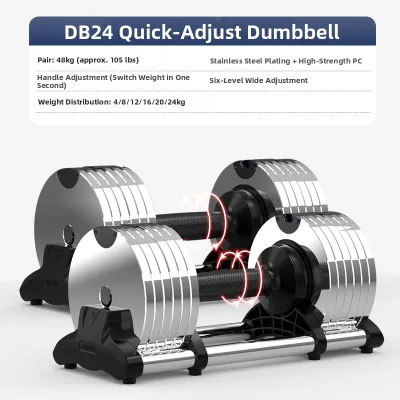
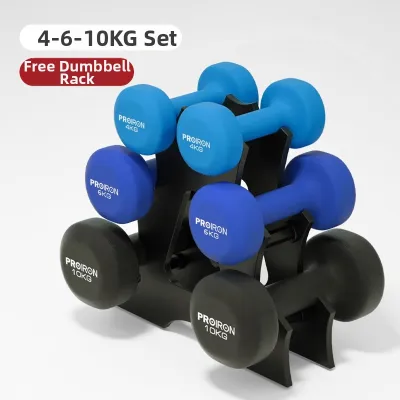
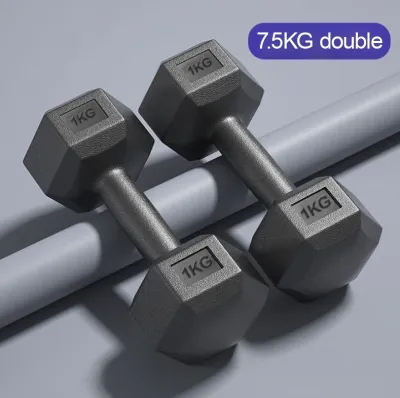
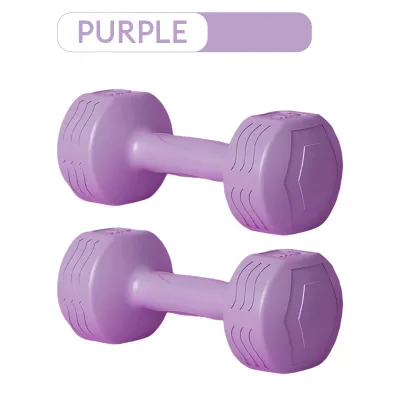
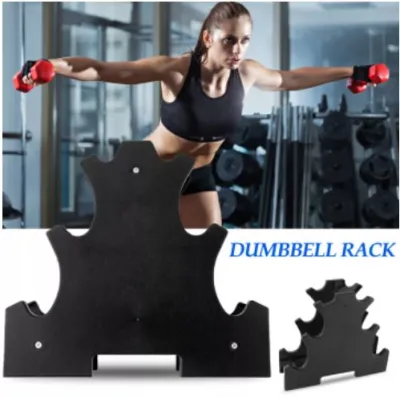
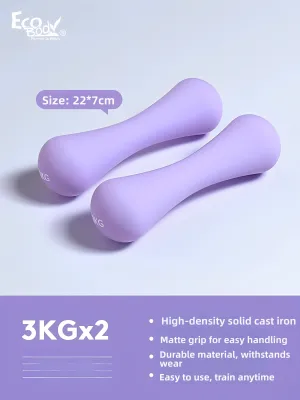
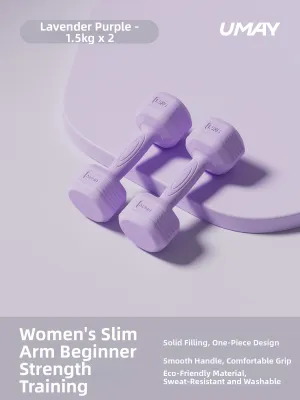
Prices are valid at publication and may change. Please refer to the product page for the latest price.
However, the storage environment itself requires careful consideration. Adjustable dumbbells rely on intricate internal components, such as selector dials, spring-loaded pins, or sliding plates. Singapore’s high relative humidity can easily introduce moisture into these tight spaces, leading to rust, corrosion, or the degradation of internal lubricants. Dust and pet hair can also accumulate within the dial mechanisms, causing them to jam or slip. To protect your investment, adjustable dumbbells must be stored in dry, well-ventilated indoor spaces, away from open-air balconies, service yards, or direct sunlight.
Before purchasing either option, use this practical checklist to evaluate your space:
- Measure your active workout zone to ensure you have at least 1.5 meters of clear space in all directions from the center of your mat. This prevents your weights from striking walls, furniture, or low-hanging light fixtures during dynamic movements.
- Assess the floor load capacity and surface material. If you plan to install a heavy rack of fixed dumbbells, ensure your flooring is protected with high-density rubber tiles to distribute the weight and prevent permanent indentations in vinyl, laminate, or parquet floors.
- Identify a dedicated storage spot that is completely shielded from moisture and dust, particularly if you choose an adjustable system with complex moving parts.
Budget and Long-Term Cost Evaluation
The financial commitment of building a home gym involves both the immediate upfront cost and the long-term value of the equipment. Adjustable dumbbells require a higher initial investment in S$. A quality pair of selectorized adjustable dumbbells can range from S$200 to over S$600. While this single transaction may seem steep, it is important to recognize that this purchase provides a comprehensive weight range that would otherwise require purchasing 10 to 15 individual pairs of fixed weights.

Fixed dumbbells offer a highly accessible entry point if you only need one or two specific weights to start. For instance, buying a single pair of 5kg and 10kg fixed dumbbells might cost under S$100 combined. This incremental approach allows you to spread your expenses over time. However, as your strength increases and you require heavier resistance, buying individual pairs incrementally quickly becomes the more expensive route. Additionally, because shipping and delivery fees for heavy iron items are calculated by weight, ordering multiple individual pairs over several months can add significant hidden costs to your overall budget.
To determine the true value of your purchase, calculate the cost per kilogram based on the manufacturer’s stated maximum weight. For an adjustable set, divide the total price in S$ by the combined weight of the pair. For example, if a set costs S$400 and provides a maximum combined weight of 40kg, your cost is S$10 per kilogram. Compare this figure against the cumulative cost of buying the equivalent individual fixed pairs. In almost all cases, a complete adjustable set offers a lower cost per kilogram than a full set of individual fixed dumbbells.
However, you must also factor in potential long-term replacement costs. Fixed dumbbells have no moving parts. A solid cast-iron or rubber-encased hex dumbbell is virtually indestructible; if maintained properly, it will last a lifetime without ever needing repair. Adjustable dumbbells, on the other hand, contain plastic dials, selector rods, and interlocking plates that are subject to wear and tear. If a dial mechanism fails or a selector pin bends, the entire dumbbell may become unusable. Replacing specialized parts or purchasing a new adjustable unit can quickly offset any initial savings, making careful handling a financial necessity.
Training Goals and Workout Flow
Your choice of dumbbell should directly complement your training style and fitness goals. Different workout methodologies place unique demands on how quickly you need to transition between exercises. If your routine focuses on high-intensity interval training (HIIT), fast-paced circuits, supersets, or drop sets, transition speed is critical. Fixed dumbbells are unmatched in this scenario. You can drop a heavy pair of weights and instantly grab a lighter pair from the rack within two seconds, keeping your heart rate elevated and maintaining the strict rest intervals required by your program.
Adjustable dumbbells introduce a mandatory pause into your workout flow. To change the weight, you must place the dumbbell back into its alignment cradle, turn a dial or slide a pin to the desired setting, and lift the handle again. This process typically takes between 5 to 15 seconds. While this brief pause is negligible during traditional strength training—where rest periods between sets range from 60 to 90 seconds—it can disrupt the momentum of rapid-fire metabolic conditioning or high-intensity circuits.
When evaluating adjustable models, it is also essential to verify the maximum weight limits and ensure they cover your entire exercise spectrum. Heavier compound movements, such as dumbbell deadlifts, goblet squats, and chest presses, require substantial resistance to stimulate muscle growth. If an adjustable set tops out at 20kg per dumbbell, a progressive lifter may outgrow it within a few months of consistent training. While heavier adjustable sets (up to 32kg or 40kg per side) are available, they are physically bulkier and require a larger financial investment. Fixed dumbbells allow you to buy heavier weights individually only when your strength demands them, preventing you from paying for heavy weights you are not yet ready to use.
Finally, pay close attention to the manufacturer’s weight increment steps. Effective progressive overload relies on making small, manageable increases in resistance over time. Some adjustable dumbbells progress in precise steps of 1kg or 2kg, which is ideal for upper-body isolation movements like lateral raises, bicep curls, or rotator cuff exercises where a 2.5kg jump is too aggressive. Other models jump in larger increments of 4kg or 5kg. These larger steps can make it incredibly difficult to progress safely, often forcing lifters to compromise their form or risk injury to bridge the gap.
Durability, Handling, and Maintenance Checks
In strength training, the structural integrity of your equipment is directly linked to your physical safety. Lifting weights overhead or over your face demands absolute confidence in your gear. Therefore, establishing rigorous physical checks and maintenance routines is essential, regardless of which dumbbell type you choose.
For adjustable dumbbells, safety checks must be performed before every single set. Always refer to the product manual to understand the specific locking indicators of your model. Before lifting the dumbbells from their cradles, visually inspect the plates to ensure they are perfectly aligned and nested. Once you select your weight, lift the dumbbell slightly and give it a gentle shake. If you hear excessive rattling or feel any shifting of the plates, do not proceed with your exercise. Return the dumbbell to the cradle, re-align the plates, and ensure the locking mechanism is fully engaged.
Grip ergonomics and handle specifications also play a major role in handling safety. Fixed dumbbells typically feature standardized knurled steel handles or contoured rubber grips that offer a secure, non-slip surface even when your hands are sweaty. The handle length remains proportional to the weight of the dumbbell. Adjustable dumbbells, however, often feature a fixed-length chassis. This means that even when you select a light weight, the physical frame of the dumbbell remains at its maximum length. This elongated profile can feel awkward and restrict your range of motion during exercises like bicep curls or overhead presses, where the ends of the dumbbells may collide. Always check the handle diameter and overall length specifications to ensure they fit your hand size and physical frame comfortably.
Proper maintenance will extend the lifespan of your equipment and ensure safe operation. Sweat contains salt, which accelerates rust on steel handles and cast-iron plates. After every workout, wipe down your dumbbells with a dry microfiber cloth. For adjustable models, avoid spraying liquid cleaners directly onto the selector dials or internal gears, as this can wash away factory lubricants and attract dust. Instead, use a slightly damp cloth for external surfaces and keep the mechanisms dry.
The most critical handling rule for adjustable dumbbells is to never drop them. While fixed rubber hex dumbbells are designed to withstand being dropped onto protective gym flooring, the impact of dropping an adjustable dumbbell can shatter plastic dials, bend selector pins, or misalign the locking plates. This damage is often irreparable and renders the equipment highly dangerous to use. Always place adjustable dumbbells back into their cradles with care, and use high-density rubber floor matting to absorb any incidental impacts during your workouts.
Final Decision Framework: Which Type Should You Buy?
To make your final decision, match your personal constraints and training preferences to the following conditional framework:
Choose Fixed Dumbbells if:
- You have a dedicated workout room or sufficient floor space to accommodate a multi-tier dumbbell rack.
- Your training style relies heavily on fast-paced circuits, supersets, or drop sets where instant weight transitions are required.
- You prioritize maximum durability and want equipment that can withstand heavy use and accidental drops without risk of mechanical failure.
Choose Adjustable Dumbbells if:
- You live in a compact space, such as a typical apartment, and need to store your entire workout setup in a small corner or closet.
- You want a complete range of weight increments for progressive overload but prefer a lower initial investment compared to buying a full rack of fixed weights.
- Your workouts consist of traditional strength training with structured rest periods that easily accommodate a 10-second adjustment pause.
Verify First if:
- You are unsure whether the handle length and diameter of an adjustable model will feel comfortable for your hand size and range of motion.
- The weight increment steps of an adjustable set are small enough (ideally 2kg or less) to support safe progression on your isolation exercises.
- The locking mechanism of your chosen adjustable model is highly rated for reliability and ease of alignment before making your purchase.
Frequently Asked Questions (FAQ)
Can I perform drop sets efficiently with adjustable dumbbells?
Performing drop sets with adjustable dumbbells is possible but less efficient than using fixed dumbbells. Because drop sets require you to immediately reduce the weight with minimal rest to maintain muscular fatigue, the 5-to-15-second delay required to return the adjustable dumbbell to its cradle and turn the selector dial can disrupt the intensity of the set. If you primarily use adjustable dumbbells, a practical workaround is to perform mechanical drop sets—where you keep the weight the same but switch to an easier variation of the exercise—or accept the brief pause as a rest-pause style set.
Do adjustable dumbbells break easily if dropped?
Yes, adjustable dumbbells are highly susceptible to damage if dropped. Unlike solid fixed dumbbells, adjustable systems contain delicate internal components, including plastic selector gears, spring-loaded pins, and interlocking alignment plates. Dropping them from even a short height onto a hard floor can bend the selector rod, crack the plastic housing, or misalign the locking mechanism, making it impossible to select weights safely. To prevent damage, always place them gently back into their cradles and perform your workouts over high-density rubber flooring mats to cushion any accidental slips.
Community discussion
Share your experience or ask a question. Comments are reviewed before publication.