
If you experience discomfort from flat feet, deciding between a dedicated flat feet corrector and muscle recovery tools depends on whether your pain is structural or muscular. Flat feet correctors, such as orthotic insoles, physically support the arch to improve alignment while you stand, walk, or run. Recovery tools, including massage guns and foam rollers, target the tight muscles and fascia that work overtime to compensate for a collapsed arch.
Understanding the difference between structural collapse and muscular fatigue is key to finding relief. While correctors manage alignment during weight-bearing activities, recovery tools address the secondary tension that builds up after a long day on your feet. For many active individuals, combining both approaches provides the most effective path to pain-free movement.
Assessing Your Flat Feet: Signs You Need Structural Support
To determine if you require structural support, start by examining your everyday footwear. Flip your favorite running shoes over and inspect the outsoles for uneven wear patterns. If you notice significant wear concentrated on the inner edge of the heel and the forefoot, you are likely overpronating, which is a common biomechanical consequence of flat feet.
Products mentioned in this guide


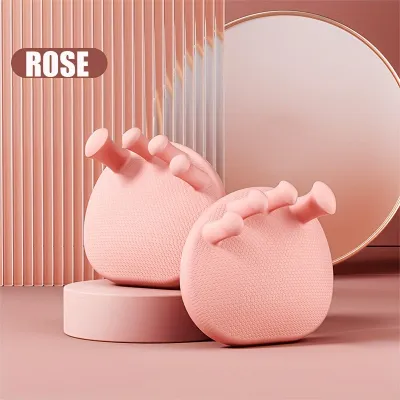
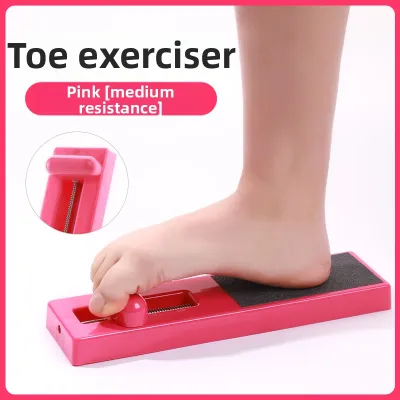
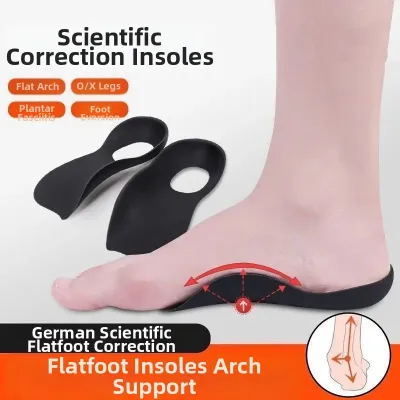
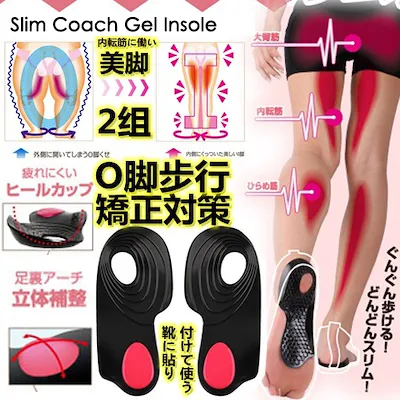
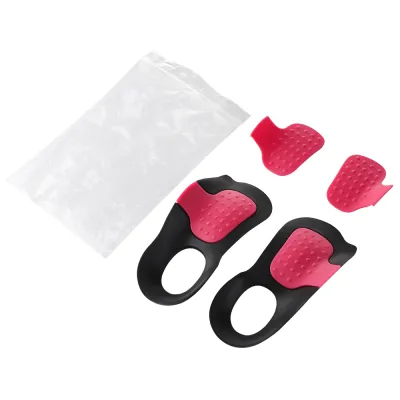
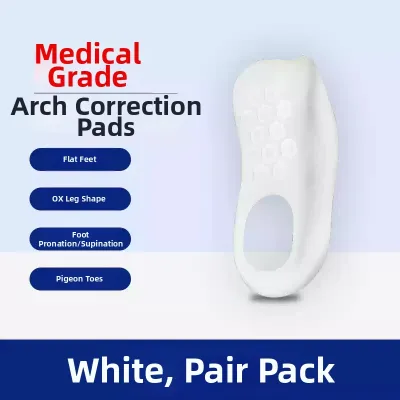
Prices are valid at publication and may change. Please refer to the product page for the latest price.
Next, pay close attention to where you feel discomfort during and after physical activity. Flat feet often cause localized pain directly in the arch, the heel, or along the inner ankle bone. Because a collapsed arch alters your entire kinetic chain, this structural issue can also manifest as secondary pain in your knees, hips, or lower back as your body attempts to compensate for the lack of shock absorption.
It is also helpful to perform a simple visual check to distinguish between flexible and rigid flat feet. Sit on a chair and lift one foot off the ground; if an arch naturally appears when your foot is non-weight-bearing but disappears completely when you stand up, you have flexible flat feet. If your foot remains entirely flat in both positions, you have rigid flat feet, which typically requires more structured, professional intervention to manage.
Identifying whether your flat feet are flexible or rigid helps guide your support strategy. Flexible flat feet often respond well to a mix of supportive footwear and targeted muscle strengthening. Rigid flat feet, on the other hand, usually demand constant structural support to prevent joint strain and progressive alignment issues during daily movement.
What a Flat Feet Corrector Actually Does
A flat feet corrector, such as an over-the-counter orthotic insole or a custom arch support, functions by redistributing pressure across the entire sole of your foot. When your arch collapses, your body weight concentrates on a smaller surface area, leading to localized pain. Correctors fill the empty space beneath your arch, transferring some of that load away from the heel and metatarsals.

These devices also help align your ankle and knee joints during the gait cycle. By preventing the ankle from rolling inward too far, a supportive insole keeps your lower leg in a more neutral position. This alignment reduces the twisting forces transmitted up to your knees and hips, which can prevent overuse injuries during high-impact activities like running.
When shopping, you will find a clear distinction between over-the-counter arch supports and custom-molded orthotics. Over-the-counter options are readily available at local sports shops or online marketplaces, typically ranging from S$20 to S$80, and work well for mild, occasional discomfort. Custom orthotics, prescribed by a podiatrist, are molded specifically to your foot shape and are designed to address severe structural issues or chronic pain.
However, it is crucial to maintain realistic expectations about what these correctors can achieve. While they are highly effective at managing pain and improving alignment while you wear them, they do not permanently rebuild a collapsed arch in adults. Once you remove the corrector, your foot returns to its natural structural state, meaning these tools are management aids rather than permanent cures.
When Recovery Tools Are the Right Choice
Recovery tools like massage guns, foam rollers, and lacrosse balls serve a completely different purpose by targeting the soft tissues surrounding your feet and lower legs. When you have flat feet, the muscles in your lower body must work much harder to stabilize your gait. This constant overwork leads to myofascial tightness, which recovery tools can help alleviate.
To get the most out of these tools, focus your efforts on key target areas like the calves, the plantar fascia, and the tibialis posterior muscle. Rolling your calf muscles on a foam roller helps release tension that pulls on the Achilles tendon. Using a massage gun on the bottom of your foot or gently rolling a firm ball under your arch can relieve the tight, aching sensations associated with plantar fascia strain.
By applying targeted pressure to these overworked areas, you encourage better blood flow and promote muscle relaxation. This localized relief can significantly reduce the dull, aching pain that often sets in after a long run or a prolonged period of standing. It helps restore flexibility to the ankle joint, making your natural movement patterns more comfortable.
Despite these benefits, you must remember the strict limitations of recovery tools. A massage gun or foam roller cannot provide structural support or correct bone alignment while you are standing or moving. They are excellent for post-activity relief and muscle maintenance, but they cannot replace the physical arch support needed during weight-bearing exercise.
Building Your Action Plan: Correctors, Recovery, or Both?
Creating an effective management plan often involves combining both structural correctors and recovery tools to address different aspects of flat feet discomfort. Use orthotic insoles or supportive footwear during weight-bearing activities to protect your joints and maintain alignment. After your workout or at the end of the day, transition to recovery tools to soothe tired muscles and prevent stiffness.
If you decide to introduce new orthotic correctors to your routine, prioritize a gradual break-in period. Start by wearing them for just one to two hours a day, slowly increasing the duration over a couple of weeks. This gradual transition allows your feet and lower legs to adapt to the new alignment without developing painful pressure points or blisters.
While self-care strategies can manage mild to moderate flat feet symptoms, you must remain vigilant for signs that require professional medical attention. If you experience a sudden collapse of your arch, severe or sharp pain that makes walking difficult, or persistent numbness in your feet, stop using self-care tools immediately. These red flags indicate a potential tendon tear or nerve compression that requires a formal diagnosis from a podiatrist or physiotherapist.
Ultimately, equipment and recovery tools should complement, not replace, proper training and professional guidance. If your symptoms persist despite using supportive insoles and recovery routines, consulting a specialist can help you identify the root cause of your pain. They can provide tailored exercises to strengthen your intrinsic foot muscles and ensure you are using the correct tools for your specific foot structure.
Frequently Asked Questions (FAQ)
Can running with flat feet cause long-term damage?
Running with flat feet does not guarantee long-term damage, but it does increase your susceptibility to overuse injuries if you do not monitor your body’s signals. Without proper support, the repetitive impact of running can lead to conditions like shin splints, Achilles tendinitis, or plantar fasciitis. To protect your joints, look for running shoes that offer stability features, and always pause your training if you experience persistent, sharp pain along your shins or heels.
Are barefoot shoes good for flat feet?
Barefoot or minimalist shoes can be beneficial for some individuals with flat feet, as they encourage the intrinsic muscles of the foot to work harder and build strength. However, because these shoes offer zero arch support and minimal cushioning, they can easily exacerbate joint and tendon pain if your feet are not prepared for the load. If you want to try barefoot shoes, transition very slowly, starting with short walks on soft surfaces, and consult a professional to ensure your foot structure can handle the change.
Community discussion
Share your experience or ask a question. Comments are reviewed before publication.