
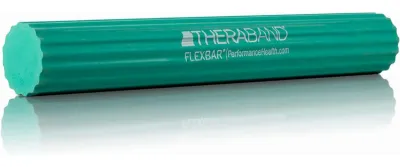
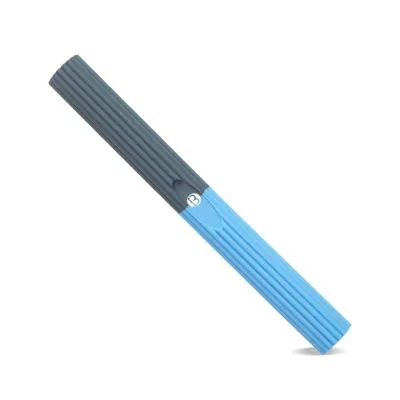
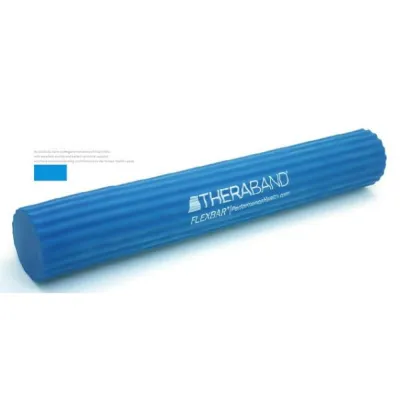
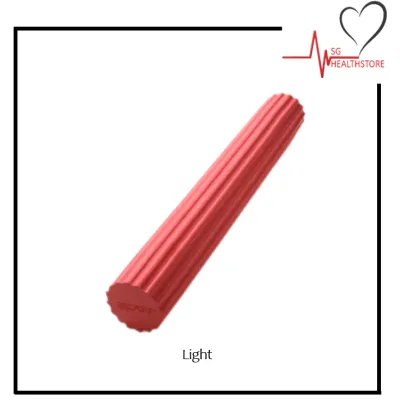
Flexbars use a color-coded system to represent progressive resistance levels, typically starting from light resistance (often yellow) and moving to heavier resistance (such as red, green, or blue). This visual system allows you to quickly identify which bar matches your current physical condition and training goals. However, because exact resistance values can vary by manufacturer and product line, it is essential to verify the specific specifications on the product packaging before starting any exercise routine.
Using a resistance bar is a highly targeted activity that requires proper form to prevent strain. Whether you are recovering from an injury or aiming to build forearm strength, selecting the correct resistance level ensures that your muscles and tendons are loaded safely and effectively.
Decoding the Flexbar Color System and Resistance Levels
The color progression of a resistance bar serves as a visual guide to its stiffness. In standard systems, lighter colors represent lower resistance, making them suitable for early-stage rehabilitation or light warm-ups. As the colors darken, the material becomes denser and requires significantly more force to bend or twist.
Products mentioned in this guide
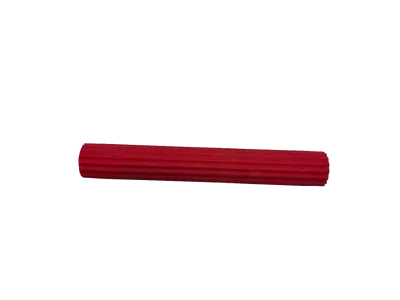
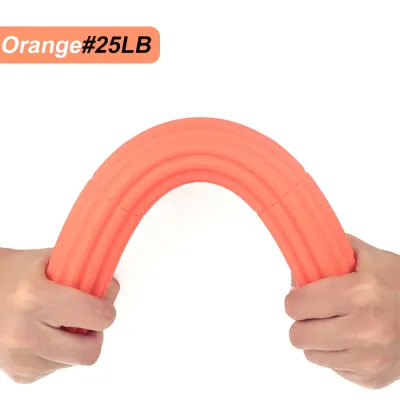

Prices are valid at publication and may change. Please refer to the product page for the latest price.
For example, a yellow bar is typically designated as the lightest level, followed by red for light-to-medium resistance. Green represents medium-to-heavy resistance, while blue is often reserved for advanced strength training. This progression allows users to systematically increase their workload as their grip strength and joint stability improve.
However, colors alone do not provide precise numerical data. It is crucial to check the product packaging or the manufacturer’s specification sheet for the exact force required to bend the bar. Different brands may use entirely different color schemes, meaning a red bar from one manufacturer might be significantly stiffer than a red bar from another.
Using generic resistance tools without verifying their specific color-to-resistance mapping can lead to accidental overloading. Always cross-reference the color of the bar with the manufacturer’s official documentation to ensure you are training at the intended intensity level.
How to Choose the Right Flexbar Resistance for Your Needs
Selecting the appropriate resistance level requires an honest assessment of your current physical condition, joint health, and training objectives. If you are recovering from tendon issues, such as tennis elbow or golfer’s elbow, your primary focus should be on tissue healing rather than maximum force production.

For rehabilitation, always start with a lower resistance level, such as yellow or red. This allows you to master the movement patterns, such as the Tyler Twist, without placing excessive stress on compromised tendons. Mastering the form with a lighter bar ensures that you build the necessary neuromuscular control before progressing.
Equipment cannot replace professional medical training or clinical judgment. If you experience sharp pain, sudden joint instability, or a loss of grip control during an exercise, stop immediately. It is always best to consult a physical therapist or healthcare professional to establish a safe starting point and progression schedule.
As your tissues adapt, you can look for observable signs that indicate it is time to move to the next resistance level. If you can complete your entire prescribed exercise routine (such as three sets of fifteen repetitions) with perfect control, zero fatigue, and no post-exercise joint discomfort, you may safely transition to the next color in the progression.
What to Check on the Label Before Buying
When shopping for a resistance bar at local fitness retailers or online marketplaces, look closely at the product label to ensure it aligns with your training plan. Verify the printed resistance value and the unit of measurement, which is typically expressed in the force required to bend the bar to a specific angle.
Physical dimensions are another critical factor to check on the label. The length and diameter of the bar directly affect how you handle it. A thicker bar requires a wider hand span and greater baseline grip strength just to hold securely, which might be challenging for users with smaller hands or limited mobility.
Ensure the product is from the original manufacturer to guarantee consistent material quality. High-quality rubber or silicone compounds maintain their resistance properties over time, even when exposed to warm, humid climates. Authentic products also ensure that the color-to-resistance mapping remains standard and predictable.
Finally, consider your budget and local availability. High-quality resistance bars typically range from S$20 to S$40. Investing in an authentic, properly labeled bar ensures that you receive a durable tool that performs consistently throughout your rehabilitation or strength training journey.
Frequently Asked Questions (FAQ)
Does the length of the Flexbar change its resistance level?
Yes, the physical dimensions of the bar affect the perceived resistance during use. A longer bar provides more leverage, which can make it feel easier to bend if you place your hands at the very ends. Conversely, placing your hands closer together reduces leverage, making the bar feel stiffer and more difficult to twist. Always check the manufacturer’s stated length to ensure it matches your hand size and exercise requirements.
Can I use two Flexbars together to increase resistance?
No, you should never attempt to hold or use two resistance bars simultaneously. Doing so compromises your grip security and significantly increases the risk of the bars slipping out of your hands, which can lead to sudden impact injuries to your face or wrists. If you have reached the maximum resistance of your current bar, purchase the next color level in the progression or consult a qualified fitness professional for advanced exercise variations.
Community discussion
Share your experience or ask a question. Comments are reviewed before publication.